Benzene (Chapter 15)
No description yet. This curated deck is ready for daily study.
Card preview (24)
1,2 Disubstitution
Ortho- o–
1,3 Disubstitution
Meta- m–
1,4 Disubstitution
Para- p–
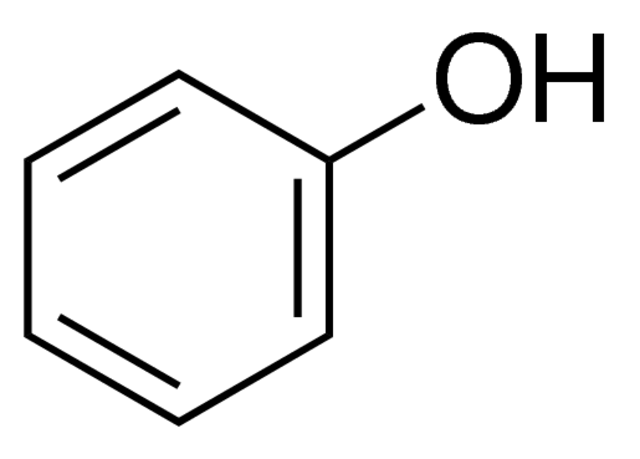
Phenol
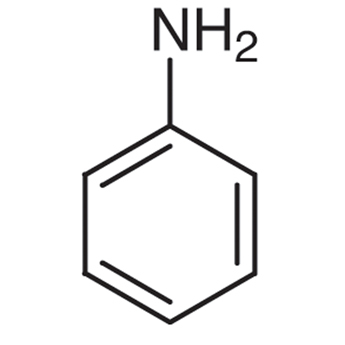
Aniline
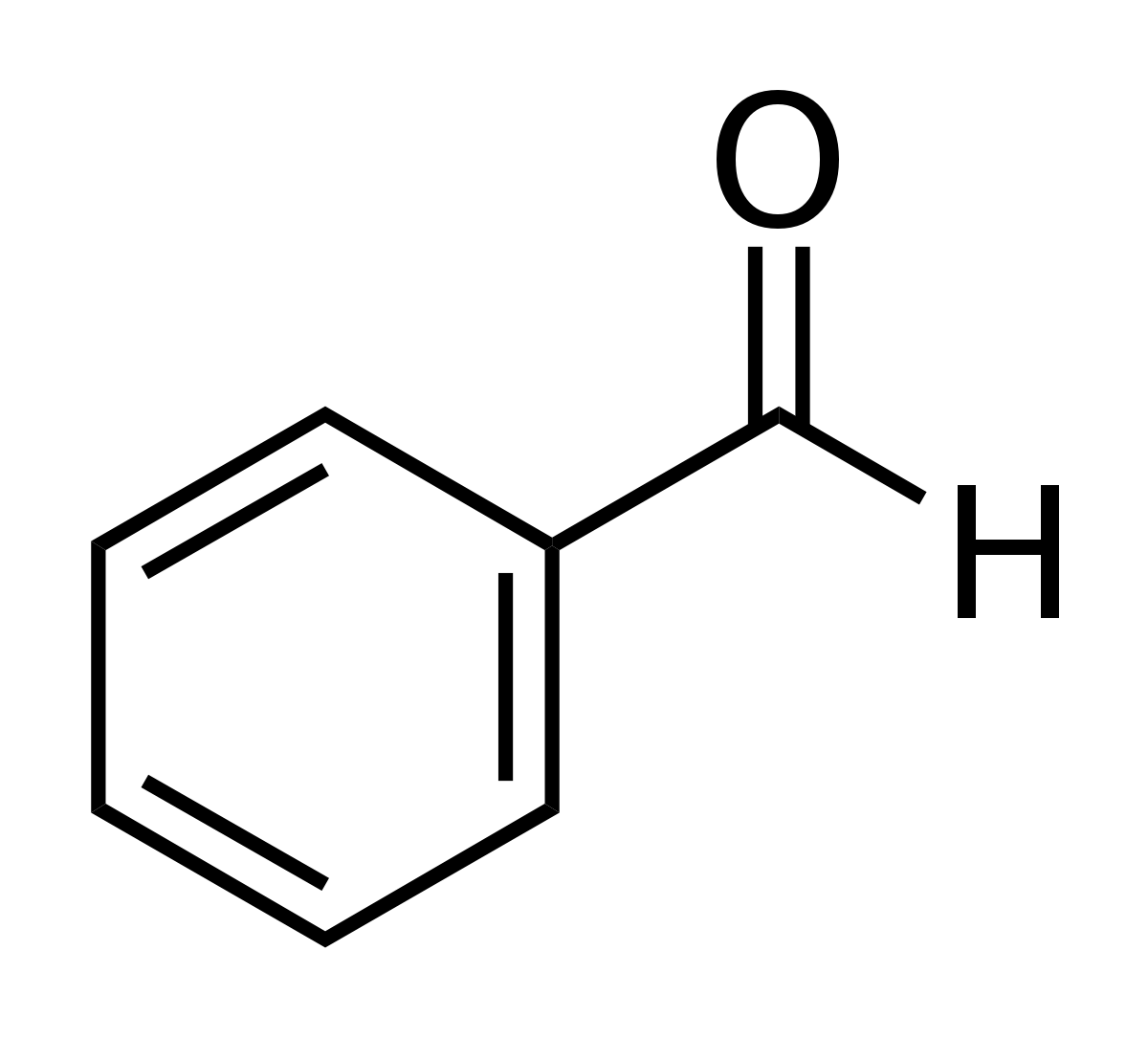
Benzaldehyde
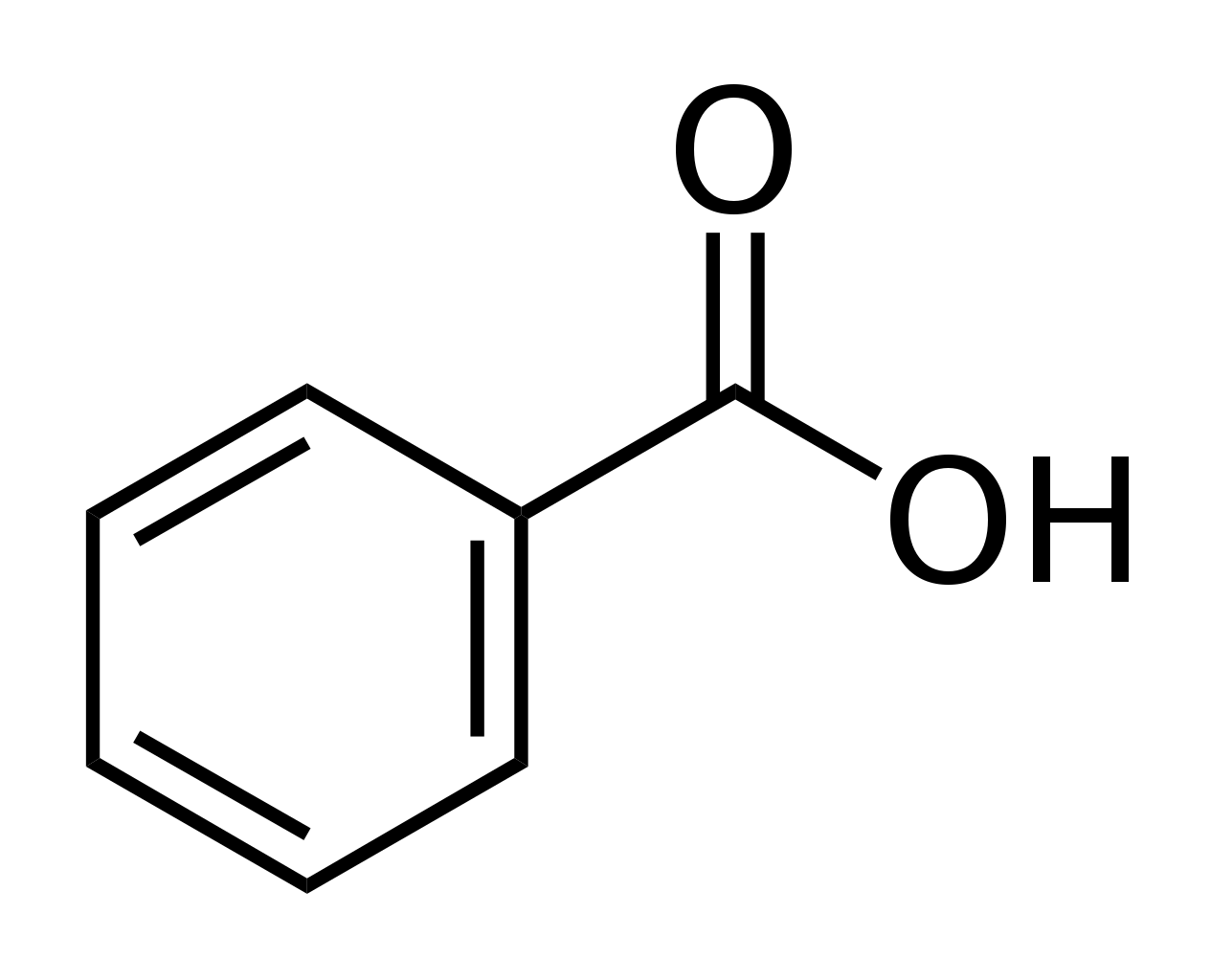
Benzoic Acid
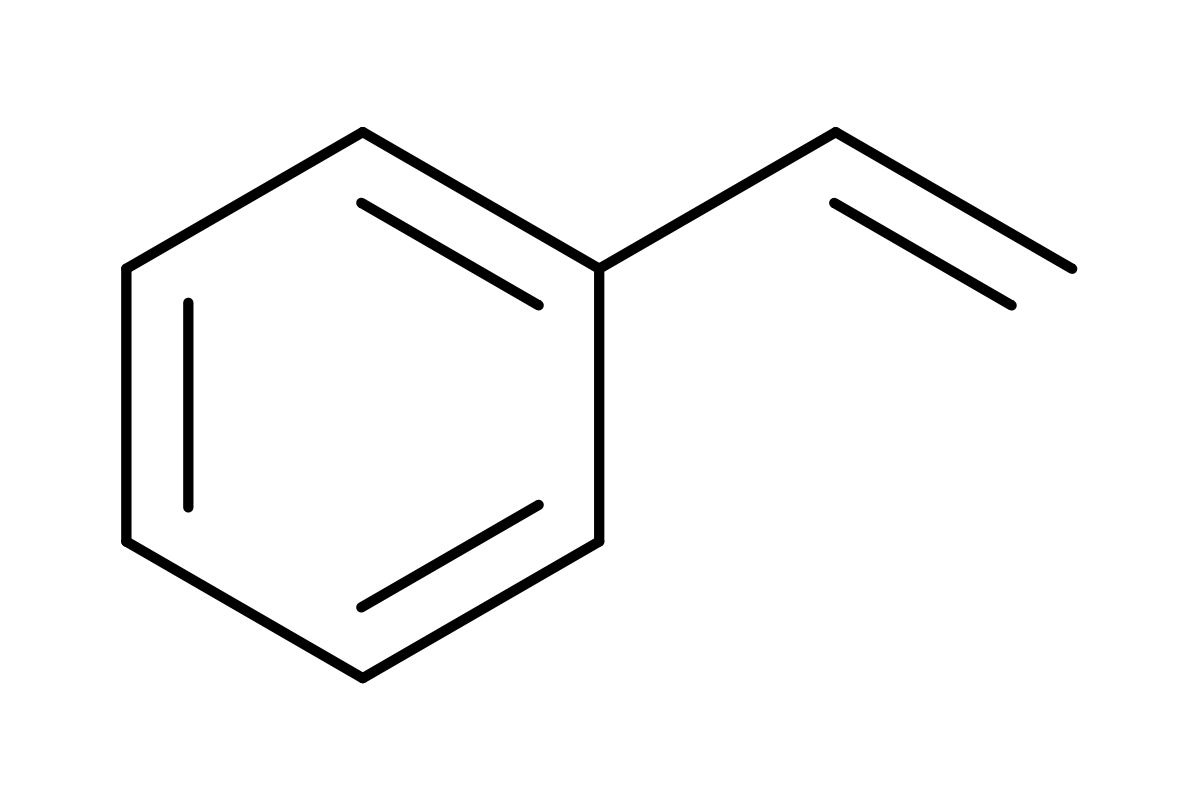
Styrene
Benzene
A six-carbon cyclic compound consisting of six equally overlapping p orbitals and six equal-length C—C bonds. All carbons within the benzene ring are sp2-hybridized.
Benzene vs. 1,3,5–Hexatriene Stabiilty Comparison
Benzene is more stable than 1,3,5-Hexatriene due to the “closure” of the six-membered carbon compound. Six-membered cyclic π systems are more stable than acyclic π systems.
Aromatic System Huckel’s Rule
A cyclic planar system of sp2-hybridized atoms containing (4n + 2)π electrons. Aromatic systems are highly stabilized.
Antiaromatic System Huckel’s Rule
A cyclic planar system of sp2-hybridized atoms containing (4n)π electrons. Antiaromatic systems are highly destabilized (i.e. less stable than alkenes or dienes).
Nonaromatic System
• Non-planar • Acyclic • sp3-Hybridized Atoms Nonaromatic systems are comparible in stability to alkenes and dienes.
1,3–Cyclobutadiene
• Highly Unstable (Antiaromatic + Ring Strain) • Ability to Act as Alkene and Diene • Alternating Single + Double Bonds • Two Distinct Isomers (Rapid Isomerization through Symmetrical Transition State) The two isomers of 1,3–Cyclobutadiene are not resonance structures (because atoms are moved during the isomerization process).
1,3,5,7–Cyclooctatetraene
• Non-Aromatic (Tub-Shaped) • Non-Conjugated π Bonds • Acts an Simple Alkene
Reactivity of Benzene
• Benzene is unreactive in electrophilic addition mechanisms. • Benzene is reactive in electrophilic substitution mechanisms.
Why are certain cationic/anionic cyclic structures highly stable?
Cationic/anionic cyclic structures containing (4n +2)π electrons are highly stabilized due to aromatic stabilization. • Anionic cyclic structures containing (4n +2)π electrons have highly acidic conjugate acids. • Cationic cyclic structures containing (4n +2)π electrons serve as effective bases.
Aromaticity of Polycyclic Hydrocarbons PCHC = Polycyclic Hydrocarbon
• If the PCHC contains (4n +2)π electrons, it is aromatic. • If all individual rings of the PCHC are aromatic, the PCHC is aromatic . • If the PCHC consists of one (or more) aromatic ring and no antiaromatic rings (i.e. solely nonaromatic rings), the PCHC is aromatic.
Antiaromaticity of Polycyclic Hydrocarbons PCHC = Polycyclic Hydrocarbon
• If the PCHC consists of one (or more) antiaromatic rings, the PCHC is antiaromatic. • If the PCHC contains (4n)π electrons, it is antiaromatic.
Electrophile of EAS Reactions EAS = Electrophilic Aromatic Substitution
A strong (highly partial-positive) electrophile is required for EAS reactions to occur (due to the low reactivity of the benzene ring). Since the C—E bond formation must be highly thermodynamically favorable (to overcome the thermodynamic instability of the loss of aromaticity) for EAS to occur, the electrophile must be highly electronegative.
RDS of EAS Reactions RDS = Rate-Determining Step
Creation of the Arenium Ion Intermediate The creation of the arenium ion intermediate results in the loss of aromaticity, which destabilizes the cyclic compound.
Why is EAS of Benzene thermodynically favored?
The C—E bond formed during EAS is stronger/shorter (i.e. more stable) than the C—H bond that is broken. E = Electrophile
Overalkylation
Since Friedel-Crafts Alkylation substitutes an electron-donating alkyl group into the benzene ring, the resulting phenyl compound is more electron-rich (i.e. more reactive). Overalkylation results in additional alkylations of the phenyl compound at the para and ortho (if steric hindrace is insignificant) positions.
Overfunctionalization
If an EAS reaction results in the substitution of an electron-donating group into the benzene rings, additional substitutions will occur at the para and ortho positions (if steric hindrance is minimal).