Bonding systems
No description yet. This curated deck is ready for daily study.
Card preview (24)
what are the properties of a dental bond? 6
provide a high bond strength to tooth tissue immediate high bond strength durable bond impermeable bond easy to use safe
why is bonding to enamel easier than bonding to dentine?
due to structure of enamel - densely packed prism, highly mineralised, dry
what acid is used for acid etch?
phosphoric acid 35%
how does acid etch change the surface of enamel?
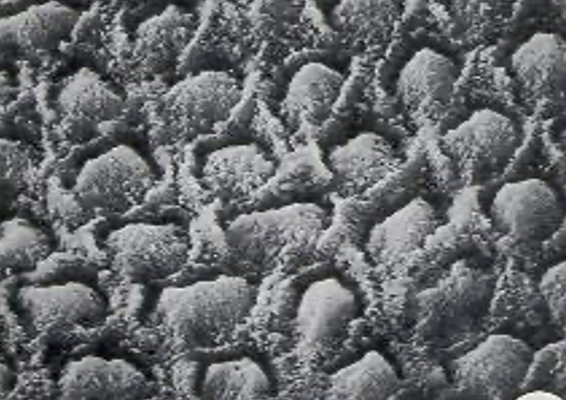
roughens enamel surface allows micromechanical interlocking of resins to enamel pits increases surface energy by removing surface contaminants leads to better wettability of enamel enamel rods after etching
what is used after an etch?
dentine bonding agents - phosphorylated BIS-GMA or low viscosity Bis-GMA
describe the properties and composition of dentine 5
• 20% oroganic, 70% inorganic, 10% water • full of permeable tubules - fluid pumped from pulp to dentine, making dentine wet • secondary and tertiary dentine are irregular and more mineralised • low surface energy • hydrophilic
what are the requirements of a dentine bonding agent? 4
ability to flow potential for intimate contact with dentine surface low viscosity adhesion to substrate
what is mechanical adhesion?
dentine bonding agent and the dentine surface meshing and interlocking with minimum gaps
what is chemical adhesion? how does mineralised and organic dentine adhere? 3
bonding at a molecular level mineralised: ionic bonding organic: covalent bonding
what is Van der Waals adhesion? and what does the strength of interaction depend on? 2
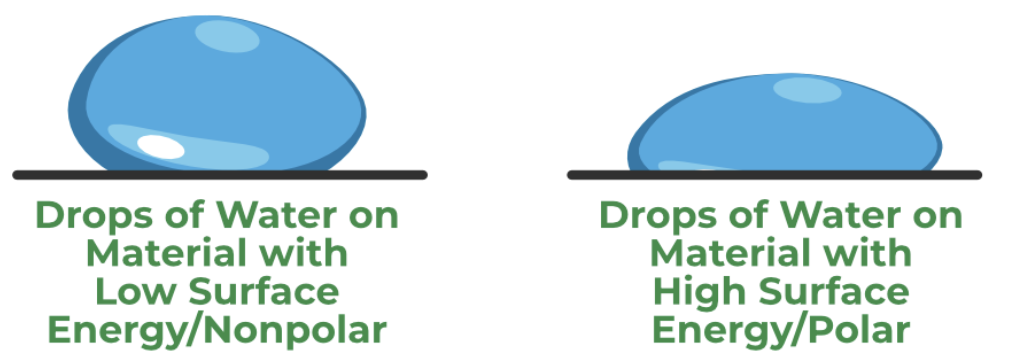
electrostatic or dipole interaction between bonding agent and substrate strength depends on contact angle and is a good indication of wettability of a solid
what is the difference between high and low surface energy with a low surface energy liquid?
low surface energy substance with low surface energy liquid = does not spread high surface energy substance with low surface energy liquid = will spread
does wet dentine have a high or low surface energy?
low surface energy so liquids/low viscosity resins do not spread
what do dentine bonding agents do to dentine?
increase the surface energy of dentine and allow the composite resin to flow and stick
what is molecular entanglement?
adhesive is absorbed onto the surface and penetrates dentine due to wetting by adhesive and surface energies absorbed component forms long polymer that meshes with the substrate
what is the smear layer?
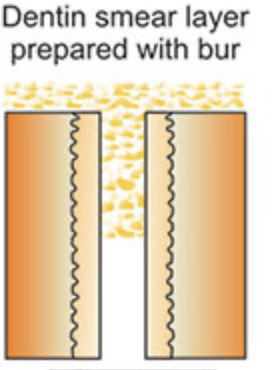
layer of organic debris that remains on the dentine surface after the preparation
what can you do with the smear layer in a restoration? 2
• remove it and bond to “clean” dentine • incorporate it by penetrating it, infiltrating it with the bonding agent and stick it to the dentine below
what are the components of total etch? 3
conditioner primer adhesive
what does the conditioner in total etch do? 3
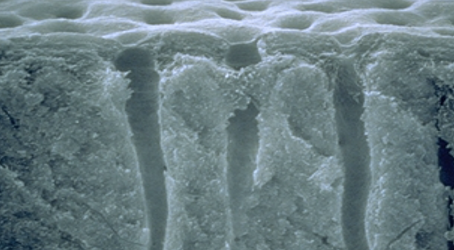
35% phosphoric acid * removes smear layer and opens dentinal tubules * decalcifies uppermost layer * collagen network in top of dentine is exposed
what does the primer in total etch do? 3
• hydrophilic end bonds to hydrophilic dentine and hydrophobic end bonds to resin • has a spacer group to make it long enough to be flexible when bonding • gives dentine high surface energy, making it hydrophobic
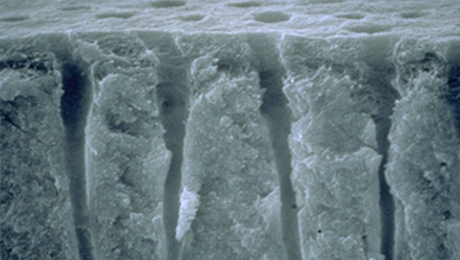
what does the adhesive in total etch do? 4
mixture of resins - Bis-GMA, HEMA * contains camphorquinone to enable light cure * penetrates the primed dentine which is now hydrophobic * forms a micromechanical bond within the tubules and collagen fibres - molecular entanglement
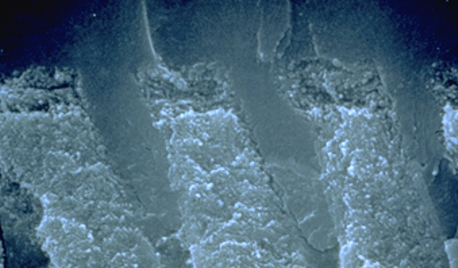
what are the problems with total etch? 3
over-etching collapses the collagen fibres so resin cannot penetrate over-etching - too deep an etch and the primer cannot penetrate the full depth of the etch moisture dependent - too dry and the surface of dentine collapses, too wet and the primer is diluted
how does separate etch with primer and sealer work? 2
still a total etch techinque with same chemicals used primer and sealant are combined and applied to the etched, washed dentine and light cured
how do self-etching primers work?
they do not remove the smear layer, it infiltrates it and incorporates into it it is not washed off and creates a hybrid layer
what is shown in this picture?
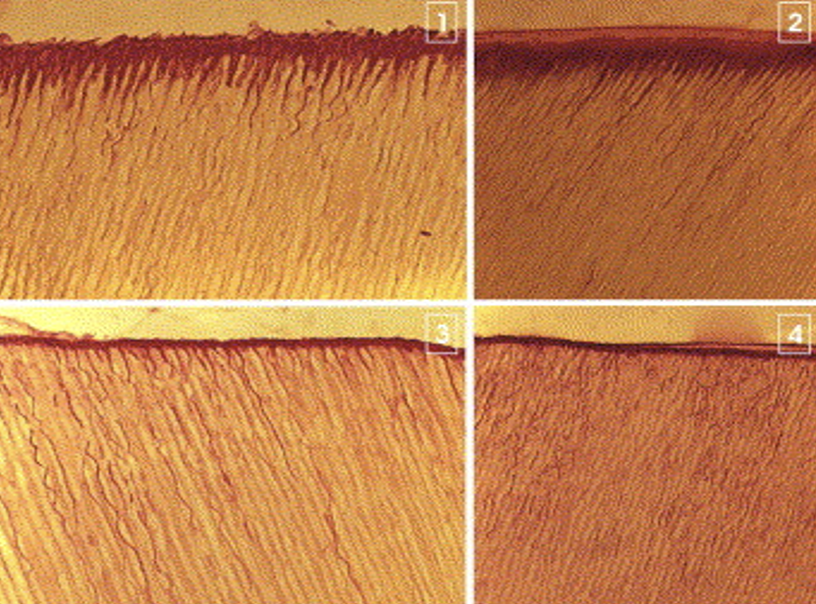
hybrid layer and resin that has entered tubules