Atomic Structure
No description yet. This curated deck is ready for daily study.
Card preview (24)
• Before the discovery of the electron what were atoms thought to be?
• Atoms were thought to be tiny spheres that could not be divided
• What was the plum pudding model?
• The discovery of the electron led to the plum pudding model of the atom • The plum pudding model suggested that the atom was a ball of positive charge with negative electrons embedded in it
• What was the nuclear model?
• The results from the Rutherford and Marsden’s alpha scattering experiments led to the plum pudding model being replaced by the nuclear model • In this model the centre of the atom was called the nucleus • This experiment showed: • That most of the mass of the atom was in the nucleus • That all the positive charge of the atom was in the nucleus • The electrons were thought to orbit the nucleus • In the experiment most of the alpha particles directed at thin gold foil passed through showing that that most of the mass of the atom was in the nucleus • But a few were deflected or bounced back, suggesting the positive charge was concentrated at the centre of each gold atom in the nucleus
• What was the Bohr model?
• Neils Bohr adapted the nuclear model by suggesting that electrons orbit the nucleus at specific distances • The electrons are in energy levels or shells • The theoretical calculations of Bohr agreed with experimental observations
• What is an atom?
• An atom consists of a nucleus containing protons and neutrons surrounded by electrons
• What is the atomic number?
• The atomic number (proton number) is equal to the number of protons
• What is the mass number?
• The mass number is equal to the number of protons and neutrons combined
• What are isotopes?
• Isotopes are atoms with the same number of protons but a different number of neutrons • Isotopes of the same element have the same chemical properties because they have the same electron configuration
• What is a positive ion (cation)?
• An atom that has lost electrons so that there are more protons than electrons
• What is a negative ion (anion)?
• An atom that has gained electrons so that there are more electrons than protons
• What is first ionisation energy?
• First ionisation energy is the amount of energy needed to remove a mole of electrons from a mole of atoms, in the gaseous state (units kJ mol-1)
• What is the trend in first ionisation energies of elements down a group?
• First ionisation energy decreases down a group
• What is the trend in first ionisation energies across a period?
• There is a general increase in first ionisation energies of the elements across a period, with two exceptions • Aluminium and sulphur and the exceptions in period 3 • Boron and oxygen are the exceptions in period 2
• Explain the trend in ionisation energy
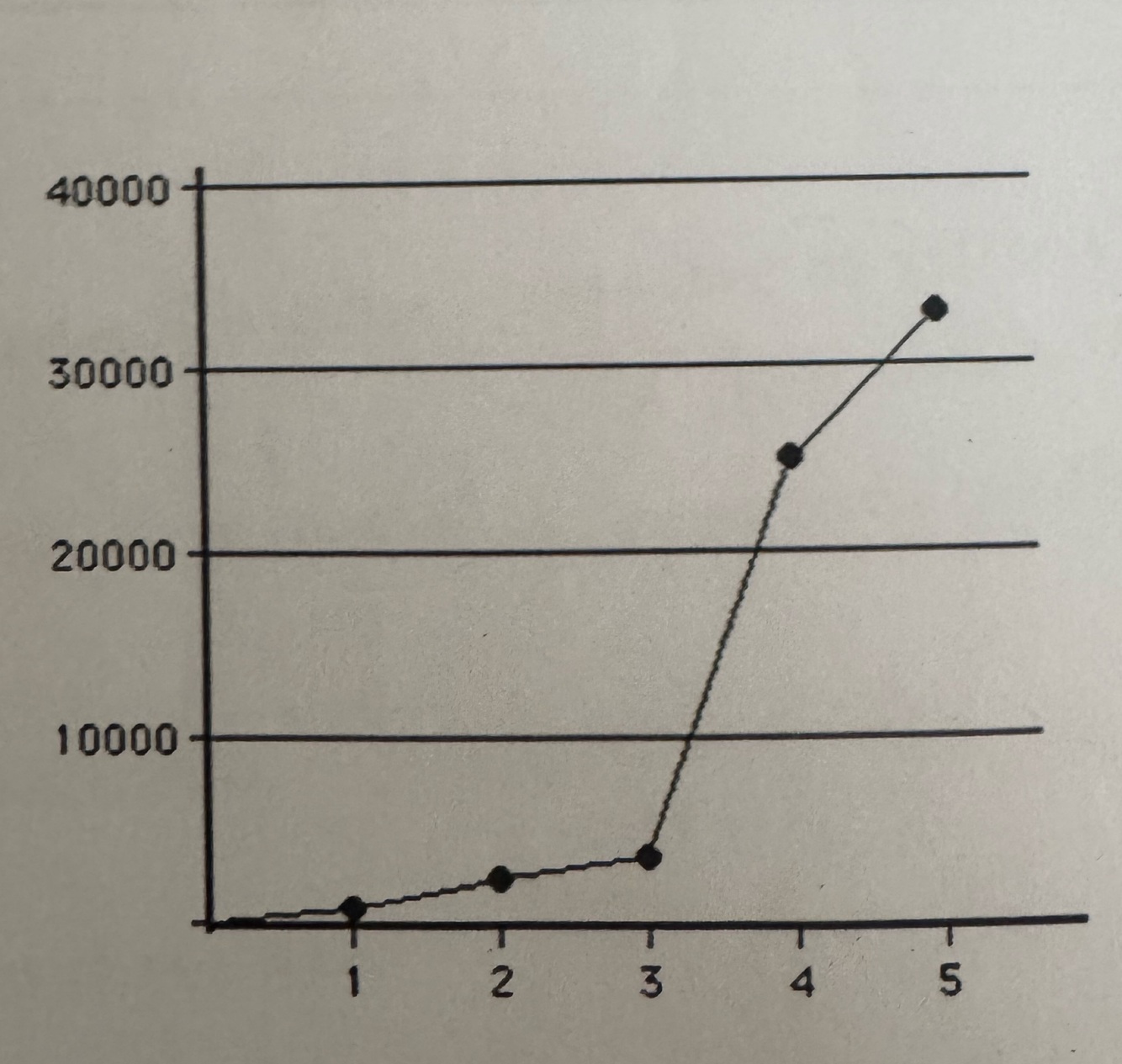
• IEs 1-3 increase because each electron is being removed from a more positive ion each time • The attraction between the electrons and protons becomes stronger as there are less electrons being attracted by the same number of protons • The 4th electron is removed from a shell closer to the nucleus and so is much more strongly attracted to the nucleus
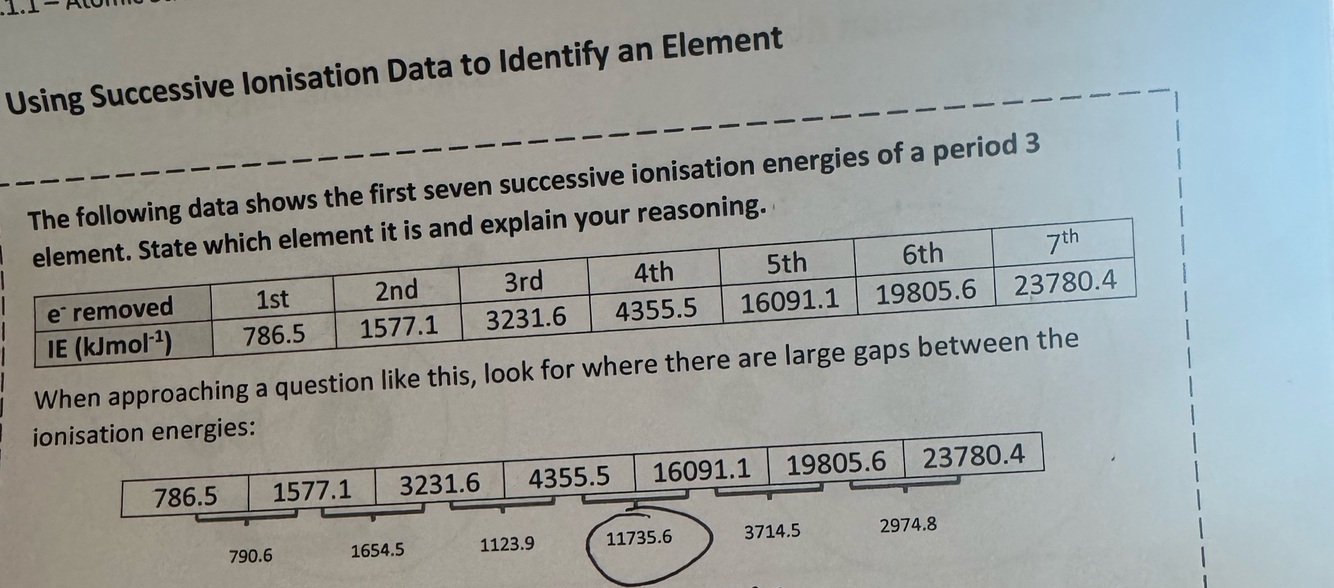
• The largest increase is between the 4th and 5th ionisation energies • The 5th electron is in the shell closer to the nucleus • The element must have 4 electrons in its outer shell • In period 3 this must be silicon
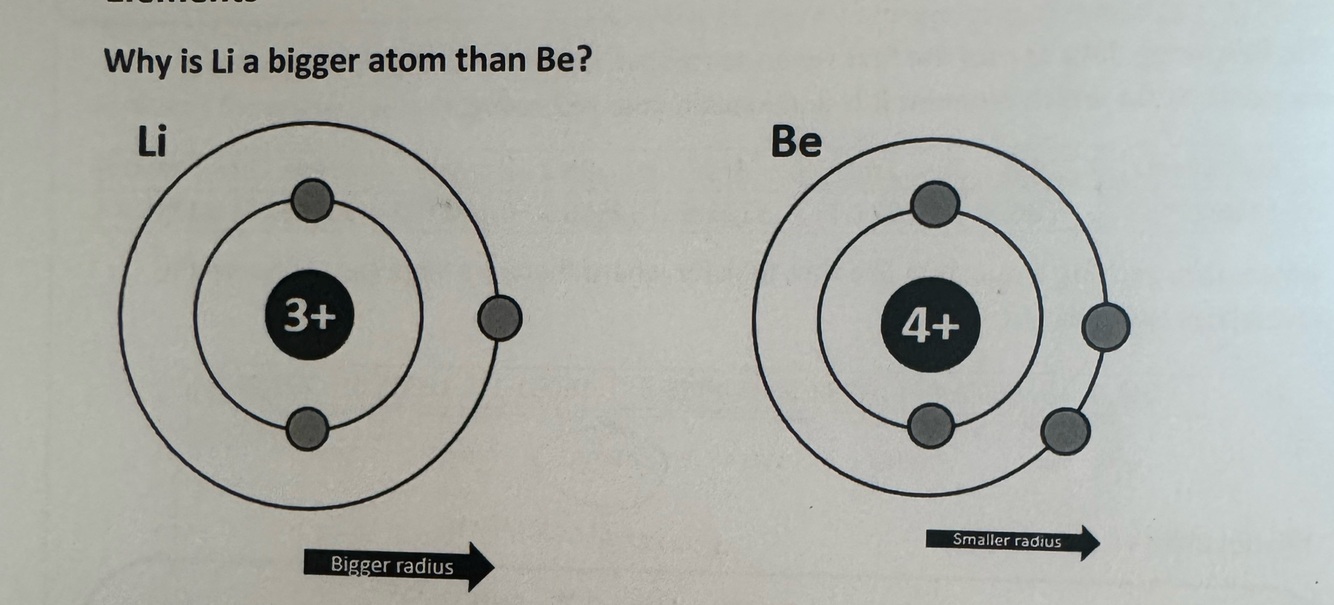
• Both atoms have the same number of shells • They have the same shielding • But Be has more protons • So it attracts the outermost electrons more strongly
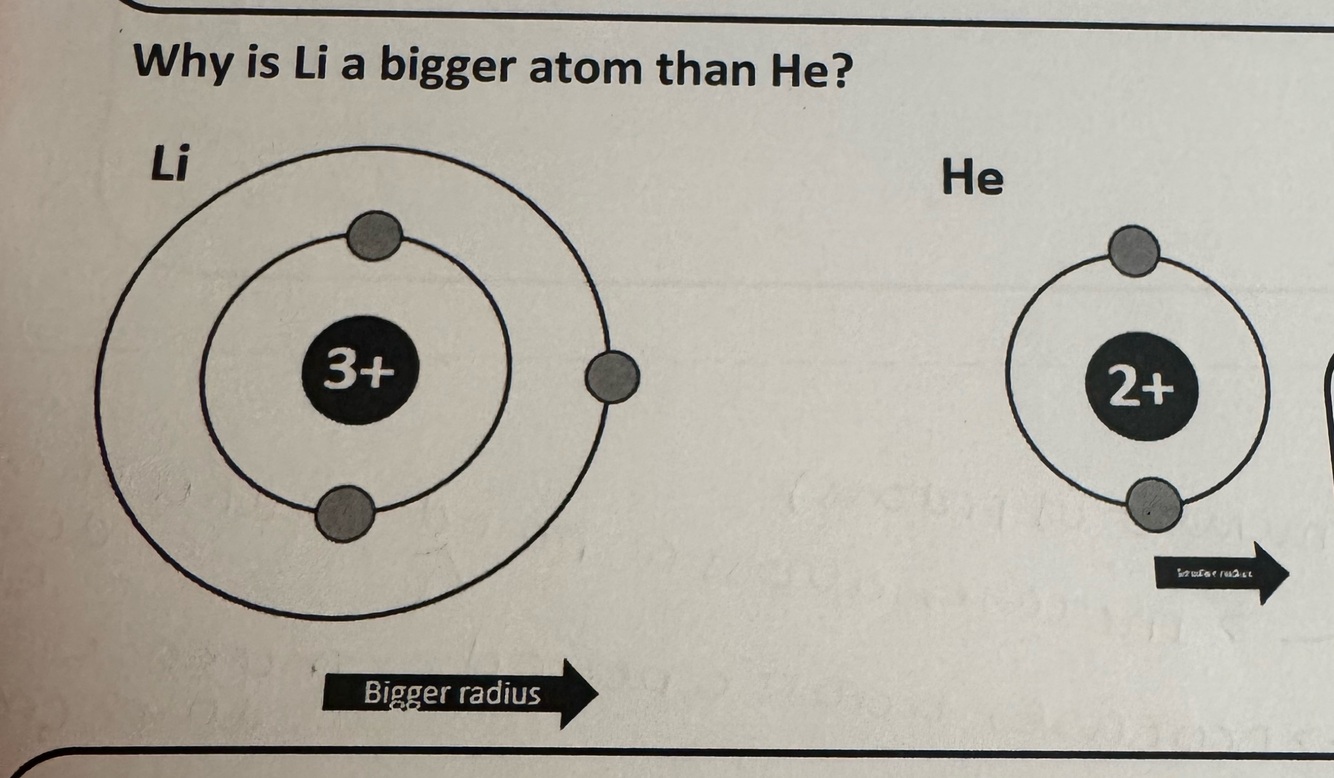
• Li has an extra electron shell and is further away from the nucleus • The outer electron is more shielded • The outer electron isn’t strongly attracted to the nucleus
• Why does He have the highest 1st IE of all elements?
• It has more protons than hydrogen • And has only one shell, so has the same shielding as hydrogen
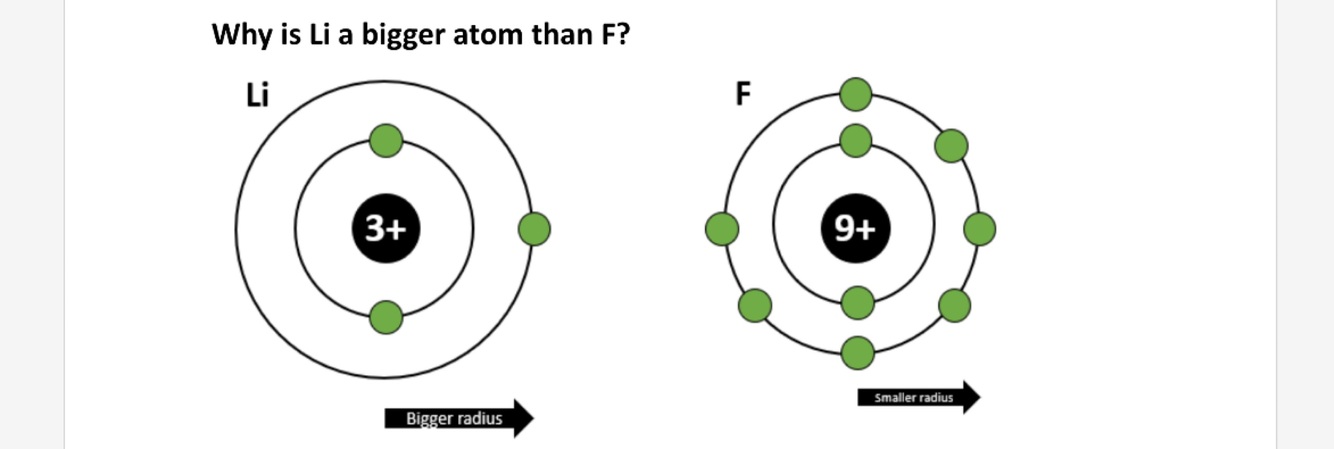
• Both atoms have the same number of shells • They have the same shielding • But Fluorine has 6 more protons than lithium • So it attracts the outermost electrons more strongly
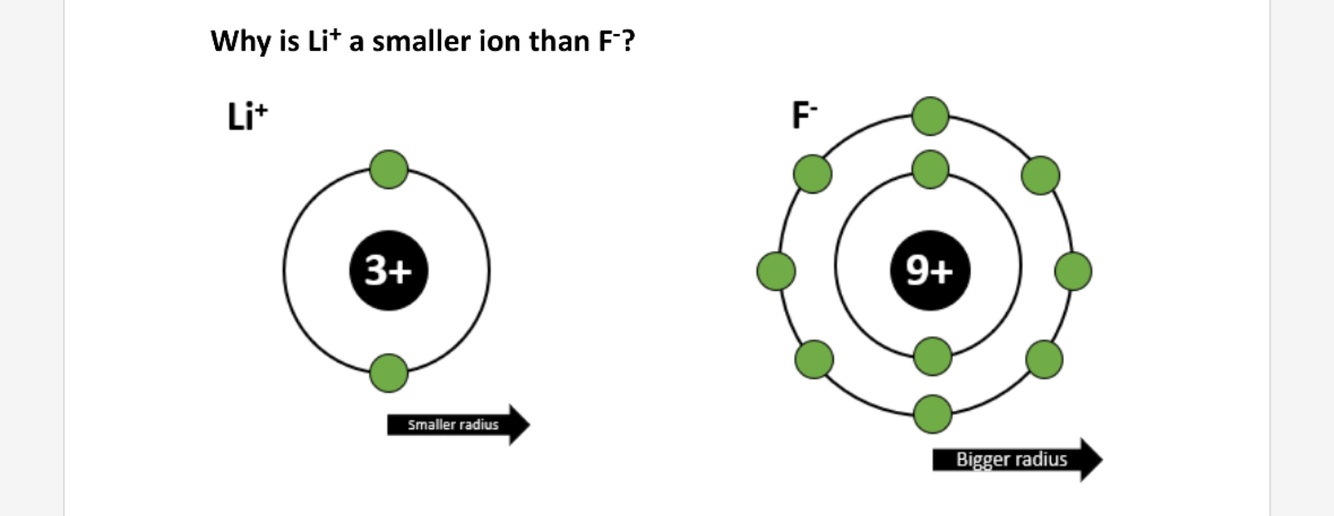
• A Li+ ion only has one shell • Its electrons are closer to the nucleus and there is less shielding • So the outer electrons are more strongly attracted
• Why do 1st IE’s increase across a period?
• There are more protons in the nucleus • The shielding remains the same
• What is the highest energy electron?
• The outermost electrons on an atom or ion is termed the highest energy electron • It is the highest energy electron because it is furthest from the nucleus
• Explain the dip in ionisation energy
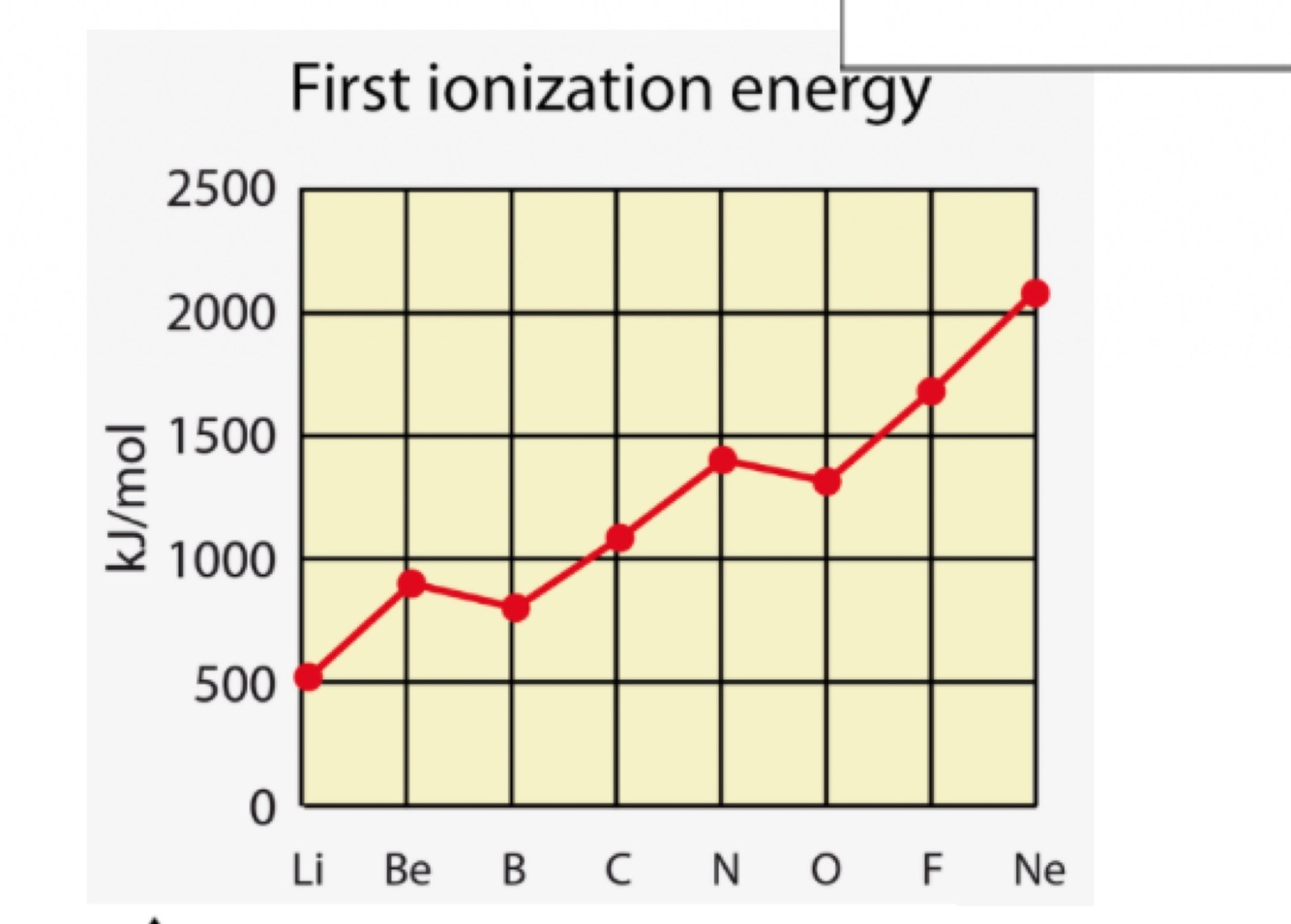
• The first electron removed from Be is from a 2s subshell • The first electron removed from B is from a 2p subshell • The 2s subshell is lower in energy than 2p • Therefore less energy is needed to remove the electron from B
• Explain which requires less energy to remove the 1st electron
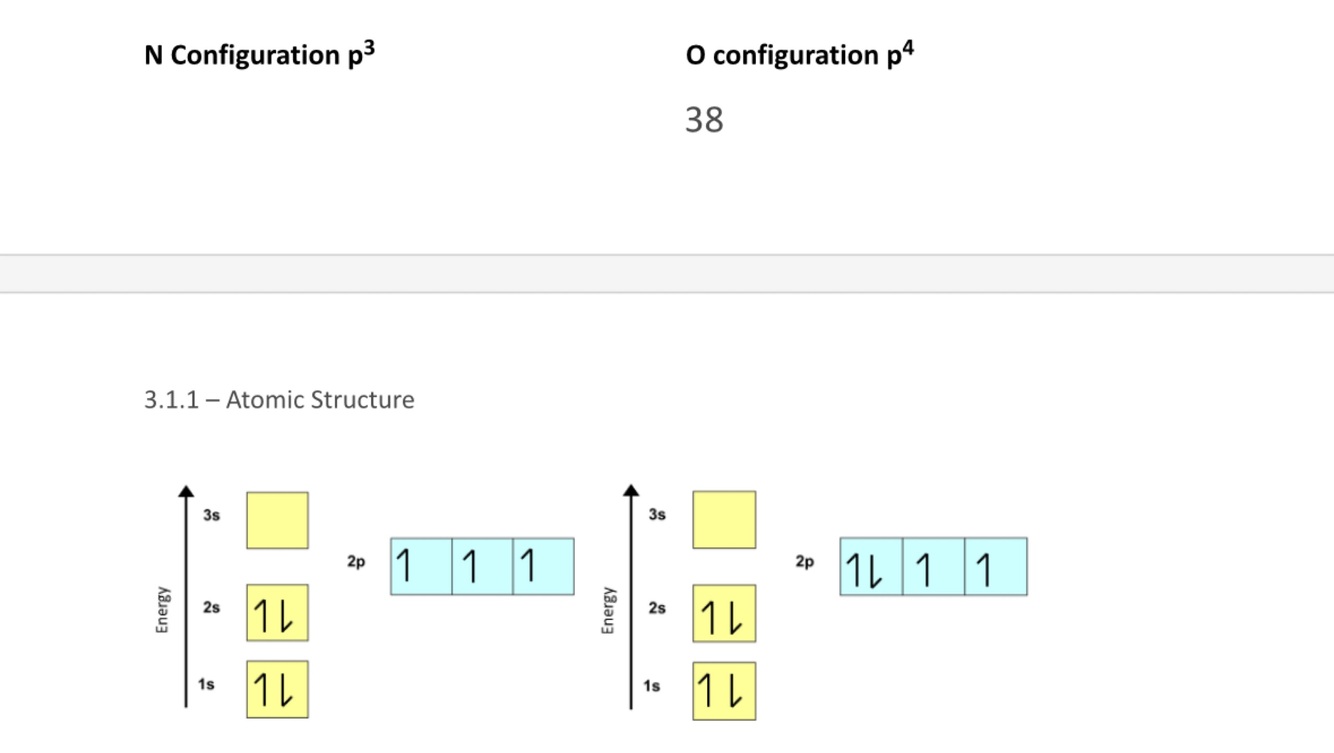
• The first e- removed from N is from a 2p sub level and is unpaired • The first e- removed from O is also from a 2p subshell but is from a paired orbital • This means that O has a lower ionisation energy due to electron pair repulsion