5. Bonding
No description yet. This curated deck is ready for daily study.
Card preview (24)
DELETE
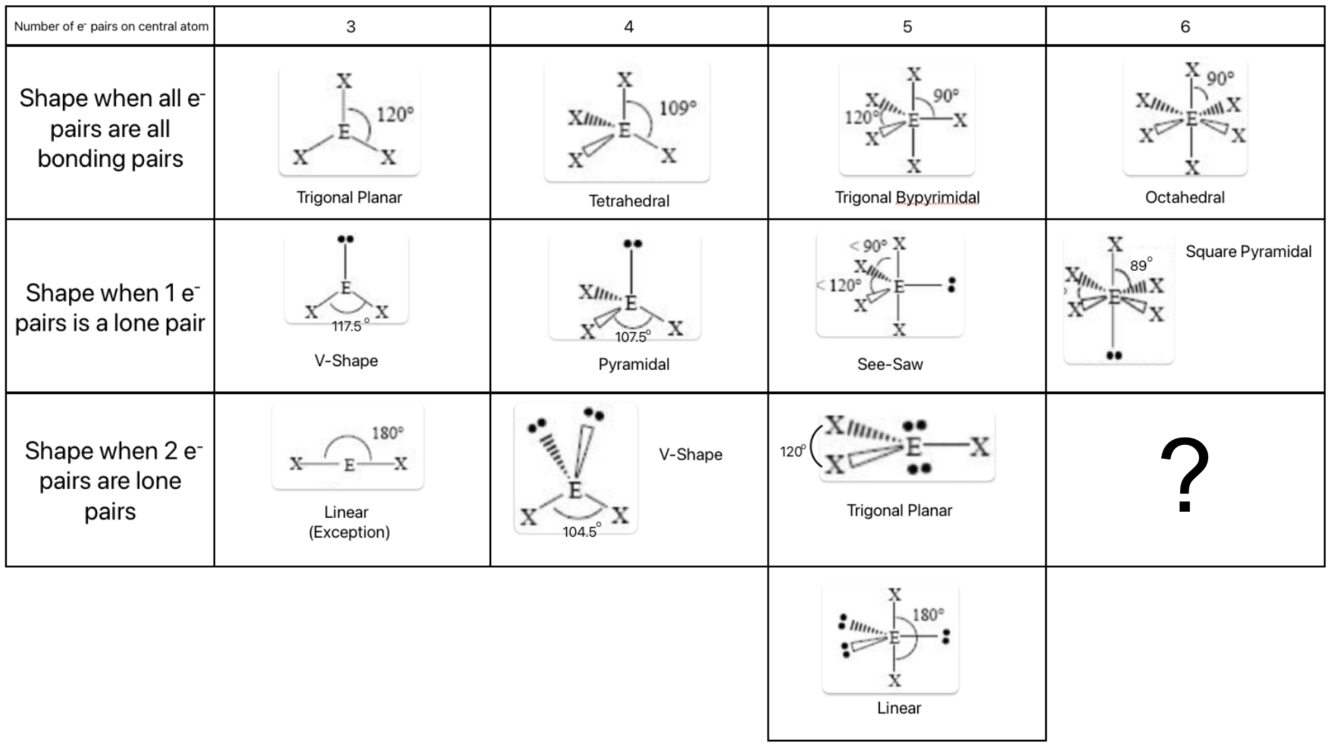
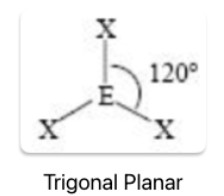
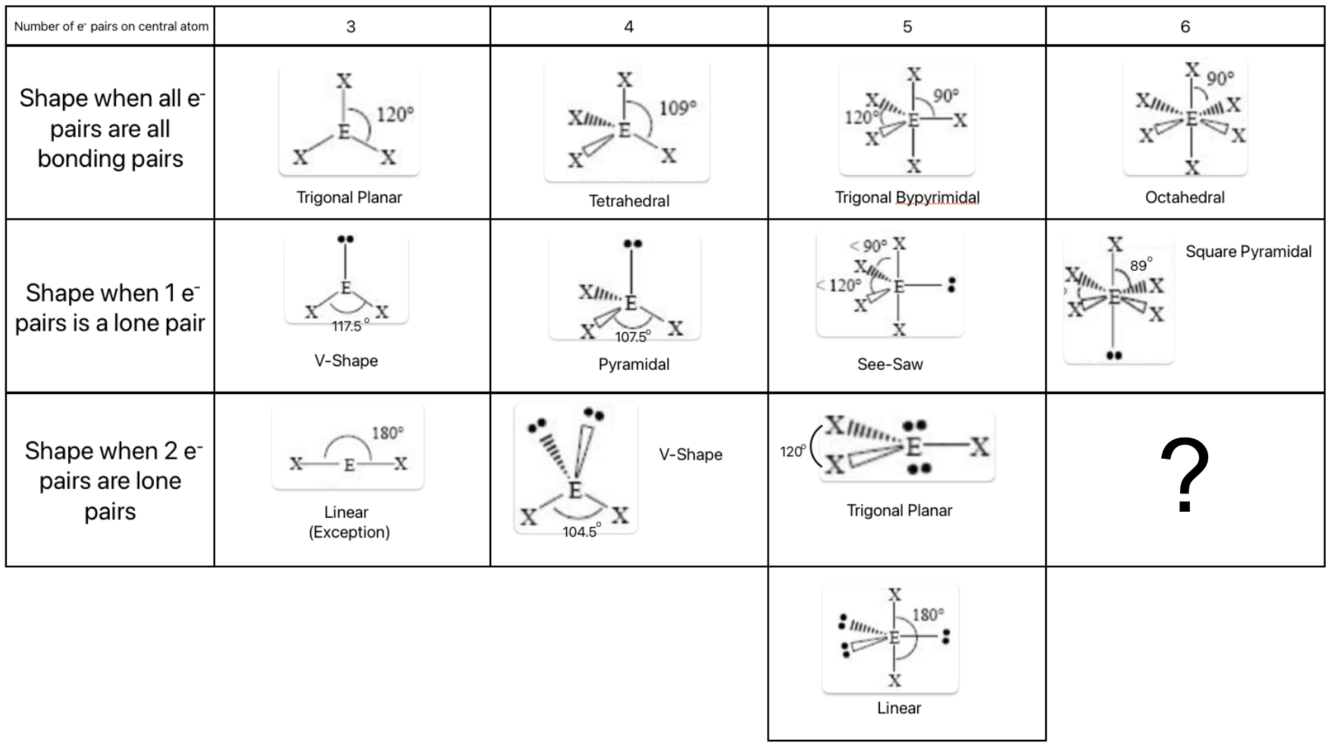
Draw and name the shape. Find the bond angle
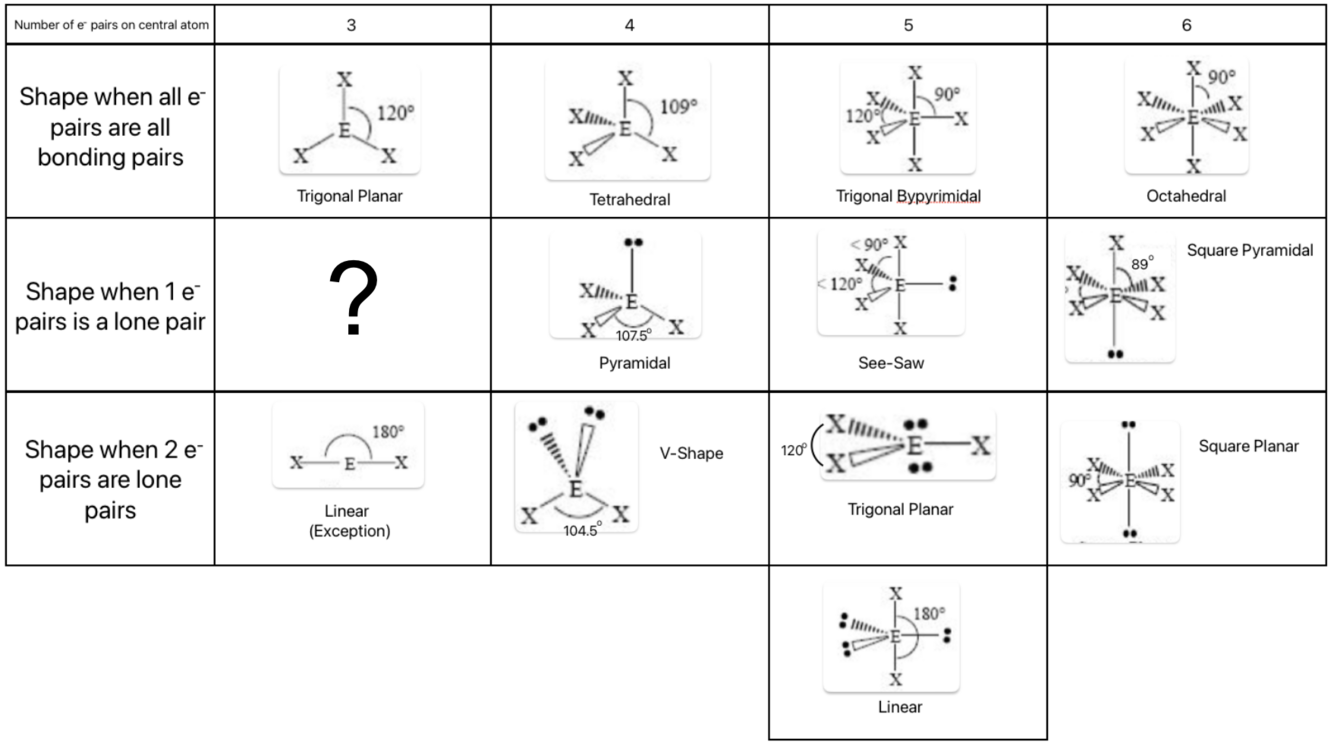
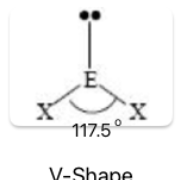
Draw and name the shape. Find the bond angle
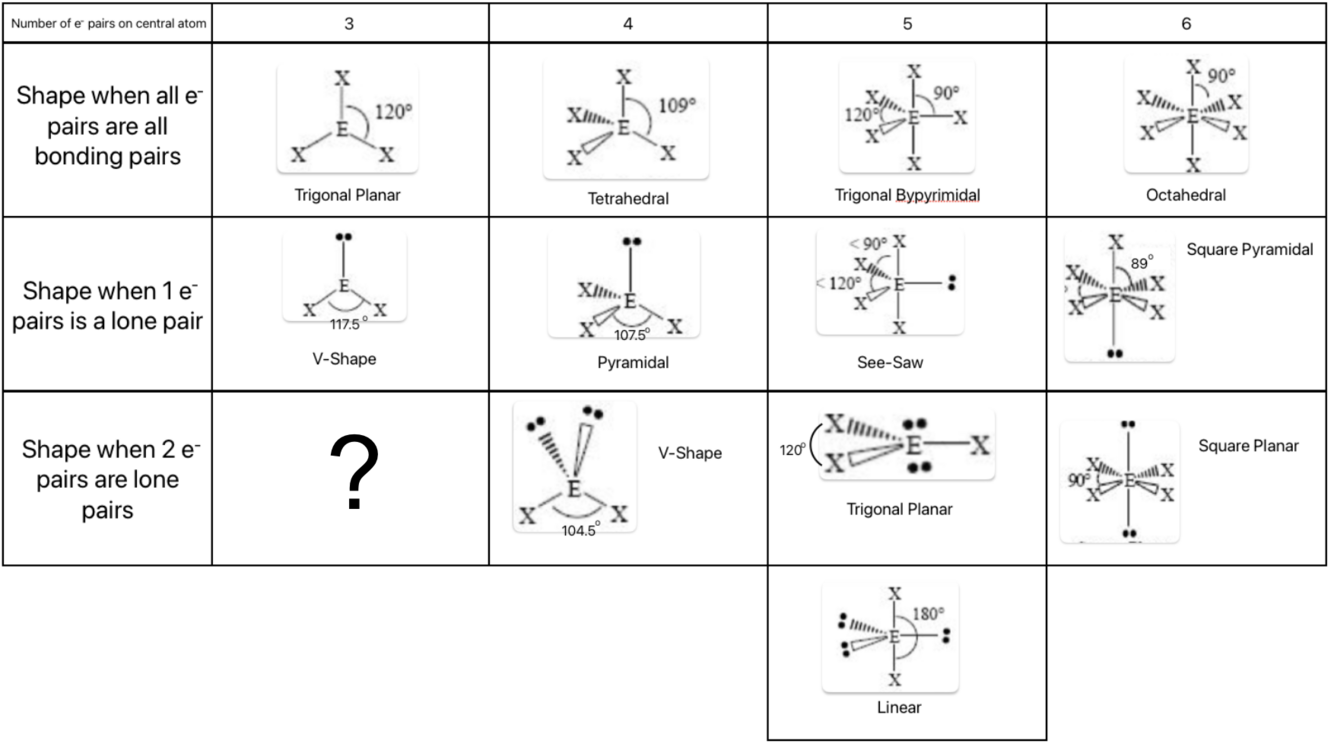
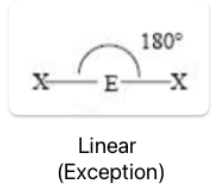
Draw and name the shape. Find the bond angle
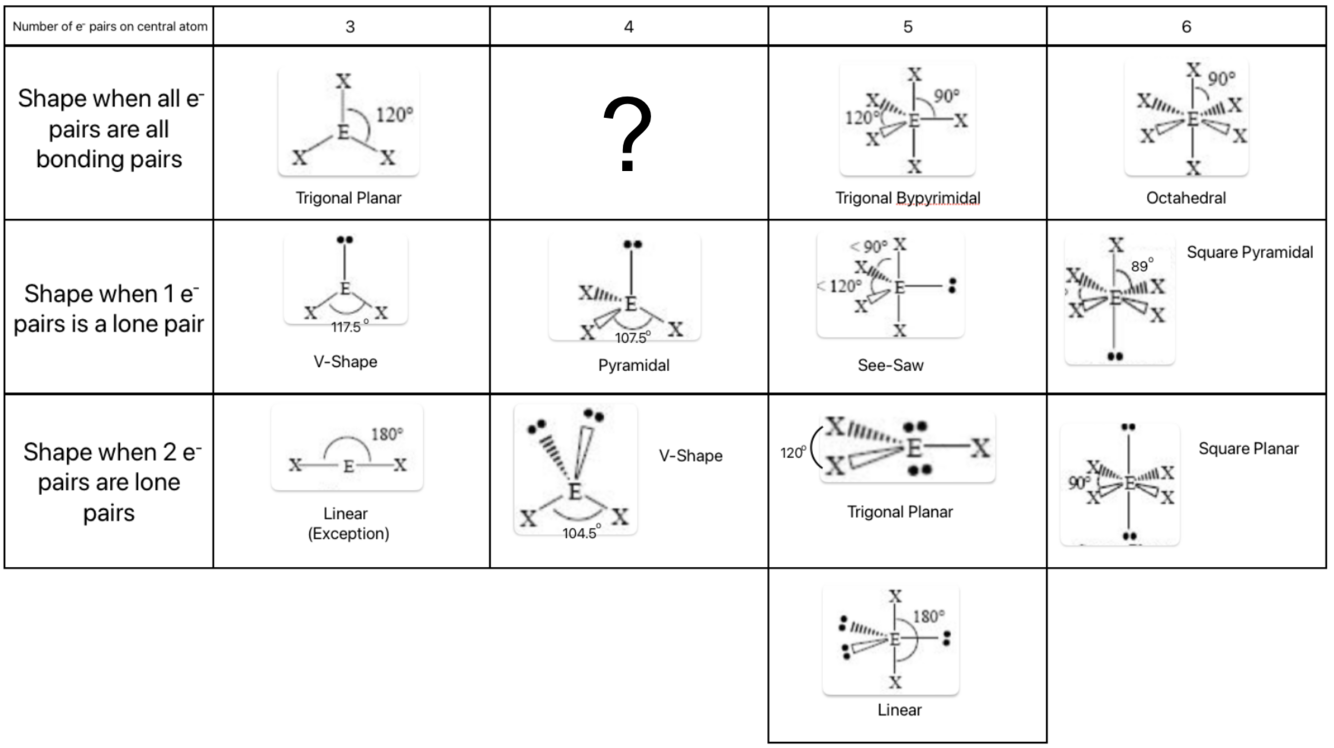
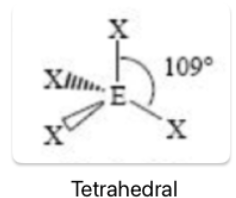
Draw and name the shape. Find the bond angle
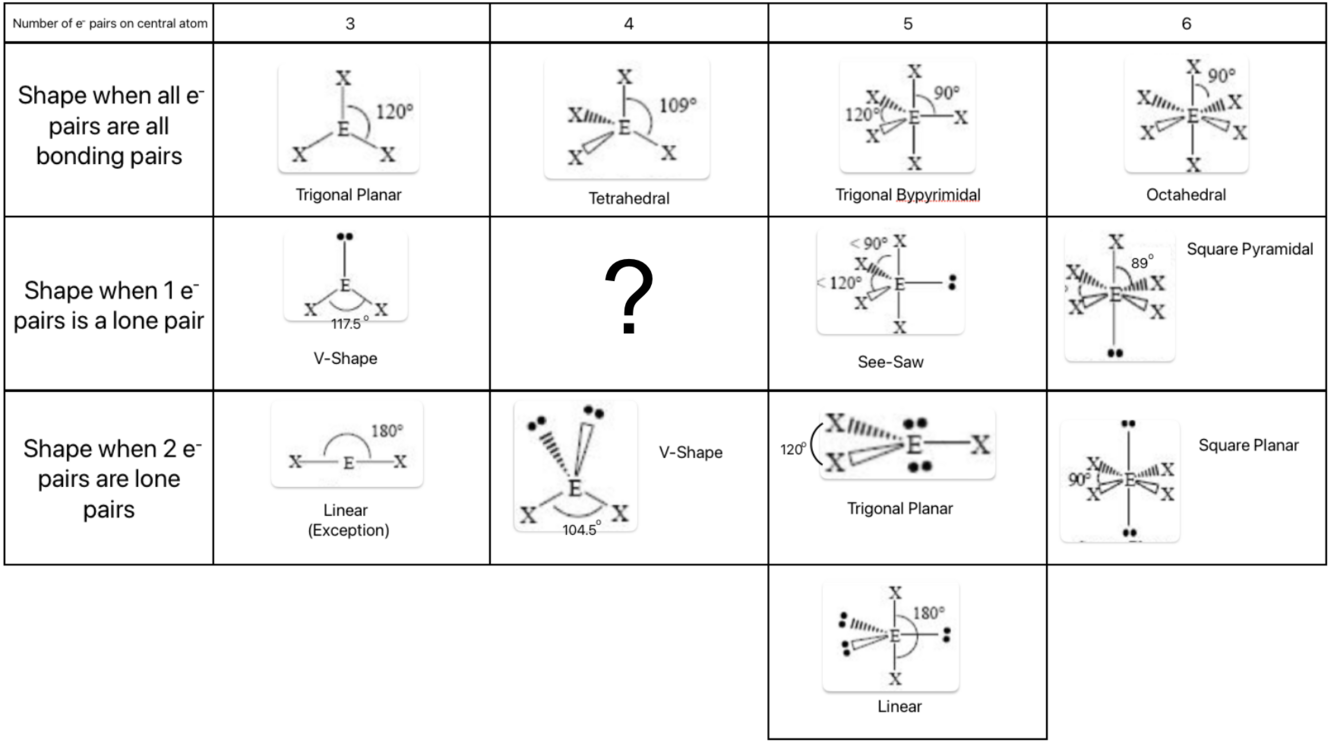
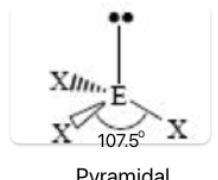
Draw and name the shape. Find the bond angle
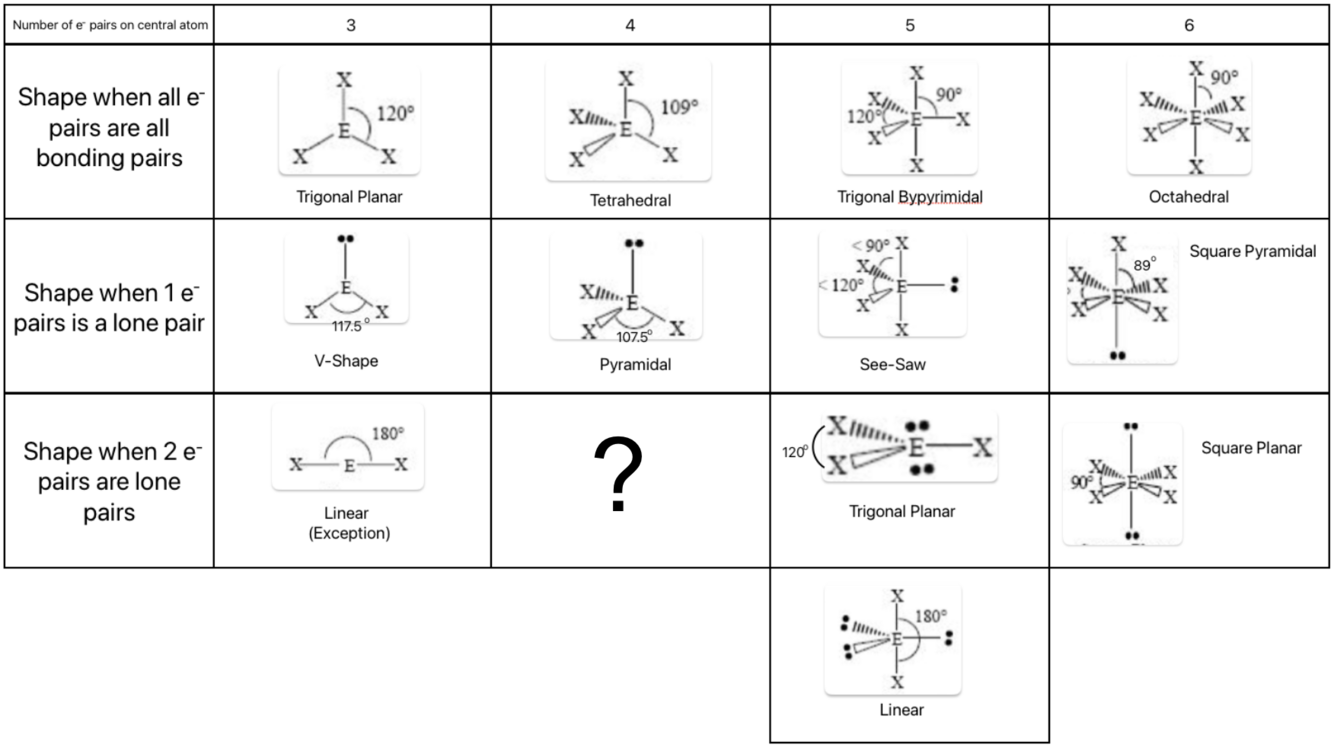
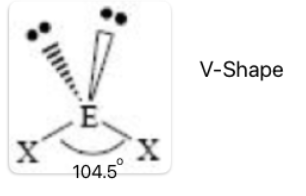
Draw and name the shape. Find the bond angle
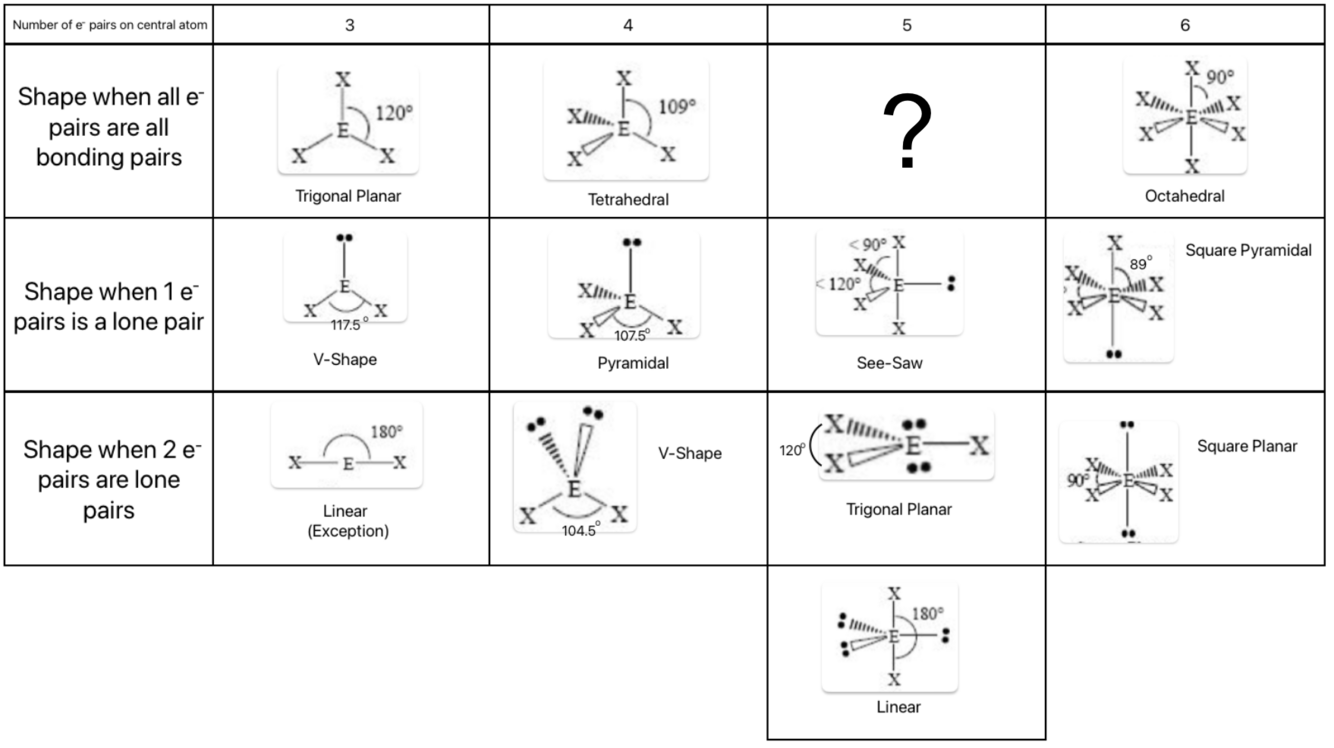
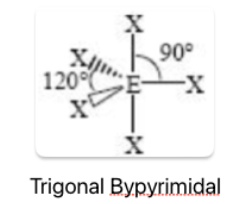
Draw and name the shape. Find the bond angle
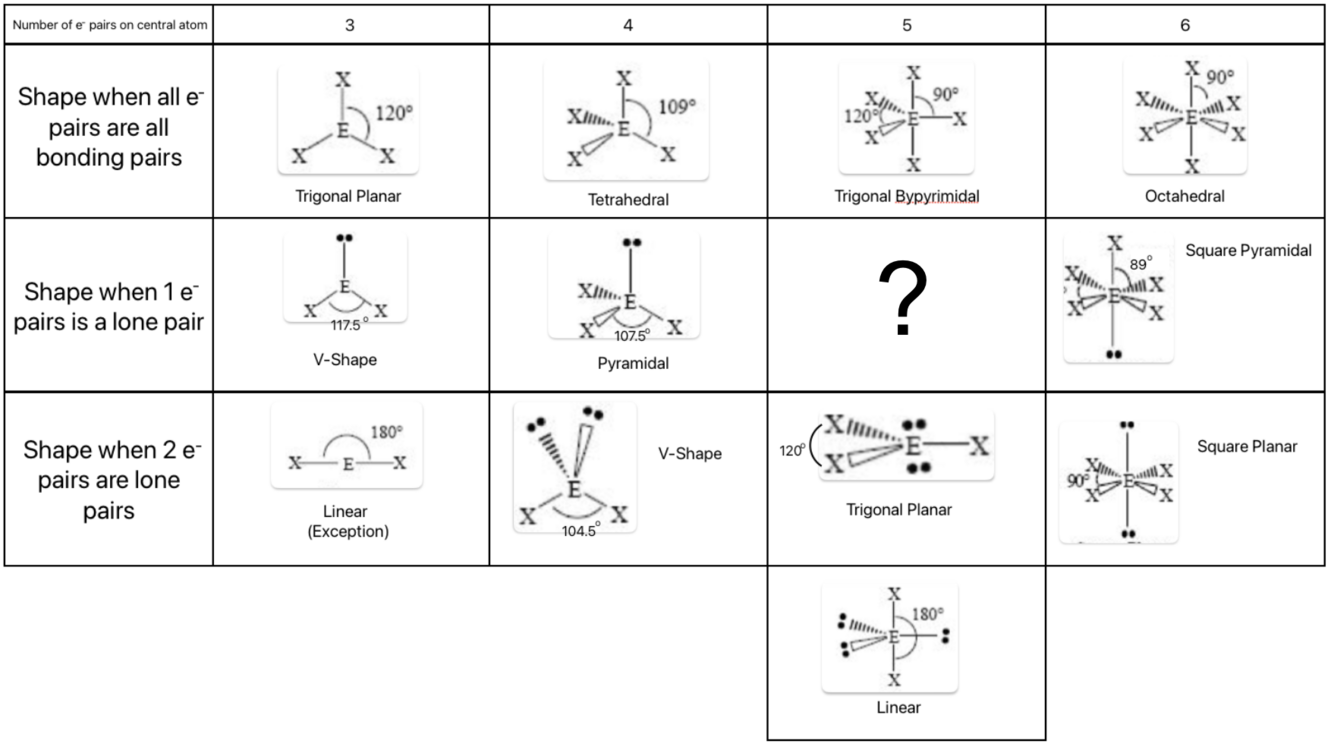
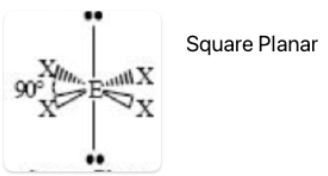
89⁰, 119⁰
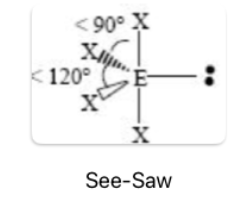
Draw and name the shape. Find the bond angle
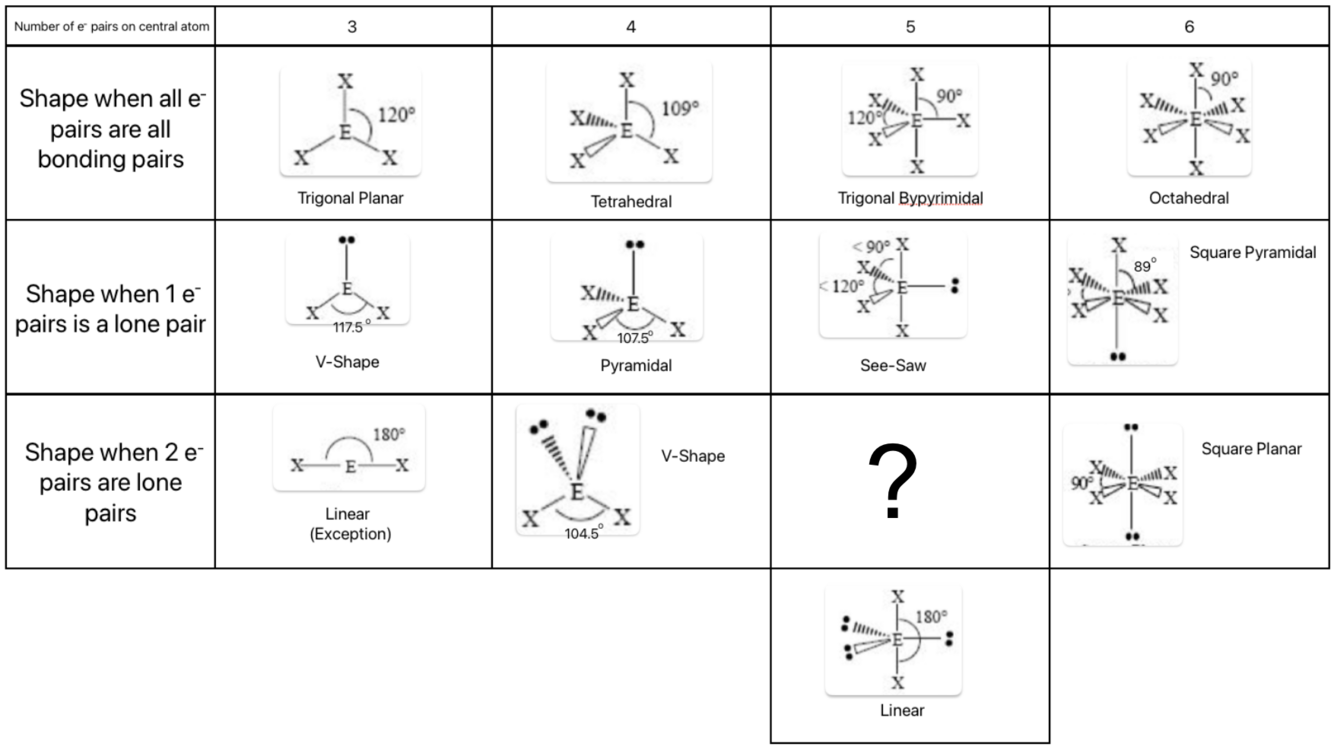
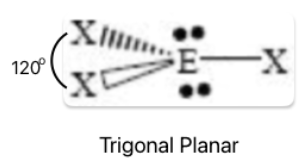
Draw and name the shape. Find the bond angle
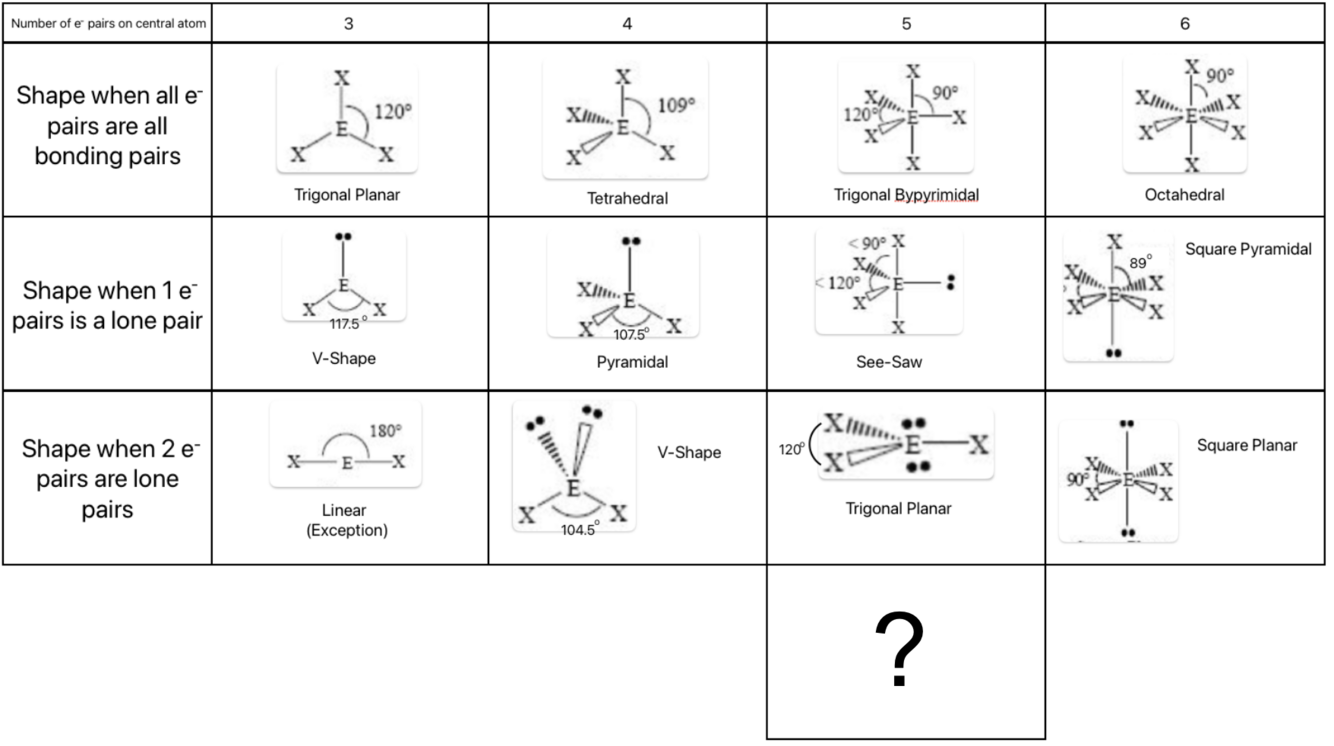
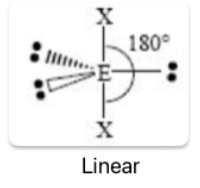
Draw and name the shape. Find the bond angle
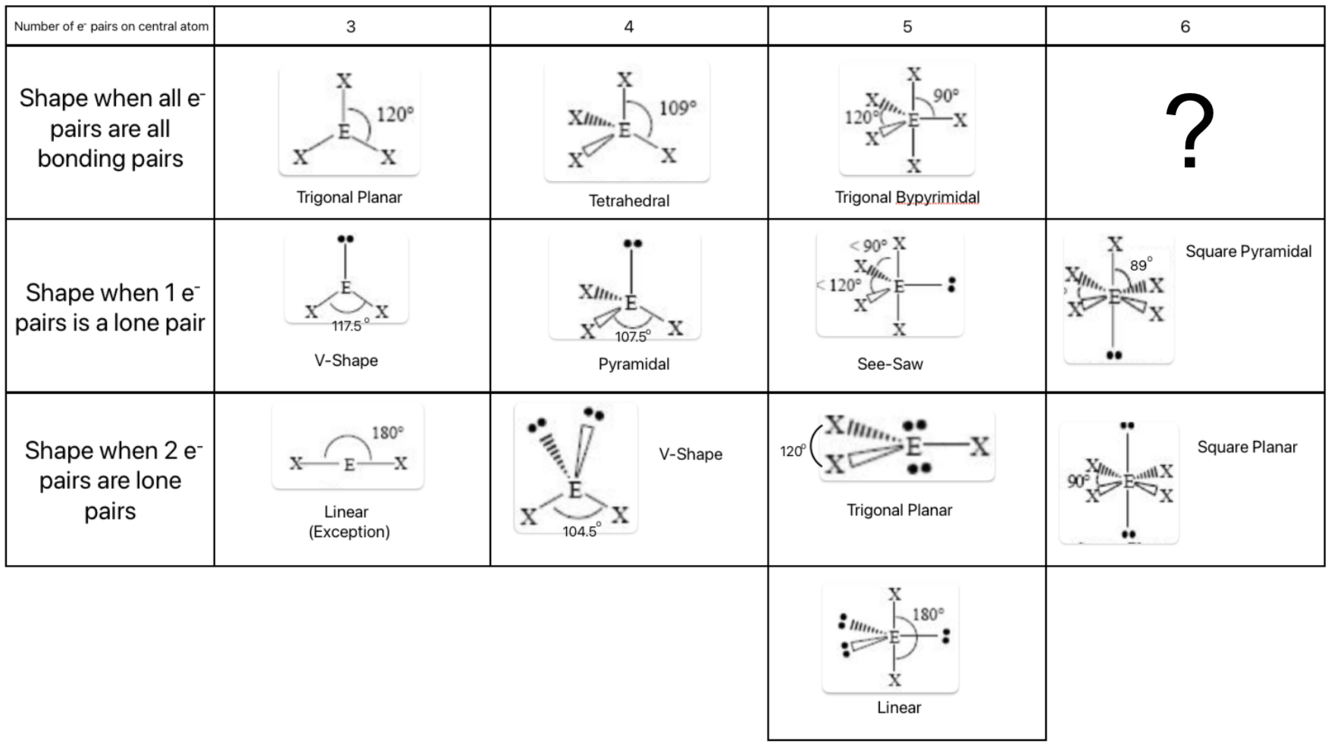
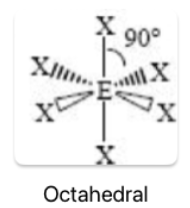
Draw and name the shape. Find the bond angle
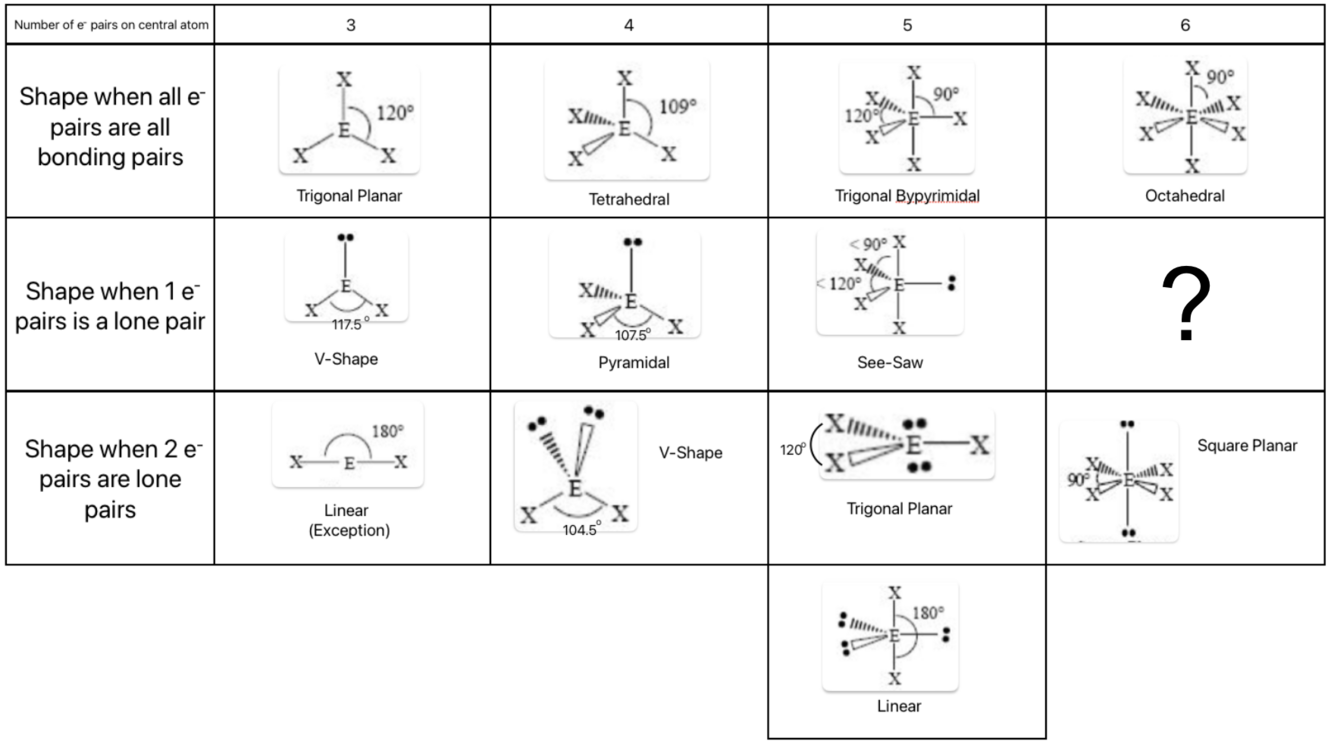
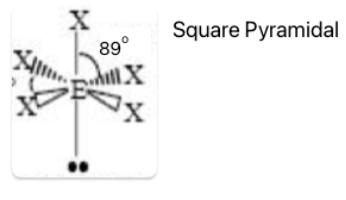
Draw and name the shape. Find the bond angle
Formula for Nitrate
NO3⁻
Formula for Nitrite
NO2⁻
Formula for Hydrogencarbonate
HCO3⁻
Formula for Chlorate(I)
ClO⁻
Formula for Chlorate(V)
ClO3⁻
Describe Metallic Bonding
• between 2 or more metals • giant metallic lattice • metallic → strong electrostatic attraction between positive metal ions and delocalised e-
Describe Ionic Bonding
• between metal and non metal • giant ionic lattice • ionic → strong electrostatic attraction between oppositely charged ions
Describe Covalent (Macromolecular) Bonding
• uses either Carbon or Silicon • macromolecular structure • covalent bonds between atoms
Examples of Macromolecular
Diamond - each C atom has 4 covalent bonds - tetrahedral shape - very high mpt, very strong - non-conductor = no free (delocalised) e- Graphite - layered - each 3 atom has 3 covalent bonds - each C atoms has delocalised e- - layers held together by weak intermolecular forces - soft layers can slide over each other - conductor = has delocalised e- - high mpt
Describe covalent (simple molecular) bonding
• Hydrogen bonding: H,F, H-N, H-O • P.D.D: polar molecule • I.D.D: non-polar molecular • structure: simple molecular • bodning: intermolecular (Hydrogen, P.D.D, I.D.D) forces between molecules
Coordinate Bond Definition:
a shared pair of e- which have both come from the same atom represented by an arrow coming from the atom that is sharing it e-. is exactly like a normal covalent bond