Energy Week 3
No description yet. This curated deck is ready for daily study.
Card preview (24)
Geothermal energy
the heat energy that is produced by natural processes inside the Earth; it can be taken from hot springs, reservoirs of hot water deep below the ground, or by breaking open the rock itself
Fuel cell
An electrical-chemical device that converts fuel, such as hydrogen, into an electrical current
Electrolysis
The application of an electric current to water molecules to split them into hydrogen and oxygen
Wind energy
Energy generated from the kinetic energy of moving air
Wind turbine
A turbine that converts the kinetic energy of moving air into electricity
ampere (A)
a unit of measure for an electric current; the amount of current that flows in a circuit at an electromotive force of one volt and at a resistance of one ohm; abbreviated as amp
First Law of Thermodynamics
Energy cannot be created nor destroyed
Scrubber
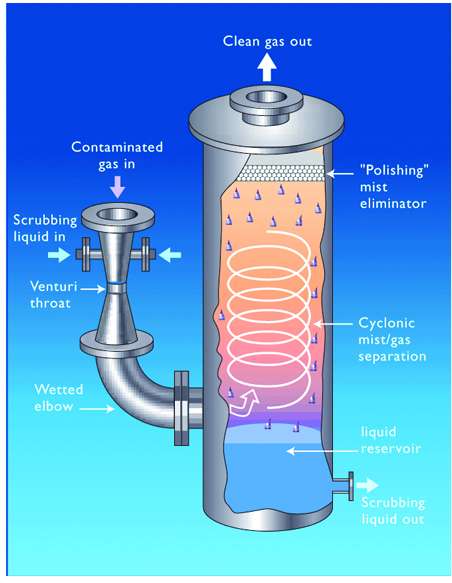
air pollution control device that power plants use to remove particulate matter and gases from their emissions
One challenge with wind farms is that they can kill wildlife like birds and bats. Propose a solution to prevent this.
Don’t place wind farms in migration routes
What are the pros and cons of hydrogen fuel cell technology?
Pro: safest, cleanest, and BEST energy source with no carbon emissions. Cons: expensive, and energy is needed to create hydrogen gas
Not In My Backyard (NIMBY)
This is when people want the benefits but none of the risks, such as with the development of nuclear power plants.
What are the drawbacks of using natural gas for energy?
Methane can escape during extraction, natural gas can contaminate groundwater during the extraction process or transportation process from leaks in the pipes
Which countries have the largest coal reserves?
USA, Russia, China, and India
How do you calculate energy efficiency?
Efficiency = energy out / energy in
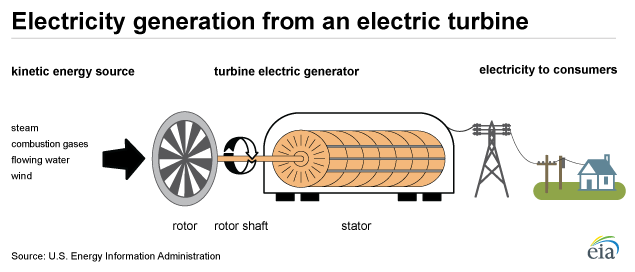
How is electricity generated?
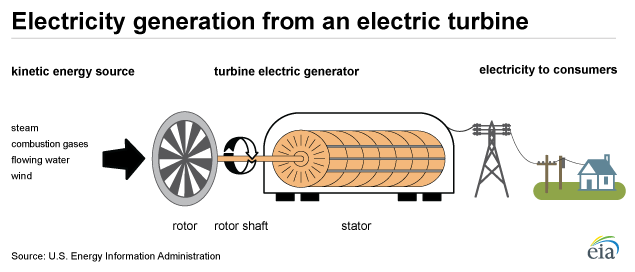
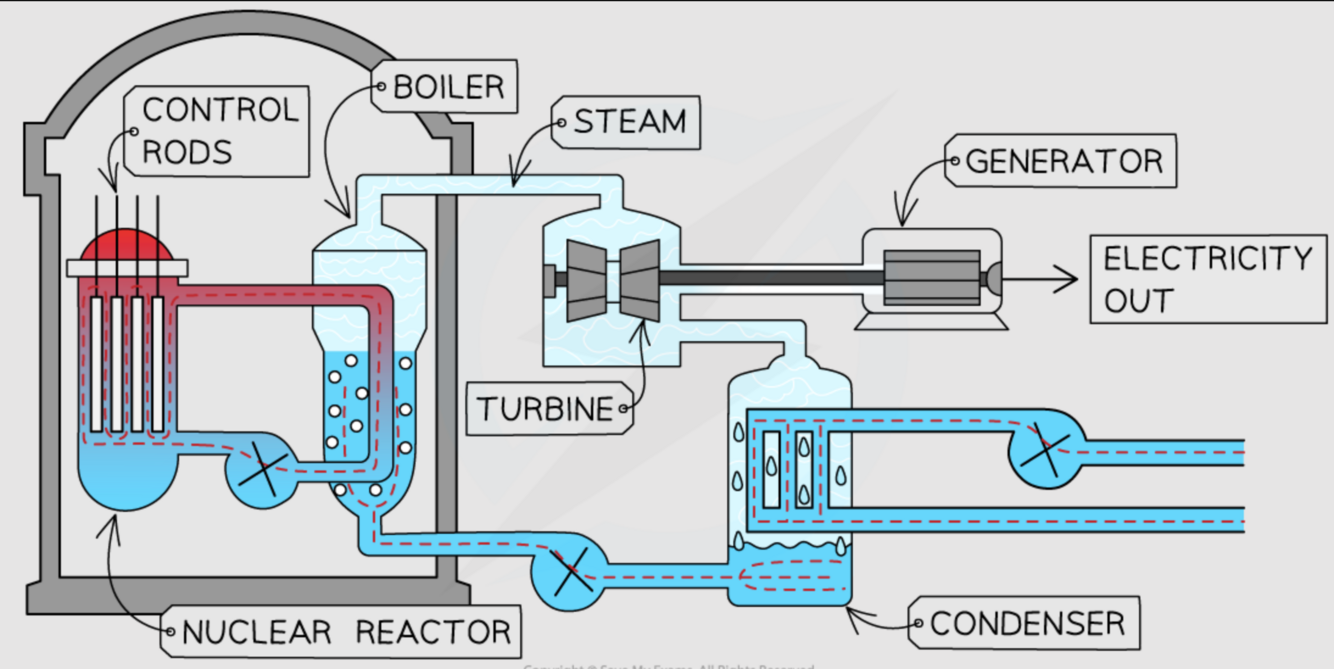
• Fuel is fed into a boiler, in which it is burned to release thermal energy. • Water is piped into the boiler and heated, turning it into steam. • The steam travels at high pressure through a steam line. • The high pressure steam turns a turbine, which spins a shaft. • Inside the generator, the shaft spins a ring of magnets inside coils of copper wire. This creates an electric field, producing electricity. • Electricity is sent to a switchyard, where a transformer increases the voltage,
How do fossil fuel power plants generate electricity?
Fossil fuel plants burn coal, natural gas, or petroleum. These plants use the chemical energy in fossil fuels to superheat water into steam, which drives a steam generator. Fossil fuel plants are sometimes called thermal power plants because they use heat to generate electricity.
How do nuclear power plants generate electricity?
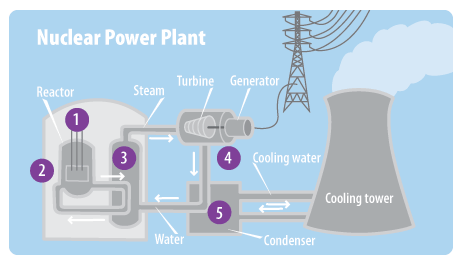
Nuclear plants generate electricity much as fossil fuel plants do, except that the furnace is a reactor and the fuel is uranium. In a nuclear plant, a reactor splits uranium atoms into smaller elements, producing a great amount of heat in the process. The heat is used to superheat water into high-pressure steam, which drives a turbine generator.
How do wind farms generate electricity?
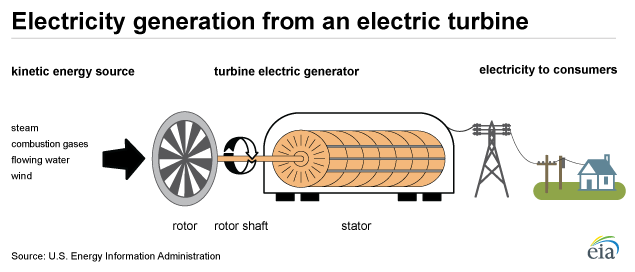
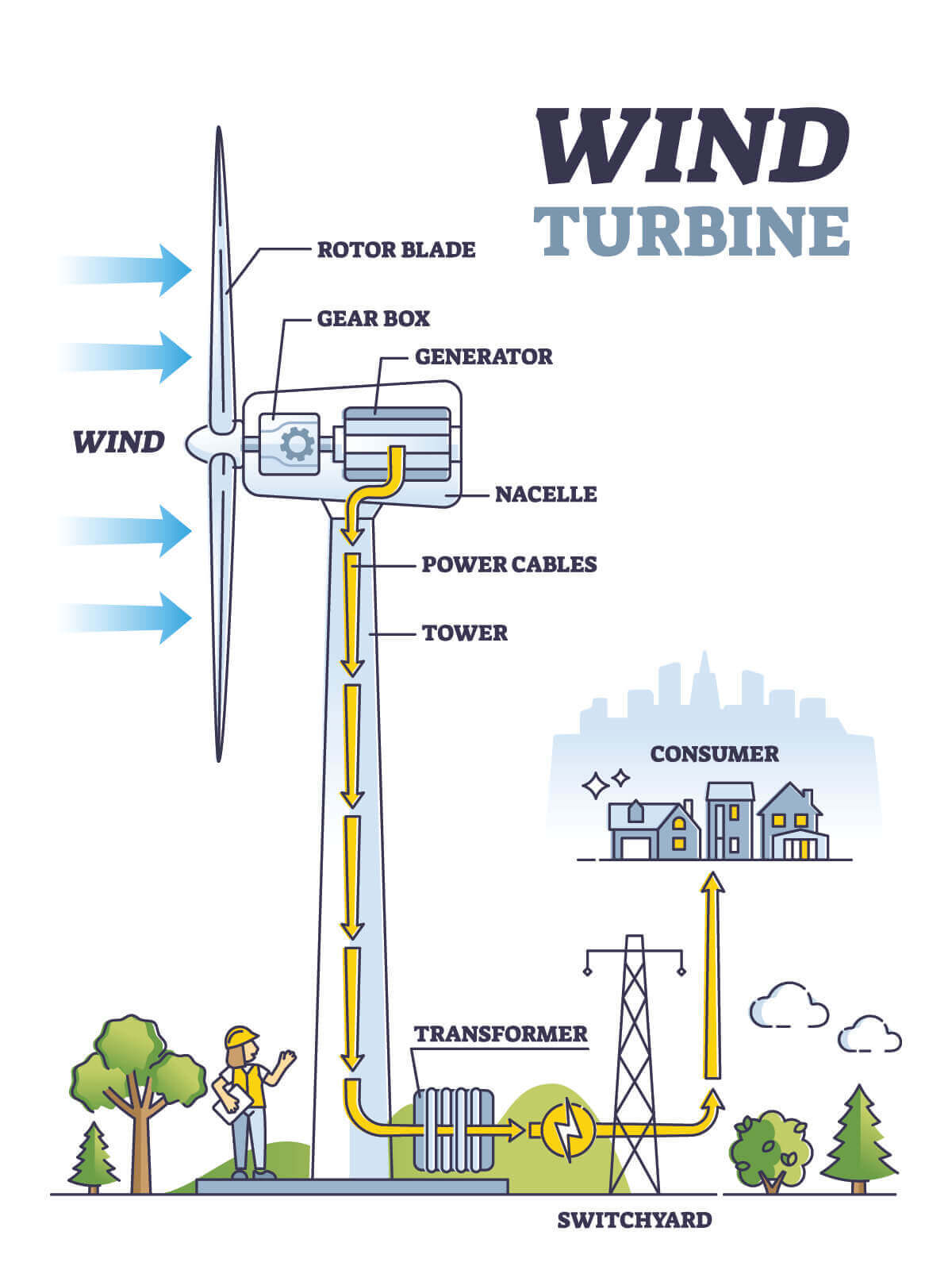
Wind plants or wind farms use the kinetic energy in moving air to generate electricity. Wind turbines are installed in areas of unobstructed, consistent winds over 5 miles per hour. Turbine blades move in the wind and spin a generator to generate electricity. Wind farms are best sited for highest output on coastlines, in open plains, at higher elevations, and in deep water.
Energy conservation
Energy conservation includes any behavior that results in the use of less energy
Energy efficiency
Energy efficiency involves the use of technology that requires less energy to perform the same function.
Second Law of Thermodynamics
As energy is transformed, some is lost to heat energy
Carbon neutral
An activity that does not change atmospheric CO2 concentrations
Cogeneration
The use of a fuel to both generate electricity and deliver heat to a building or industrial processes
British thermal unit (Btu)
Amount of energy it takes to heat 1 pound of water 1oF. 1 Btu = 1,055 J