NMR
No description yet. This curated deck is ready for daily study.
Card preview (10)
• What is the number of carbon environments?
• In any organic molecule, the different carbon atoms are not necessarily equivalent to each other • This is because they can have different amounts of electron density around each atom • The electron density AROUND A CARBON is determined by its proximity TO other carbons, electronegative atoms, or functional groups • Each carbon which has a different amount of electron density around it is said to be in a different environment
• How many carbon environments? (Ethanol)
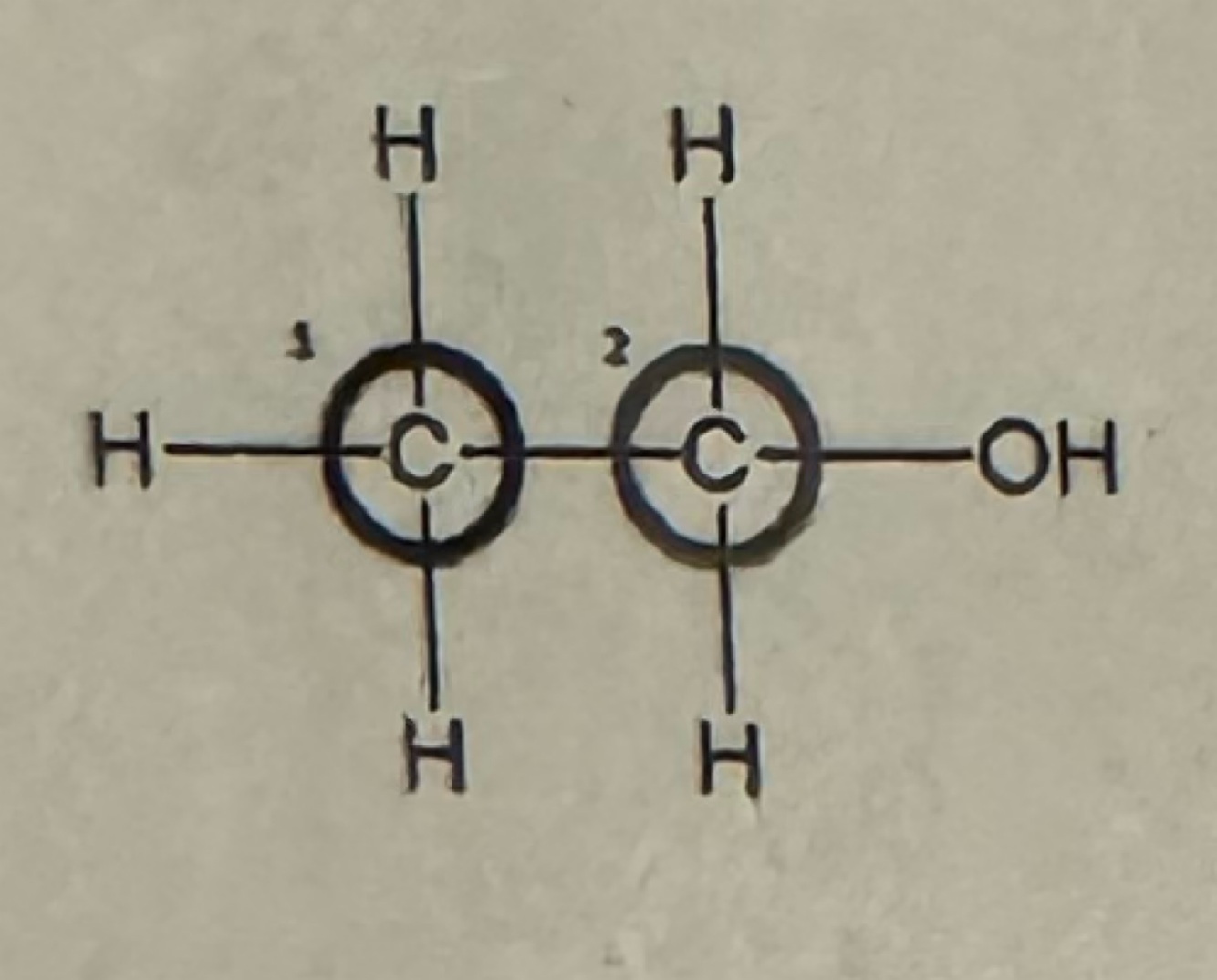
• Ethanol has 2 different carbon environments • Carbon 2 is bonded directly to an oxygen and will have a slightly lower electron density than carbon 1
• How many carbon environments? (Propan-1-ol)
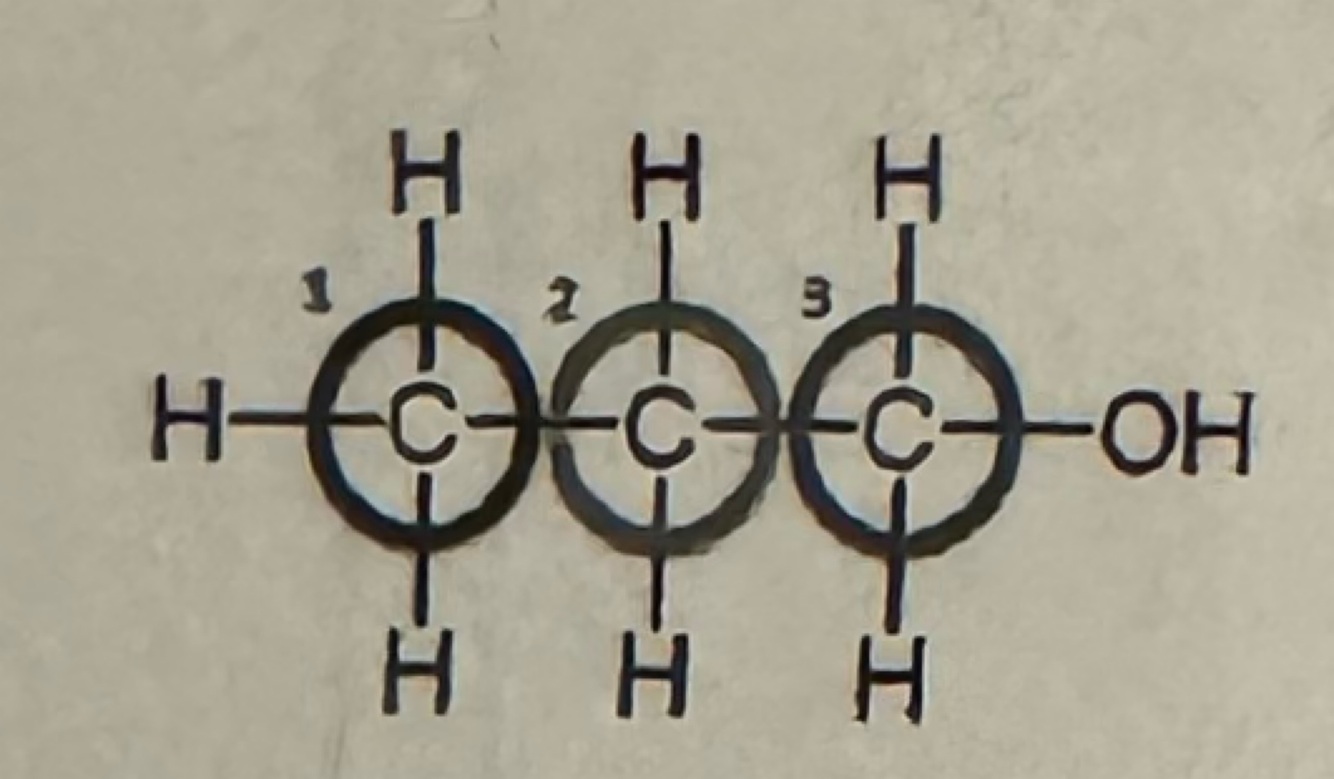
• Propan-1-ol has 3 different carbon environments • Carbon 3 is bonded to an oxygen and will have a lower electron density • Carbon 2 is bonded to 2 carbons, and carbon 1 is only bonded to one other carbon • As such they are all in different carbon environments
• How many carbon environments? (Ethylethanoate)
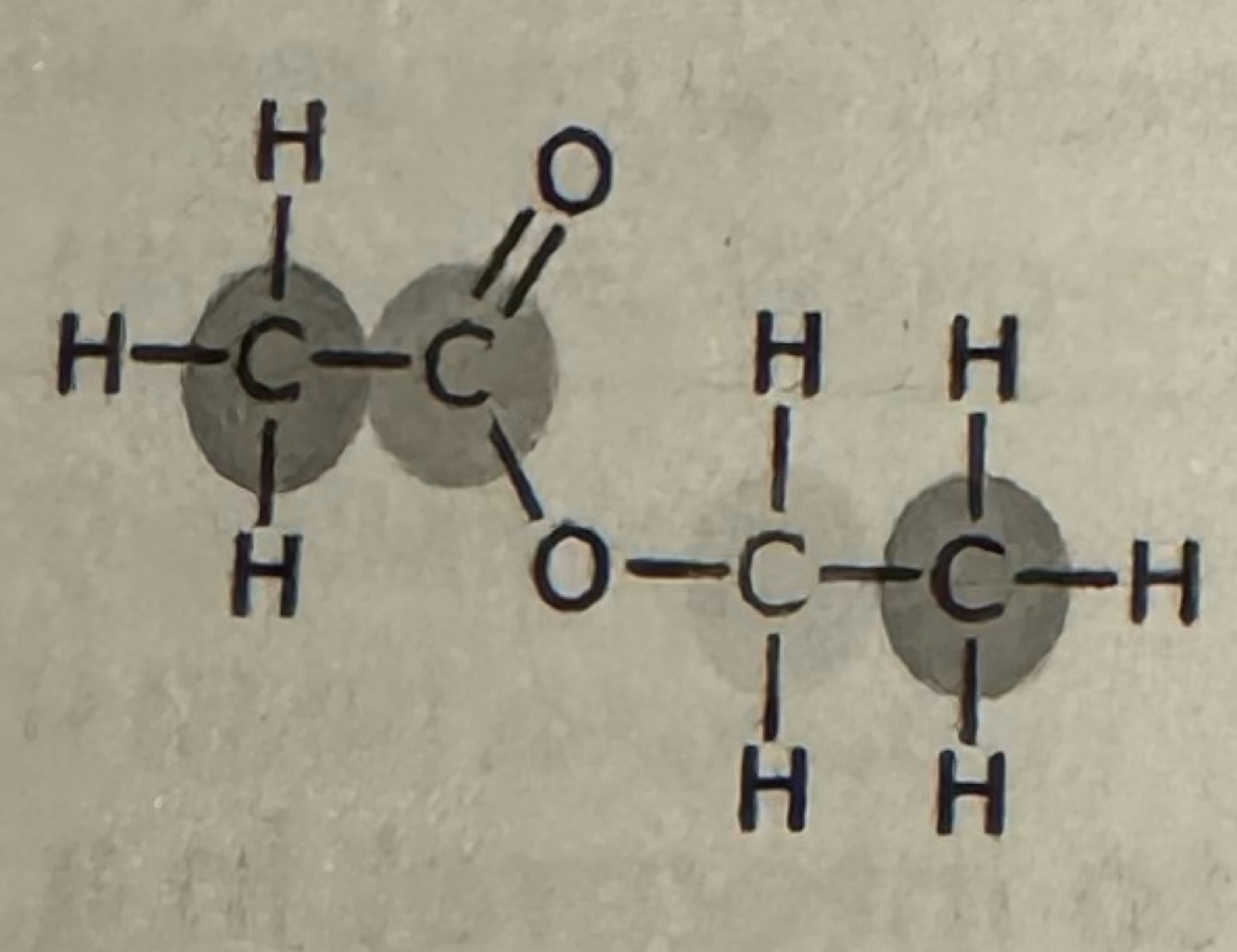
• Ethylethanoate has 4 different carbon atoms, and each are in their own environment
• How many carbon environments? (Butane)
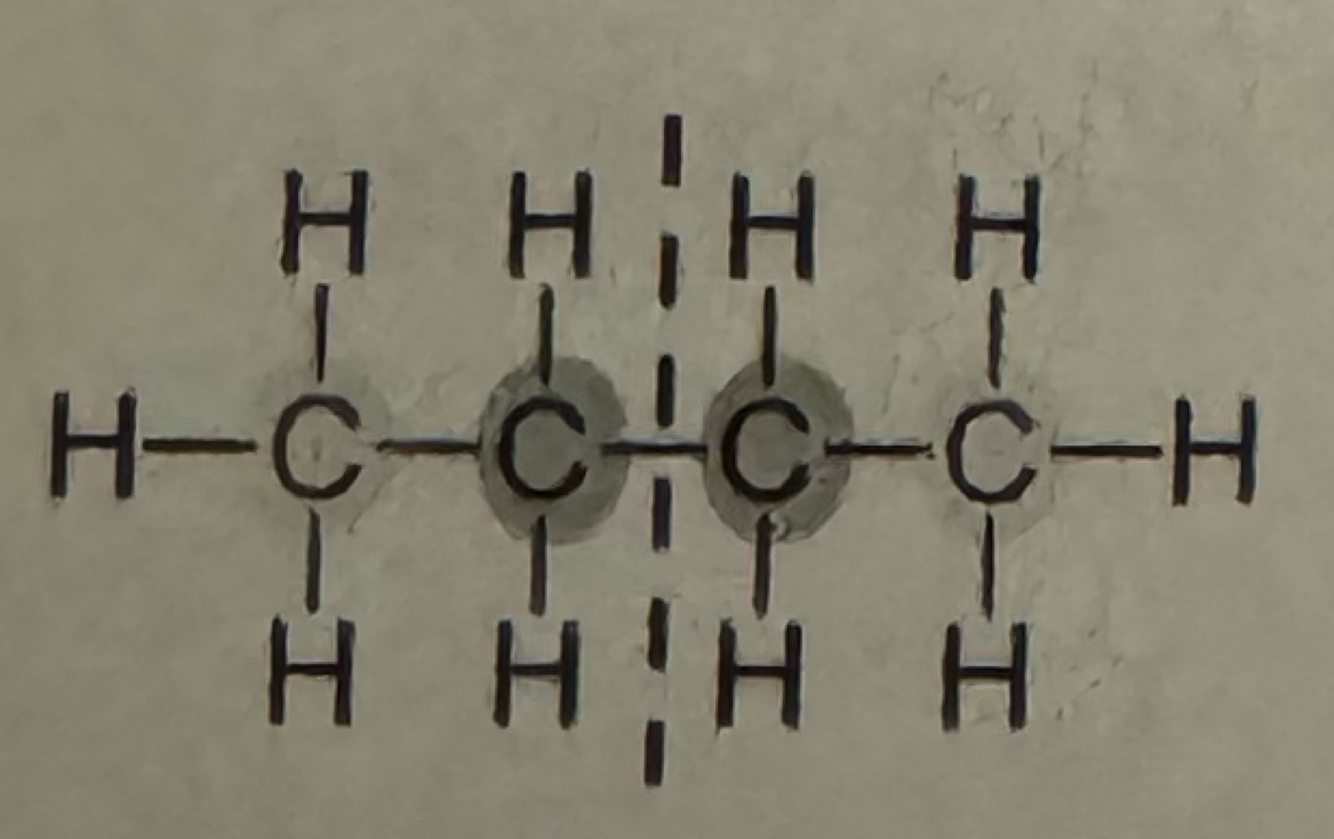
• Butane has 4 carbon atoms, but 2 different carbon environments • The 2 on either end of the molecule are in one environment, and the 2 in the centre are in a different environment
• What is Tetra Methyl Silane?
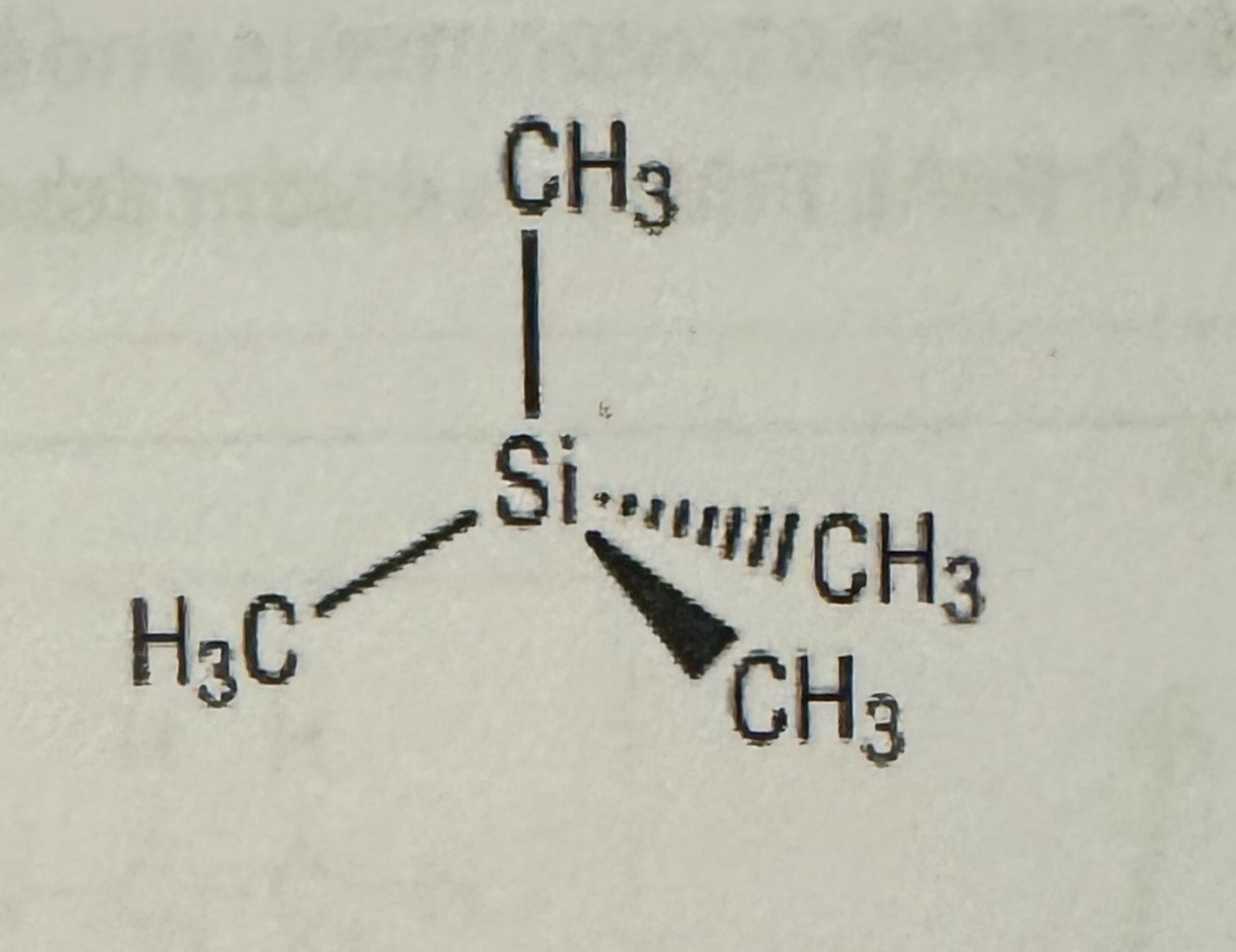
• TMS is used as a reference standard for chemical shifts • A few drops of TMS are added to the compound to be analysed by the spectrometer • All peaks generated by the sample have a chemical shifts relative to the peak caused by TMS at 0ppm
• Why is TMS used as a standard?
• It generates one sharp peak • It is unreactive so won’t affect the sample being analysed • It is highly volatile, this means it can be removed from the sample being tested after the analysis fairly easily • Peak always found on the far right of the spectrum
• What is the molecular formula of TMS?
• C4H12Si
• Solvents used in NMR spectra
• Deuterium is an isotope of hydrogen with a mass number of 2 (it has one proton and one neutron in the nucleus) • For this reason it doesn’t create a peak in an NMR spectrum • This means any solvent where H has been replaced by D could be used
• What are examples of deuterated solvents?
• Deuterated Trichloromethane: CDCl3 - for polar samples • Deuterated Benzene: C6D6 - for non polar samples • Alternatively, solvent molecules with no hydrogen atoms to start with could be used like tetrachloromethane: CCl4