Cellular Essentials and Aqueous Environment of the cell
No description yet. This curated deck is ready for daily study.
Card preview (24)
What are the 5 tenets of Modern Cell Theory?
• Cells make up all living matter. • All cells arise from other cells. • Chemical reactions of cells, anabolism and catabolism take place inside the cell. (Energy flow occurs within cells) • The cell is the fundamental unit of life. • The cell is the smallest functional unit that an organism can be divided into and retain the characteristics of life.
What are the features of the Protoplasm?
• Refers to living part of cell • Composed of lipids, proteins, water, electrolytes and carbs • It is the cytosol + organelles except nucleus Two distinct regions: * Nucleoplasm: nuclear components * Cytosplasm: cytoplasmic components - Water, Inorganic/Organic chemicals - Cytosol Cytosol - Membrane-bound organelles - Cytotoskeletal structures - filaments + tubules (structural integrity and locomotion). - Inclusions: non-living, membrane-less substances within cells, like stored nutrients (glycogen, lipids), pigments (melanin), or viral particles (products of metabolism), pigments.
What are the two main types of Cells?
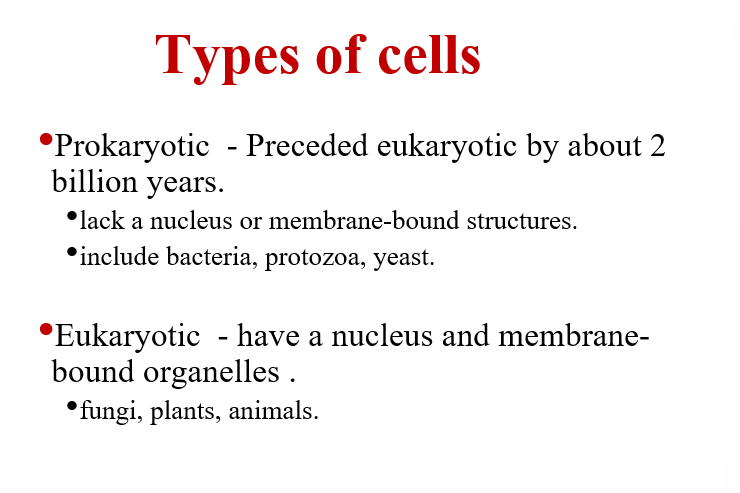
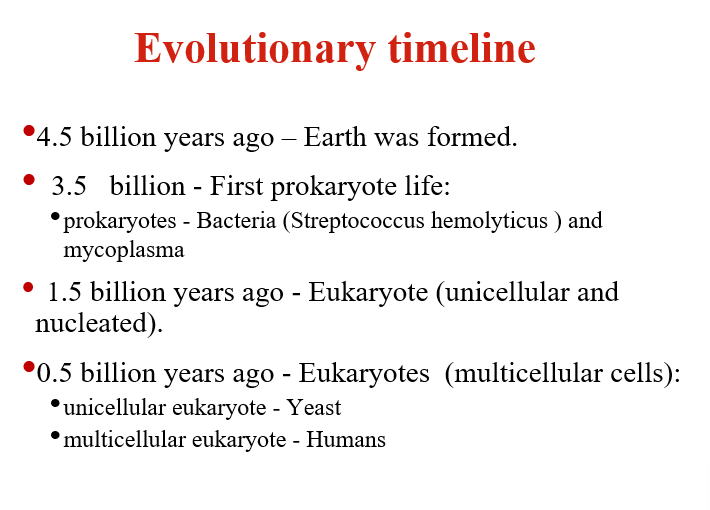
What is the evolutionary timeline for the different cells?
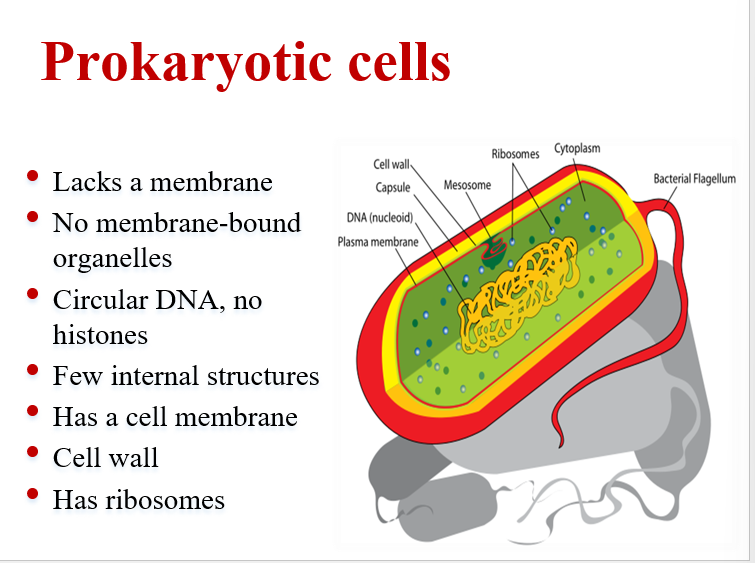
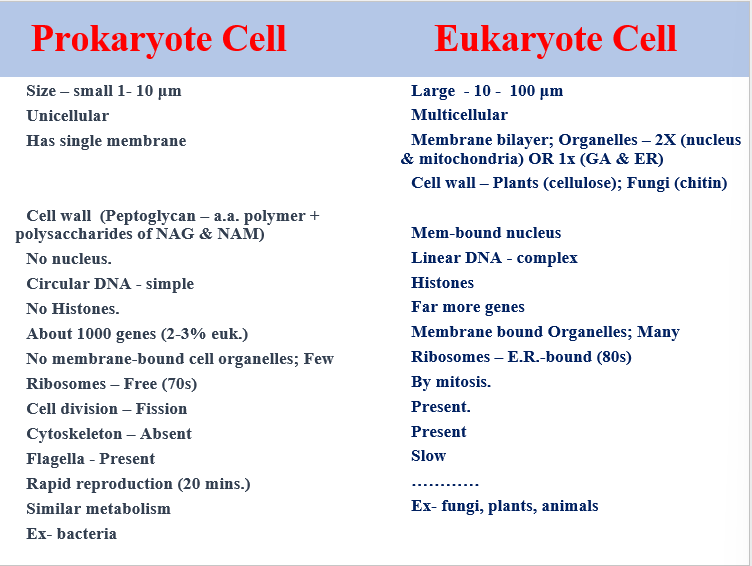
Features of Prokaryotic Cells
Features of Eukaryotic Cells
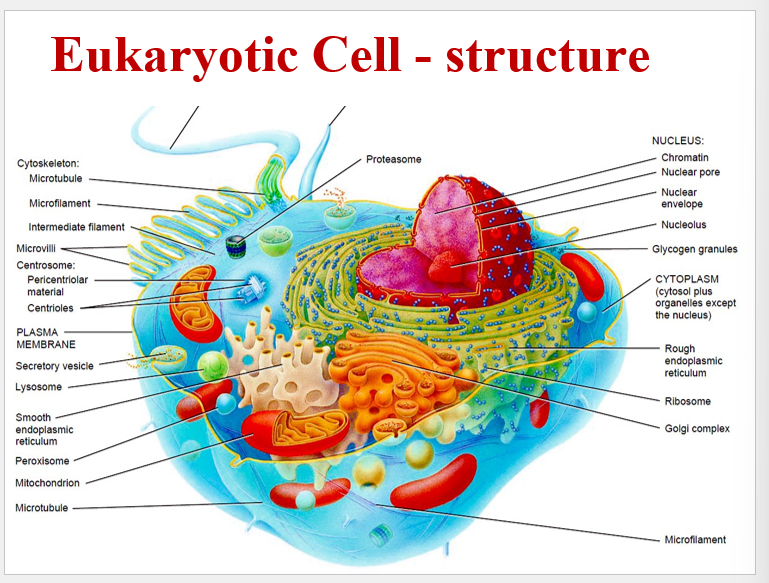
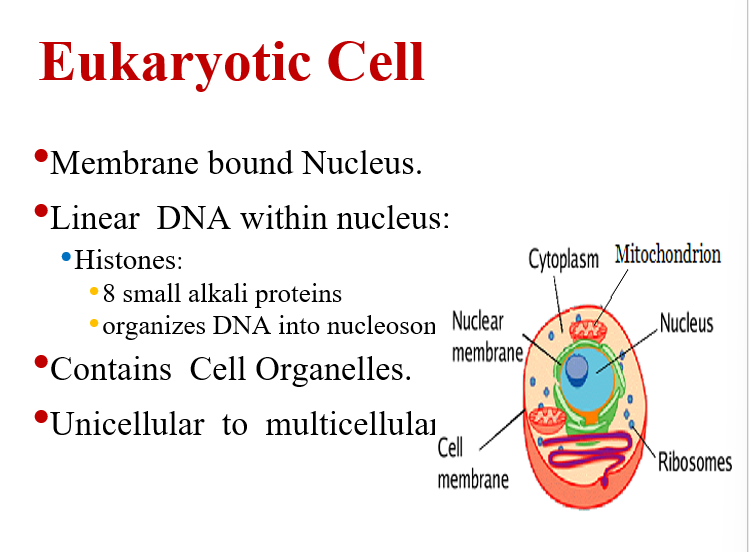
Compare the Prokaryotic and Eukaryotic Cell
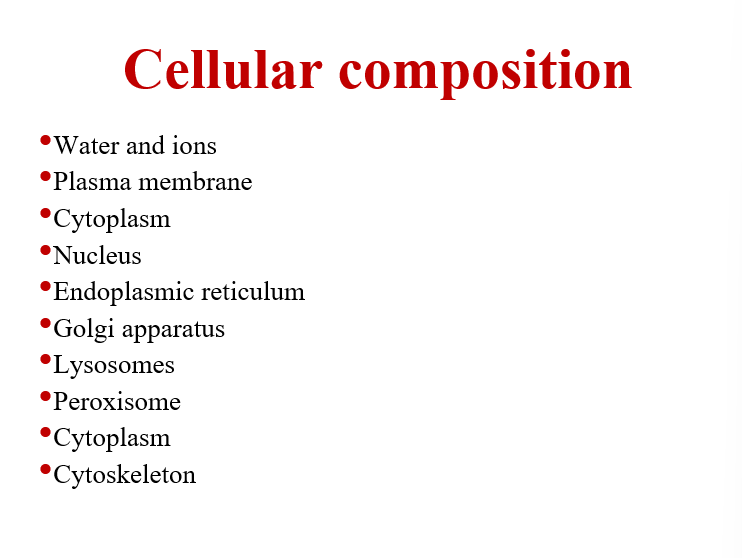
What are the main components of a cell?
What is the general water distribution of water in the body?
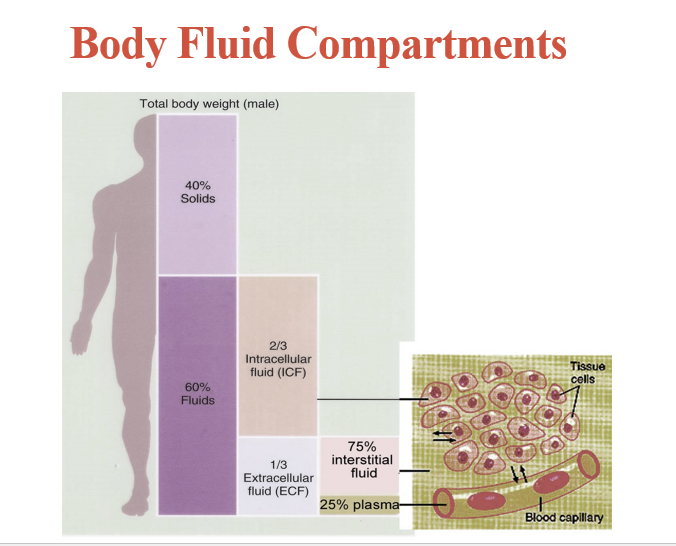
Water is the main body weight contiutent: Total Body Water (TBW): 45%-75% * In premature live births the body water % is higher than term babies possibly due to an inability to concentrate urine. • In newborns: TBW is predominantly in the extracellular fluid (ECF) (50%) • ECF = 1/3 TBW in adults.
Describe the differnces in water distribution between Infants and Adults
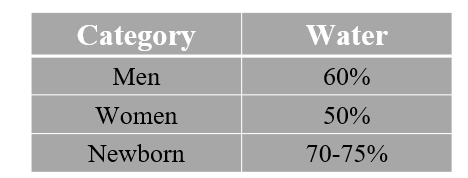
Infants: 75%-80% of their body weight is water. Adult females and the elderly: 50% of their body weight is water. • The postnatal reduction of water% of body weight most pronounced during 1st 6mths. • 6mths -11yrs: 63% to 53% of Body weight is water. • General decrease in water% of body weight as the person ages. • Muscles degrade in the elderly releasing water. Their fat cells cannot hold water like muscle, so thieir body water content decreases.
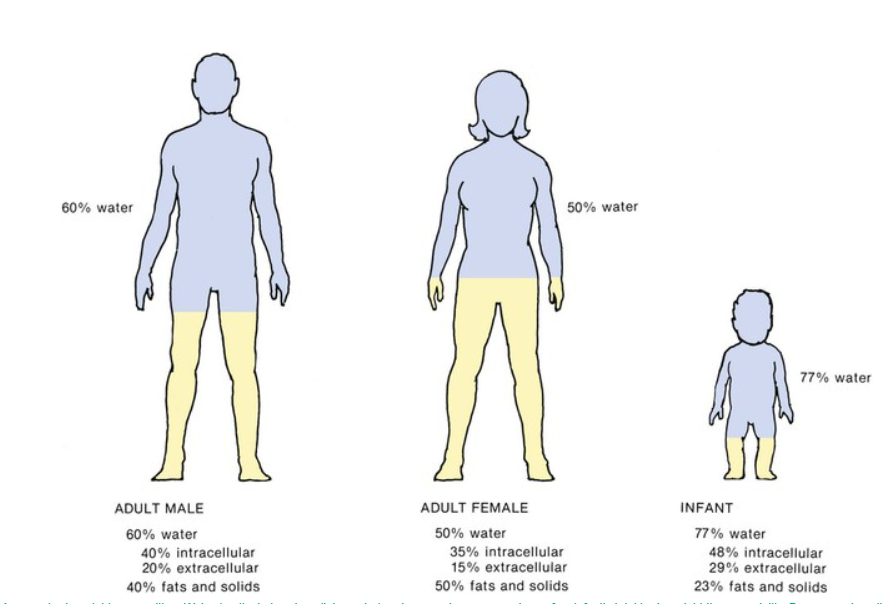
What are the reasons for the Neonatal differences in water% of total body weight?
• Greater surface area: volume ratio than adults. • Kidneys underdeveloped so: unable to concentrate urine and rudimentary Loop of Henle & counter-current exchange mechanisms. • Higher metabolic rates
Talk about Gains + Losses of Water
• 100mL of H20/100 calories metabolised. • 1000 calories : 1000mL H20 for efficient excretion. Fever: 12% rise in metabolism per 1C rise in body temp: - Increase H20 loss - increase in rate of respiration (oxygen metabolism). Fluid requirements driven by metabolic rate: - Oral intake is main source of gain. - Metabolism (oxidative phosphorylation) produces 150mL-300mL. - Parenteral administration • Majority of H20 loss via kidneys: • Smaller water loss via skin (evaporation) and GI tract (faeces) more during vomitting and diarrhea. • Increased respiratory rate uses more water. • Sensible/perceptible water loss: sweat/urine • Insensible/imperceptible water loss: evaporation from skin and alveoli.
What are the three main flid compartments?
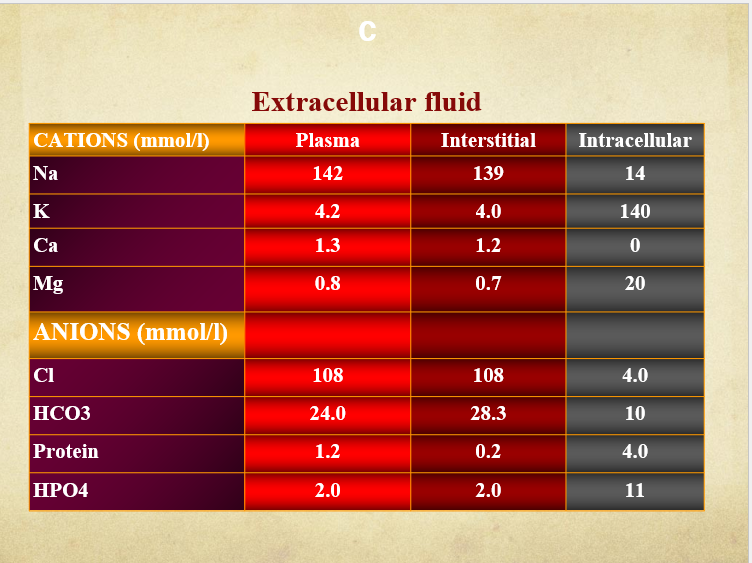
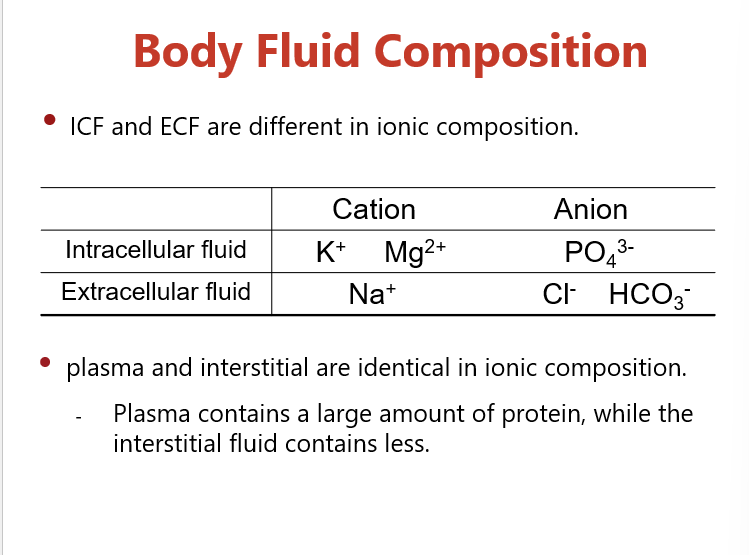
• Intracellular: fluid in cells contained by selectively permeable membrane (27L -40% of body weight). Includes RBCs • Extracellular - 15L (20% body weight) divided into: a. Extracellular Interstitial - fluid surrounding & bathing cells 12L (15% body weight). b. Extracellular intravascular - fluid outside of cells but within vessels - plasma (3L-5%). • Transcellular fluid: not within cells but separated from plasma and interstitium by cell barriers: CSF, peritoneal fluid, synovial and pleural fluids, pericardial fluid. They vary in electrolyte composition.
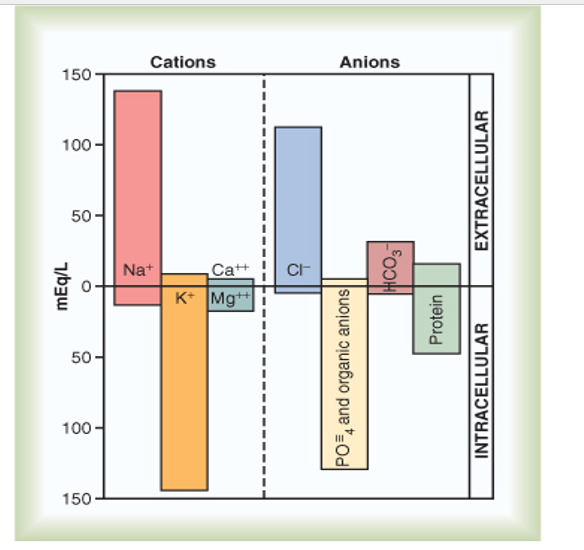
Body Fluid Compartments and Body Fluid Composition Picture
Describe the Plamsa membrane
Describe the properties of the plasma membrane
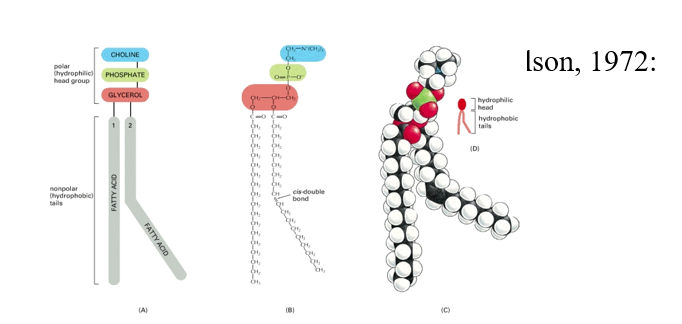
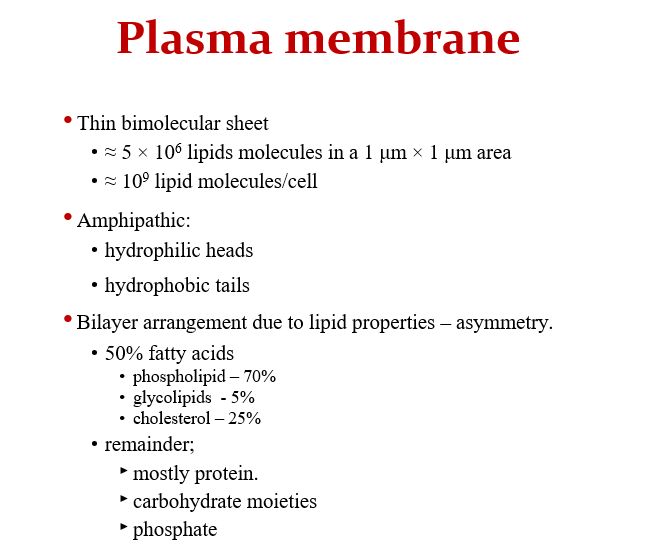
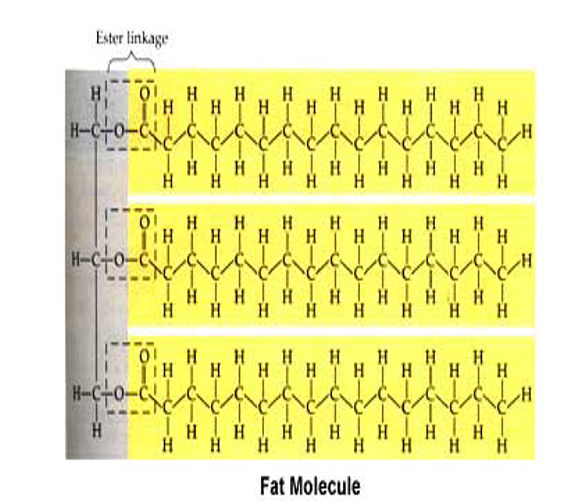
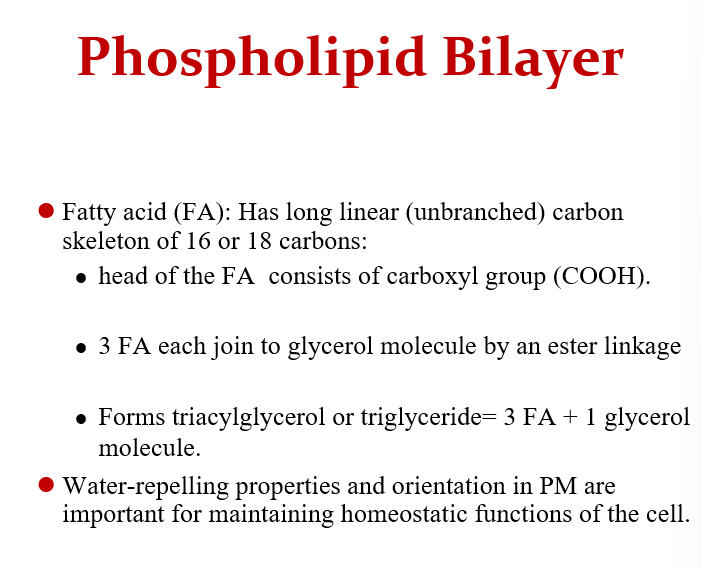
Describe the Fatty Acids in the Phospholipid Bilayer
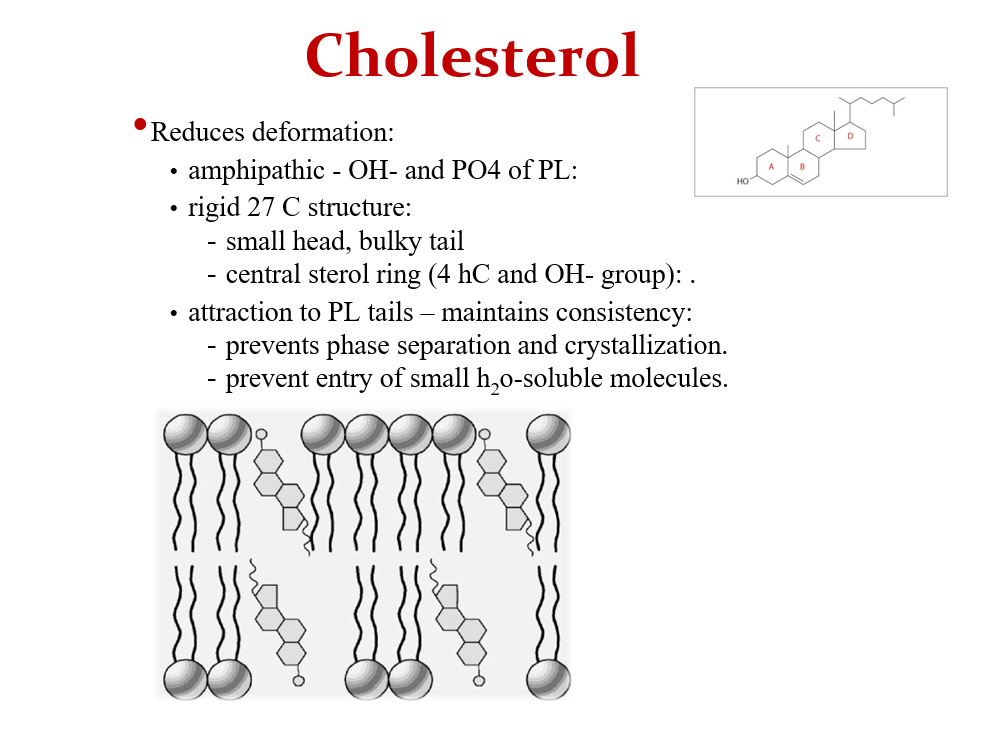
Describe Cholesterol
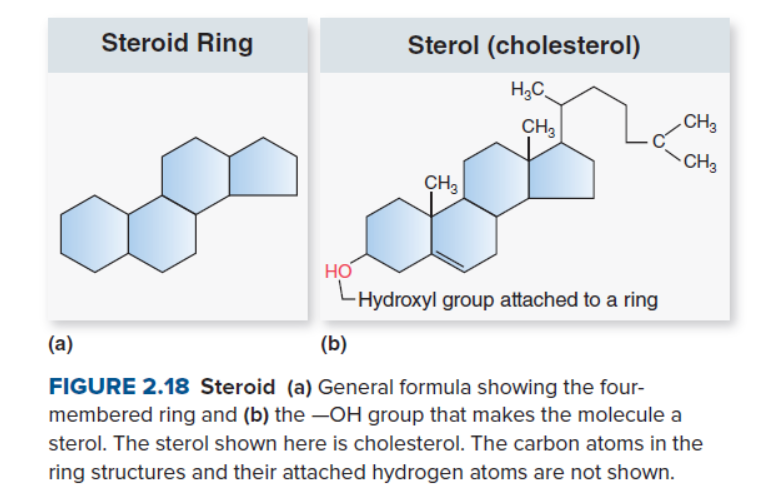
Central sterol ring: a rigid, four-fused hydrocarbon ring system (three six-carbon rings and one five-carbon ring)
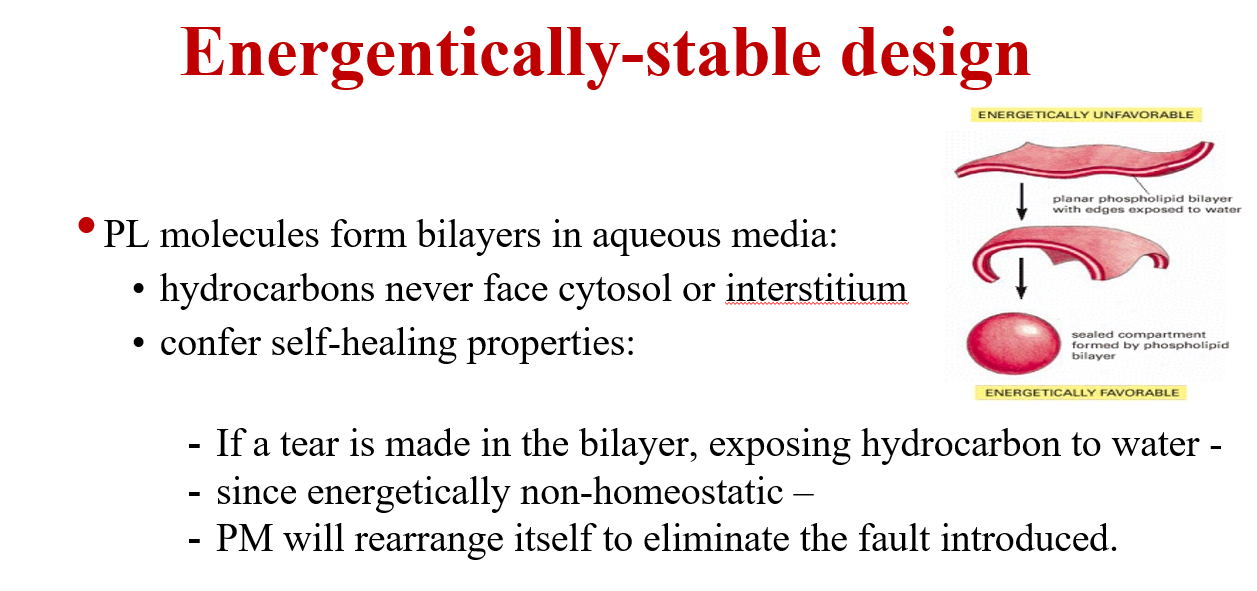
The Energetically-stable design of the phospholipid membrane
The round structure of the Phospholipid membrane is energetically favourable as it minimises reactions between the phopsholipds and the water molecules, leaving the system with more free energy (none used up in repulsions).
Talk about Carbohydrates in the membrane
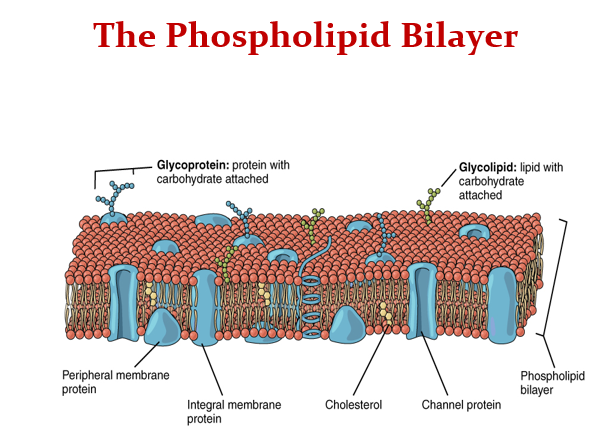
Membrane carbohydrates are usually branched: * Oligosaccharides: fewer than 15 sugar units. * Glycolipids - some covalently bonded to lipids. * Glycoproteins - mostly bonded to proteins. Cell-suface carbohydrates: * At end of proteins or lipids. * Act as cell-specific markers;receptors. * Vary among species and cell lineage.
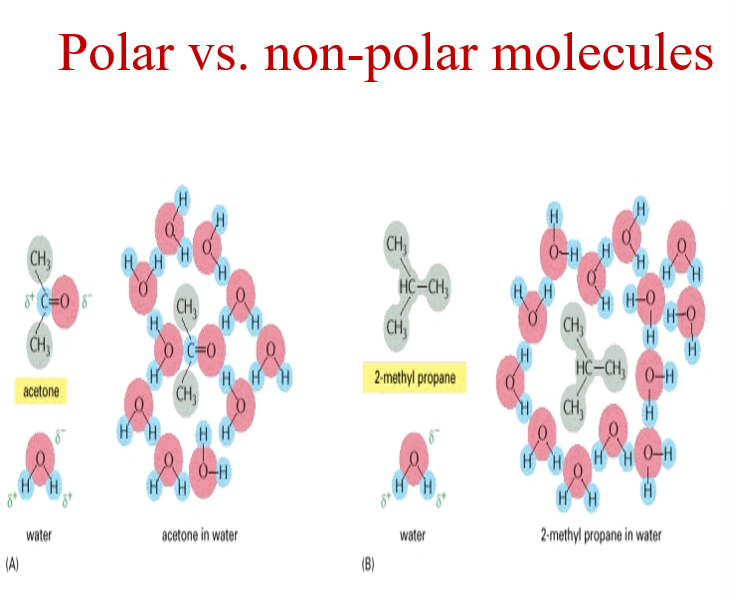
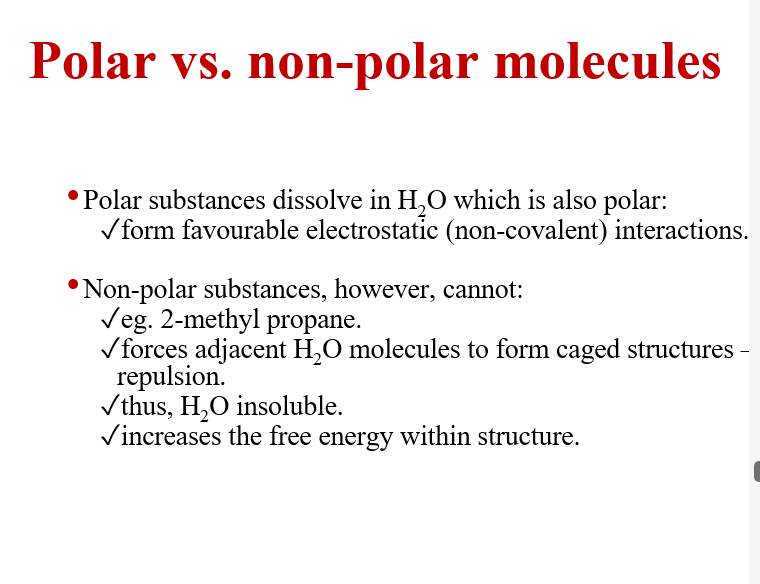
Polar vs Non-polar molecules
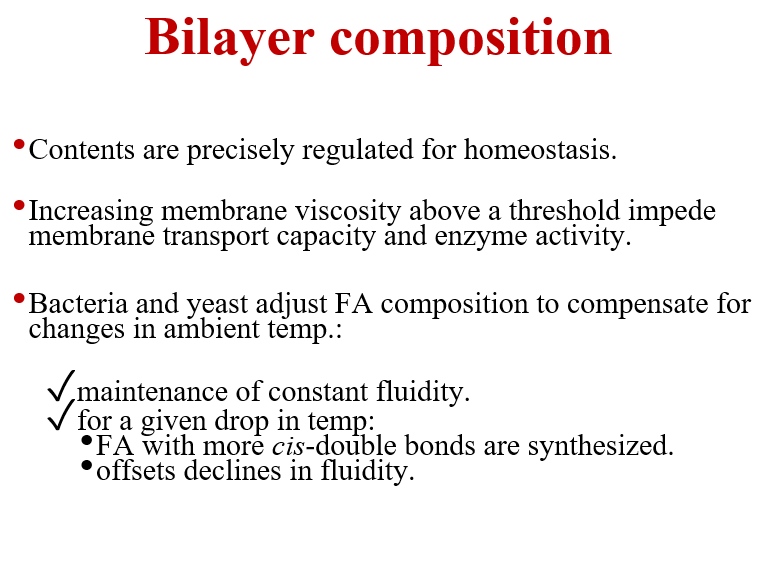
Talk about the general Bilayer composition
Cis double bonds prevent fatty acids from grouping together so maintains membrane fluidity.
How does Temperature influence membrane composition?
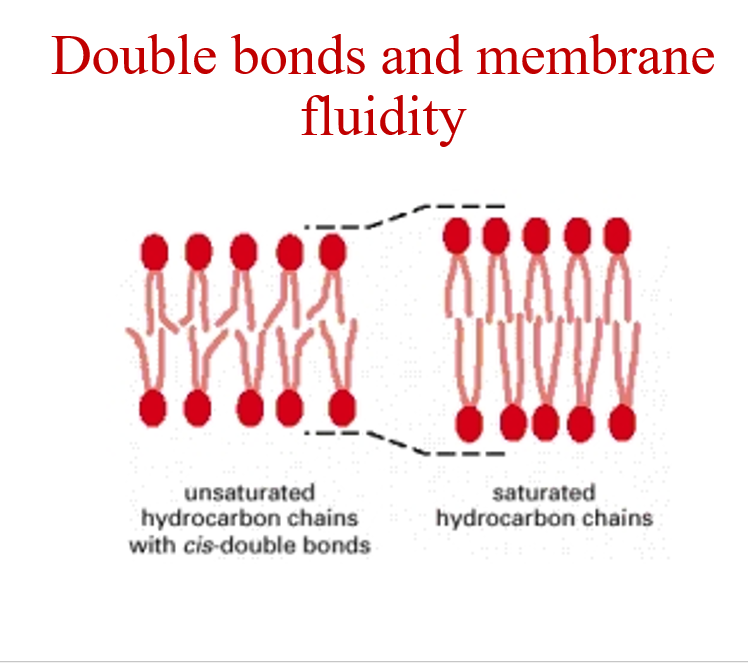
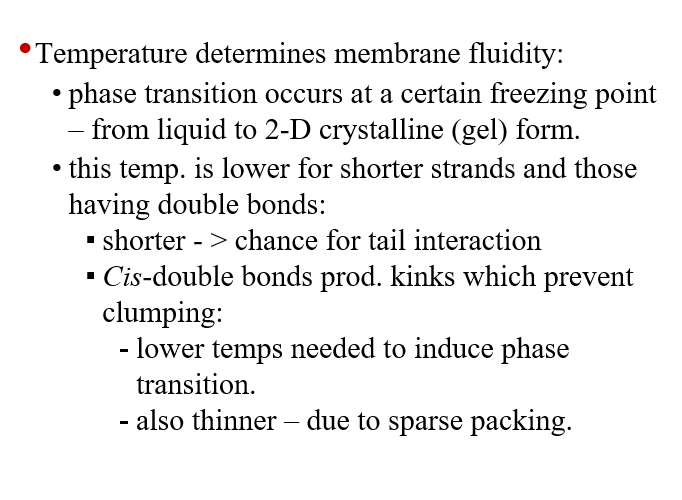
Shorter tails = less Van der Waals forces and less aggregation
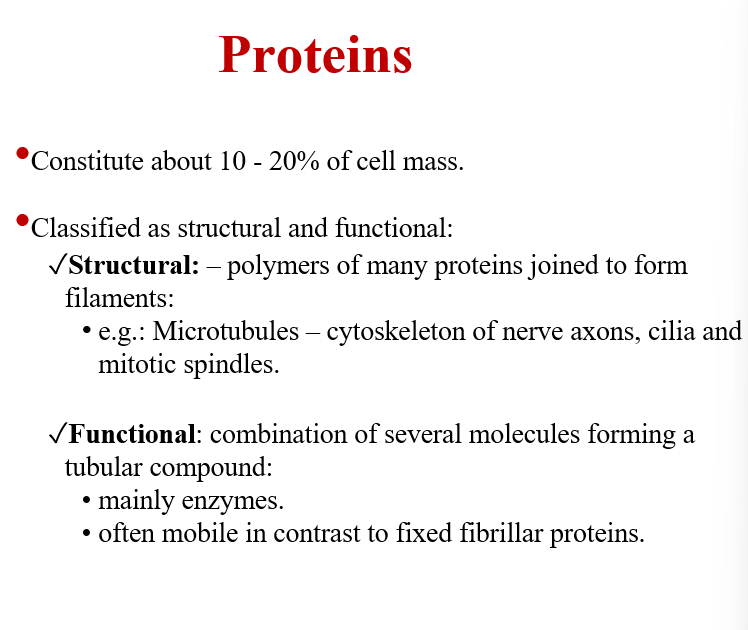
What are the two main types of proteins in cells?