17B: Carbonyl compounds
No description yet. This curated deck is ready for daily study.
Card preview (22)
Identify the functional group.
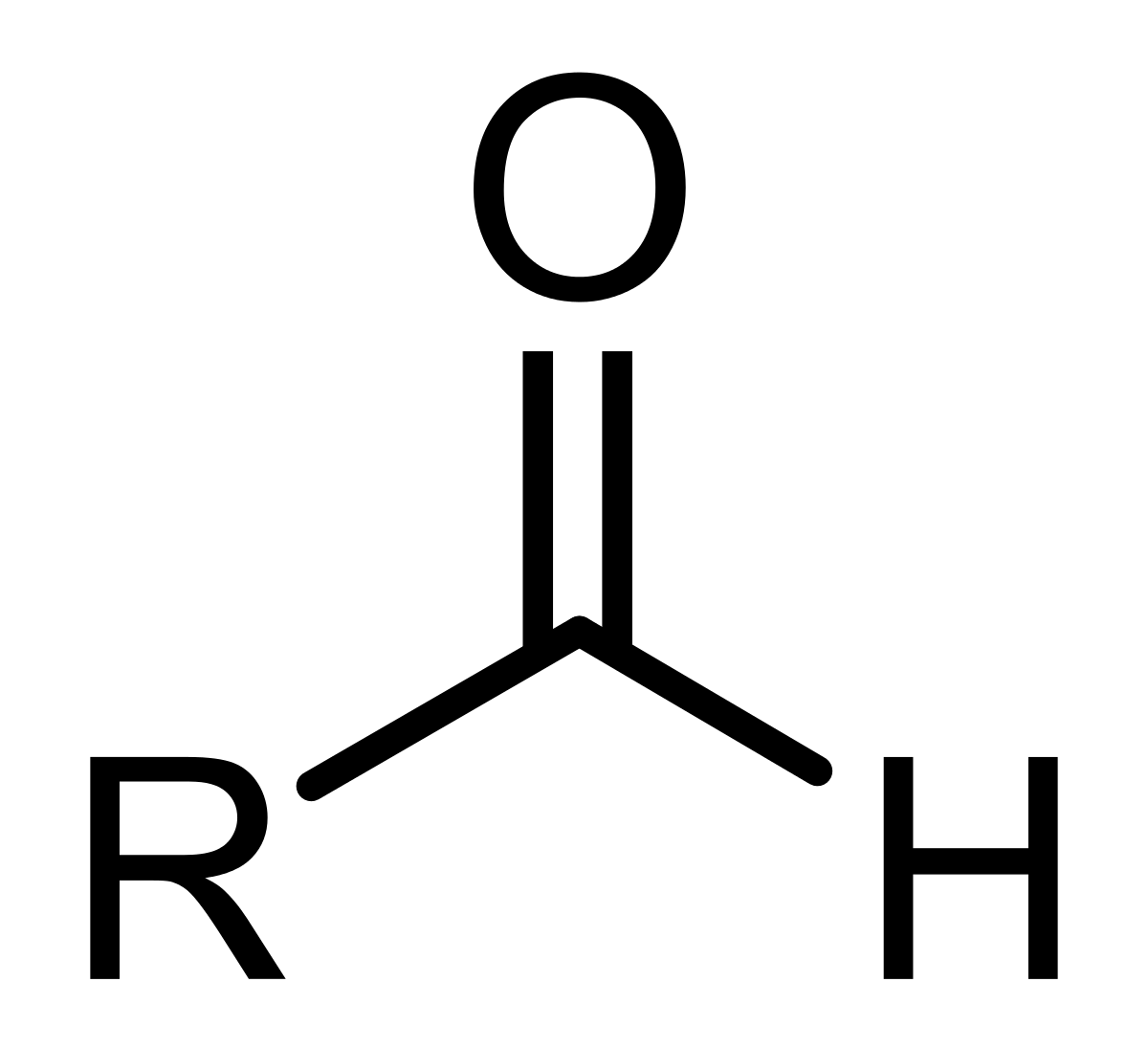
Aldehyde
Identify the functional group.
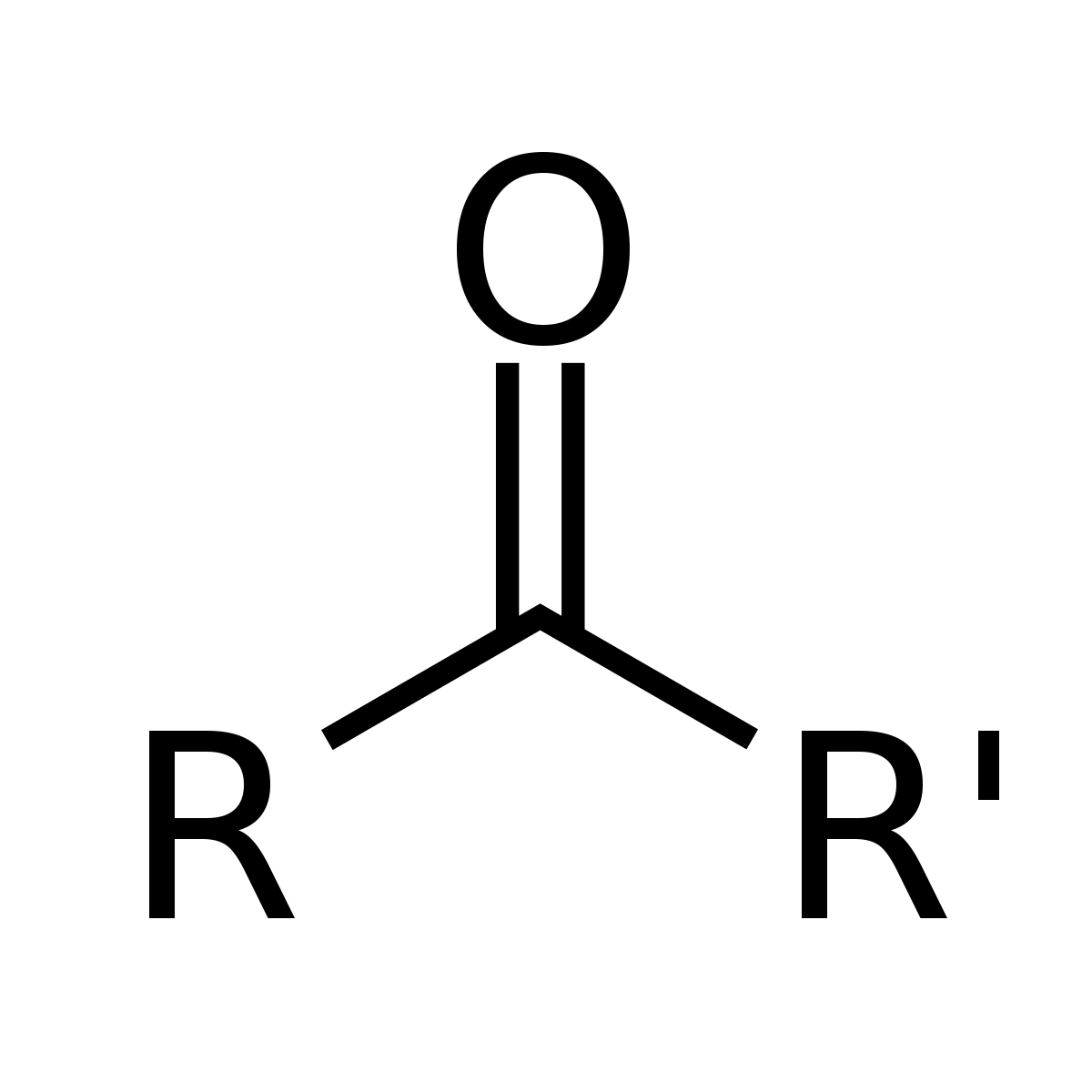
Ketone
Describe the intermolecular forces in aldehydes and ketones
London forces, Permanent dipole - dipole forces
Explain the solubility of aldehydes and ketones.
Soluble, because they can form hydrogen bonds with water.
Reaction of carbonyls with Fehling’s or Benedict’s solution: Observation from aldehydes, Observation from ketones, Product.
Aldehyde: red precipitate forms, Ketone: solution stays blue, Aldehyde -> Carboxylate ion.
Give the equation for the reaction of carbonyls with Fehling’s or Benedicts solution.
Aldehyde + [O] + OH- -> carboxylate ion + H2O
Reaction of carbonyls with Tollen’s reagent: Observation from aldehydes, Observation from ketones, Product.
Aldehyde: silver mirror forms, Ketone: no silver mirror, Aldehyde -> Carboxylate ion.
Give the equation for the reaction of carbonyls with Tollen’s reagent.
Aldehyde + [O] + OH- -> carboxylate ion + H2O
Describe the reactions Aldehyde -> Carboxylate ion
Warm with Fehling’s or Benedict’s solution, red precipitate forms. or Warm with Tollen’s reagent, silver mirror forms.
Reaction of carbonyls with acidified dichromate(VI) ions: Observation from aldehydes, Observation from ketones, Product.
Aldehydes: orange -> green, Ketones: stays orange, Aldehyde -> carboxylic acid.
Describe the reaction Aldehyde -> Carboxylic acid
Warm with potassium dichromate in sulfuric acid, Colour change orange -> green
Reaction of carbonyls with lithium tetrahydridoaluminate: Condition, Product.
In dry ether, Alcohol.
Give the equation for the reaction of carbonyls with lithium tetrahydridoaluminate.
Carbonyl + 2[H] -> Alcohol
Describe the reaction: Carbonyl -> Alcohol
React with LiAlH4 in dry ether.
Reaction of carbonyls with HCN: Condition, Type of reaction, Purpose, Observation, Product.
In the presence of KCN, Nucleophilic addition, Increases chain length, No optical activity (racemic mix), Hydroxynitrile.
Give the equation for the reaction of carbonyls with HCN in the presence of KCN.
Carbonyl + HCN -> hydroxynitrile
Describe the reaction Carbonyl -> Hydroxynitrile
React with HCN in the presence of KCN, Nucleophilic addition reaction, Increases chain length.
Describe the test for carbonyl groups.
React with 2,4-DNPH, - Orange precipitate forms
Describe the test to identify a carbonyl compound given data for the melting temperatures of derivatives.
React with 2,4-DNPH, Purify orange precipitate by filtration and recrystallisation, Measure the melting point and compare with database.
Reaction of carbonyls with iodine: Condition, Test for, Observation, Product.
In alkali. Methyl ketones, ethanal or methyl alcohol, Pale yellow precipitate, Iodoform.
Give the equation for the reaction of carbonyls with iodine in the presence of alkali.
RCOCH3 + 3I2 + 4NaOH -> CHI3 + 3NaI + RCOONa + 3H2O
Describe the reaction Methyl ketone, ethanal or methyl alcohol -> iodoform
Warm with iodone in alkali, Pale yellow precipitate forms.