Unit 1 Bonding
No description yet. This curated deck is ready for daily study.
Card preview (24)
What group do noble gases belong to
Group 0
What does noble gases have that other atoms don’t
Full outer energy levels
How to other atoms make full energy levels
They must join with other elements to form compounds and reach a stable electron arrangement like the noble gases have
What is a molecule
It’s when two or more non-metals form a covalent molecule
What’s is a covalent bond
A covalent bond is the attraction of two positive nuclei for a shared pair of electrons
What is a diatomic element
A diatomic element is 2 atoms bonded together through covalent bonding
What are the 7 diatomic element
H, N, O, F, Cl, Br, I (Have No Fear Of Ice Cold Beer)
What is this shape called?
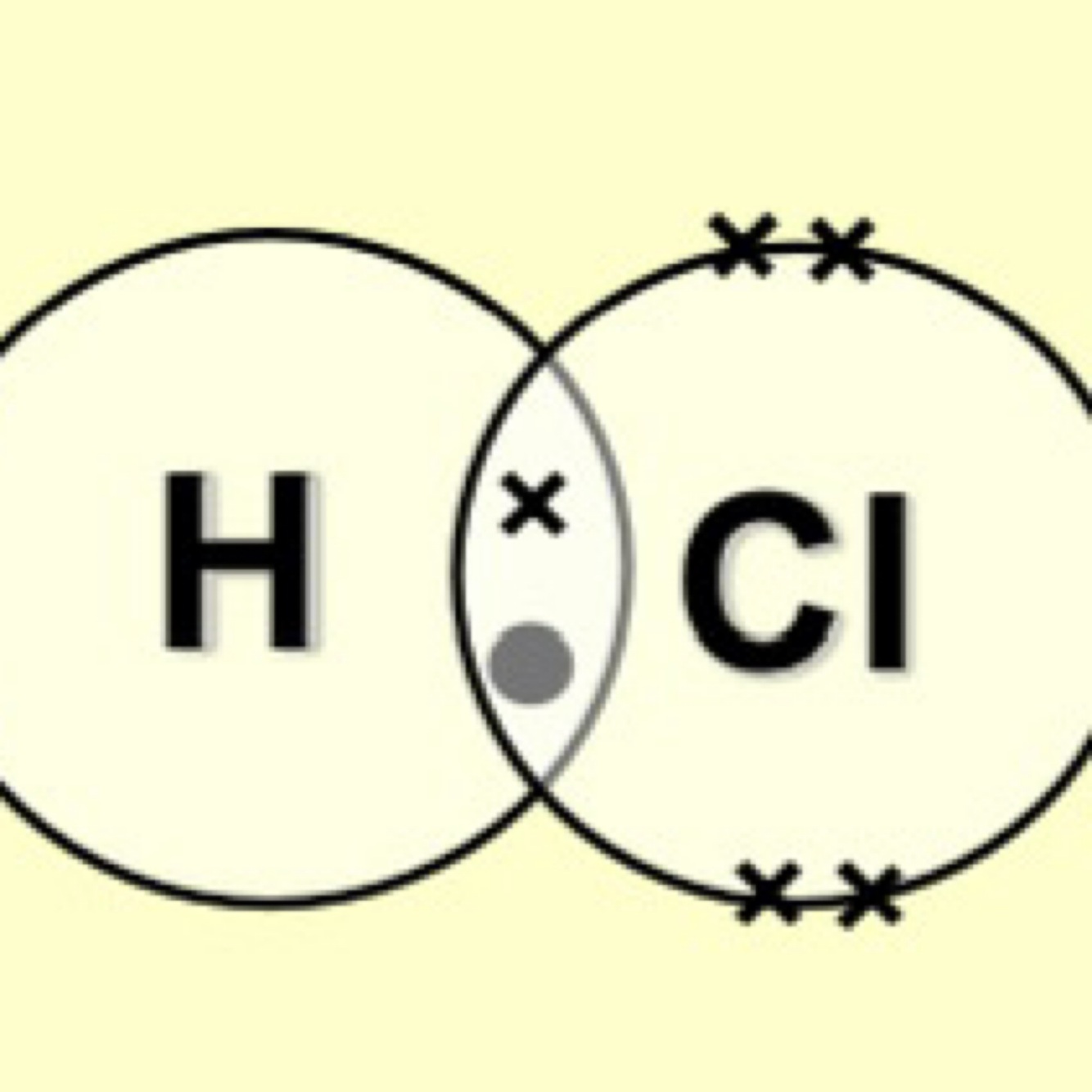
Linear
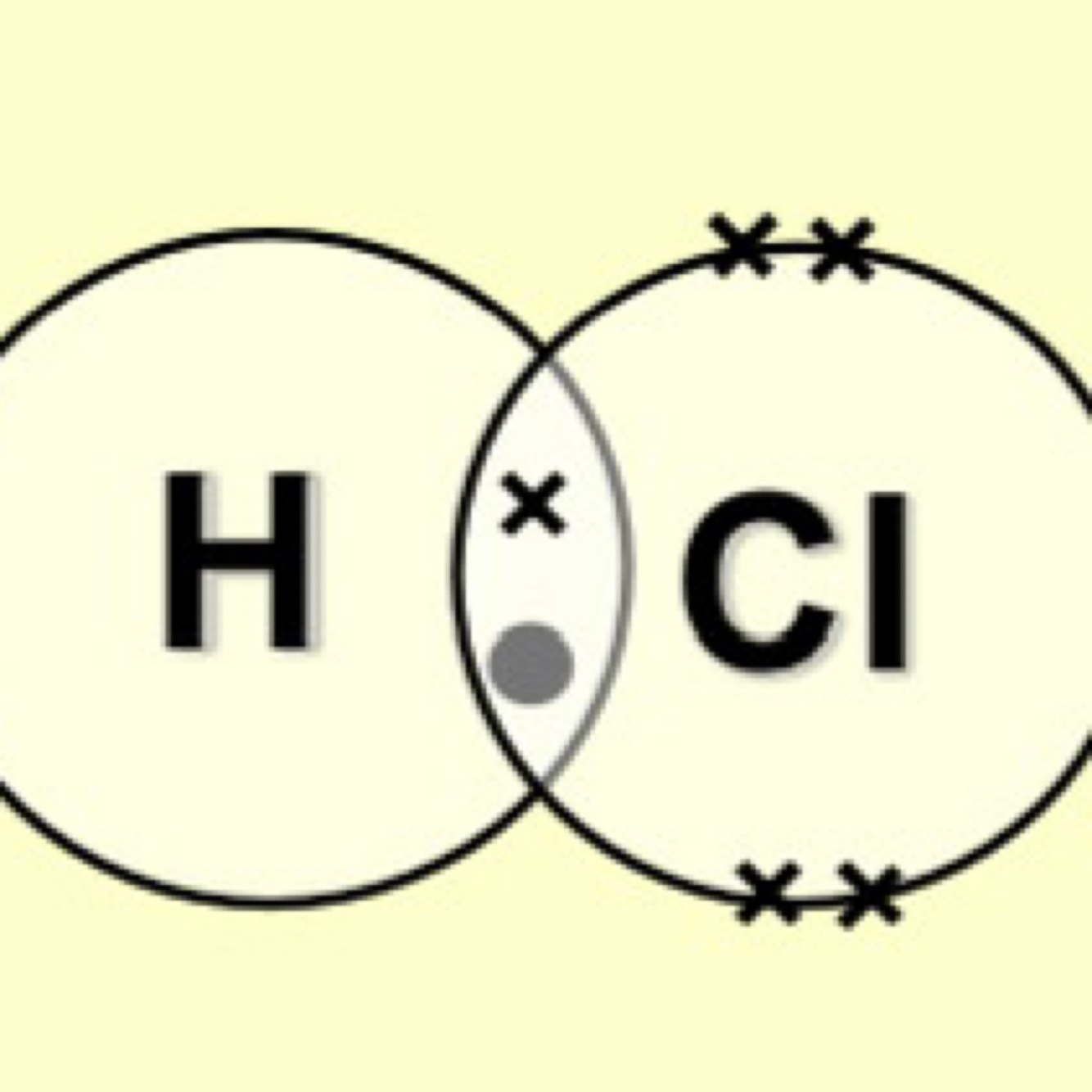
What is an example of a linear molecule
Diatomic molecule
What is this shape called?
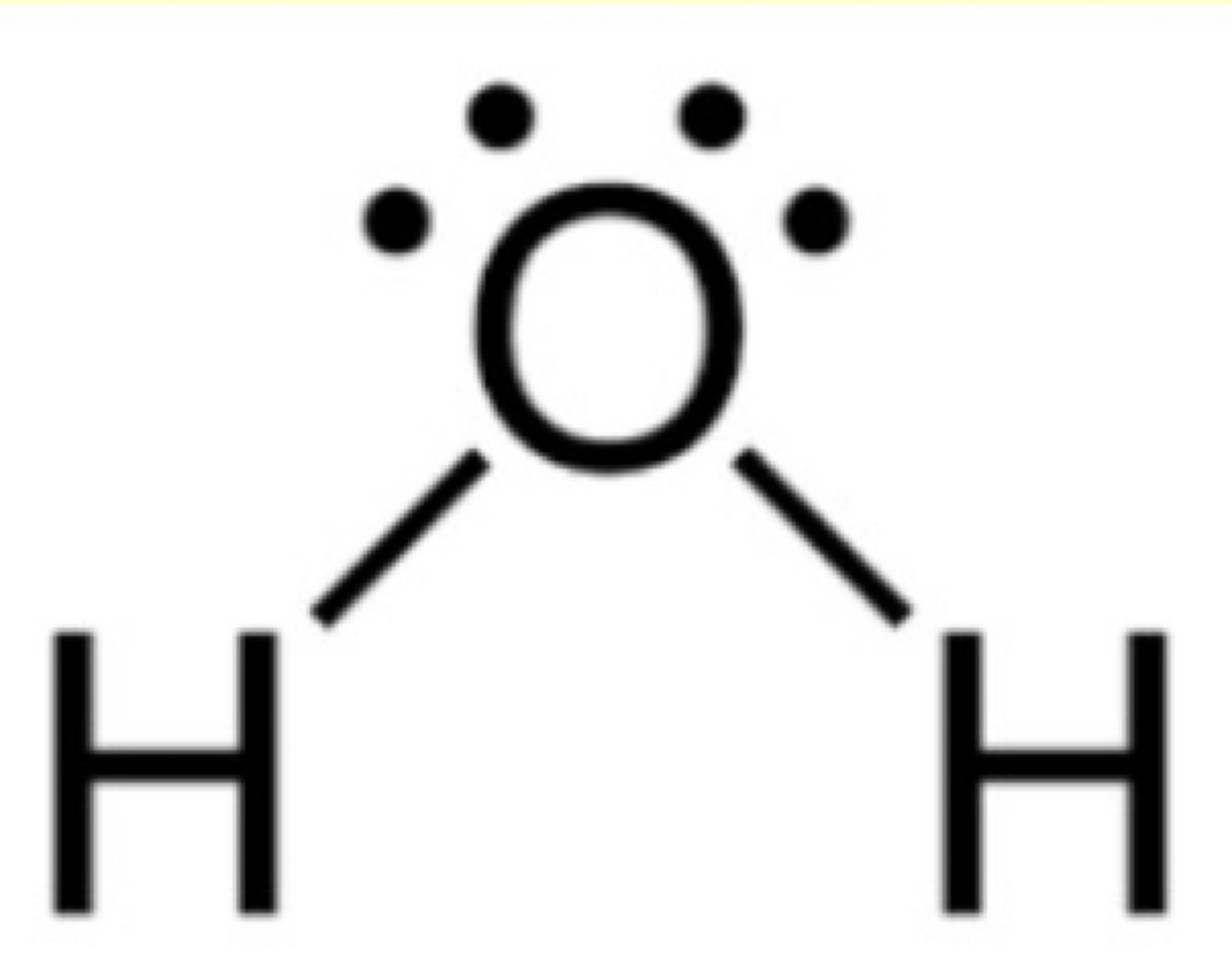
Angular
What is an example of an angular molecule
Water
What is this shape called?
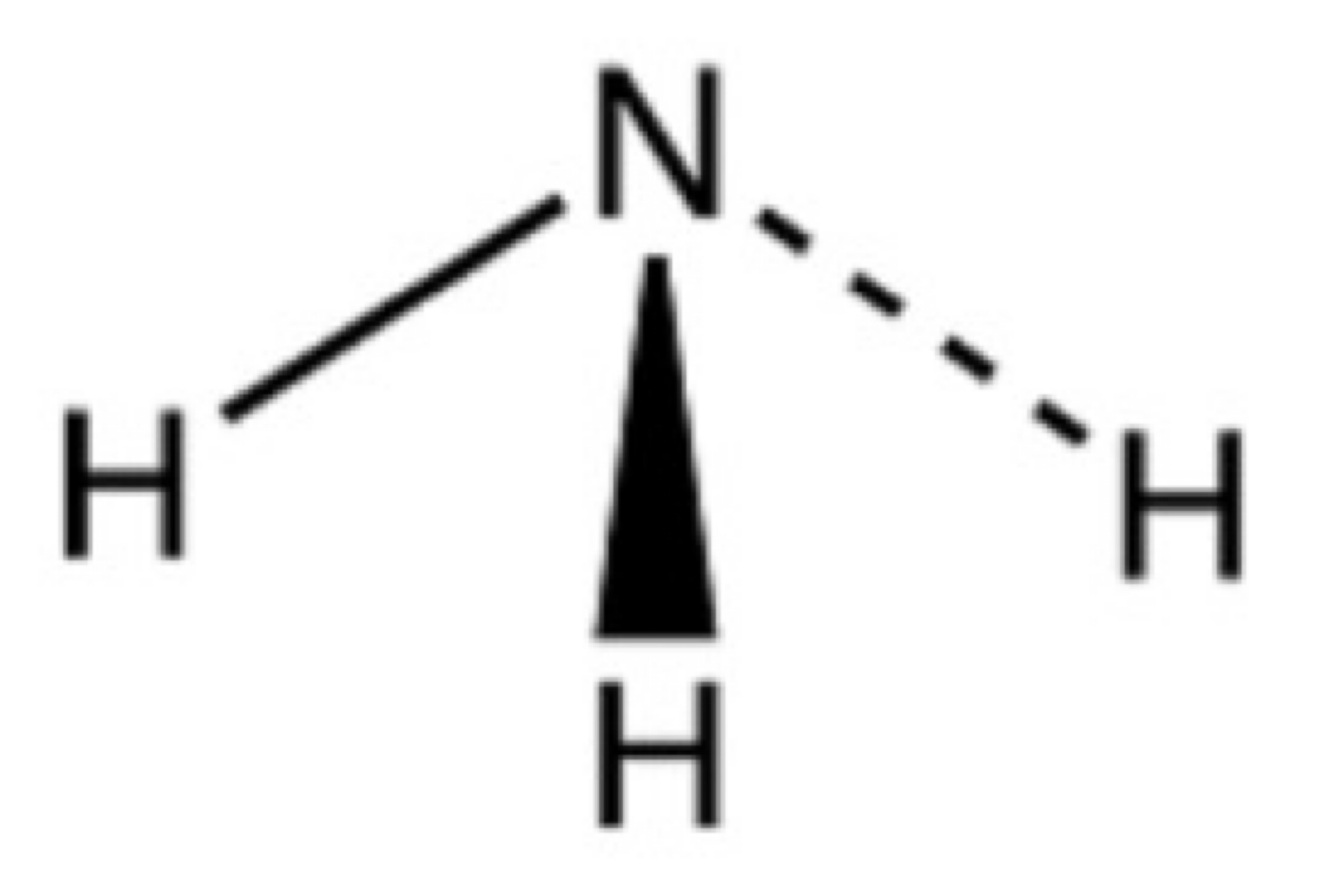
Trigonal pyramidal
What is an example of a trigonal pyramidal molecule
Ammonia
What is this shape called?
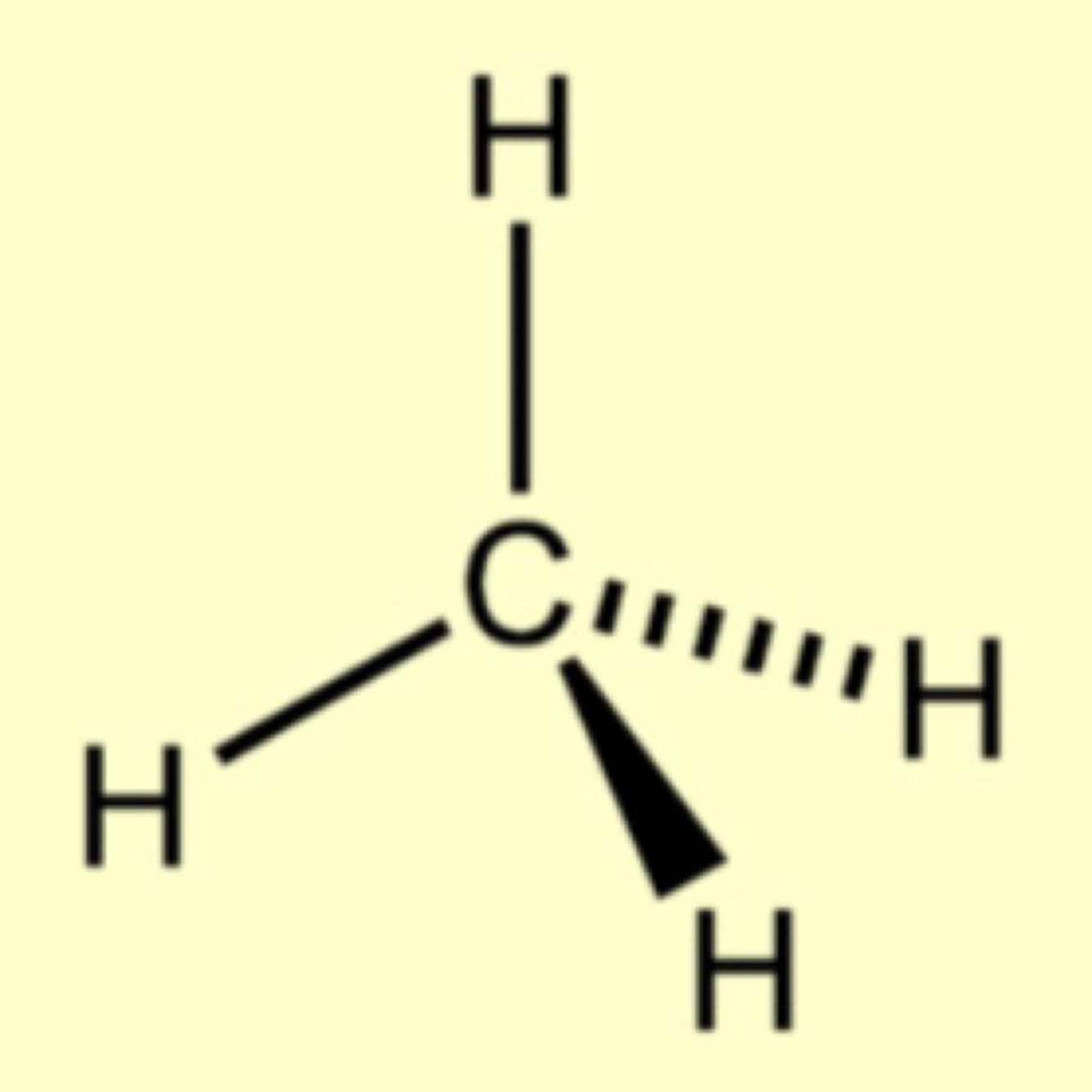
Tetrahedral
What is an example of a tetrahedral molecule
Methane
Explain why covalent compounds have low melting and boiling point and do not conduct electricity
They have weakness forces of attraction between molecules so low melting and boiling points. They do not conduct electricity as they have weak forces of attraction between molecules
What is a covalent network
A network of strong covalent bonds within one giant structure
What type of boiling and melting point do covalent networks have and why?
Covalent networks have very high melting and boiling points because the network of strong covalent bonds is not easily broken
Can covalent networks conduct electricity ? Why?
They cannot conduct electricity as they do not have charged particles which are free to move
Can covalent molecules conduct electricity? Why?
No because they do not have charge particles which are free to move
What kind of melting and boiling points do covalent molecules have? Why?
Covalent molecules have low melting and boiling points as they have strong covalent bonds between atoms but weak forces between molecules which means they are easier to melt
When are ions formed?
Ions are formed when atoms lose or gain electrons to obtain a stable electron arrangement of a noble gas
What is ionic bonding?
I like bonds are the electrostatic attraction between positive and negative ions
What is an ionic lattice?
Ionic compounds form lattice structures of oppositely charged ions with each positive ion surrounded by negative ions and each negative ion surrounded by positive ions