ChemPath: Assessment of Renal Function 2
No description yet. This curated deck is ready for daily study.
Card preview (24)
AKI vs CKD
AKI • Abrupt decline in GFR • Potentially reversible • Treatment to precise diagnosis and reversal of disease CKD • Longstanding decline of GFR • Irreversible • Treatment targeted to prevention of complications and limiting progression
Define AKI.
Rapid reduction in kidney function, leading to inability to maintain electrolyte, acid-base and fluid homeostasis. It is a medical emergency necessitating referral to a nephrologist for diagnosis and treatment
What are the three stages of AKI, defined by serum creatinine?
• Stage 1: increase in serum creatinine by 1.5-1.9x baseline (or by >26.5 µmol/L) • Stage 2: increase in serum creatinine by 2-2.9x baseline • Stage 3: increase in serum creatinine by ≥3x baseline
What is pre-renal AKI?
AKI caused by reduced renal perfusion No structural abnormality
Describe the normal response to reduced circulating volume.
• Activation of central baroreceptors and renin-angiotensin system • Release of vasopressin • Activation of sympathetic system Results in vasoconstriction, increased cardiac output and renal sodium retention
Name and describe the two autoregulatory mechanisms that maintain renal blood flow despite changes in systemic blood pressure.
• Myogenic stretch - if the afferent arteriole gets stretched due to high pressure, it will constrict to reduce the transmission of that pressure to the glomerulus • Tubuloglomerular Feedback - high chloride concentration in the early distal tubule (suggestive of high GFR) stimulates constriction of the afferent arteriole which lowers GFR and, hence, chloride concentration
List some causes of pre-renal AKI.
• True volume depletion (dehydration) • Hypotension (e.g. septic shock) • Cardiac failure • Selective renal ischaemia (e.g. BILATERAL renal artery stenosis) • Drugs affecting renal blood flow
List some drugs that affect renal blood flow.
• NSAIDs - decreased afferent arteriolar dilatation • Calcineurin inhibitors - decrease afferent arteriolar dilatation • ACE inhibitors - reduce efferent arteriolar constriction • Diuretics - affect tubular function and decrease preload
What is a consequence of prolonged pre-renal insult?
Acute tubular necrosis (ATN)
What might be seen on urine microscopy in a patient with ATN?
Epithelial cell casts
List the possible sites of disease in intrinsic (renal) AKI.
• Vascular (e.g. vasculitis) • Glomerular (e.g. glomerulonephritis) • Tubular (e.g. ATN) • Interstitial (e.g. AIN)
What can cause direct tubular injury?
Ischaemia (MOST COMMON) Toxins • Endoengous: myoglobin, immunoglobulin • Exogenous toxins: aminoglycosides, amphotericin, aciclovir Ischaemia = pre-renal progressing to ATN
Which diseases can cause intrinsic AKI due to immune dsyfunction?
• Glomerulonephritis e.g. lupus, Goodpasture’s • Vasculitis e.g. GPA
Which diseases can cause intrinisc AKI due to infiltration/abnormal protein deposition?
• Amyloidosis (associated with nephrotic syndrome) • Lymphoma • Myeloma
What causes post-renal AKI?
Physical obstruction of urine flow
List some sites of urine obstruction.
• Intra-renal • Ureteric • Prostatic/urethral • Blocked urinary catheter
Outline the pathophysiology of post-renal AKI.
• GFR is dependent on a hydrostatic pressure gradient • Obstruction results in increased tubular pressure • This results in an immediated decline in GFR
What are some consequences of prolonged renal obstruction?
• Glomerular ischaemia • Tubular damage • Long-term interstitial scarring Immediate relief of short-term obstruction restores GFR fully, with no structural damage
What is the most common cause of AKI? What are 2 important causes of iatrogenic AKI?
Decreased renal perfusion is the most common cause of AKI Iatrogenic causes: - Medications - Radiographic contrast
List the possible outcomes of AKI.
• Complete recovery of renal function • Partial recovery of renal function • Discharged with increased serum creatinine • Discharged requiring chronic dialysis • Death
What are the biochemical definitions of AKI?
• Increase in serum creatinine >26.5µmol/L within 48 hours • Increase in serum creatinine >1.5x baseline within the previous 7 days • Urine volume < 0.5 ml/kg/hr for 6 hours
What are the four processes of acute wound healing?
• Haemostasis • Inflammation • Proliferation • Remodelling
Why does wound healing matter in AKI
Determines scarring i.e. whether a patient will recover kindey function or have chronically impaired kidney function
What is used to classify CKD and what are the stages?
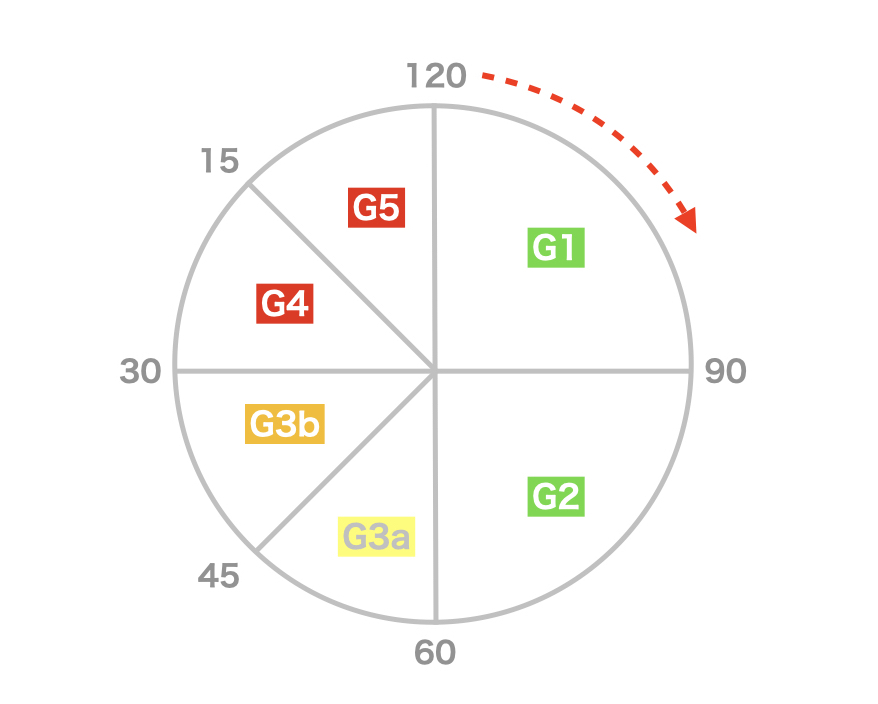
eGFR - mL/min • Stage 1: >90 • Stage 2: 60-89 • Stage 3: 30-59 • Stage 4: 15-29 • Stage 5: <15 or dialysis (end-stage renal failure)