TOPIC 18 - Organic chemistry III
No description yet. This curated deck is ready for daily study.
Card preview (24)
What happens to the 4 valent electrons in the carbon atoms in benzene?
• 2 of them are in two C-C bond. • 1 is bonded to H • 1 p-orbital electron is part of the delocalised ring of electron.
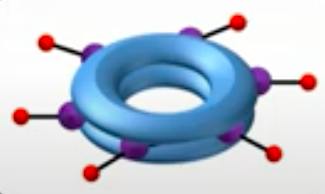
What is the length of the C-C double bond? Why?
139 pm. It is between length of single C-C bond (154pm) and the length of double C=C (134pm) because the delocalised ring of electron increases the strength of the C-C bond slightly, without reaching the strength of the C=C.
Why do we know that benzene is more stable than cyclohexa-1,3,5-ene?
• Enthalpy of hydrogenation of cylohexene (1 C=C) = -120kJ/mol. • Expected enthalpy of hydrogenation of benzene = enthalpy hydrogenation of cyclohexa-1,3,5-ene. • Actual experimental value: -208kJ/mol. • So more energy is required to break the bonds in benzene than in cyclohexa-1,3,5-ene. Therefore benzene is more stable.
What is the main reason why benzene is so stable?
The delocalised ring of electrons.
What is the equation for the complete combustion of benzene?
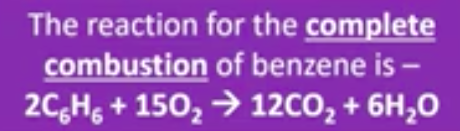
Does benzene usually burn completely?
No. A lot of soot is produced and a black smoky flame is observed.
Does benzene undergo electrophilic addition reactions easily? (like the bromination of alkenes) Why? What recations to they undego instead?
No. Benzene is stable and so doesn’t undergo these types of reaction since it would sirupt the stable ring of electrons. Instead, they undergo electrophilic substitution, where a hydroger or functional group is substituted by the electrophile.
What are aromatic compounds (arenes)

What is the name of this molecule?
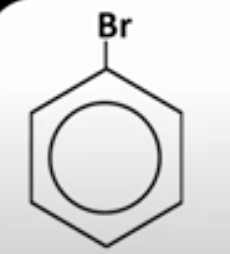
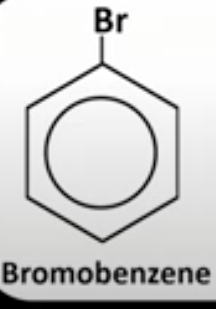
What is the name of this molecule?
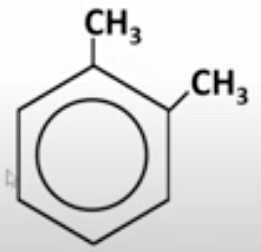
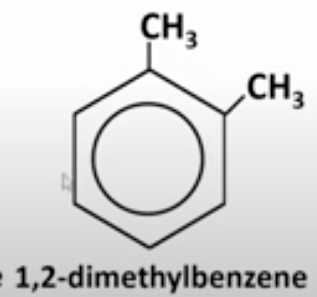
What is the name of this molecule?
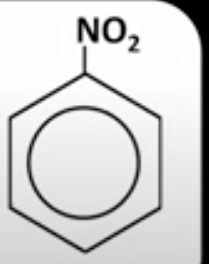
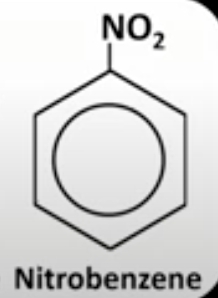
What is the name of this molecule?
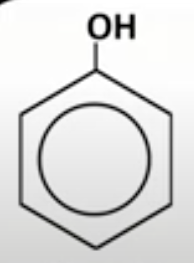
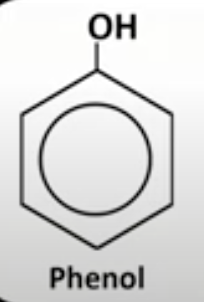
What is the name of this molecule?
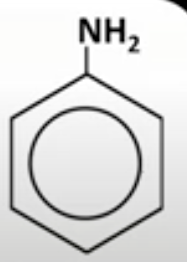
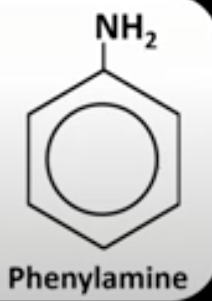
What is the generic mechanism for the electrophilic substitution with benzene?
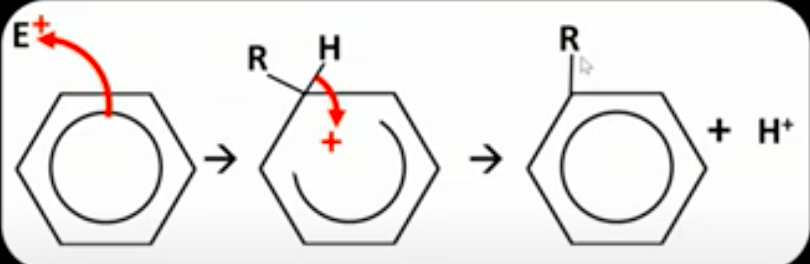
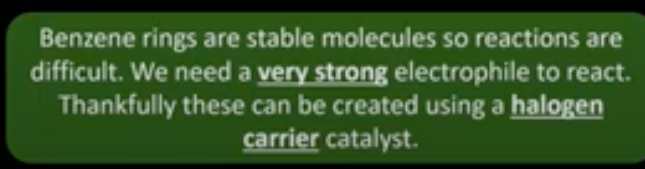
Why are halogen carrier catalysts used in the electrophilic substitution of benzene?
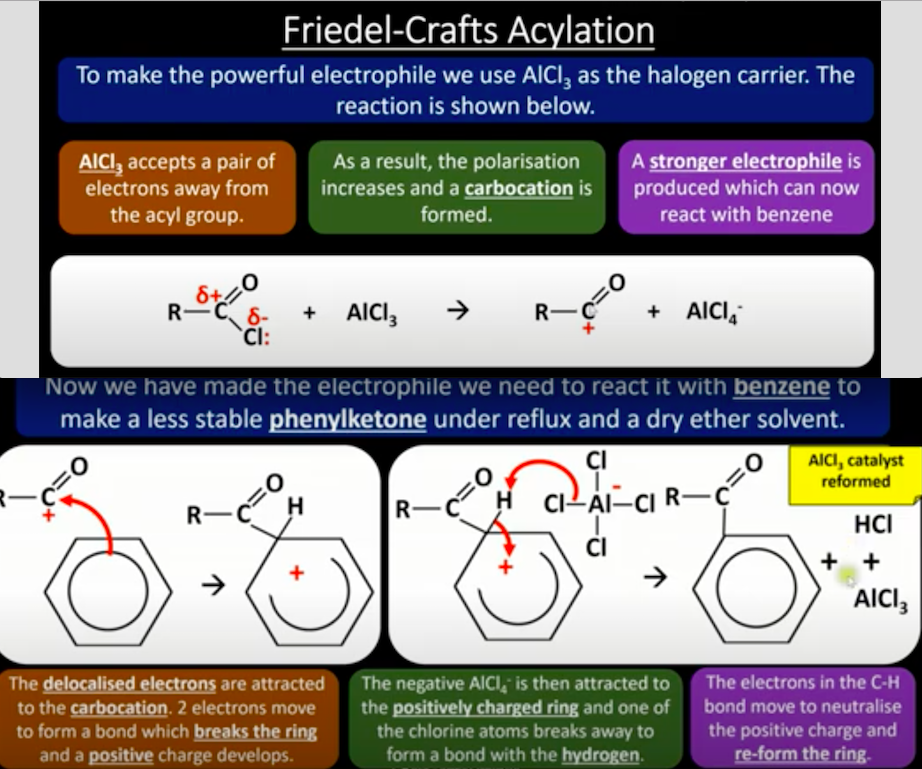
What is the mechanism + conditions for Friedel Craft’s acylation?
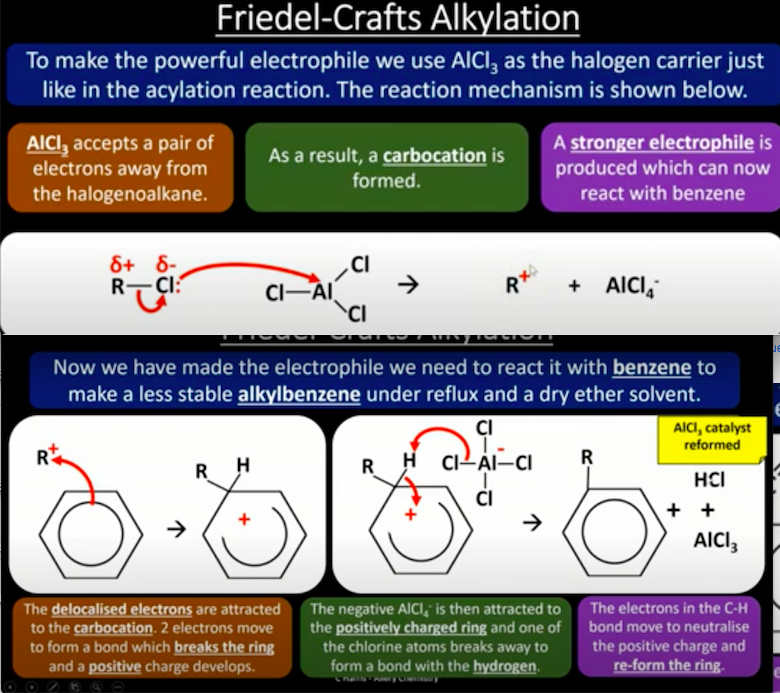
Mechanism+conditions for friedel crafts alkylation?
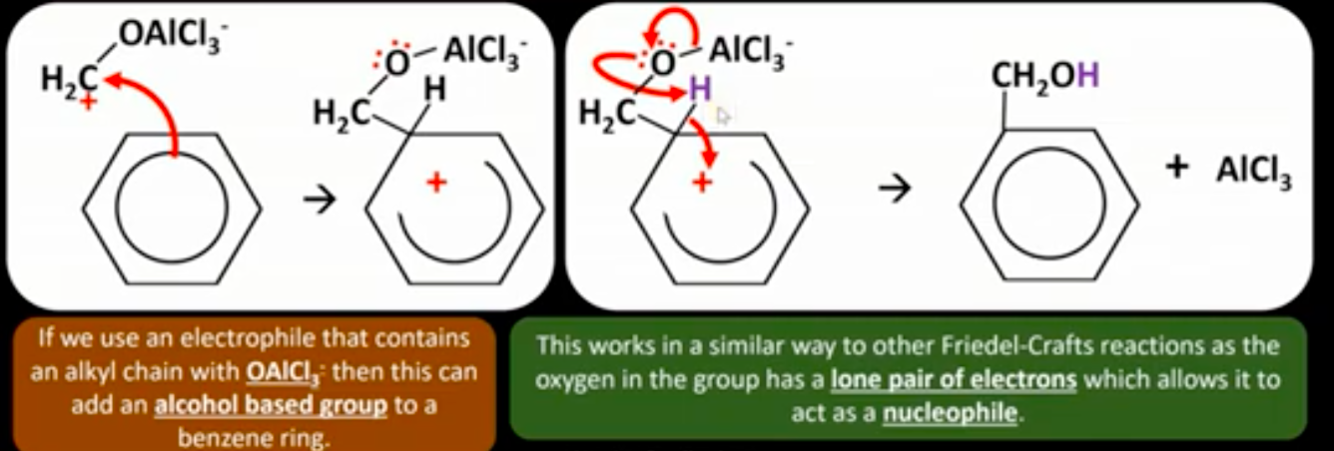
Mechanism for addition of alcohol to a benzene ring using Friedel Crafts alkylation?
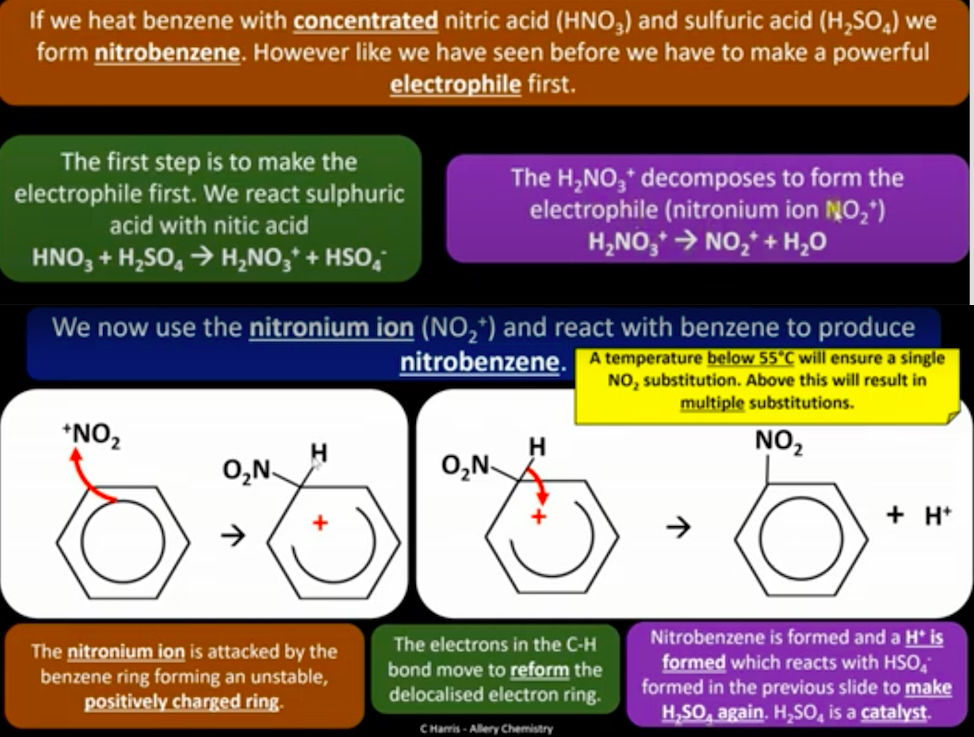
What is the mechanism for the nitration of benzene?
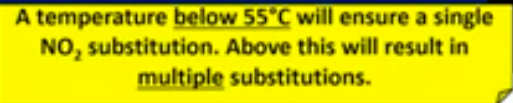
Below which temperature is a single NO2 substitution ensured in the nitration of benzene?
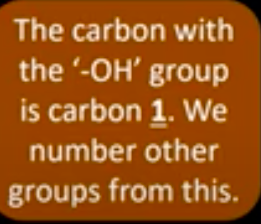
What is the general rule for numbering other groups in a phenol molecule?
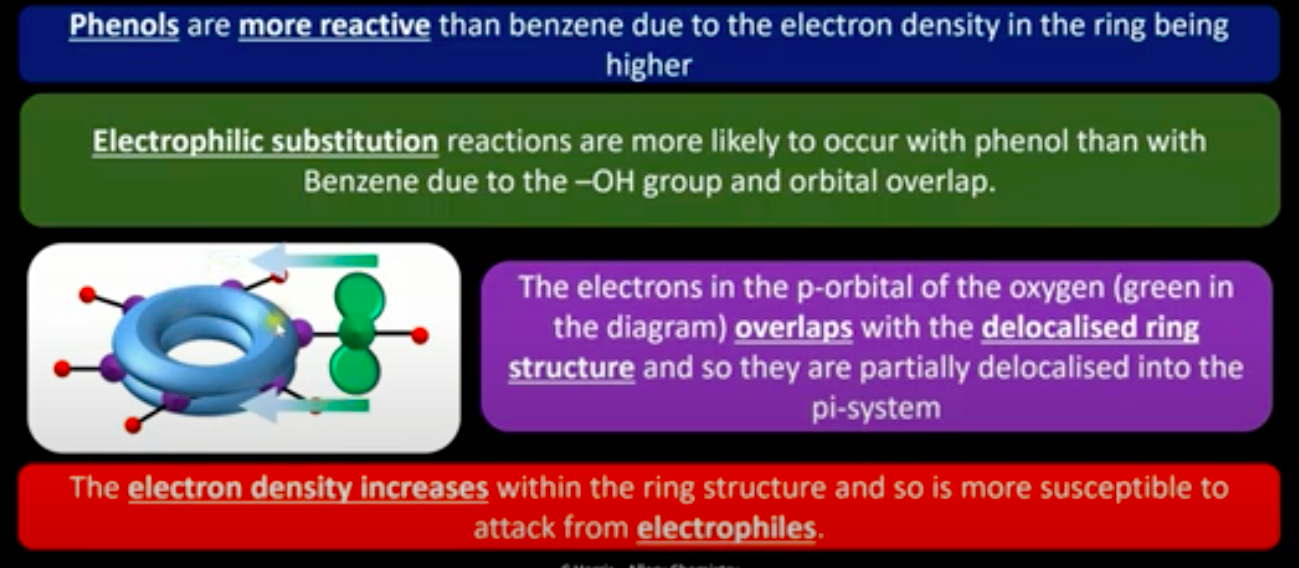
Why are electrophilic substitution reactions more likely to occur in phenol than in benzene?
What is the equation of ethanoic anhydride and salicylic acid to give aspirin?
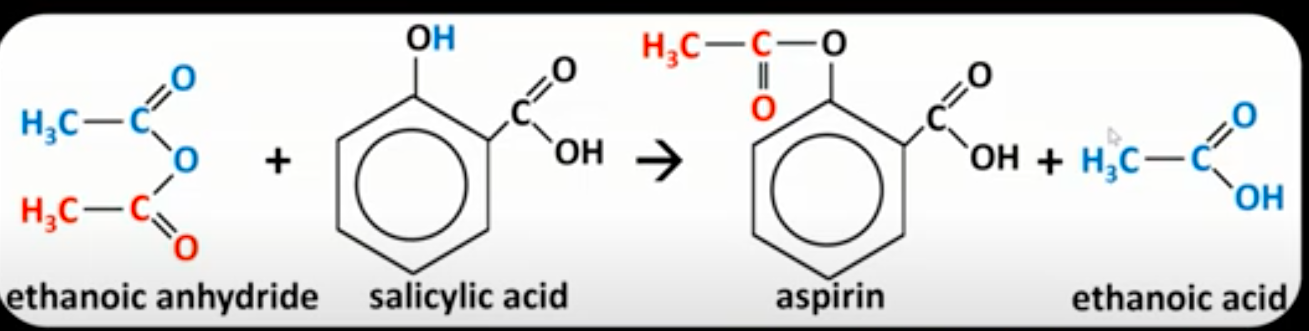
Why is ethanoic anhydride used in the synthesis of aspirin instead of ethanoyl chloride?
