carboxylix acis
No description yet. This curated deck is ready for daily study.
Card preview (22)
Acidity
The carboxylic acid are only weak acids in water and only slightly dissociate, but they are strong enough to displace carbon dioxide from carbonates CH3CO2H(aq)——- CH3CO2 -(aq)+ H+ (aq)
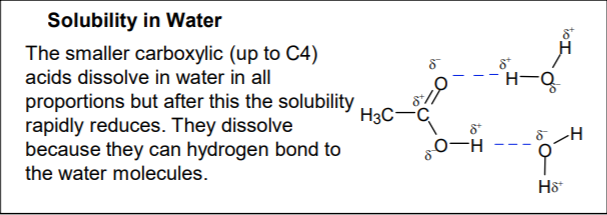
Solubility in Water
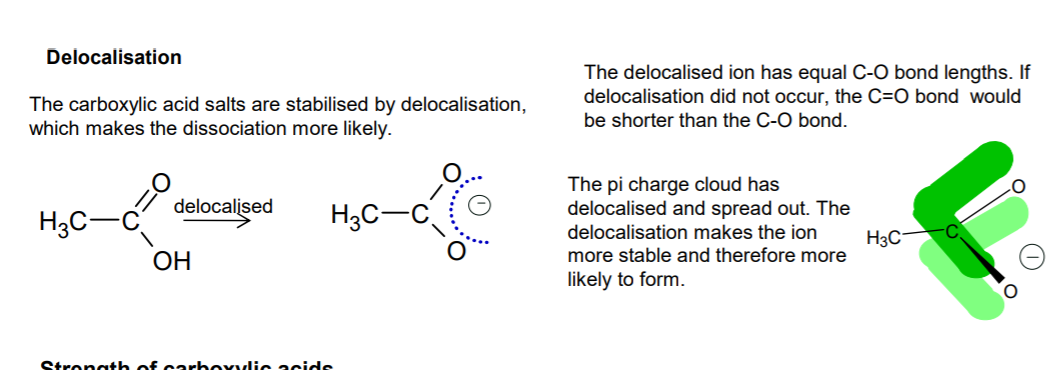
Delocalisation
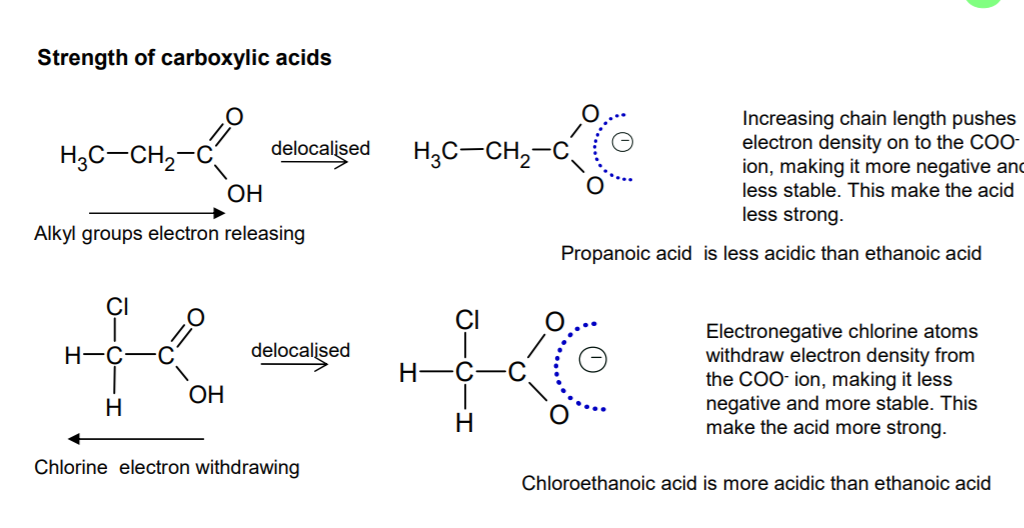
Strength of carboxylic acids
Oxidation of methanoic acid

Esterification
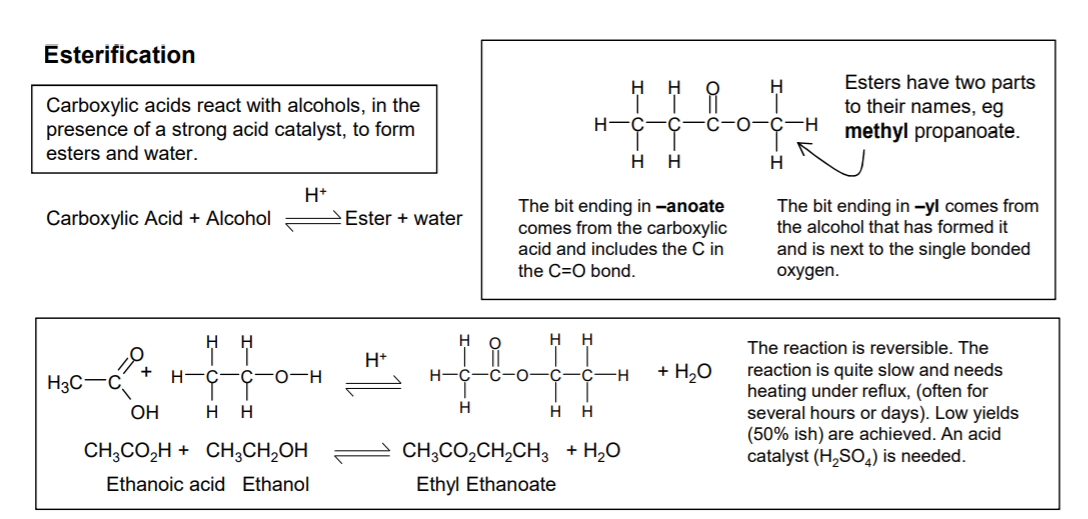
Uses of Esters
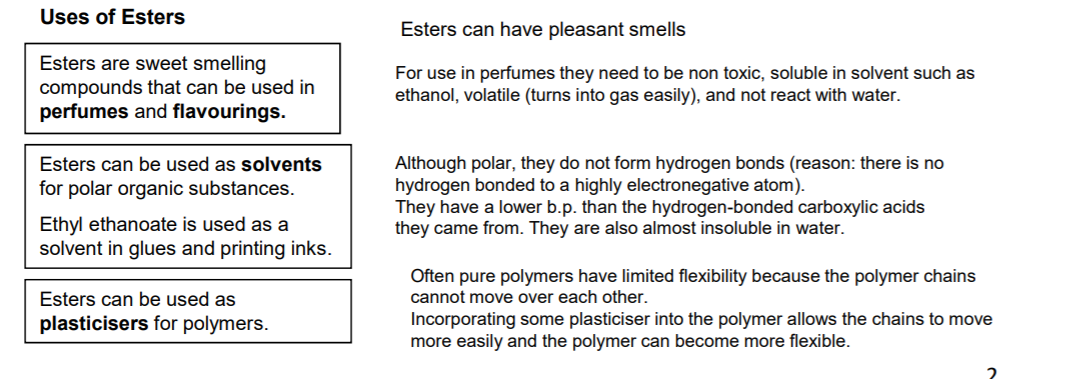
Hydrolysis of esters
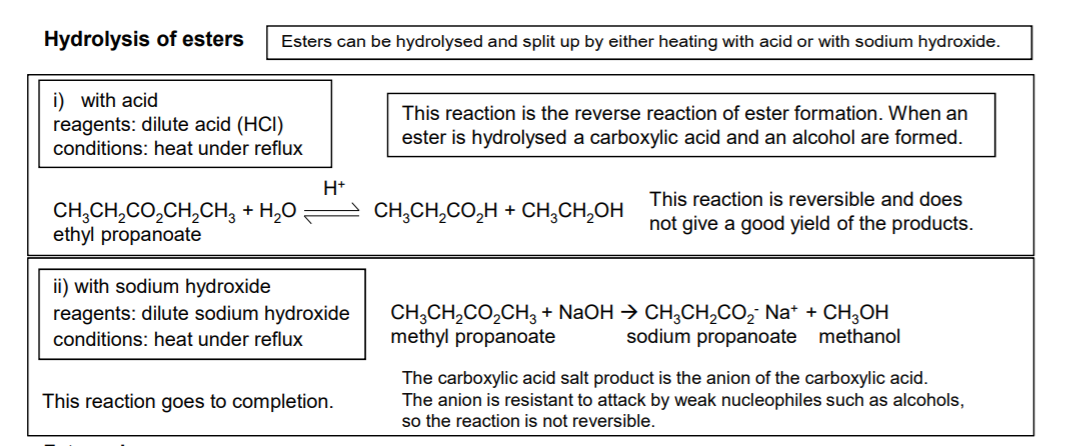
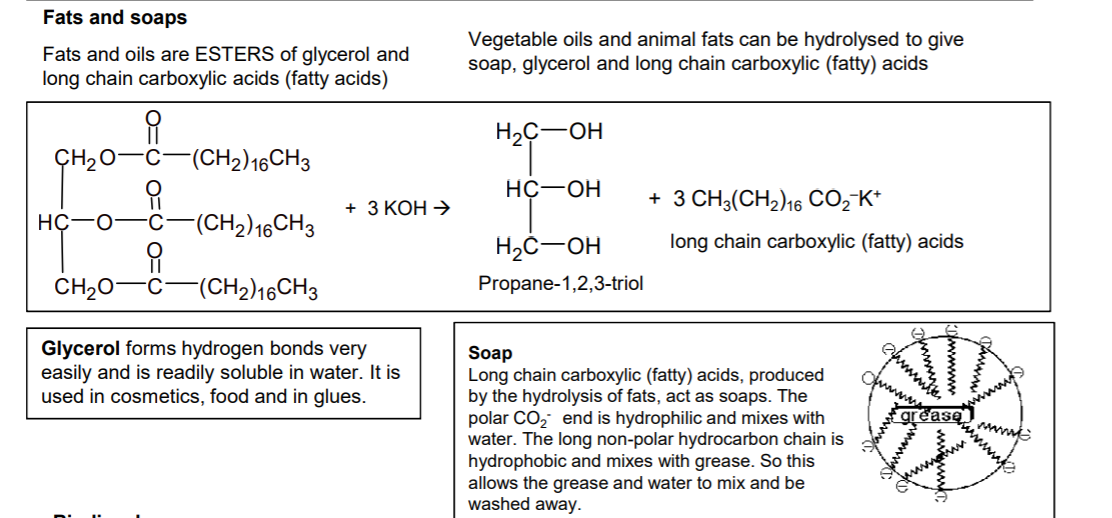
Fats and soaps
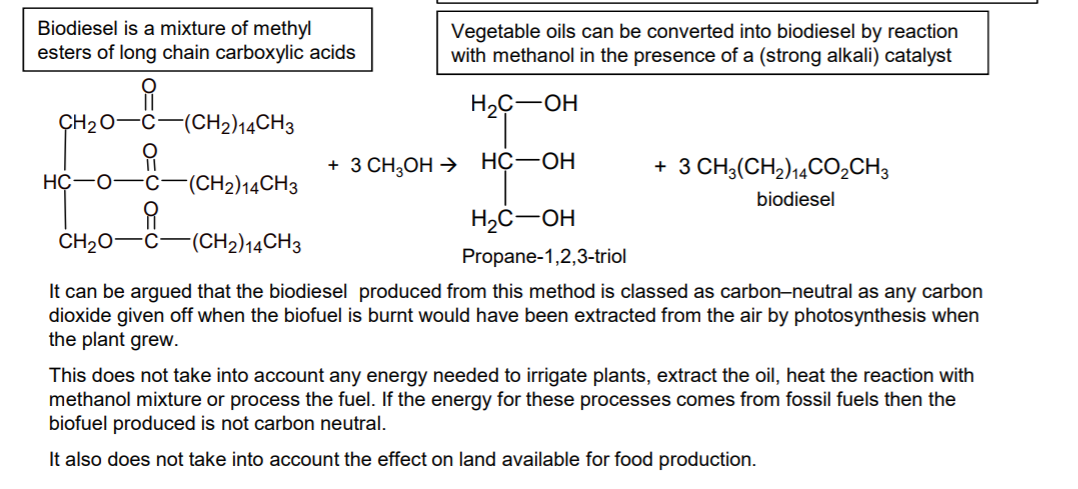
Biodiesel
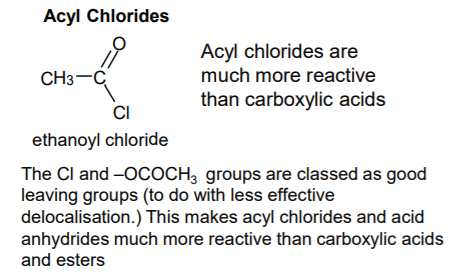
Acyl Chlorides
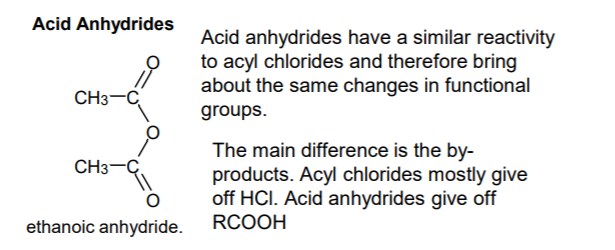
Acid Anhydrides
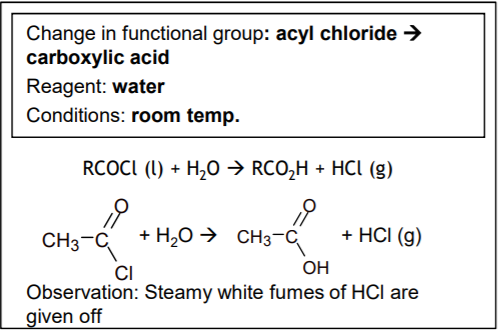
Acyl chloride+ water
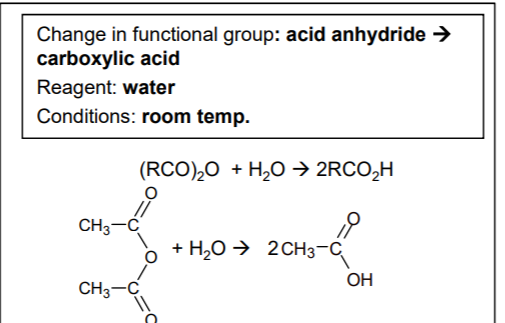
Acid anhydride + water
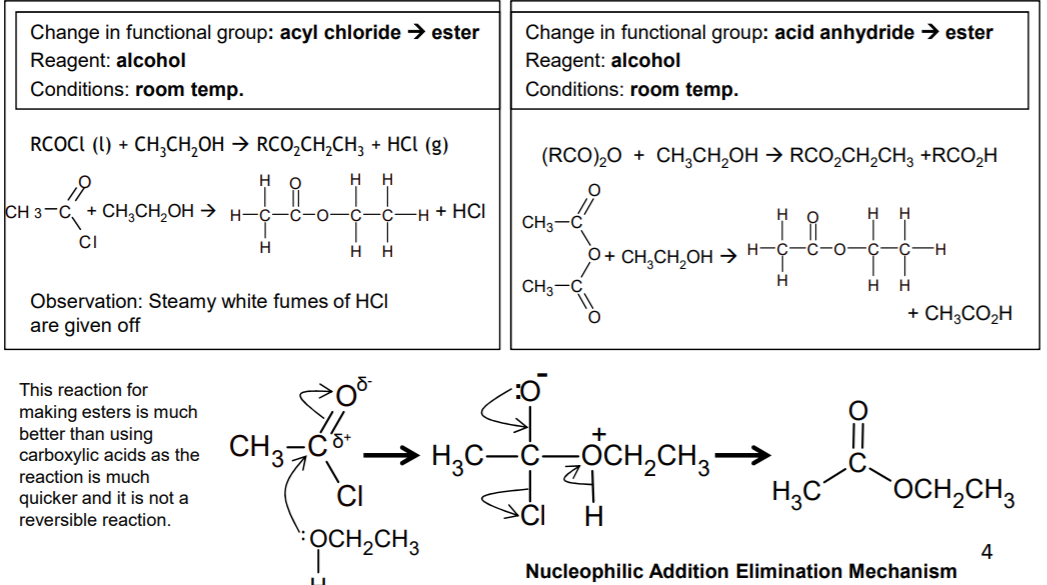
Reaction with alcohol acid anhydride and acyl chloride
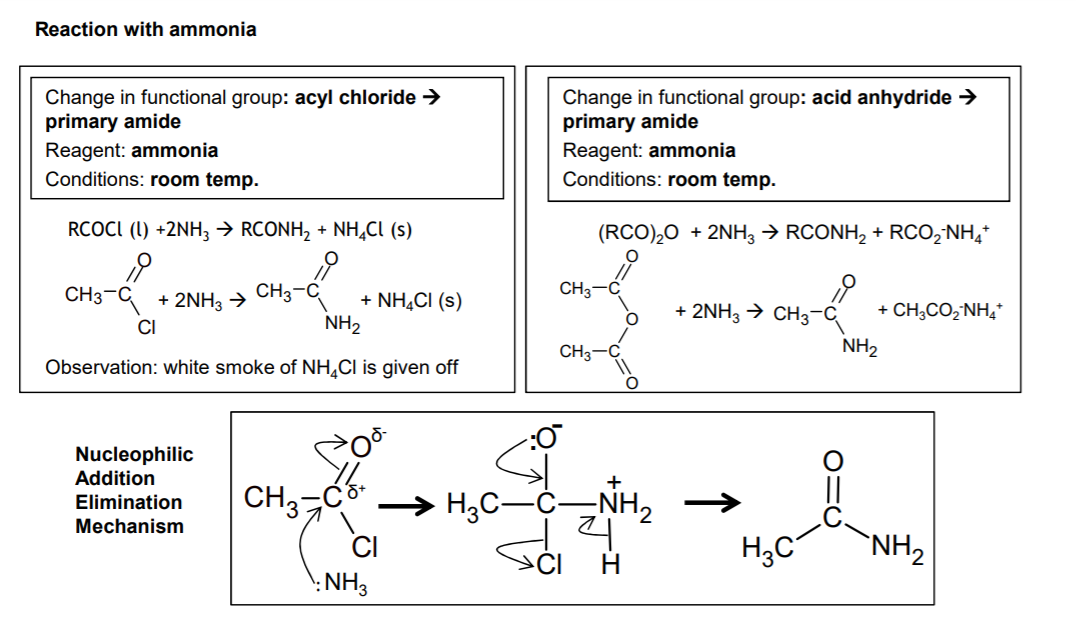
Reaction with ammonia Acid anhydride acyl chloride
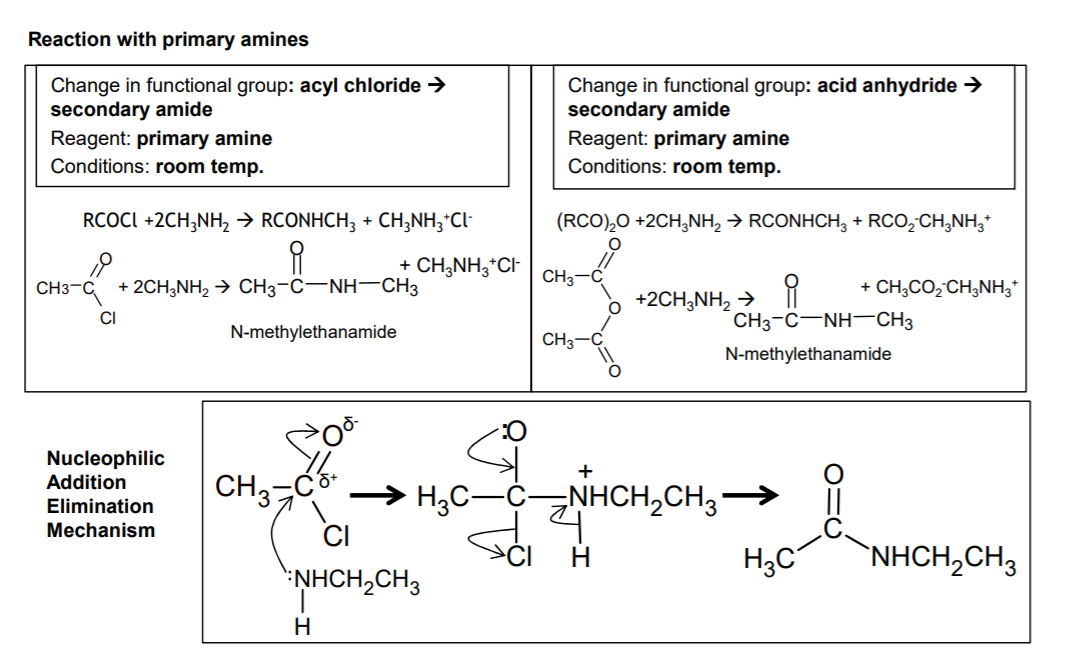
Reaction with primary amines Acyl chloride Acid anhydride
Making Aspirin
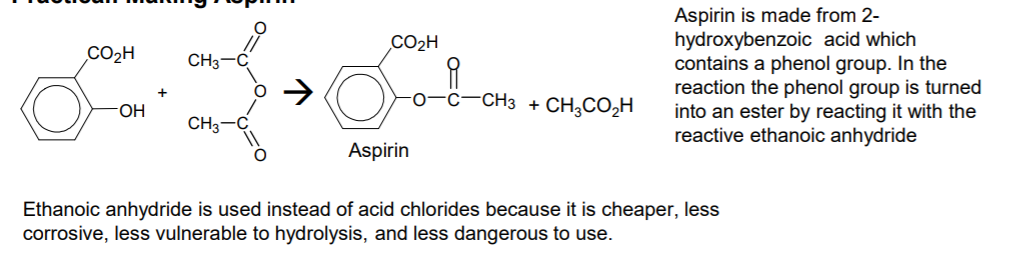
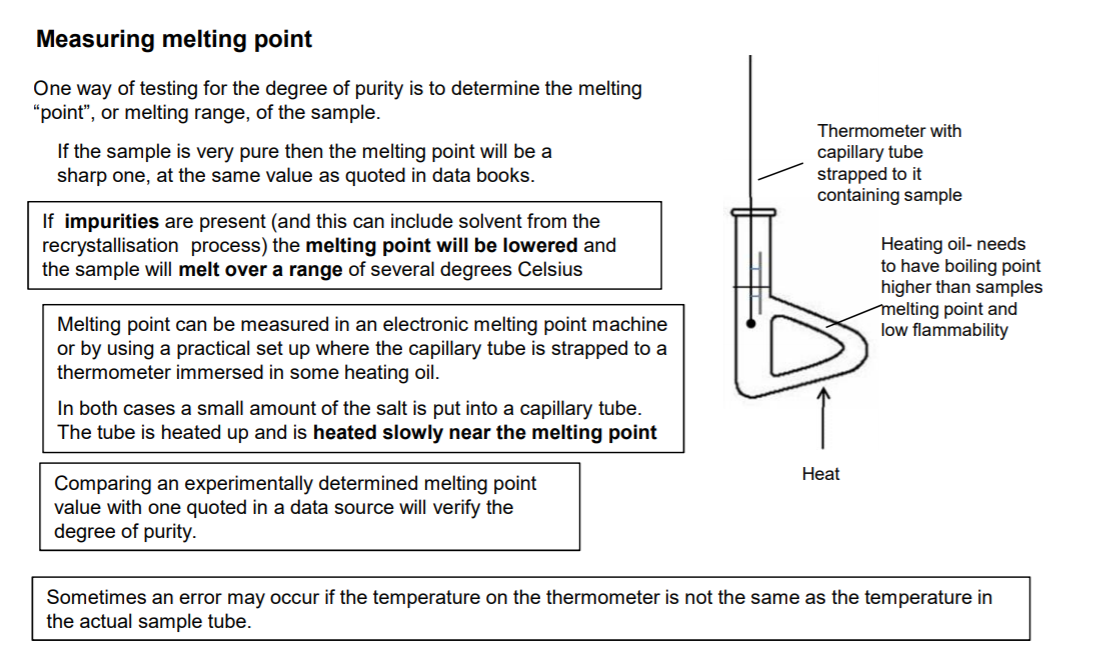
: Recrystallisation 6 steps + reasons
1. Dissolve the impure compound in a minimum volume of hot (near boiling) solvent. An appropriate solvent is one which will dissolve both compound and impurities when hot and one in which the compound itself does not dissolve well when cold. The minimum volume is used to obtain a saturated solution and to enable crystallization on cooling • Hot filter solution through (fluted) filter paper quickly. This step will remove any insoluble impurities and heat will prevent crystals reforming during filtration • Cool the filtered solution by inserting beaker in ice Crystals will reform but soluble impurities will remain in solution form because they are present in small quantities so the solution is not saturated. Ice will increase the yield of crystals • Suction filtrate with a Buchner flask to separate out crystals The water pump connected to the Buchner flask reduces the pressure and speeds up the filtration. 5 Wash the crystals with distilled water To remove soluble impurities • Dry the crystals between absorbent paper
Loss of yield in recrystallisation 3
• Crystals lost when filtering or washing • Some product stays in solution after recrystallisation • other side reactions occurring
Measuring melting point