C2 Bonding
No description yet. This curated deck is ready for daily study.
Card preview (10)
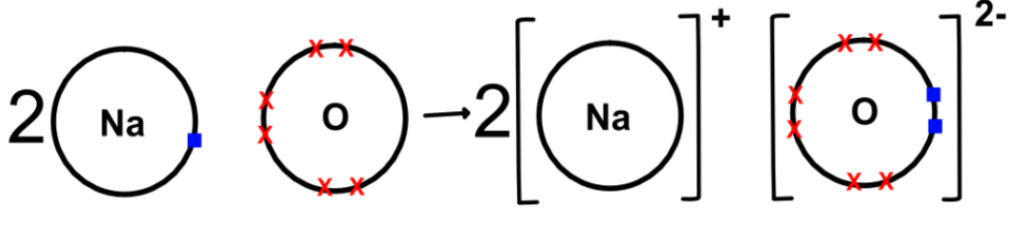
what is an IONIC bond?
between metal and non-metal electrons transferred → atoms fill outer shells and form ions
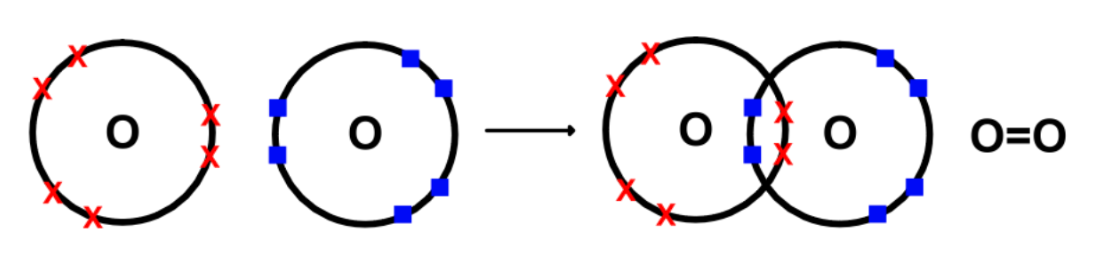
what is a COVALENT bond?
between non-metals pairs of electrons shared → atoms fill outer shells
do SOLID-state IONIC BONDS conduct electricity? why?
no ions are bonded and not free to move
do LIQUID-state IONIC BONDS conduct electricity? why?
yes ions are free to move
do IONIC BONDS have high or low m/b points? why?
high strong electrostatic force of attraction between oppositely charged ions → more energy needed to break the bonds
do SIMPLE MOLECULAR BONDS conduct electricity? why?
no electrons are not free to move
do SIMPLE MOLECULAR BONDS have high or low m/b points? why?
low weak intermolecular force of attraction → less energy needed to break the bonds
does DIAMOND conduct electricity? why?
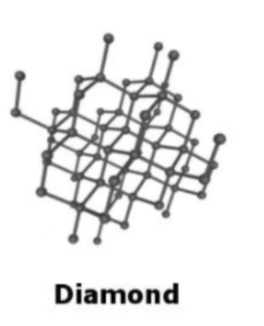
no no delocalized electrons
does GRAPHITE conduct electricity? why?
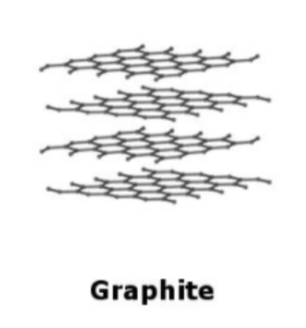
yes delocalized electrons
do GIANT COVALENT BONDS have high or low m/b points? why?
strong covalent bonds → more energy needed to break the bonds