2.8 Cellular Respiration
No description yet. This curated deck is ready for daily study.
Card preview (18)
cell respiration
• series of metabolic reactions that convert biochemical energy from organic molecules into adenosine triphosphate (ATP), and then release waste products
reaction for cellular respiration
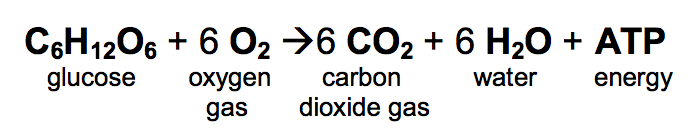
types of organic compounds used in cellular respiration by animals and plants.
• carbohydrate glucose • lipids and proteins can also be used if glucose is not readily available to the cell
3 example uses of cellular energy
ATP can be used throughout the cell to: - power active transport - synthesize polymers - move structures within the cell
energy transfer in the formation and use of ATP
• energy is released when a phosphate group is removed from ATP in a hydrolysis reaction • reverse reaction (what happens in cellular respiration) regenerates ATP and requires energy input
3 reasons why cellular respiration must be continuously performed by all cells
• ATP can not be stored for later use • ATP can not be transferred from cell to cell • Heat energy is released when ATP is used in cells. This heat energy can not be reused and will be lost to the environment
anaerobic respiration
type of cellular respiration that does not use oxygen
3 situations in which anaerobic respiration is useful
1) when cellular oxygen is depleted since it anaerobic respiration can act as a backup e.g. when muscle cells use up oxygen faster than it can be replenished, the cells start to perform anaerobic respiration in order to keep muscles moving 2) when ATP is needed quickly since anaerobic respiration is more rapid than aerobic respiration 3) Anaerobic metabolism allows microbes to inhabit low-oxygen or oxygen-free environments which allows them to exploit an otherwise empty habitat
[COMPARE] anaerobic respiration in yeasts and humans
• both start with glycolysis where glucose is broken down into pyruvate and NADH and ATP are created • NADH is recycled into NAD+ • both reactions net 2 molecules of ATP [difference] - yeast: alcohol fermentation, pyruvate is converted to ethanol, CO2 is released - humans: lactic acid fermentation, pyruvate is converted into lactic acid
[COMPARE] total amount of ATP made from anaerobic and aerobic respiration
• anaerobic respiration: produces a net of 2 ATPs per molecule of glucose • aerobic respiration: produces up to 38 ATPs per molecule of glucose
location of aerobic respiration
• mitochondria
how anaerobic respiration in yeast is used in baking
bubbles of carbon dioxide gas, one of the products of anaerobic respiration, expand the dough and help the bread rise
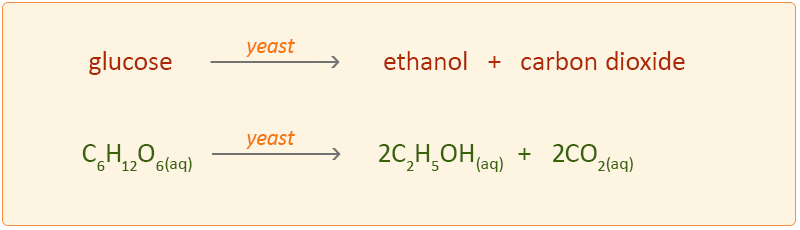
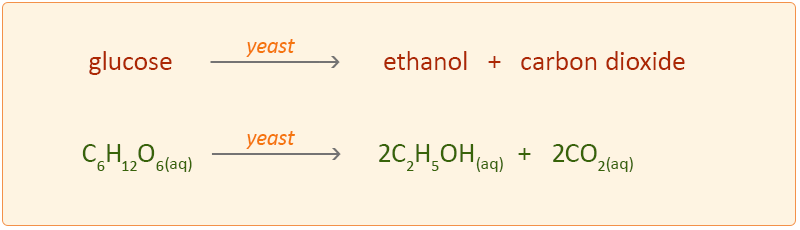
how anaerobic respiration in yeast is used in ethanol production
ethanol is one of the products of anaerobic respiration.
condition in which humans would perform anaerobic respiration
• when exercising at high intensity, cell demand will exceed available supplies of O2 -> Muscle cells will start breaking down glucose anaerobically to supply ATP rapidly for a short period of time • Red blood cells do not have mitochondria, so anaerobic respiration always happens
production of lactate in humans during anaerobic respiration
• in lactic acid fermentation, NADH produced in glycolysis transfers its electrons directly to pyruvate, generating lactate as a byproduct
use of a respirometer to measure cellular respiration rate
• living specimen is enclosed in a sealed container • oxygen use or carbon dioxide production can be measured directly with a data logger • alternatively, changes in pressure can be measured. the change in pressure can be measured with a data logger or U-tube manometer
ethical questions that must be considered before using animals in experiments
1) purpose of the experiment must have some benefit 2) overall use of animals should be minimized. Alternative methods should be used if available 3) Pain and distress must be minimized
ethical questions that must be considered before using animals in experiments
1) purpose of the experiment must have some benefit 2) overall use of animals should be minimized. Alternative methods should be used if available 3) Pain and distress must be minimized