6.62 Reproductive System
No description yet. This curated deck is ready for daily study.
Card preview (6)
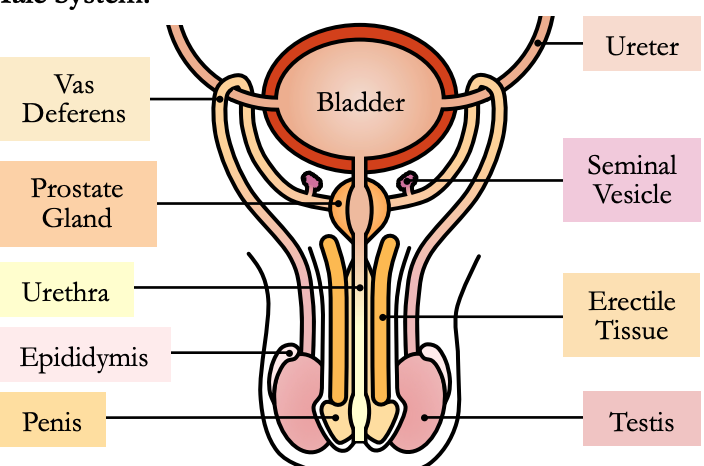
Human Reproductive System: Male System
Vas Deferens Prostate Glad Urethra Epididymis Penis Ureter Seminal Vesicle Erectile Tissue Testis
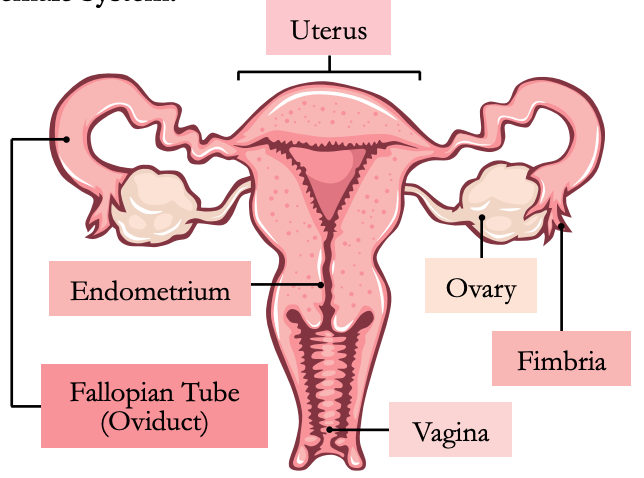
Human Reproductive System: Female System
Uterus Endometrium Fallopian Tube (oviduct) Ovary Fimbria Vagina
Menstrual Cycle
The menstrual cycle involves four key hormones and describes the recurring changes that occur to enable pregnancy Pituitary Hormones (FSH and LH): * Stimulate follicular growth within the ovaries * Stimulate estrogen secretion (from the ovarian follicles) * Stimulate progesterone secretion (from corpus luteum) * A mid-cycle surge in LH triggers ovulation (egg release) Ovarian Hormones (estrogen and progesterone): * Promote development / thickening of the endometrium * Promote FSH / LH secretion during the follicular phase * Inhibit FSH / LH secretion during the luteal phase
Reproductive Theories
One of the earliest theories involving how human reproduction occurs was the ‘soil and seed’ theory proposed by Aristotle * Males provide all the information for life in a ‘seed’, which forms an egg when mixed with menstrual blood (the ‘soil’) William Harvey dissected deer after the mating season and was unable to identify embryos until several months after mating * He concluded that the ‘soil and seed’ theory was incorrect and that menstrual blood did not contribute to fetal growth
Sex Development
Fertilisation requires a combination of male and female ‘seeds’ Male sex is determined by a gene on the Y chromosome which causes gonads to develop as testes and secrete testosterone * Testosterone produces sperm and male sex characteristics Female reproductive organs develop in the absence of this gene * Estrogen and progesterone develop female sex characteristics
In Vitro Fertilisation
Stop normal menstrual cycle with drugs * Hormone treatments to induce ovulation * Extract multiple eggs from female * Sperm sample is collected from male * Fertilisation occurs externally (in vitro) * Implantation of embryos into surrogate * Test for pregnancy to determine success