Unit 2-Everyday Consumer Products
暂无描述。系统推荐的高质量记忆内容,适合每天坚持背诵学习。
卡片预览 (24 张)
How to identify an alcohol from the name?
Name ends in -ol
How to identify an alcohol from the structure?
Contains the hydroxyl functional group (-OH)
What is the general formula of alcohols?
CnH2n+1OH or CnH2n+2O
Steps to name an alcohol
• Identify the longest carbon chain (methan‑, ethan‑, propan‑ etc). • Number the chain to give the –OH group the lowest possible number. • Add ‑ol to the end. Examples: propan‑2‑ol, pentan‑1‑ol.
Chemical properties of alcohols.
Flammable
Uses of alcohols
Used as fuels and solvents
Solubility trend of alcohols
Methanol, ethanol and propanol are miscible with water; solubility decreases as size increases.
Alcohol melting and boiling points trend
MP and BP increase with size due to stronger intermolecular forces.
How to identify a carboxylic acid from the name?
Name ends in ‑oic acid.
How to identify a carboxylic acid from the structure?
Contains the carboxyl functional group (-COOH).
What is the general formula of carboxylic acids?
CnH2nO2
What functional group do carboxylic acids contain?
The carboxyl group (-COOH).
Steps to name a carboxylic acid:
• Identify the longest carbon chain. • The carboxyl group is always carbon 1, so no number is needed. • Add ‑oic acid. Examples methanoic acid and butanoic acid
Chemical properties of carboxylic acids:
pH less than 7 React with bases and metals
Uses of carboxylic acids
Used in preservatives, soaps, medicines.
Uses of vinegar (ethanoic acid)
Used in cleaning and food preservation.
Solubility trend of carboxylic acids
Methanoic–butanoic acids are miscible with water; solubility decreases as size increases.
Carboxylic acid melting and boiling points trend
MP and BP increase with size due to stronger intermolecular forces.
Why does ethanoic acid have a higher MP/BP than ethane, ethene, or ethanol?
Ethanoic acid molecules are held together more strongly by intermolecular forces, requiring more energy to separate.
Why is methane a gas at room temperature?
Methane has weak intermolecular forces, so little energy is needed to separate the molecules.
Identify the alcohol and carboxylic acid from the names: 1. Octanoic acid 2. Heptan-2-ol
Octanoic acid → Carboxylic acid Heptan-2-ol → Alcohol
Identify the alcohol and carboxylic acid from the formulae: • CH3CH2CH(OH)CH3 • CH3CH2-COOCH3 • CH3CH2-COOH
• butan-2-ol → alcohol • propanoic acid → carboxylic acid
What is the systematic name of this molecule?
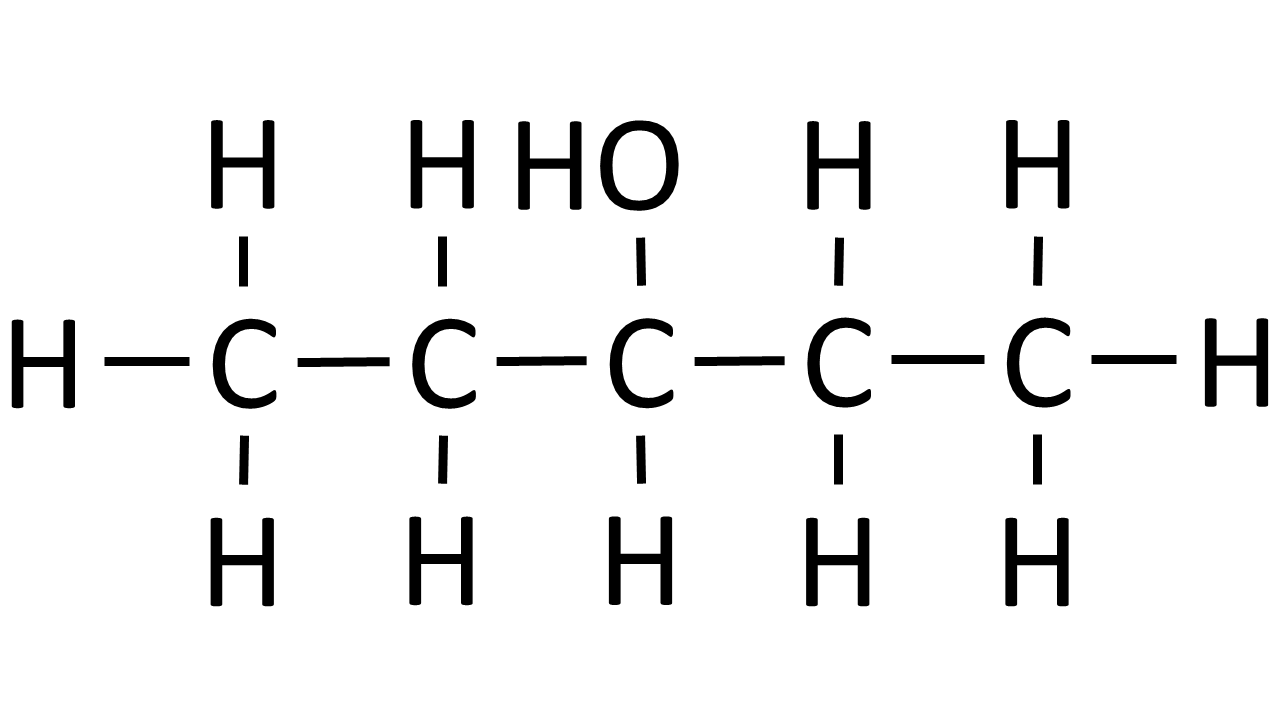
Pentan-3-ol
What is the systematic name of this molecule?
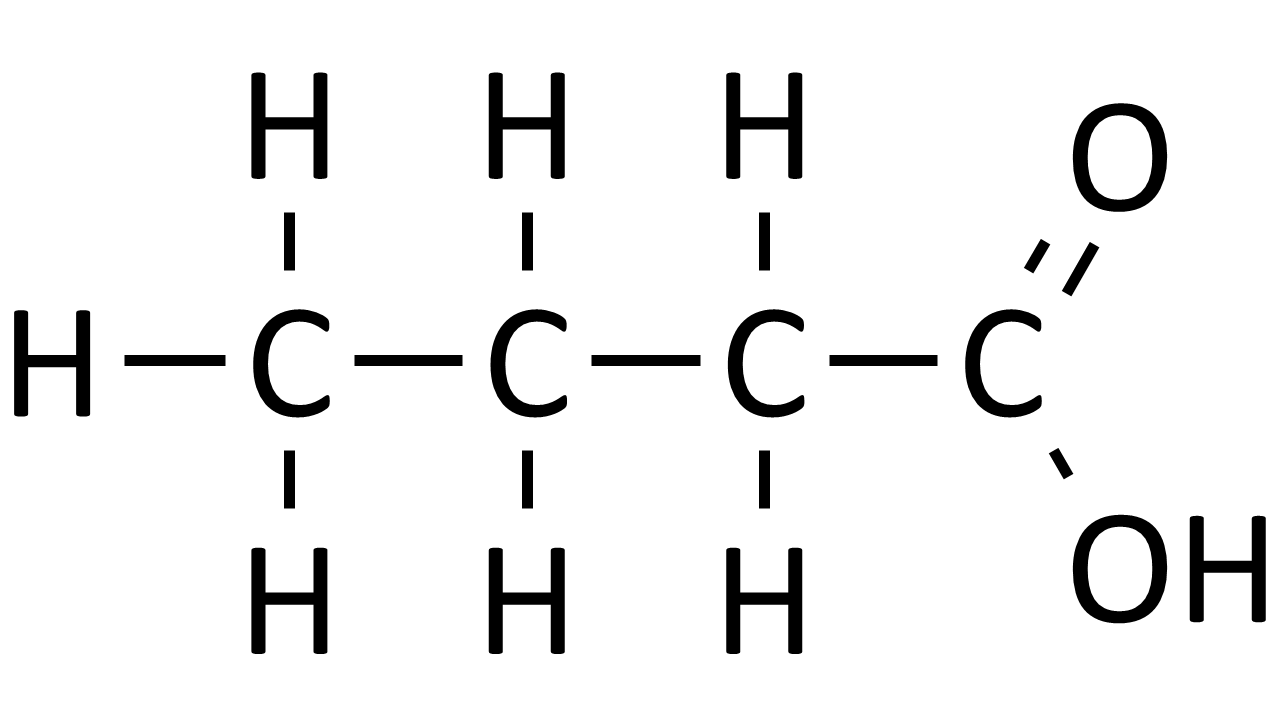
Butanoic acid