EXAM 2
No description yet. This curated deck is ready for daily study.
Card preview (24)
Predict the major product or provide either the reactant (s) or reagents to accomplish each of the following transformations. More than 1 step may be required to complete a transformation. Note: for reactions that result in the formation of a chiral molecule, indicate that enantiomer/diastereomers are formed and clearly show stereochemistry.
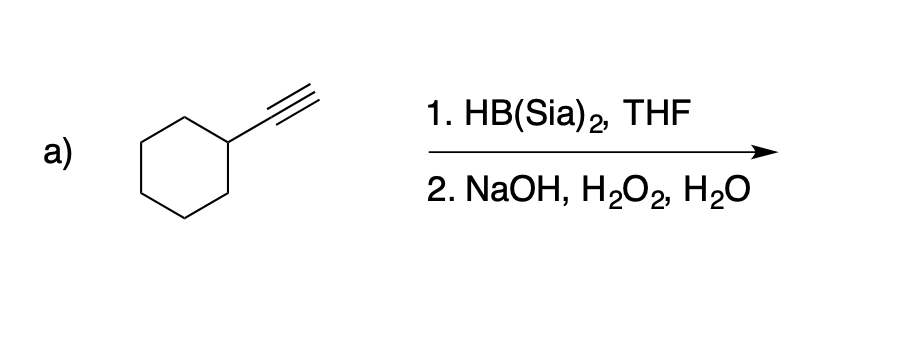
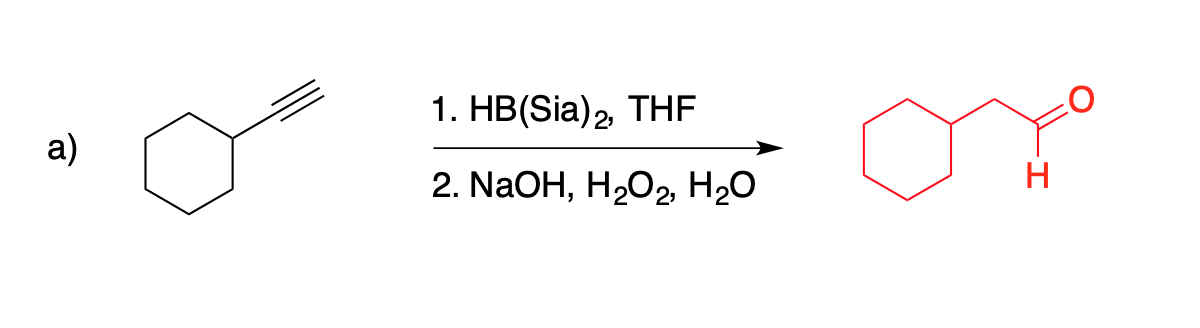
Predict the major product or provide either the reactant (s) or reagents to accomplish each of the following transformations. More than 1 step may be required to complete a transformation. Note: for reactions that result in the formation of a chiral molecule, indicate that enantiomer/diastereomers are formed and clearly show stereochemistry.
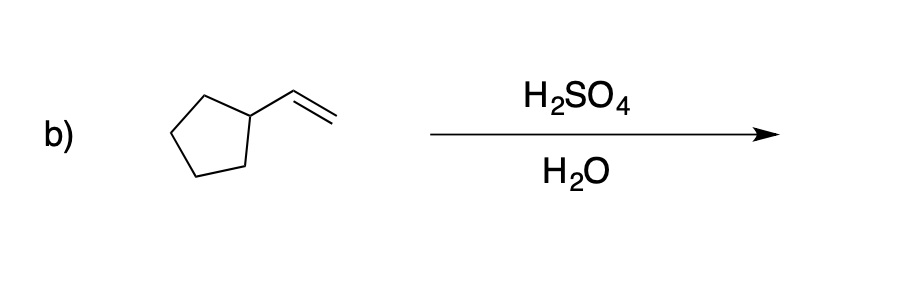
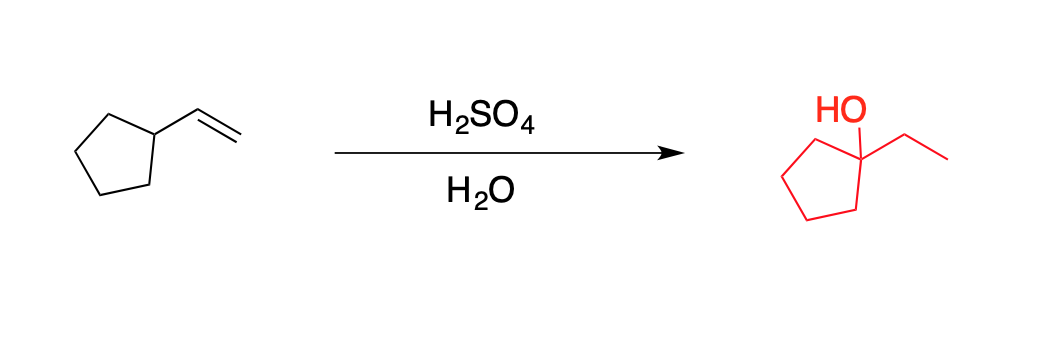
Predict the major product or provide either the reactant (s) or reagents to accomplish each of the following transformations. More than 1 step may be required to complete a transformation. Note: for reactions that result in the formation of a chiral molecule, indicate that enantiomer/diastereomers are formed and clearly show stereochemistry.
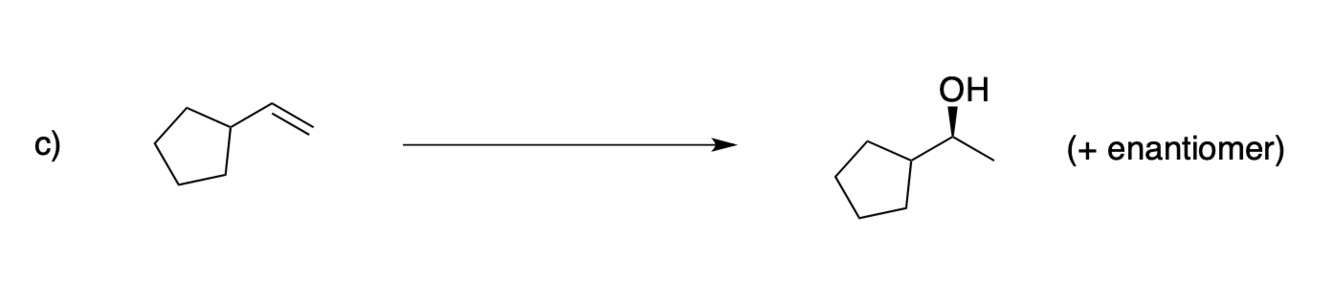
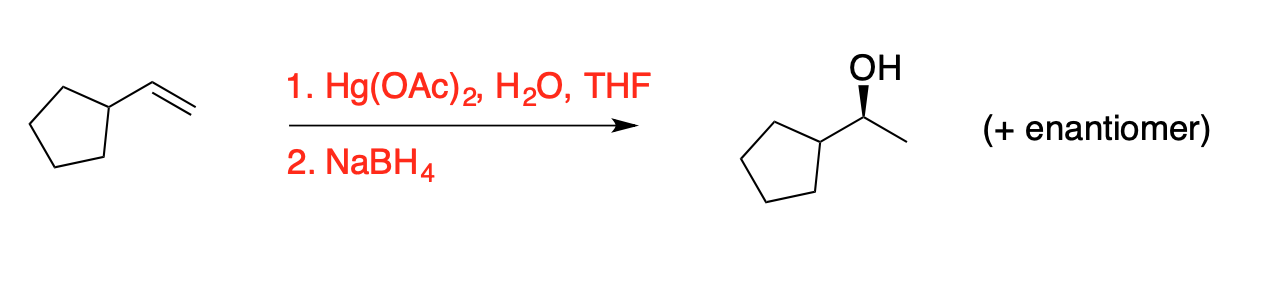
Predict the major product or provide either the reactant (s) or reagents to accomplish each of the following transformations. More than 1 step may be required to complete a transformation. Note: for reactions that result in the formation of a chiral molecule, indicate that enantiomer/diastereomers are formed and clearly show stereochemistry.
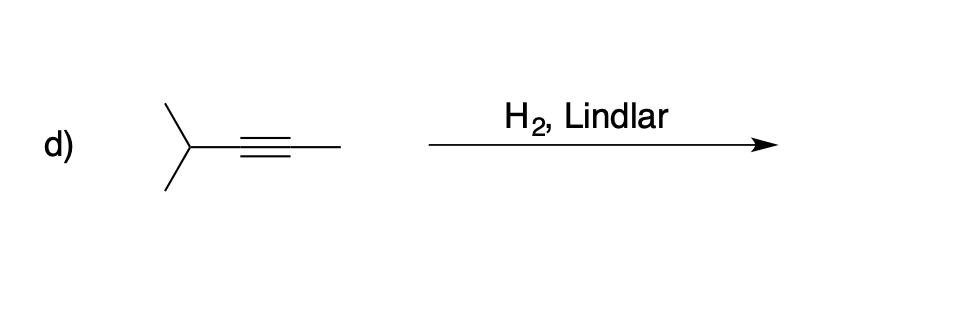
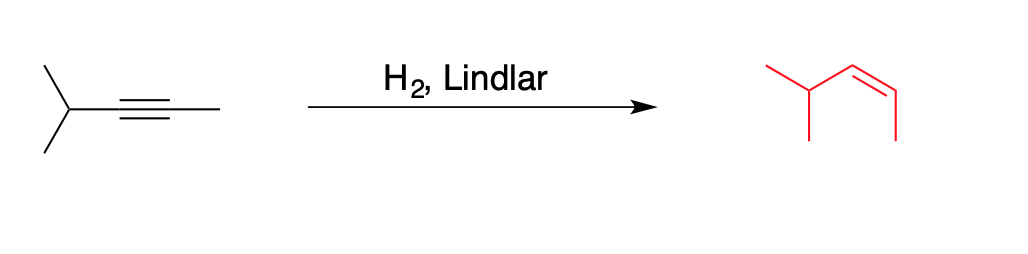
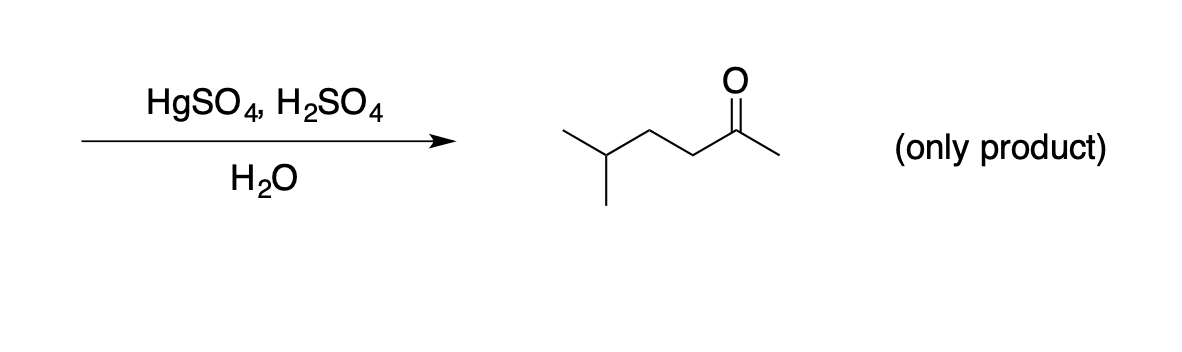
Predict the major product or provide either the reactant (s) or reagents to accomplish each of the following transformations. More than 1 step may be required to complete a transformation. Note: for reactions that result in the formation of a chiral molecule, indicate that enantiomer/diastereomers are formed and clearly show stereochemistry.

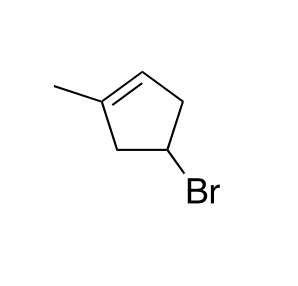
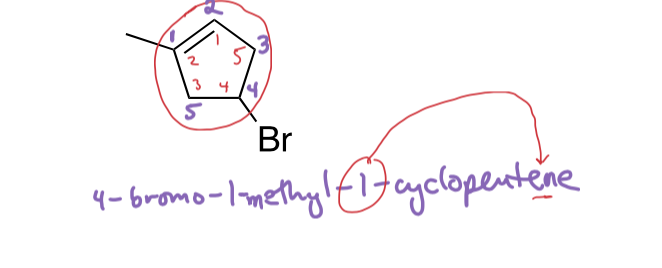
Provide the IUPAC name for the following molecule
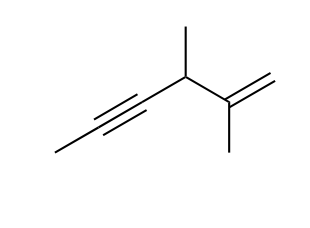
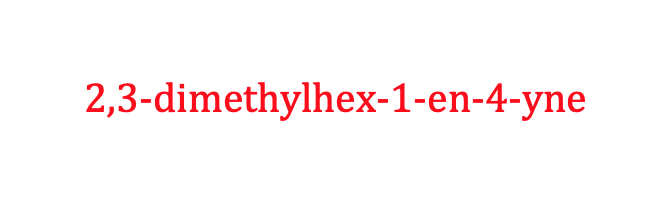
Provide the IUPAC name for the following molecule
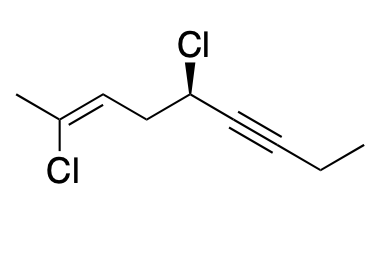
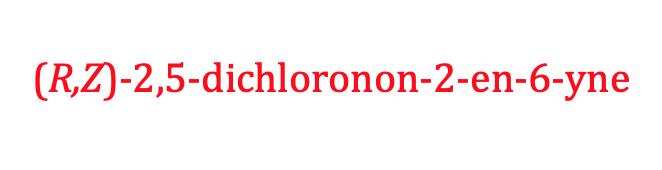
Please assign the configuration (E vs. Z) for each of the following alkenes, where appropriate.
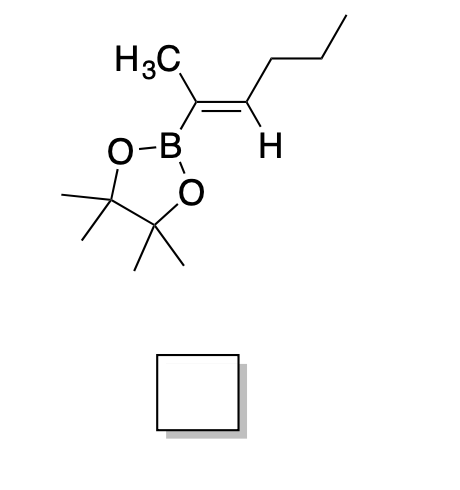
Z
Please assign the configuration (E vs. Z) for each of the following alkenes, where appropriate.
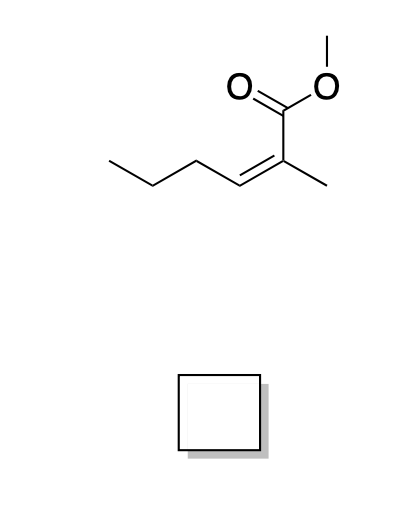
Z
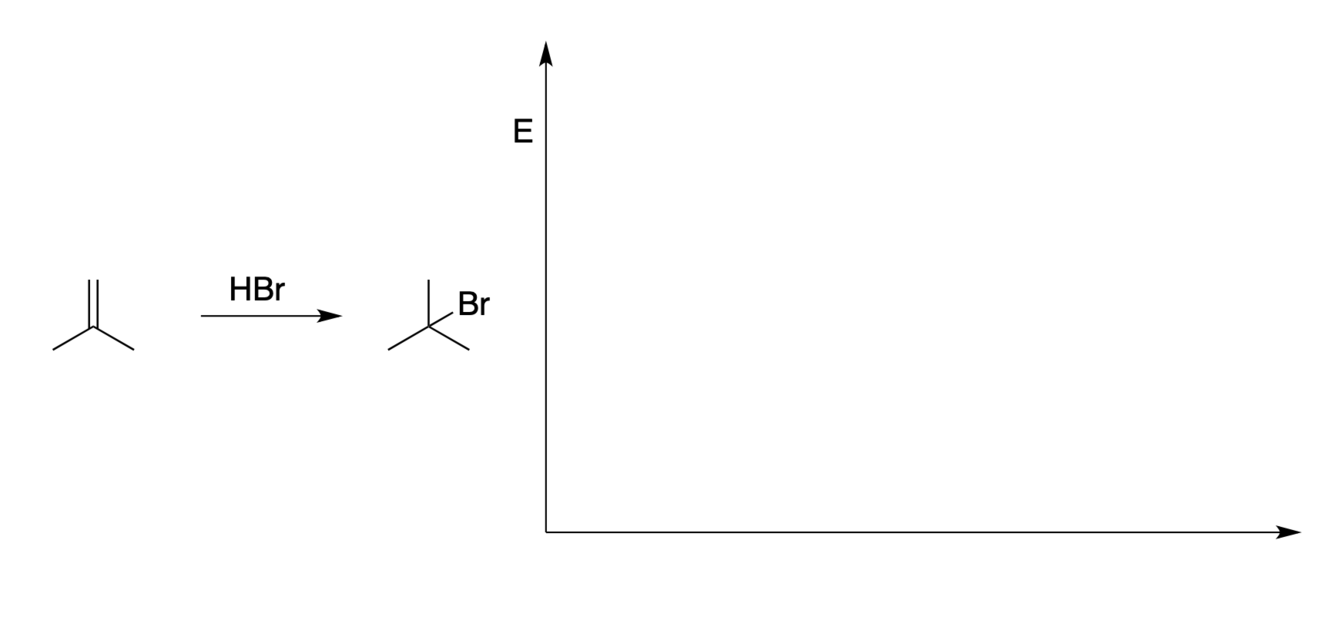
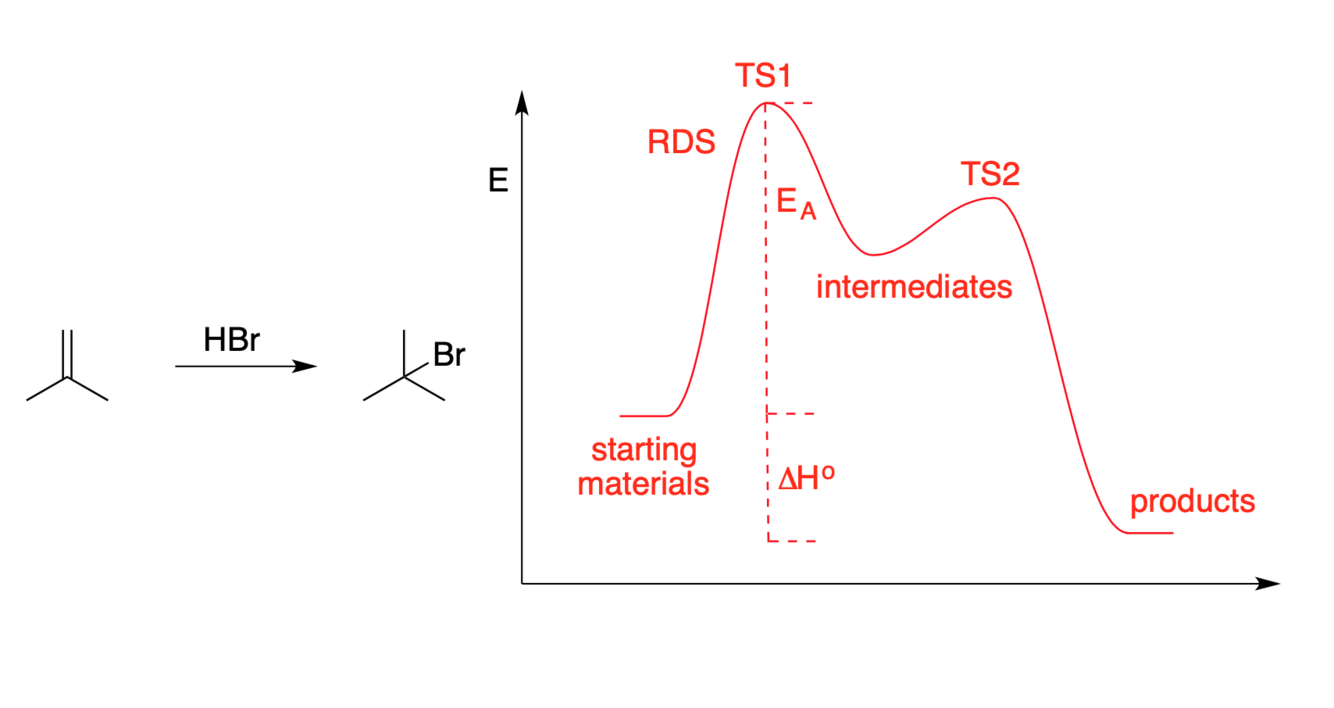
Draw the Reaction Coordinate Diagram for the following reaction. Clearly label and indicate positions for starting materials, intermediates, products, transition states, Activation Energy (EA) and Heat of Reaction (ΔHo), and rate determining step (RDS).
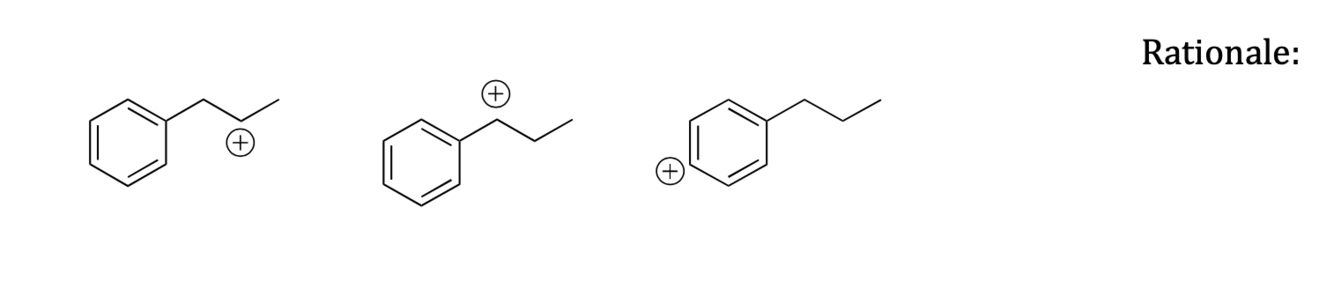
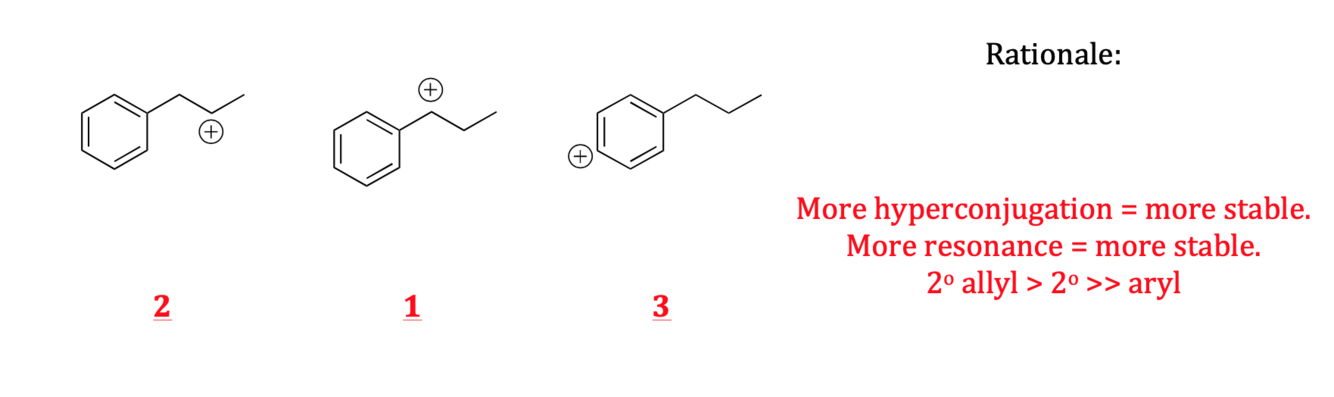
Please numerically rank the reactive intermediates in each of the following categories. [1 = most stable, 3 = most reactive (unstable).] Briefly rationalize each answer.
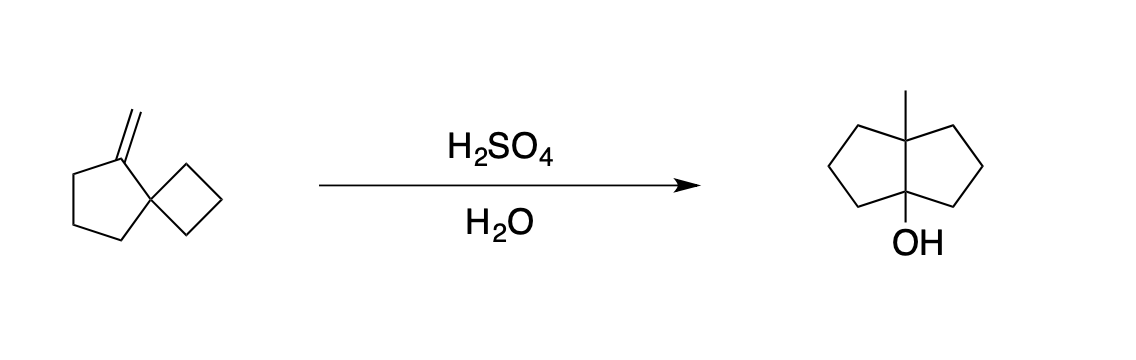
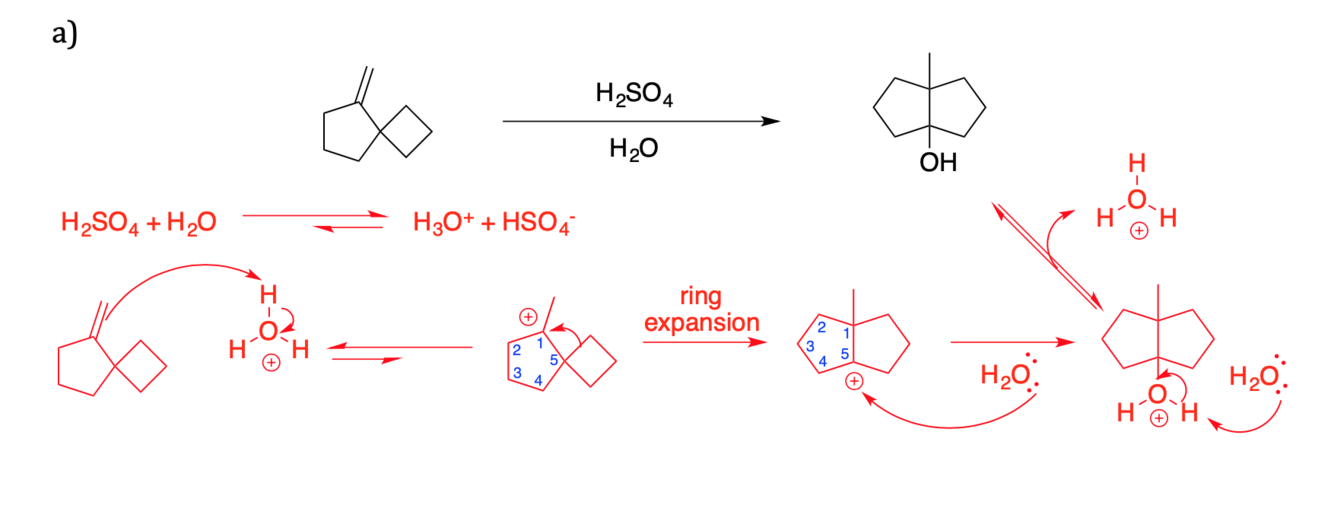
Please provide a reasonable arrow-pushing mechanism for each of the following reactions. Note: be sure to show all resonance structures (if any), lone pairs, and formal charges!
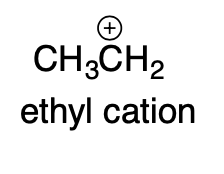
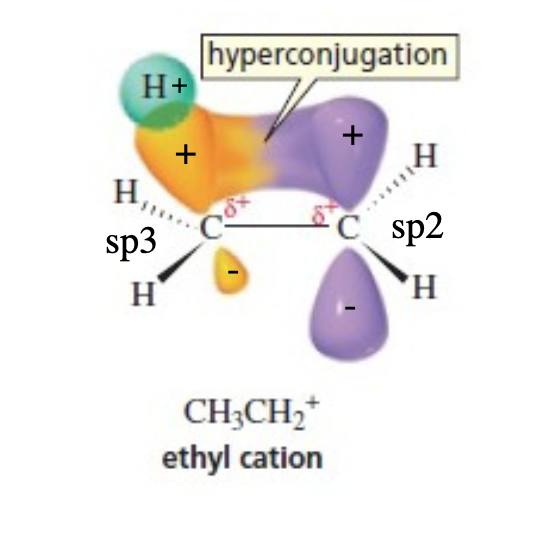
Hyperconjugation, or the overlap of a filled σ orbital with an empty unhybridized p orbital, is linked to the stability trend of carbocations. Please represent this phenomenon by explicitly drawing the hyperconjugation that occurs with an ethyl carbocation, clearly indicating the types of orbitals that are interacting, the phases of the orbitals, and hybridization of the carbons.
Please provide a reasonable arrow-pushing mechanism for each of the following reactions. Note: be sure to show all resonance structures (if any), lone pairs, and formal charges!
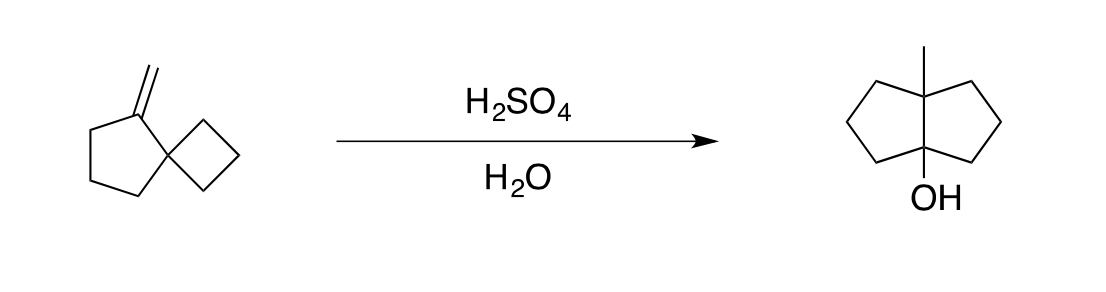
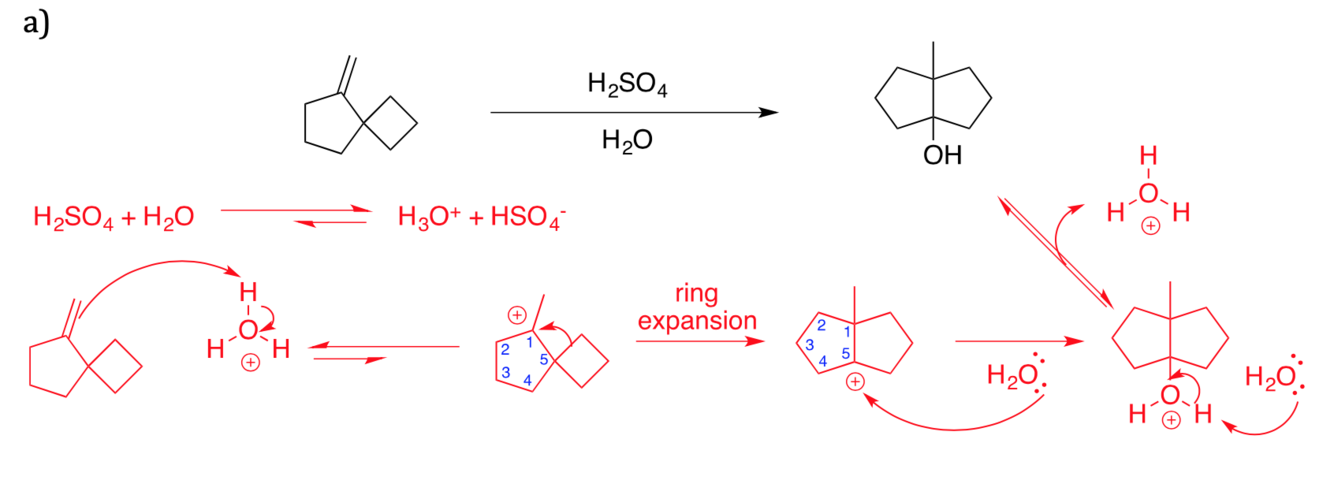
Please provide a reasonable arrow-pushing mechanism for each of the following reactions. Note: be sure to show all resonance structures (if any), lone pairs, and formal charges!
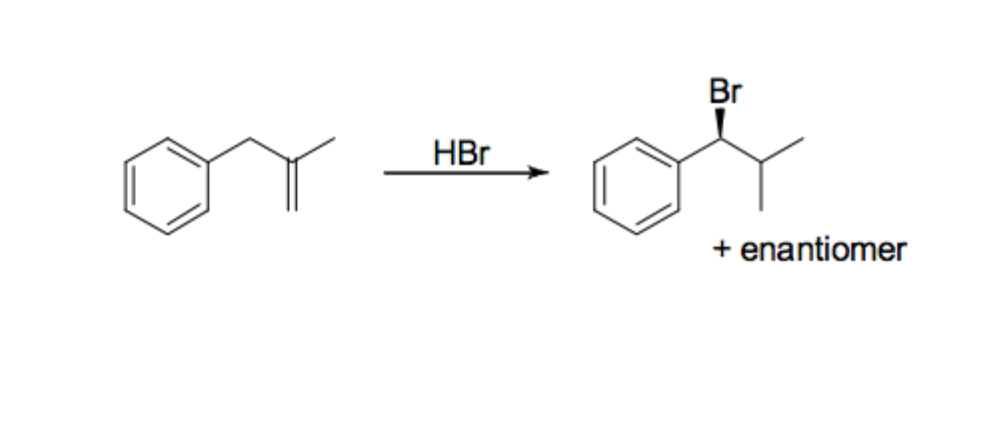
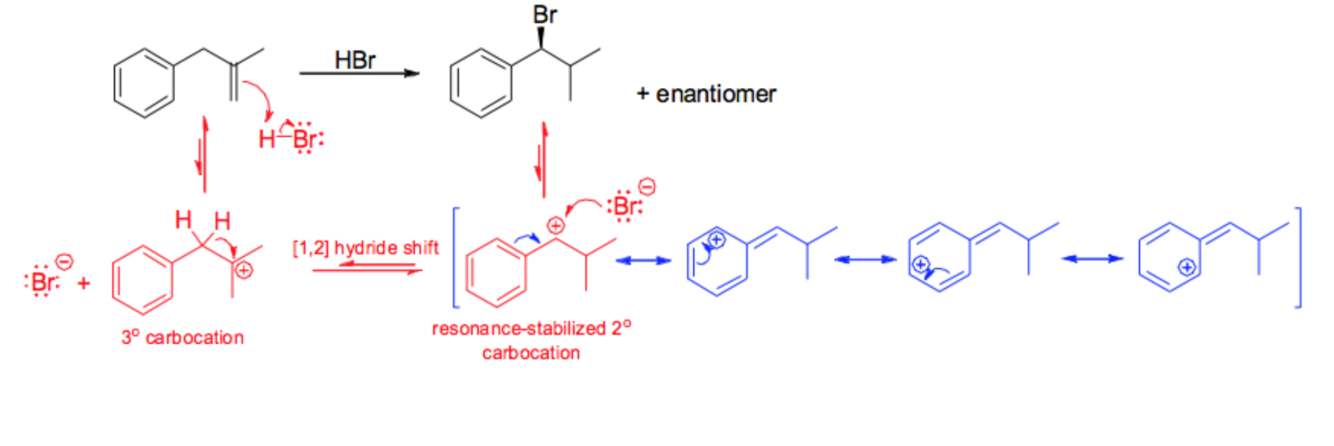
Predict the major product or provide either the reactant(s) or reagents to accomplish each of the following transformations. More than 1 step may be required to complete a transformation. Note: for reactions that result in the formation of a chiral molecule, indicate that enantiomers/diastereomers are formed and clearly show stereochemistry.
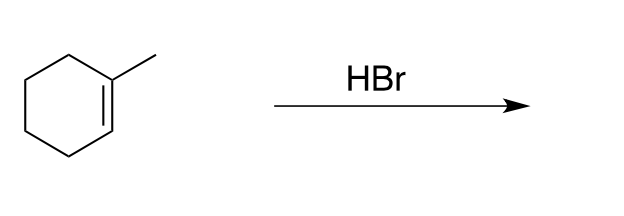
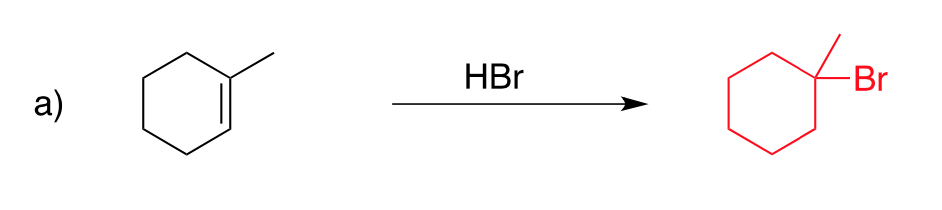
Predict the major product or provide either the reactant(s) or reagents to accomplish each of the following transformations. More than 1 step may be required to complete a transformation. Note: for reactions that result in the formation of a chiral molecule, indicate that enantiomers/diastereomers are formed and clearly show stereochemistry.
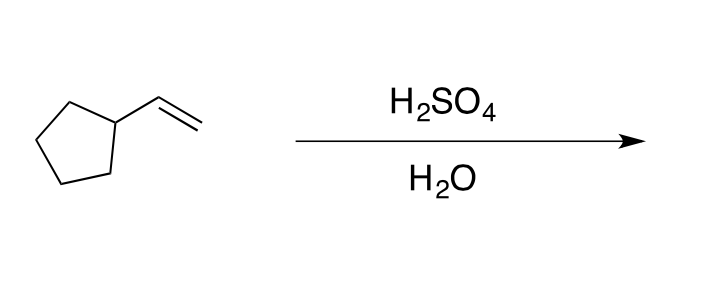
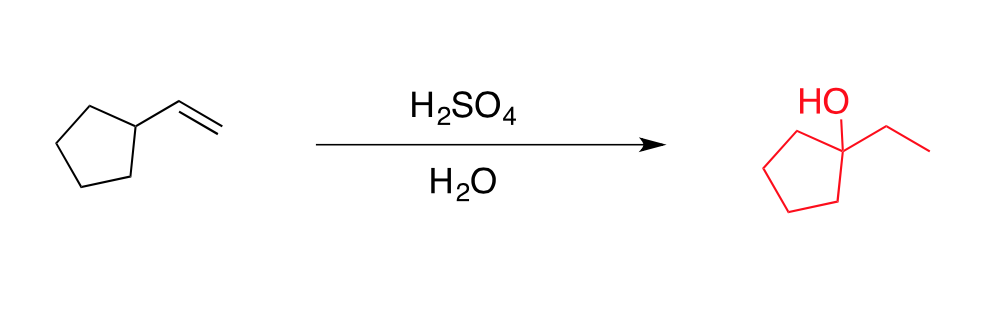
Predict the major product or provide either the reactant(s) or reagents to accomplish each of the following transformations. More than 1 step may be required to complete a transformation. Note: for reactions that result in the formation of a chiral molecule, indicate that enantiomers/diastereomers are formed and clearly show stereochemistry.
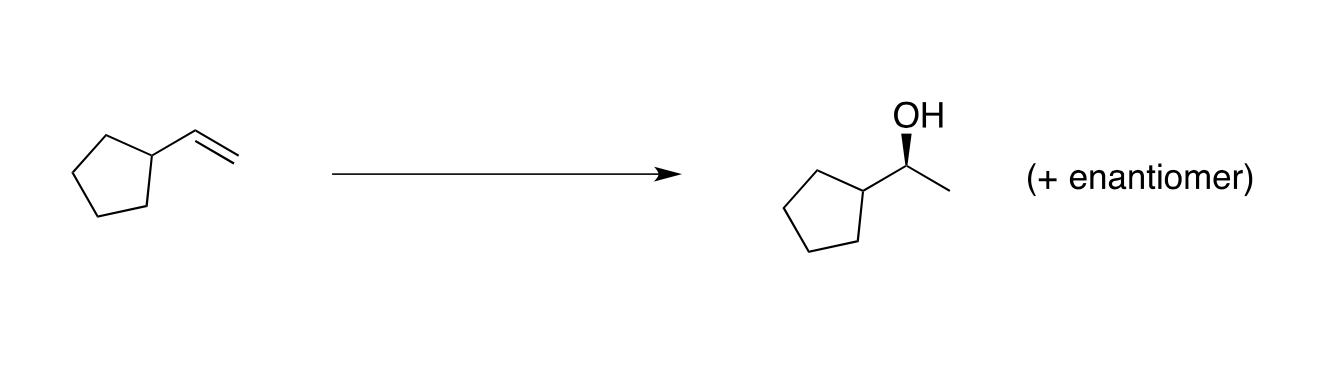
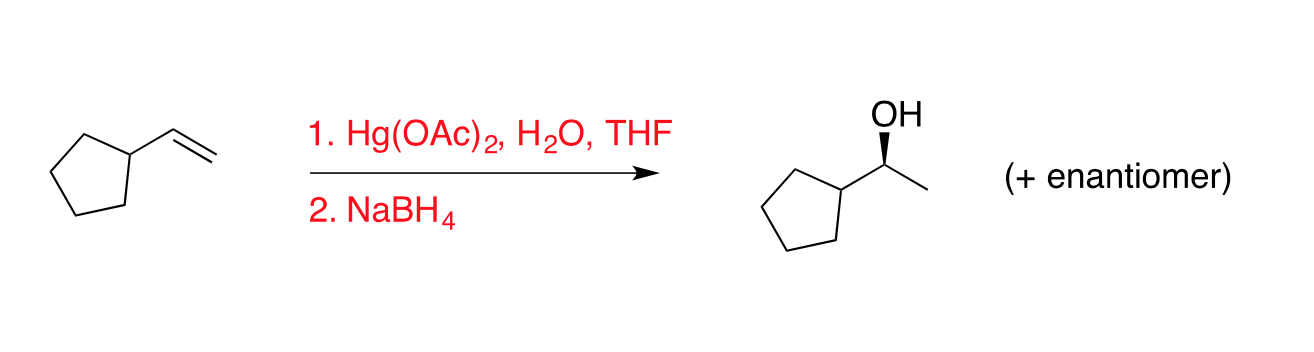
Predict the major product or provide either the reactant(s) or reagents to accomplish each of the following transformations. More than 1 step may be required to complete a transformation. Note: for reactions that result in the formation of a chiral molecule, indicate that enantiomers/diastereomers are formed and clearly show stereochemistry.
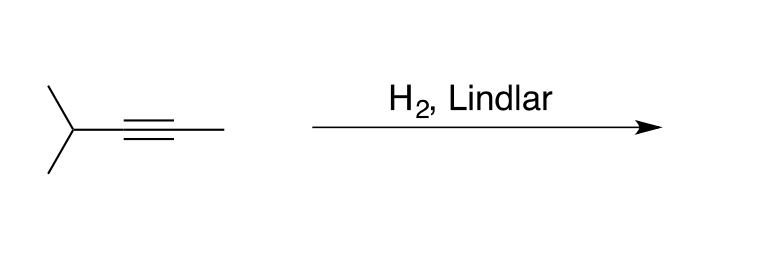
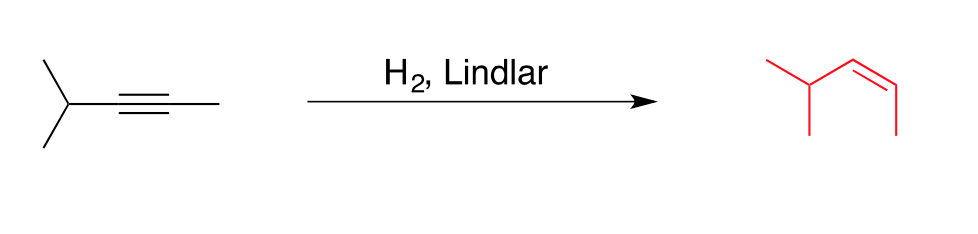
Predict the major product or provide either the reactant(s) or reagents to accomplish each of the following transformations. More than 1 step may be required to complete a transformation. Note: for reactions that result in the formation of a chiral molecule, indicate that enantiomers/diastereomers are formed and clearly show stereochemistry.
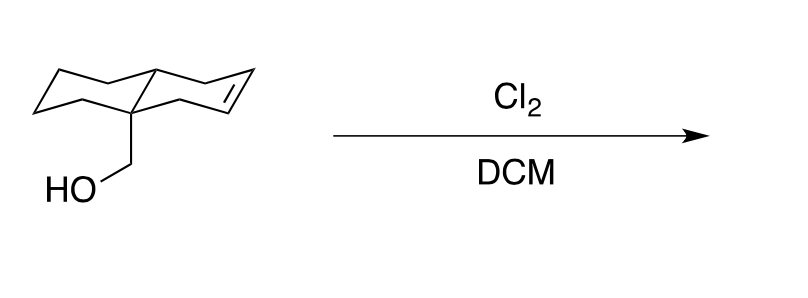
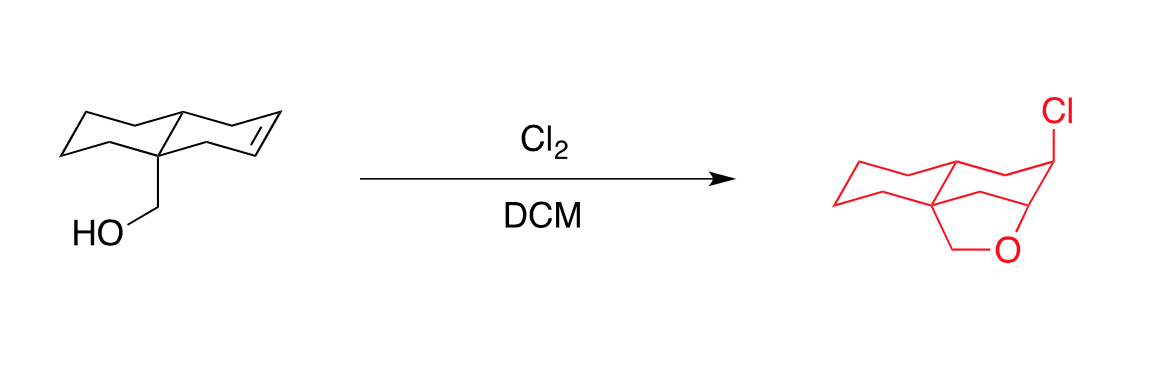
Please provide a reasonable synthesis for the following molecules using the starting material(s) given. You may use any additional reactants/reagents that your synthetic route may require.
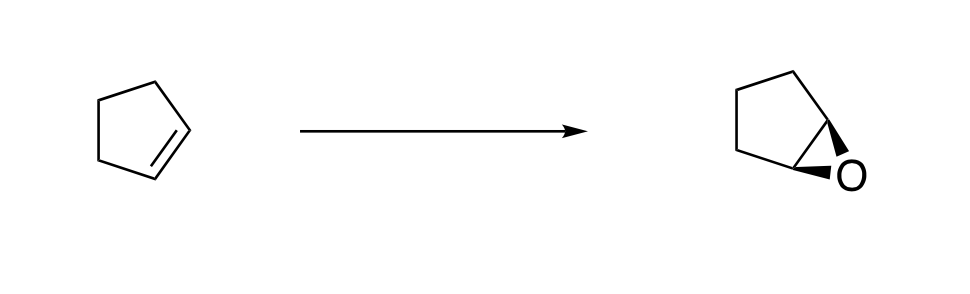
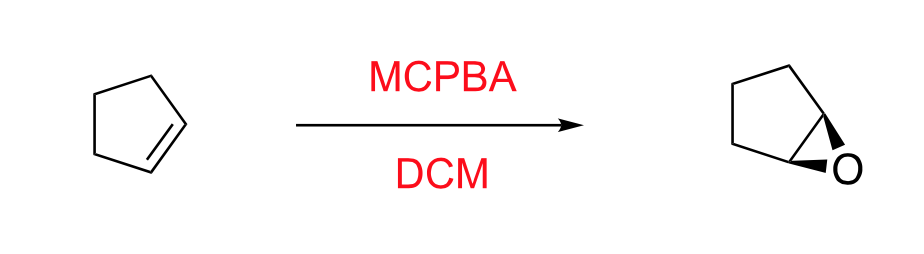
Please provide a reasonable synthesis for the following molecules using the starting material(s) given. You may use any additional reactants/reagents that your synthetic route may require.
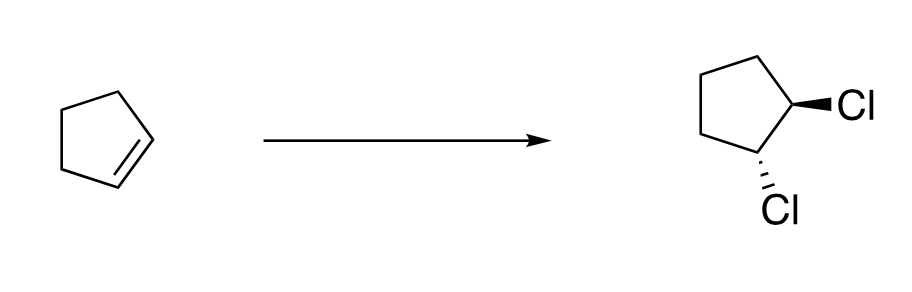
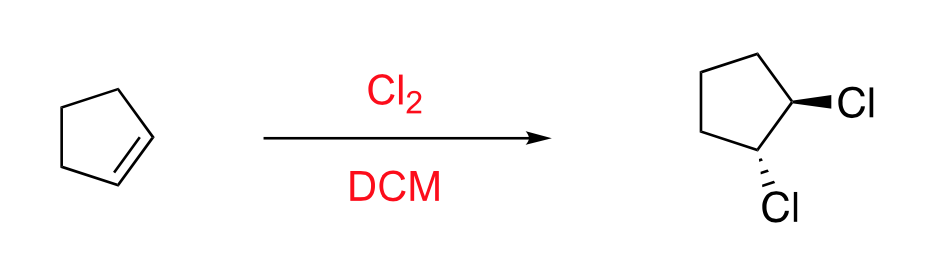
IUPAC Nomenclature. Provide the correct IUPAC nomenclature for the following compounds:
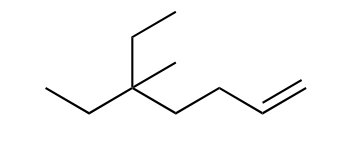
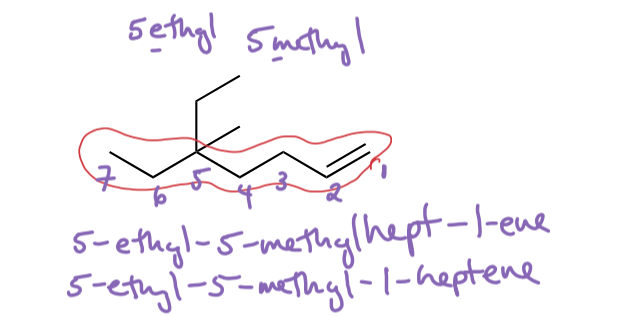
IUPAC Nomenclature. Provide the correct IUPAC nomenclature for the following compounds: