4b: Drug Availability
No description yet. This curated deck is ready for daily study.
Card preview (24)
Acids and Bases Lewis definition of acid & base?
Acid: e- acceptor Base: e- donor
Acids and Bases Bronsted-Lowry definition of acid & base?
Acid: proton donor Base: proton acceptor
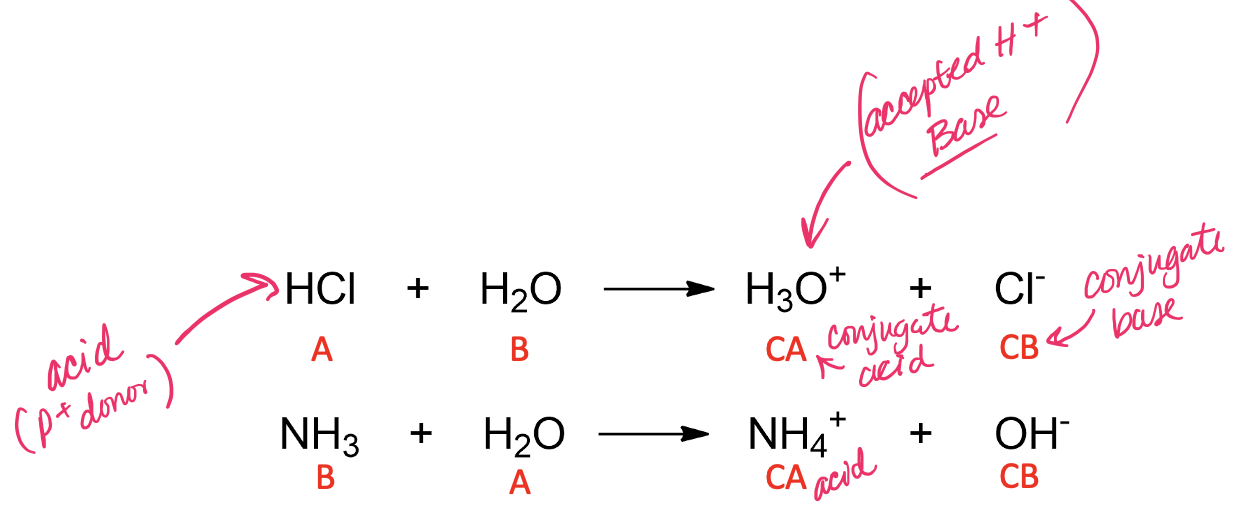
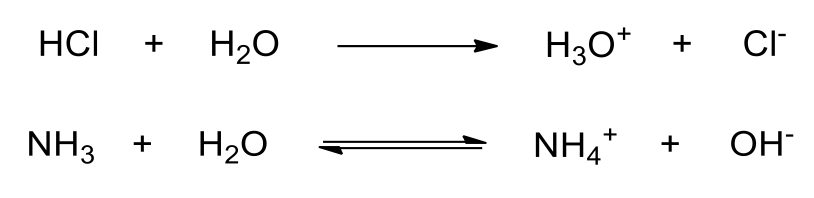
When dissolved in water, ____ acids completely ionize (break apart ions).
Strong Acids. HCl, HBr, HI, HNO3, HClO4, H2SO4 Have weak conjugate bases.
When dissolved in water, ____ acids partially ionize.
Weak acids. (prefers this form) HF, H2CO3, H3PO4, organic acids (carboxylic acid, protonated drugs, etc) *Have STRONG conjugate bases.
When dissolved in water, ____ bases completely ionize (break apart ions).
Strong bases. LiOH, NaOH, KOH, Sr(OH)2, Ca(OH)2, Ba(OH)2
When dissolved in water, ____ bases partially ionize.
Weak bases. Mg(OH)2, transition metal hydroxies, NH3
When a base accepts a proton, what has it now become?
Conjugate acid!
When an acid gives away a proton, what has it now become?
Conjugate base!
What is amphoteric?
When speaking of water, it means it can act as either an acid or a base. She’s a lil indecisive. ;)
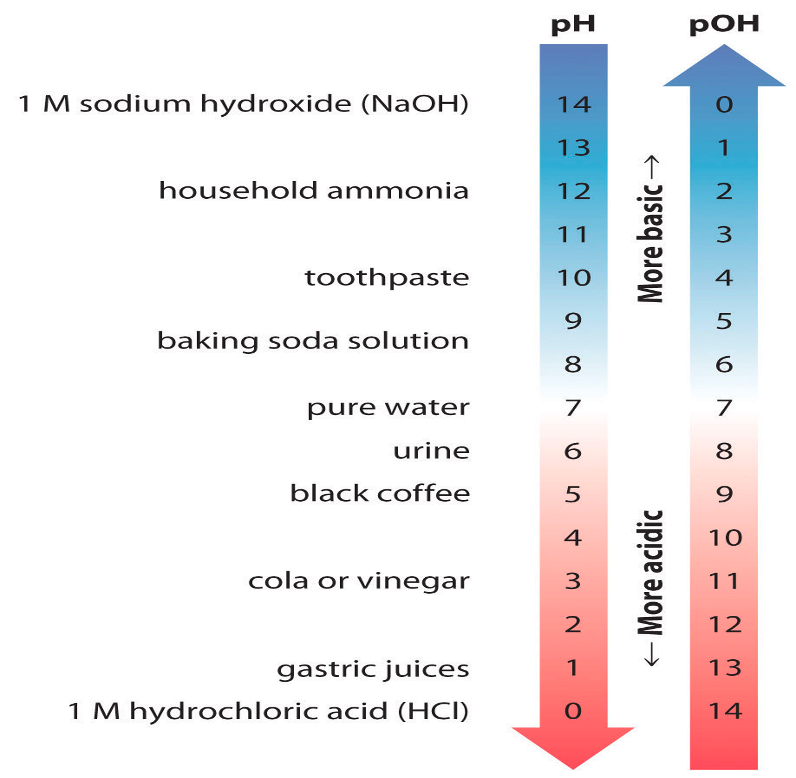
What is the water constant (Kw) (pH + pOH = )
14
pH is 7. What substance am I most likely describing here?
Pure water! (Neutral pH)
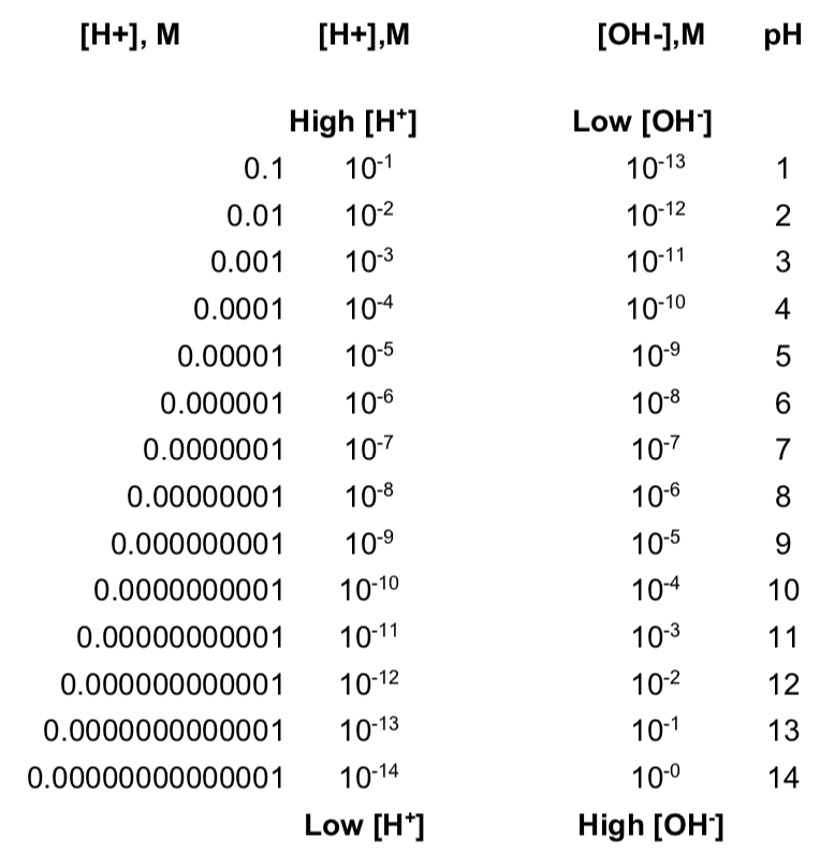
Is the pH scale logarithmic? What does this mean?
Yes. This means an increase of 1 (so pH of 6 to 7) is actually a factor of 10!!!
How do we measure acid strength? (2 ways)
• Ka (acid-dissociation constant) (the larger = more acidic = easier it is to remove a proton) • pKa (the lower, the more acidic)
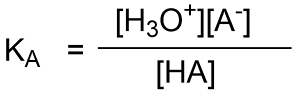
pKa scale *lower = more acidic
• -20 - 25 = acidic! • 30-60 = not as acidic (not considered basic)
Strong base calculation ____.
• pOH- = -log [OH-] • pH + pOH = 14 (plug in and solve) *remember normal range for pH of a base (>7) *dont forget to balance your equation!!!
Strong acid calculation ____.
pH = -log [HCO3] *dont forget to balance your equation!!!
(Ka/Kb x M), take square root, plug into pH or pOH formula accordingly (subtract 14 if Kb/base).
Calculating pH given the Moles & Ka/Kb.
Bases produce ____, acids produce ____.
Bases = hydroxide (OH-) Acids = hydronium (H3O+)
What is a homogenous mixture of 2 or more substances?
Solution!
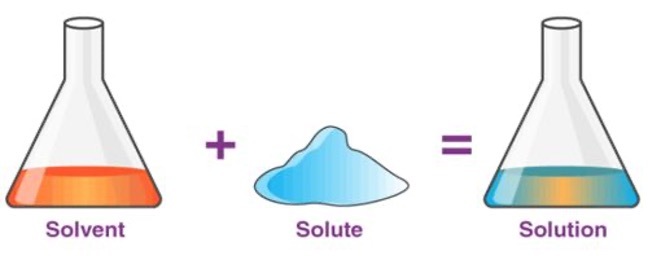
Where do most chemical reactions take place?
In water! *most common and most important
What is the major component of a mixture?
Solvent
What is the minority component of a mixture?
Solute.
What are two terms that could describe the amount of solute in a solution? It is either ___ or ___.
• Concentrated • Diluted
Blood pH calculation
pH = 6.1+ log (HCO3/0.03 x pCO2)