Lecture 1 & 2 – Overview & Impact
No description yet. This curated deck is ready for daily study.
Card preview (23)
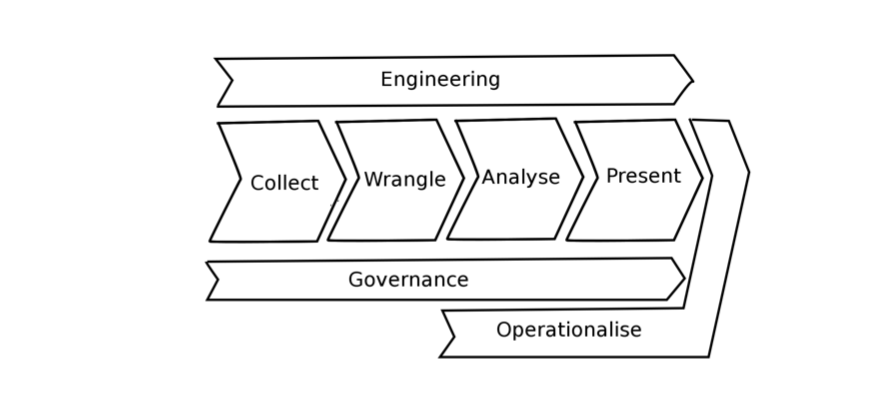
Explain the Standard Value Chain: Parts of a Data Science Project
Collection: getting the data; * Wrangling: data preprocessing, cleaning; * Analysis: discovery (learning, visualisation, etc.); * Presentation: arguing the case that the results are significant and useful; * Engineering: storage and computational resources across full lifecycle; * Governance: overall management of data across full lifecycle; * Operationalisation: putting the results to work, so as to gain benefits or value.
Name four roles (entities) in a data science project and explain
Business analyst: Collection: copy and paste into Excel Engineering: use Excel to store and retrieve Wrangling: use Excel functions, VBA Analysis: charts Programmer: Collection: web APIs, scraping, database queries Engineering: flat files Wrangling: Python and Perl, etc. Analysis: Matplotlib in Python, R Enterprise: Collection: application databases, intranet files, server logs Engineering: Teradata, Oracle, MS SQL Server Wrangling: Talend, Informatica Analysis: Cognos, Business Objects, SAS, SPSS Web Company: Collection: application databases, server logs, crawl data Engineering: Hadoop/Hive, Flume, HBase Wrangling: Pig, Oozie Analysis: dashboards, R
Which of the following definitions is TRUE about data science? Data Science is: A. machine learning on big data B. extraction of knowledge/value from data through the complete data lifecycle process C. almost everything that has something to do with data: collecting, analyzing, modeling, etc, yet the most important part is its applications - all sorts of applications D. All of the options
D. All of the options
What is machine learning?
Machine Learning is concerned with the development of algorithms and techniques that allow computers to learn. • concerned with building computational artifacts, • the underlying theory is statistics
Why use Machine Learning?
Machine learning is useful when: * Human expertise is not available, e.g., Martian exploration • Humans cannot explain their expertise (as a set of rules), or their explanation is incomplete and needs tuning, e.g., speech recognition • Many solutions need to be adapted automatically, e.g., user personalisation. • Situation changes over time, e.g., junk email • There are large amounts of data, e.g., discover astronomical objects • Humans are expensive to use for the work, e.g., handwritten zip code recognition
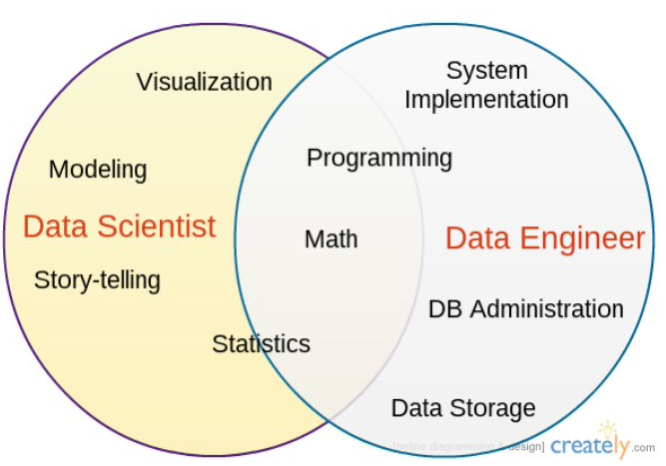
Data Scientists vs. Data Engineers
What is data science? (L2)
Data science is about • technology for working with data • processes for working with data • getting value from data in a way that is effective and consistent.
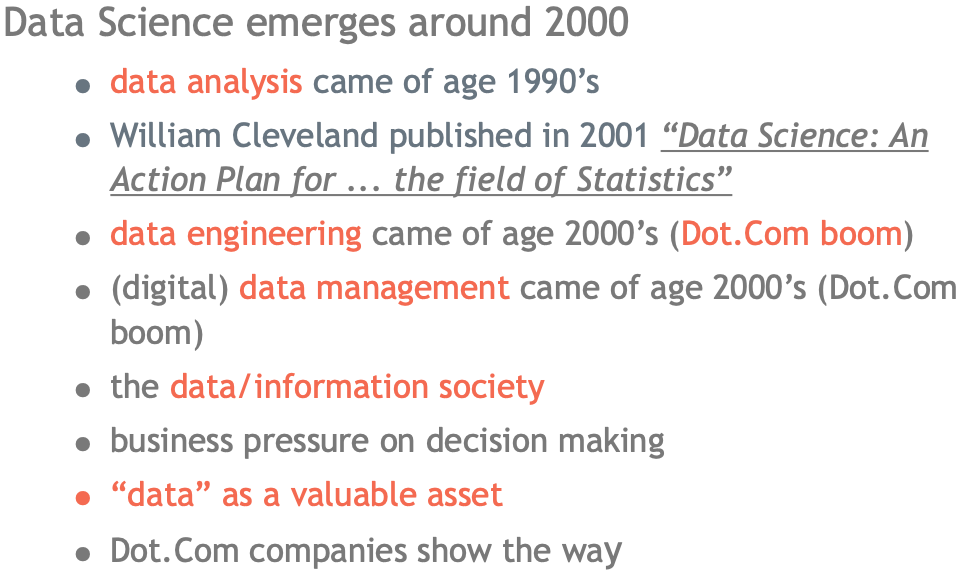
Evolution of Data Science … (L2)
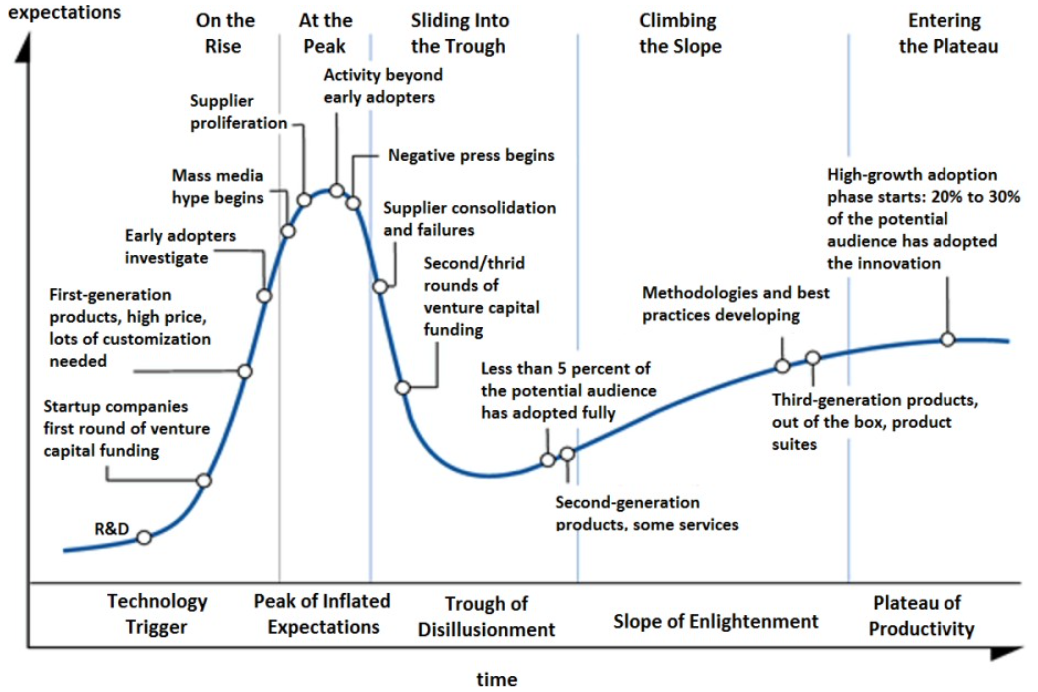
Explain Gartner’s Hype Cycle (L2)
Gartner’s Hype Cycle attempts to quantify the level of maturity of various technologies:
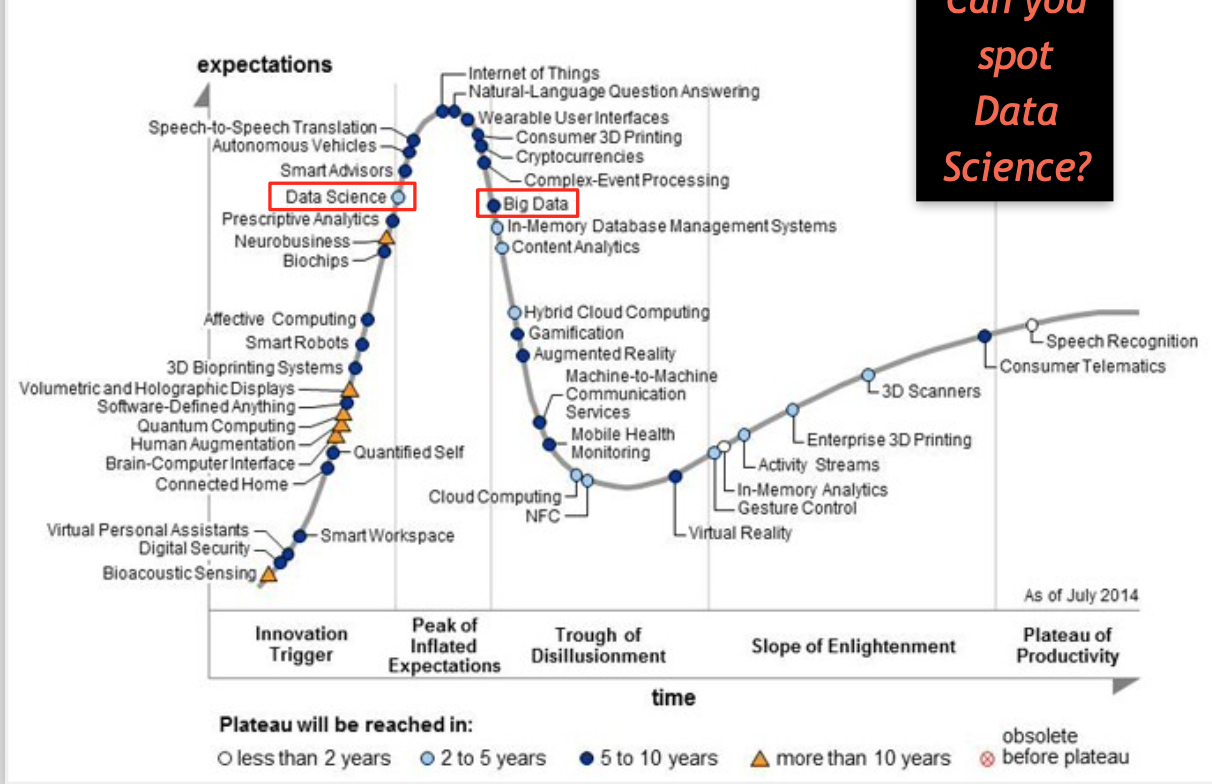
Hype Cycle in 2014 (L2)
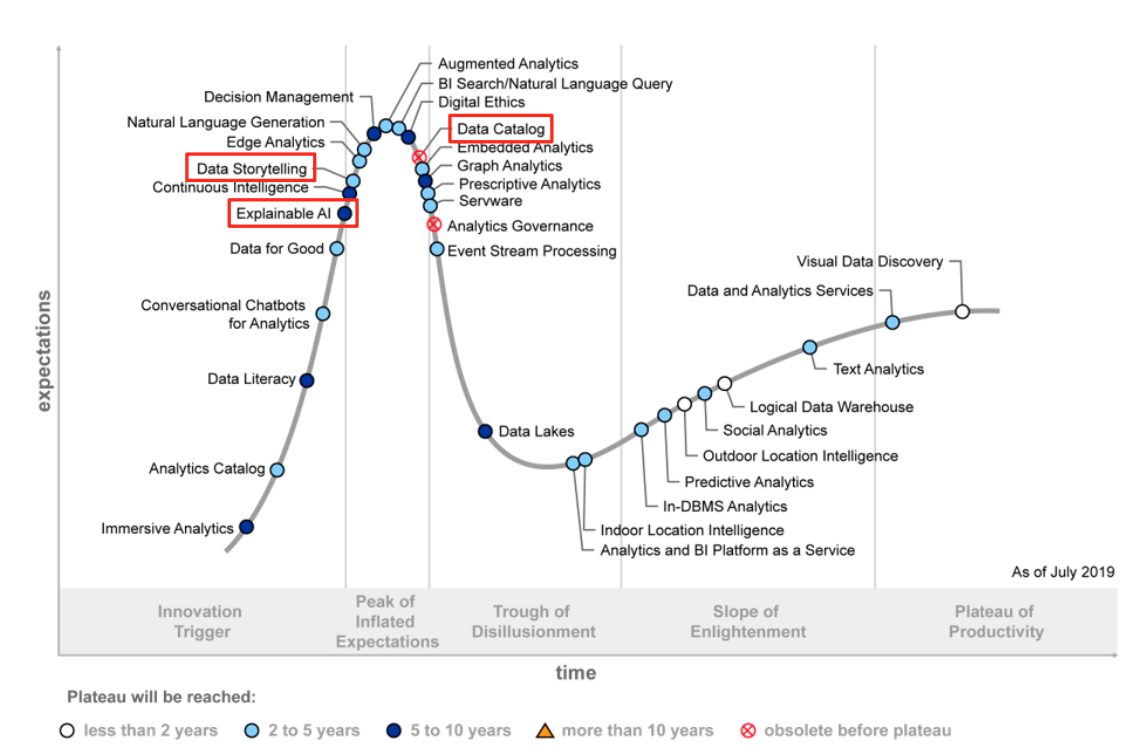
Hype Cycle for Analytics and Business Intelligence in 2019 (L2)
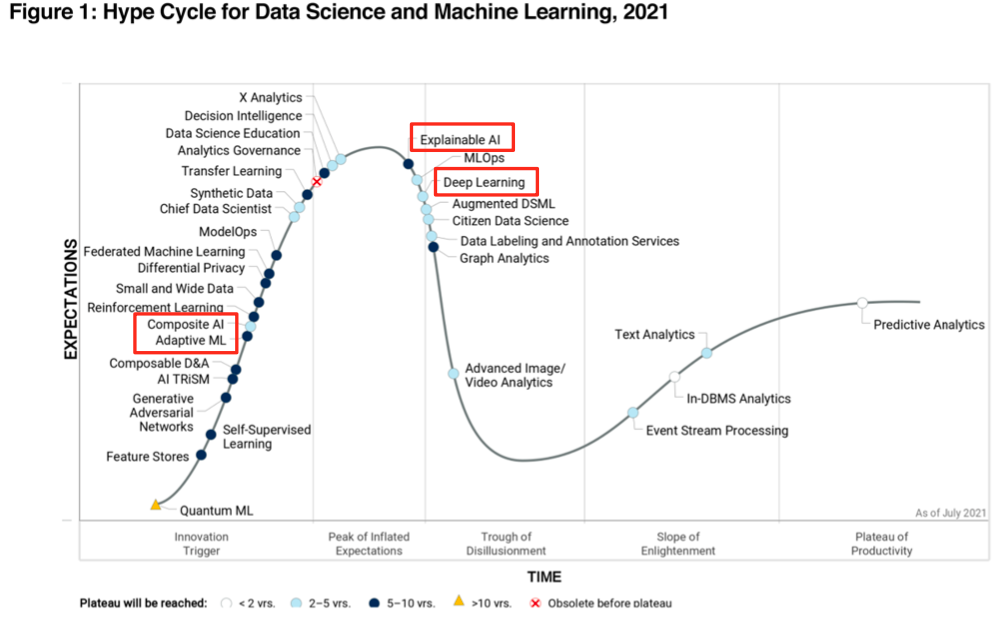
Hype Cycle for Data Science and Machine Learning 2021 (L2)
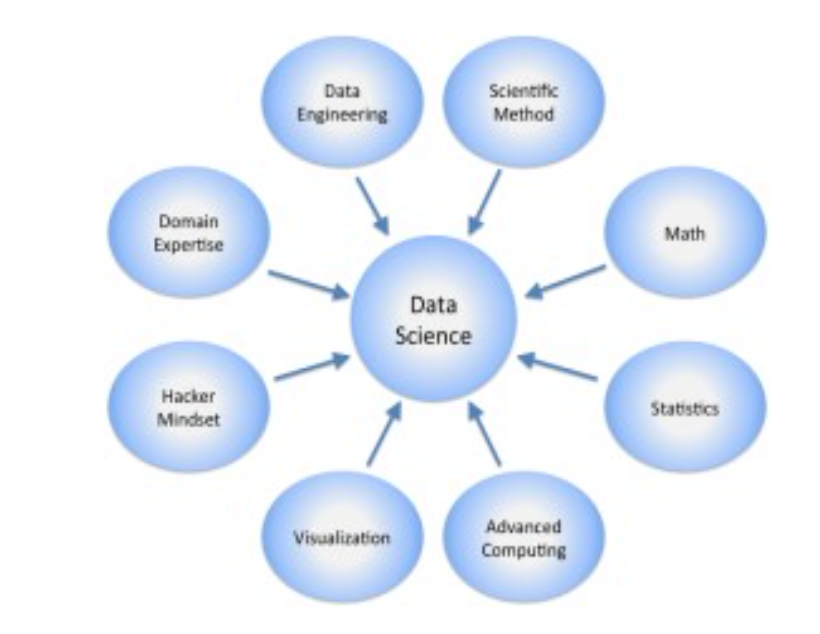
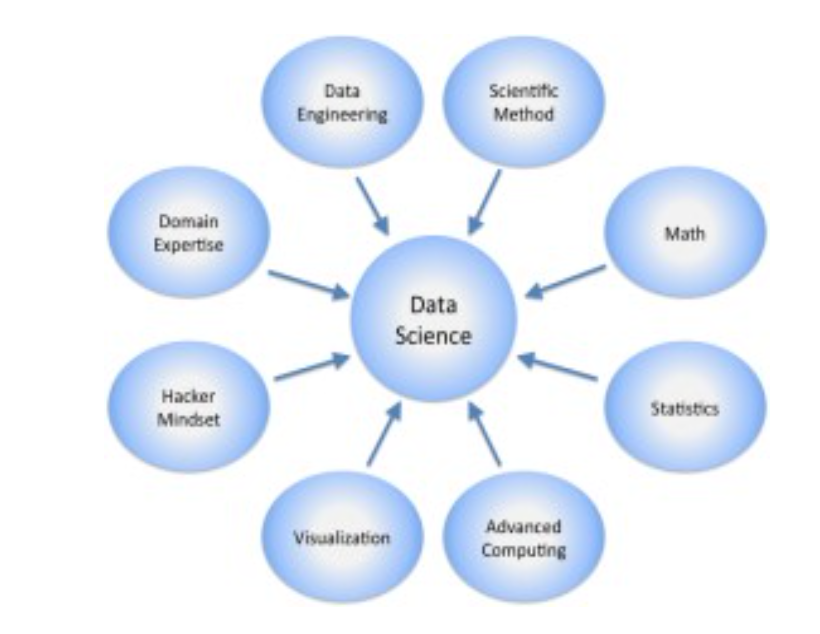
Relationship of Data Science to Other Disciplines (L2)
Related: Data Analysis Performing analysis and understanding results * e.g. R, Tableau, Weka, Microsoft Azure Machine Learning, … * machine learning, computational statistics, visualisation, … Related: Data Engineering Building scalable systems for storage, processing data * e.g. Amazon Web Services, Teradata, Hadoop, … * databases, distributed processing, datalakes, cloud computing, GPUs, wrangling, … Related: Data Management Managing data through its lifecycle * e.g. ANDS, Talend, Master Data Management, … * ethics, privacy, providence, curation, backup, governance, …
Impact of Data Science Name three examples on how data science is impacting others: (L2)
Your Life on the Cloud –> datafication of you Science and social good … scientific method holds true, but broadens technology Futurology … healthcare and automobiles
Impact of Data Science What is meant by “Your Life on the Cloud”? (L2)
Our personal information is increasingly stored in the cloud: * social life (Facebook), * career (LinkedIn), * search history (Google, etc.), * health and medical (Fitbit, TBD), * music (Apple), … This provides many, many, many advantages: * e.g. personal agents, computerised support for health, but also some disadvantages: * e.g. security and privacy breaches corporate leakage to government (security, tax, etc.) * what if you don’t have rights to access/delete data? * the department of pre-crime (e.g., having recidivism) * corporate mergers * “the science is settled” and government mandates
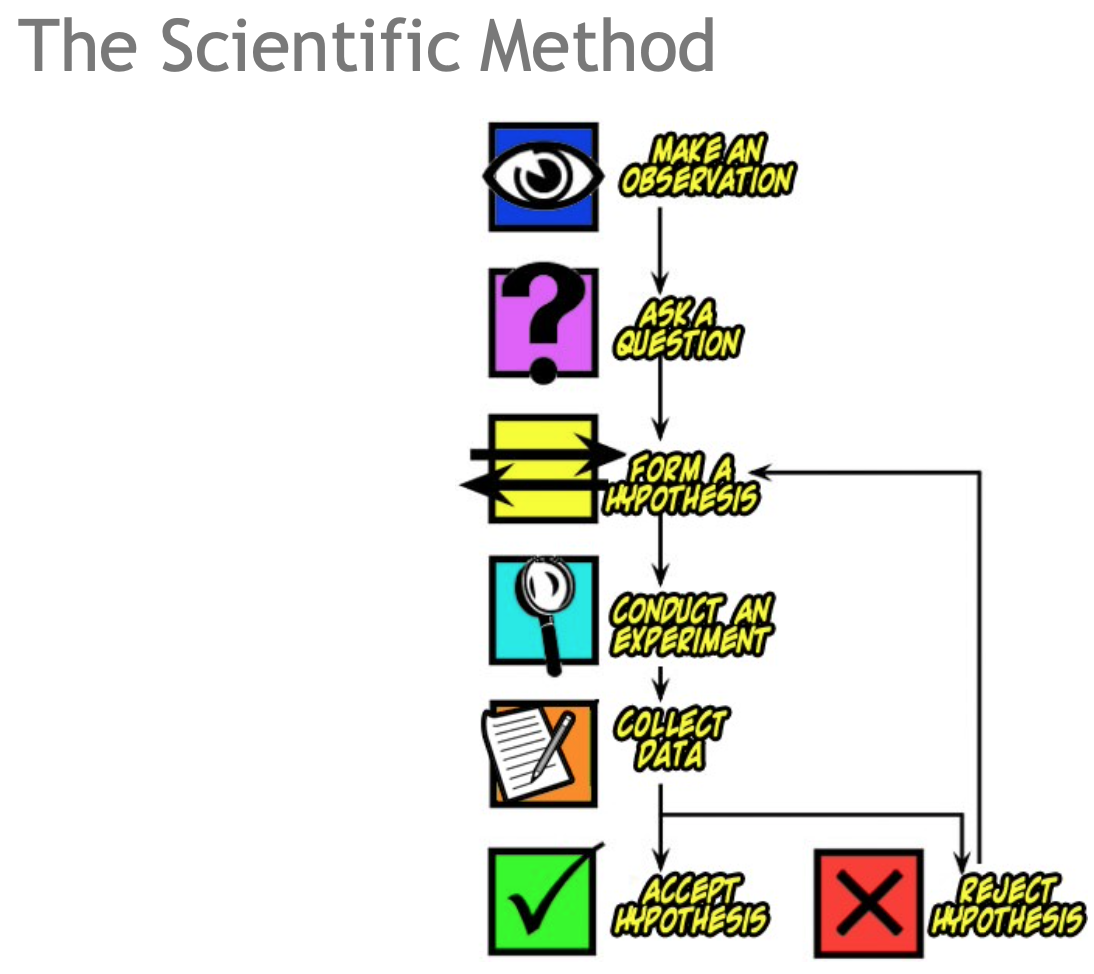
Impact of Data Science Scientific Method and Data Science: What is the relationship? How does Data Science affect the Scientific Method? (L2)
“The end of theory?” Science: - is largely driven by laborious studies to find complex causal models - find an explanation that can be used for future prediction Data Science: - No semantic or causal analysis required Example: –> When Google is delivering an advert, it doesn’t need to be right, it just needs a good guess –> Google’s founding philosophy is that we don’t know why this page is better than that one: If the statistics of incoming links say it is, that’s good enough.
Impact of Data Science Data Science for Social Good examples (L2)
Identifying Factors Driving School Dropout and Improving the Impact of Social Programs in El Salvador Predicting long-term unemployment in Portugal Quantifying the stability of society detect and localize an earthquake from cell call data
Impact of Data Science Futurology (L2)
Health Care * Your stomach can be instrumented to assess contents, nutrients, etc. * Your bloodstream can be instrumented too assess insulin levels, etc. * Your “health” dashboard can be online and shared by your GP * Health management organisations (HMO) tying funding levels to patient care performance * GP/HMO will know about your ice cream/beer binge last night and you missing your morning run Automobile Futurology Self-driving cars: * how does the city replace traffic fine revenue? * can you drink and drive if the car is automatic? * what happens to the taxi industry? * what happens to the auto insurance industry? * what happens to people still “self” driving, and their insurance?
What is data wrangling? (L2)
Data Wrangling is the process of transforming “raw” data into data that can be analysed to generate valid actionable results and insights. Needed when: - mistakes in data (e.g. missing, incorrect, outliers) - too much data (e.g. filter ) - combination of data sets (e.g. merge) - discretisation of data
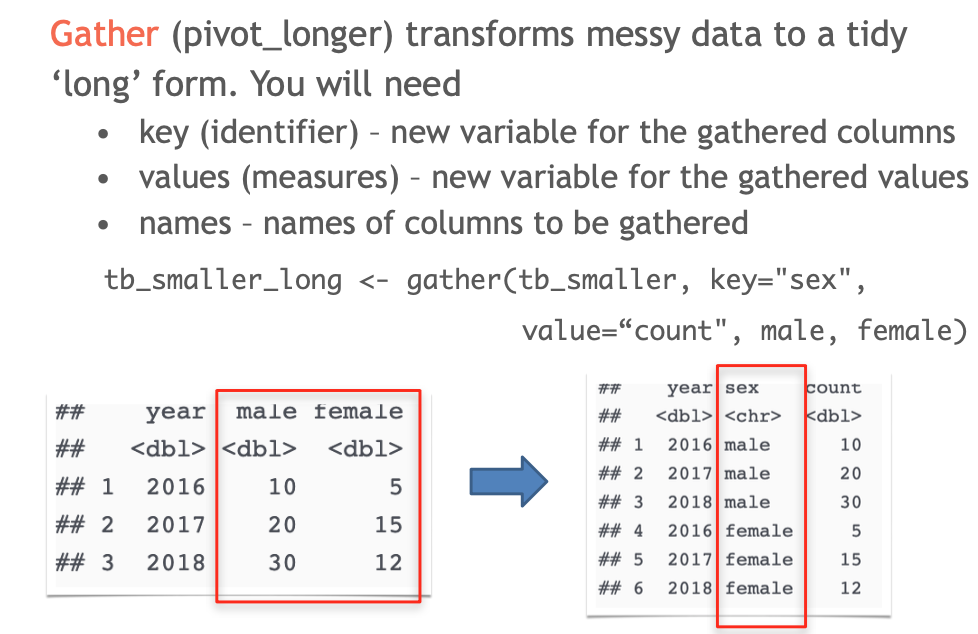
Tidy data: Gather (L2)
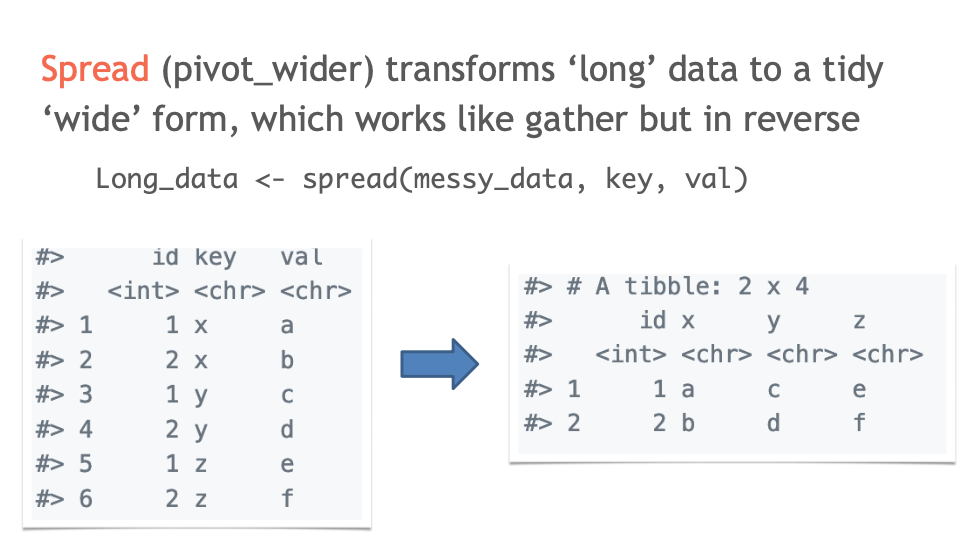
Tidy data: Spread (L2)
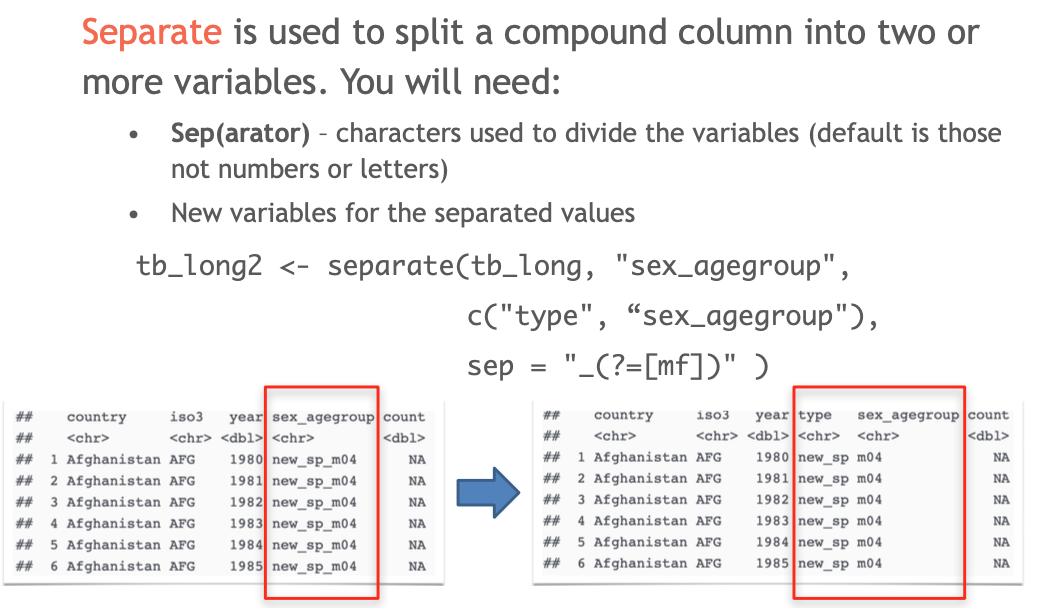
Tidy data: Separate (L2)
Relationship of Data Science to Other Disciplines (L2)
Related: Data Analysis Performing analysis and understanding results * e.g. R, Tableau, Weka, Microsoft Azure Machine Learning, … * machine learning, computational statistics, visualisation, … Related: Data Engineering Building scalable systems for storage, processing data * e.g. Amazon Web Services, Teradata, Hadoop, … * databases, distributed processing, datalakes, cloud computing, GPUs, wrangling, … Related: Data Management Managing data through its lifecycle * e.g. ANDS, Talend, Master Data Management, … * ethics, privacy, providence, curation, backup, governance, …