C1 Atomic Structure
No description yet. This curated deck is ready for daily study.
Card preview (24)
How many discovered elements are there?
There are 118 discovered elements
What is a compound?
A compound is a chemical that is made of two or more elements
What are the key features of a chemical reaction?
• Compounds are broken up or formed • At least one new substance is created • Measurable energy change • No atoms are created or destroyed
What is a mixture?
Mixtures are made of 2 or more substances (elements or compounds) that haven’t been chemically combined
What does filtration separate?
Filtration separates mixtures of insoluble (can’t dissolve) solids and liquids
How does Filtration work?
• Filtration is done by pouring the mixture through filter paper • The insoluble solid is trapped • The liquid runs through the paper and is collected below
What does Chromatography separate?
Chromatography separates solutions with a number of different solutes (solids) in the solvent (liquid)
How do you perform Chromatography?
• Place a drop of the solution to be separated near the bottom of a piece of chromatography paper • Dip the very bottom of the paper into a suitable solvent • The solvent (liquid) moves up the paper and carries the solutes (solids) in the solution with it • Different solutes (solids) move at different speeds, so they separate on the paper
What does Crystallisation separate?
Crystallisation separates dissolved solid (solute) in a solution from a liquid (solvent)
How do you perform Crystallisation?
• Heat the mixture so that the solvent evaporates • Eventually, crystals of the solute (dissolved solids) will form • We can collect the solvent (liquid) by condensing it as it evaporates
What does distillation separate?
Distillation is a special technique used to separate mixtures of liquids It uses the different boiling points of liquids to separate them
What is fractional distillation?
Fraction Distillation separates lots of liquids with different boiling points
How does Fractional Distillation work?
• The mixture is slowly heated until the liquid with the lowest boiling point boils and then condenses • Then we increase temperature slowly to collect (boil then condense) the other fractions
What does simple distillation separate?
Simple Distillation separates two liquids with different boiling points
How does Simple Distillation work?
• The mixture is heated until the liquid with the lower boiling point starts to boil • The vapour released passes through a condenser, where the gas cools back into a liquid
What are the main methods to separate mixtures?
• Fractional Distillation • Simple Distillation • Filtration • Chromatography • Crystallisation
What atomic model did J.J. Thompson come up with?
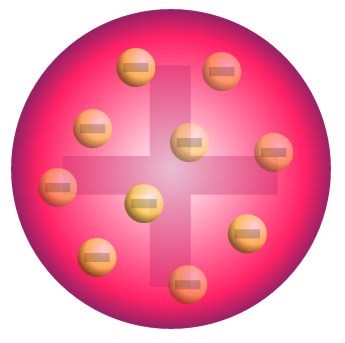
J.J Thompson came up with the Plum Pudding Model in 1897
What is the Plum Pudding Model?
The ‘plum pudding’ model is a ball of positive charge, with negatively charged electrons mixed in with the ball
What atomic model did Ernest Rutherford come up with?
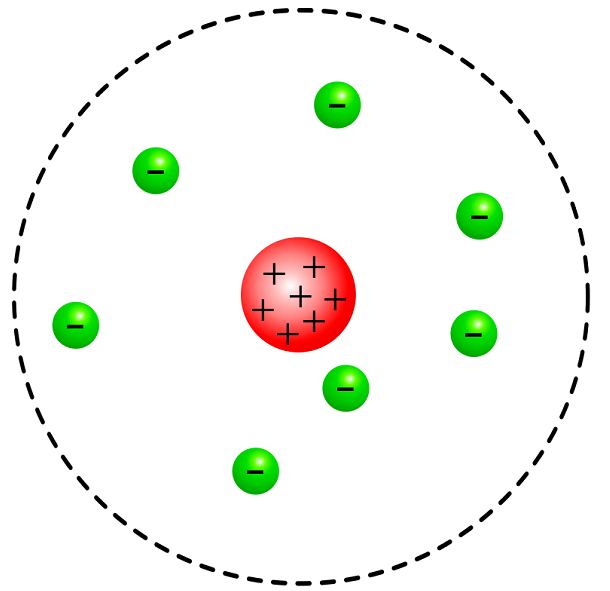
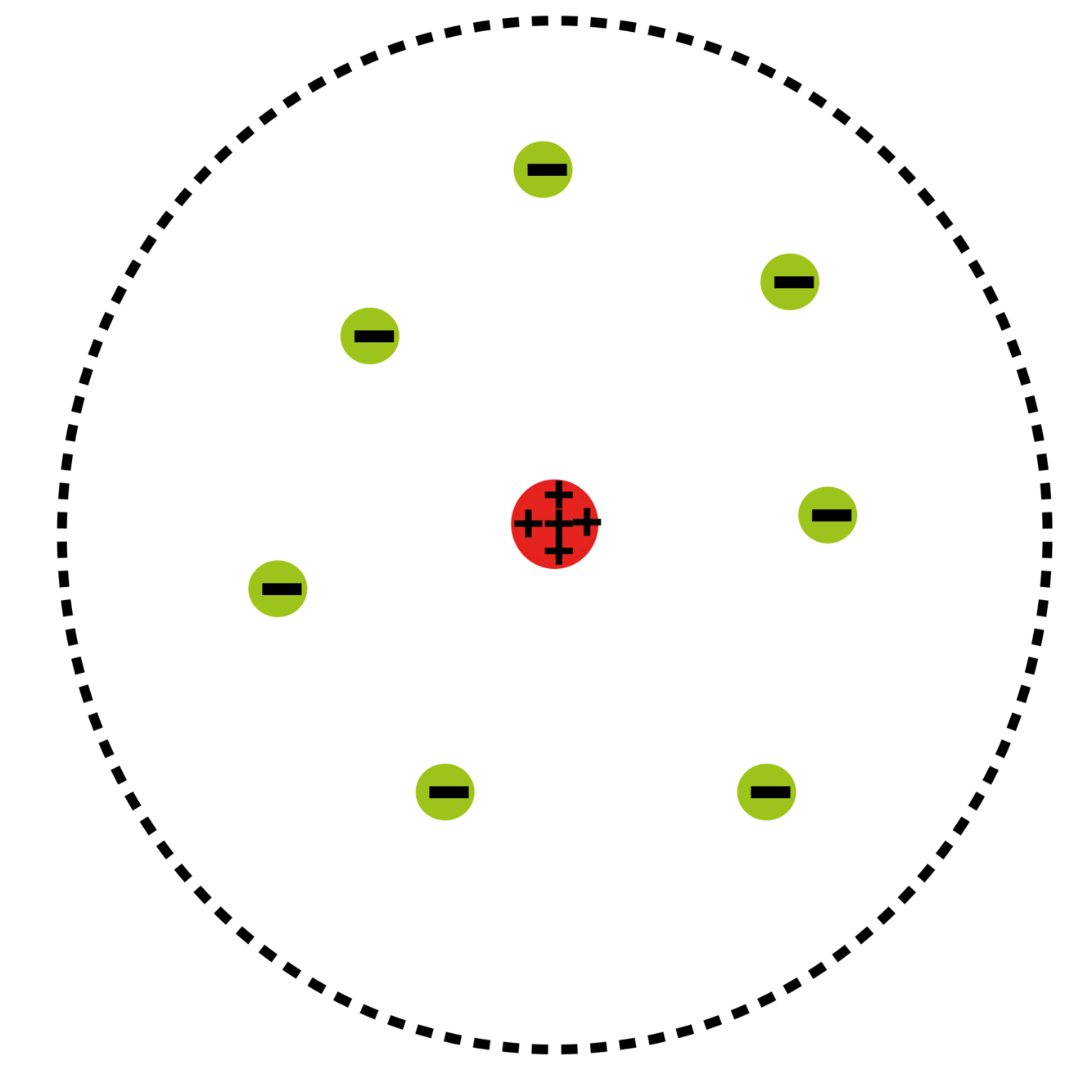
Rutherford came up with the nuclear model, in 1909, where he discovered alpha particles could bounce back off atoms
How did Rutherford’s model improve our understanding of atoms?
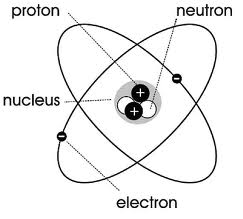
Rutherford concluded that an atom’s mass is concentrated in the atom’s centre. This was called the “nucleus” and it contained positively charged particles called protons
What did Niels Bohr discover about the atom?
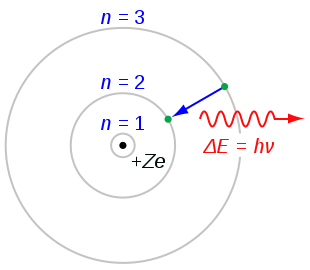
Niels Bohr discovered that electrons orbit (fly around) the nucleus at fixed distances
What did James Chadwick discover about the atom?
In 1932, James Chadwick discovered that some particles in the nucleus have no charge at all. He called them neutrons
What did the Plum Pudding model look like?

What did Rutherford’s atomic model look like?