Lipid Metabolism
No description yet. This curated deck is ready for daily study.
Card preview (24)
What are Fatty Aicids?
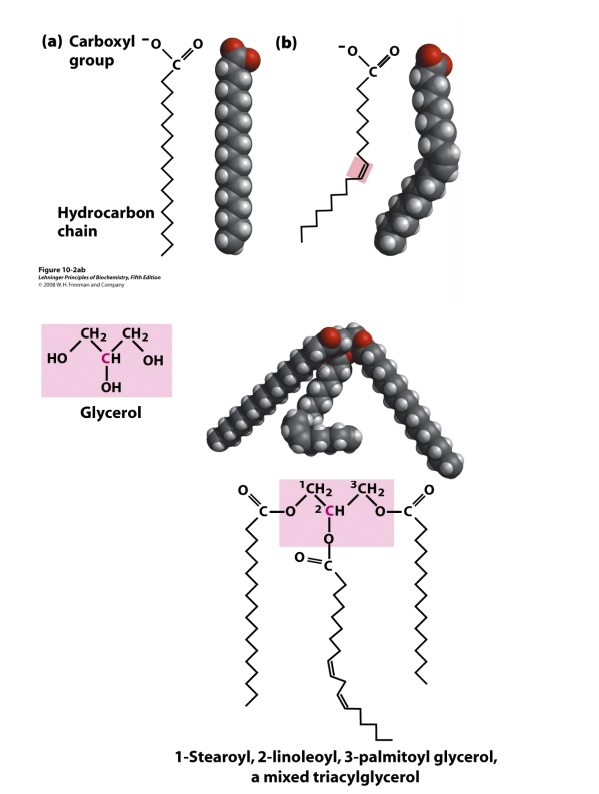
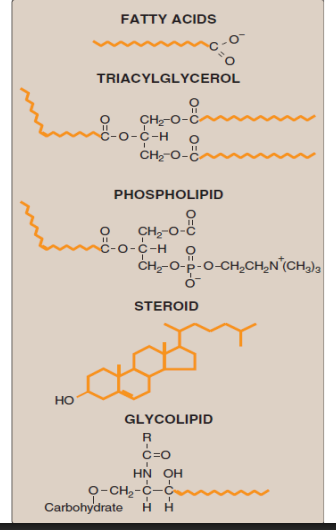
Carboxylic acids with hydrocarbon chains 4-36 carbons long. Almost all natural fatty aids have an even number of carbons and are unbranched. The majority of fatty acids in biological systems are triacylglycerols (one glycerol molecule and three fatty acids). Triacylglycerols are the primary storage form of lipids (body fat).
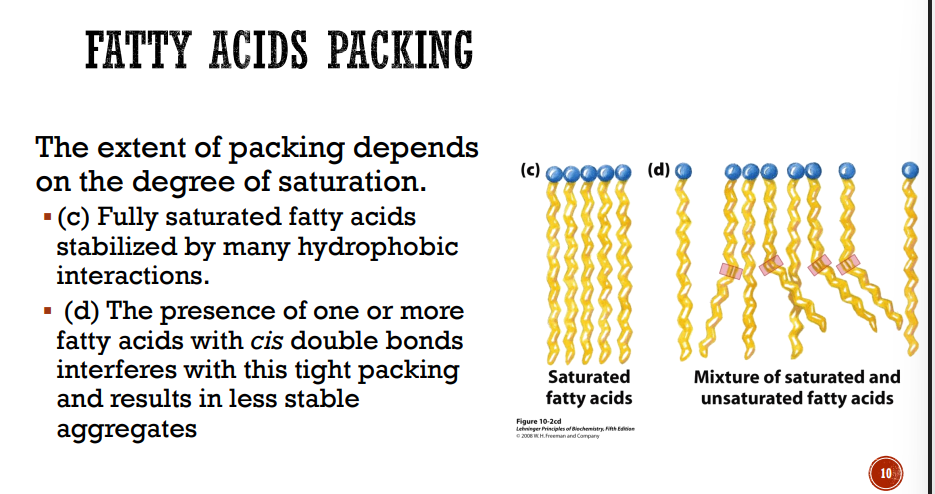
What is Fatty Acid Packing?
The Biological functions of lipids
• Energy Storage - the reduced compounds have lots of available energy and are easily stored due to their hydrophobic nature (good packing). • Insulation from environment - low thermal conductivity; high heat capacity and mechanical protection. • Membrane Structure • Cofactors for enzymes - Vtit K: blood clot formation and Coenzyme Q used in Electron Transport Chain. • Signaling molecules: Steroid hormones (act systemically) and Vit. A&D (hormone precursors).
What are the three main sources of fatty acids?
• Dietary triacylglycerols from meals • Triacylglycerols stored in adipocytes as lipid droplets • Triacylglcerols synthesised in liver during times when energy sources are abundant.
How do dietary fatty acids enter the body?
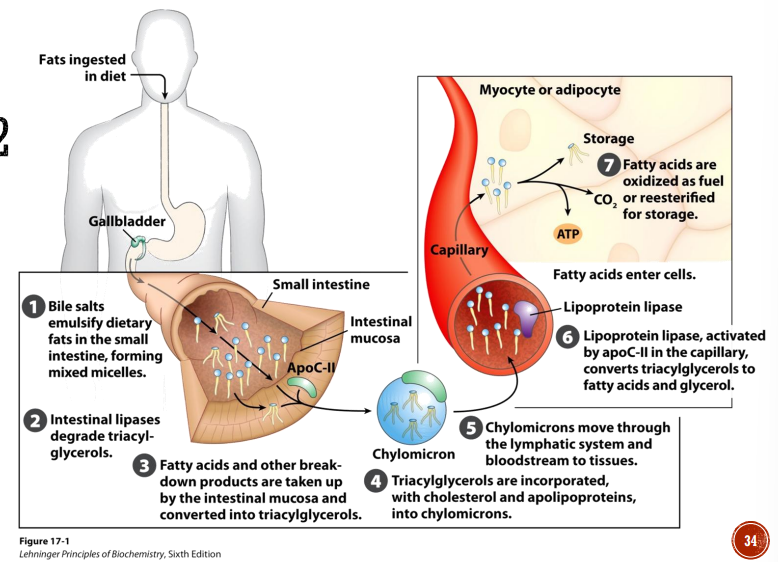
Digestion of triacylglycerols (TAGs) begins in the stomach and is completed in the small intestine. Lipd digestion is catalysed by lingual lipase (from glands at back of tongue) and gastric lipase (secreted by gastric mucosa). Small Intestine: Hormonal response from gall bladder initiates bile secretion. Bile salts (cholate and glycocholate) emulsify the insoluble fats to from micelles. This makes the fatty acids accessible to water soluble enzymes such as lipases. Pancreatic lipase then hydrolyses the TAGs into fatty acids and glycerol. The fatty acid and glycerol pass through the plasma membrane in the intestinal mucosa and enter the epithelial cells.
Describe the micelles fomed after bile salt emulsification
Micelles are small with hydrophobic cores and are surrounded by hydrophilic bile salts in solvation (solvent molecules surround and interact with solute particles) which allow the fat inside to interact with water-soluble molecules.
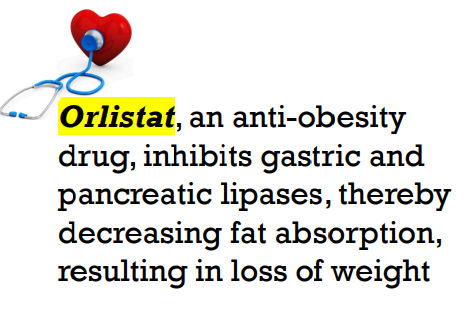
What medication can inhibit the absorption of fat?
How do the TAGs move into the lymphatic system?
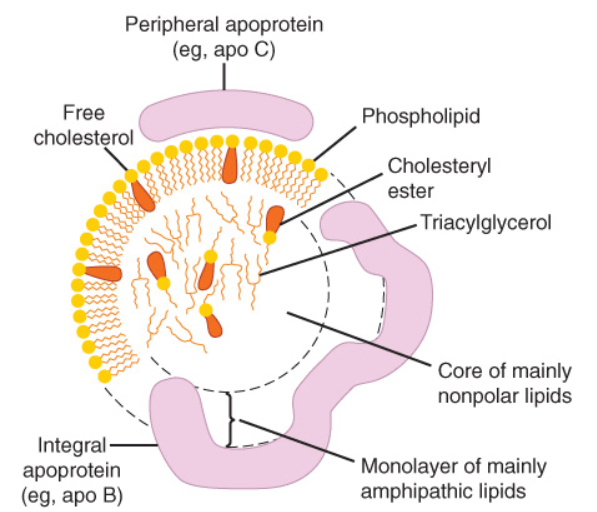
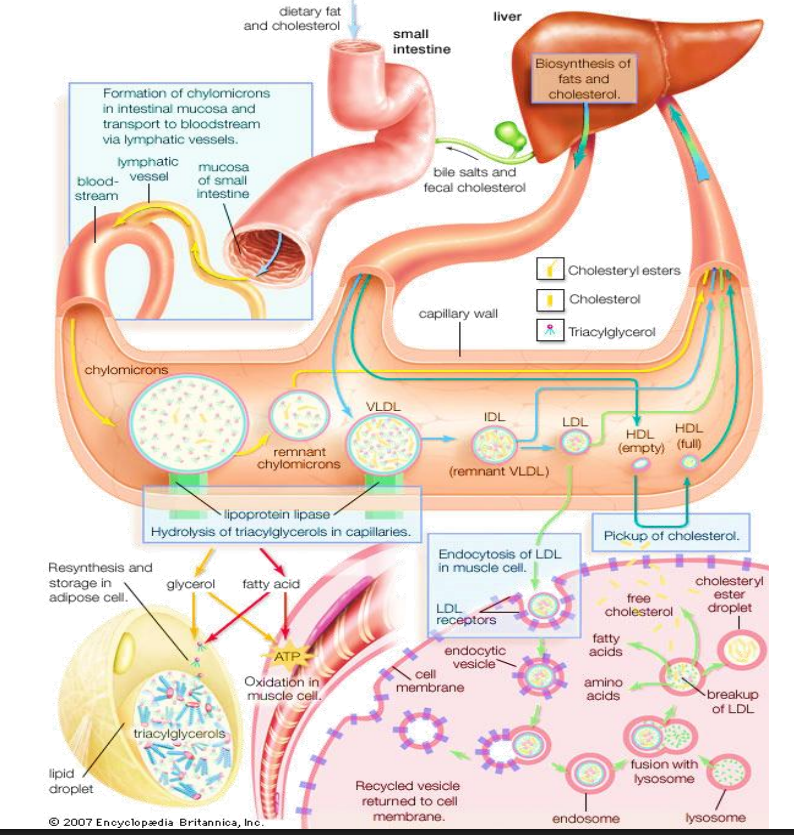
The TAGs enter the lymphatic system by way of chylomicrons. Chylomicrons are large, triglyceride-rich lipoproteins produced in the small intestine to transport dietary fats (lipids) from the intestine, via the lymphatic system (in chyle), into the bloodstream (as they are blood soluble complexes) for delivery to tissues. The TAGs are packaged along with free cholesterol and cholesterol esters and fat-solube vitamins (ADEK). Amphiphatic apolipoproteins and phospholipds are placed on the outside.
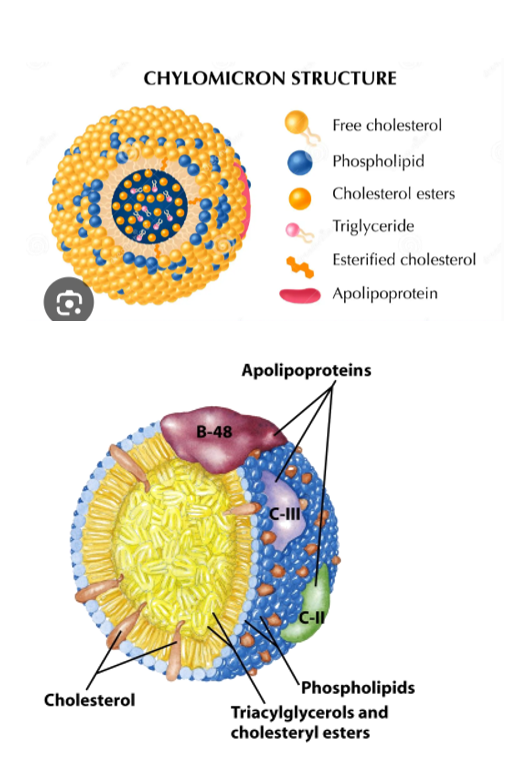
How are chylomicrons formed?
Chylomicrons are formed in the intestinal enterocytes. They are assembled in the endoplasmic reticulum (ER) by packaging triglycerides, cholesterol, and phospholipids with apolipoprotein B-48 (apoB-48). This process involves esterifying fatty acids into triglycerides, which are then attached to apoB-48 via microsomal triglyceride transfer protein (MTP). These nascent or immature chylomicrons are transported from the ER to the Golgi Apparatus. Mature chylomicrons are secreted from the Golgi into the lymphatic system via exocytosis, eventually entering the bloodstream through the thoracic duct.
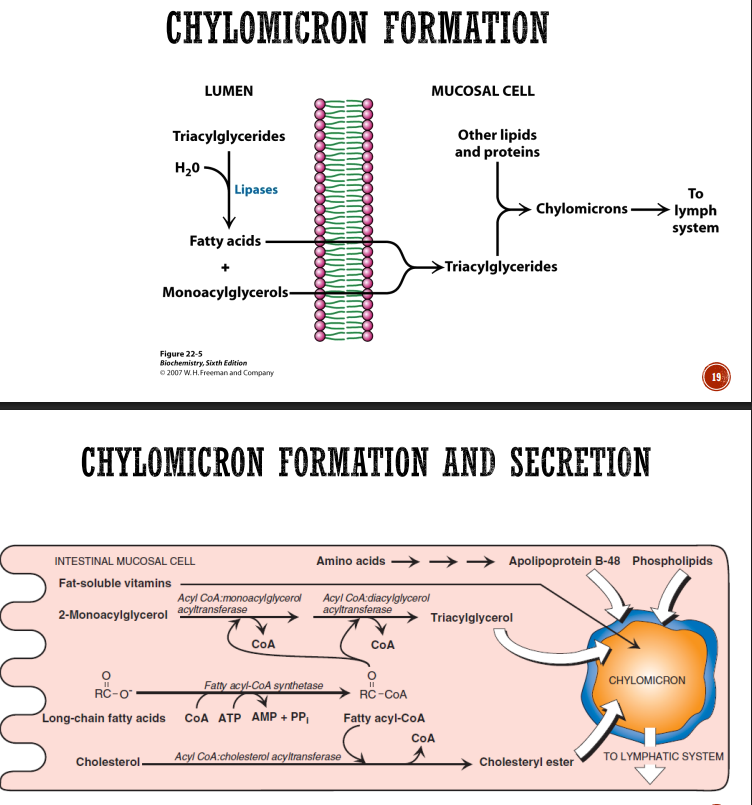
What is the fate of chylomicrons?
The triglycerides in chylomicrons are hydrolysed (cleaved with the adidtion of H20) into fatty acids & glycerol by lipoprotein lipase at the endothelial surface of capillaries in adipose tissue, heart and skeletal muscle. Fatty Acids have 3 possible fates: • Travel to adipocytes for storage (Exogenous pathway of lipoprotein metabolism). • Re-esterified to tricglycerides in the liver and exported as lipoproteins called Very Low Density Lipoproteins (VLDL) - Endogenous pathway of lipoprotein metabolism. • To myocytes (muscle cells) for breakdown as fuel/energy (B-oxidation).
Where are fatty acids stored?
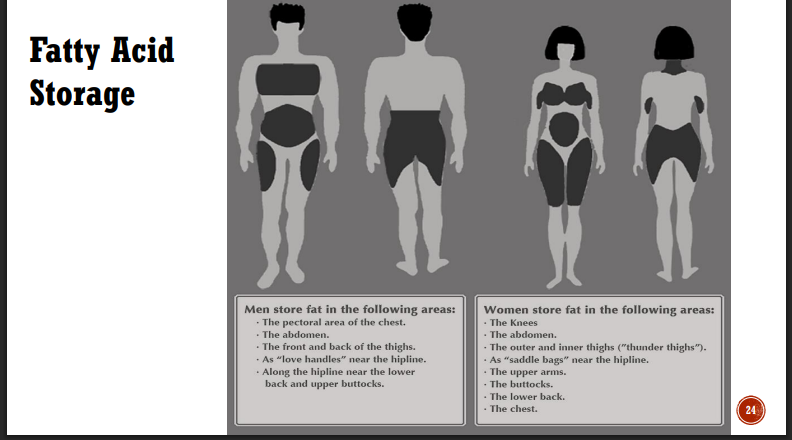
After TAGs are hydrolysed by lipoprotein lipase, the glycerol produced enters the glycolytic pathway in the liver. Some of the fatty acids go to be deposited in the adipocytes mainly around the stomach, thighs and buttocks.
What are the plasma lipoproteins?
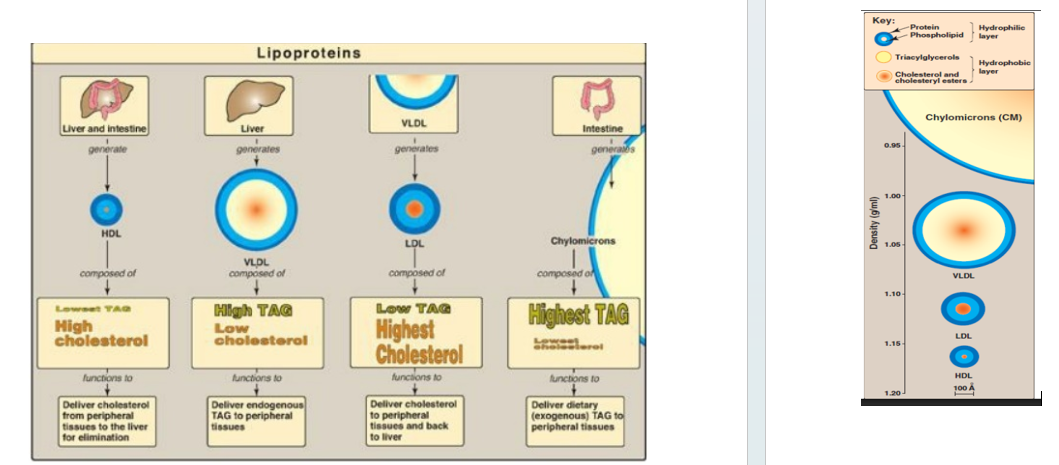
• Chylomicrons - major transporters of exogenous triglycerides to tissues. • Very low density lipoprotein (VLDL) - transport endogenous TAGs to tissues. • Intermediate density lipoprotein (IDL) • Low density lipoprotein (LDL) - ‘bad’ cholesterol • High density lipoprotein (HDL) - ‘good’ cholesterol: transport endogenous cholesterol from tissues to the liver.
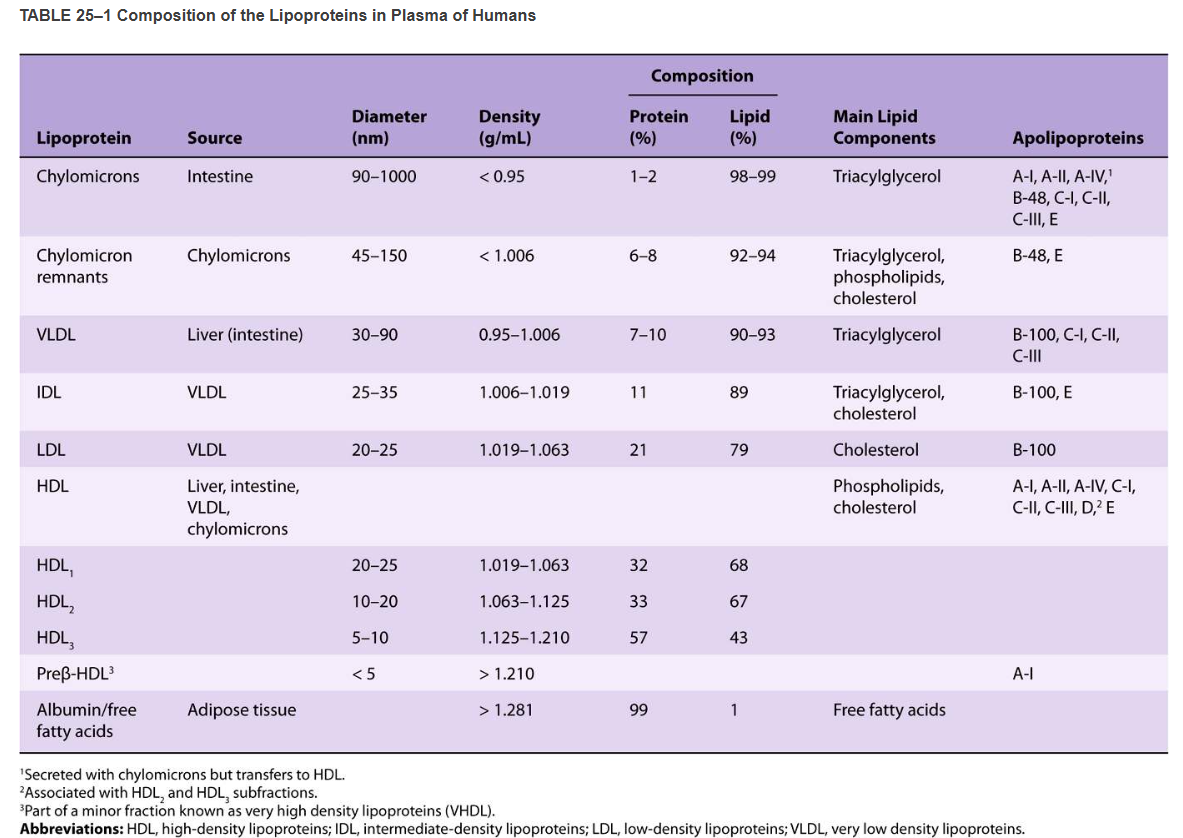
The formation of VLDL (Endogenous pathway of lipoprotein metabolism)
• Excess dietary fat is converted to triacylglycerols in the liver. • The TAGs are packaged into VLDLs and released into the circulation for delivery to muscle and adipose tissue (for storage or production of energy). • VLDLs (containing TAG, cholesterol, cholesteryl esters and apolipoproteins) are formed to transport endogenously derived triacylglycerols to extra-hepatic tissues.
IDLs
Intermediate density lipoproteins are created when VLDLs lose triglycerides via lipoprotein lipase in muscle and adipose tissue. IDLs are also called VLDL remnants. The fate of IDLs is either conversion to LDLs or direct uptake by the liver. The conversion of IDLs to LDLs occurs as more TAGs are removed. LDL is synthesised within the cells and is the primary plasma carrier of cholesterol. 75% of the plasma IDL is uptaken into the liver.
HDLs
HDL is synthesised in the liver and small intestine. They are primarily protein-rich disc-shaped particles. They are nearly devoid of any cholesterol and cholesteryl esters.
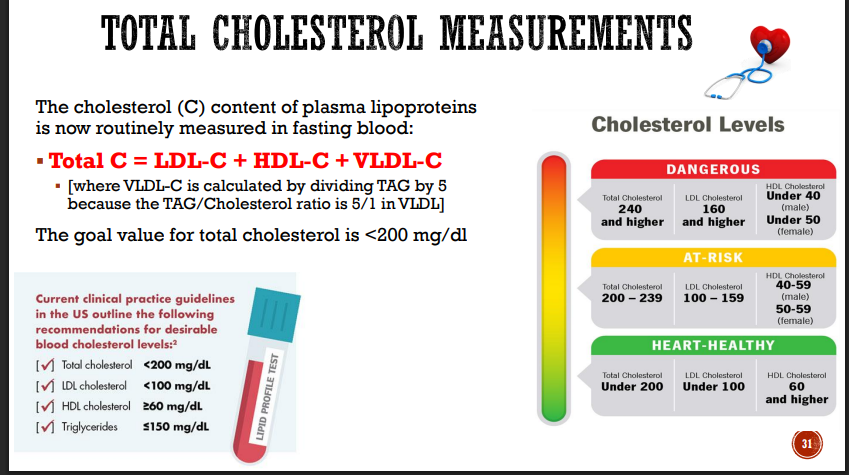
What are the total cholesterol measurements?
What happens when fat cannot be digested or absorbed properly?
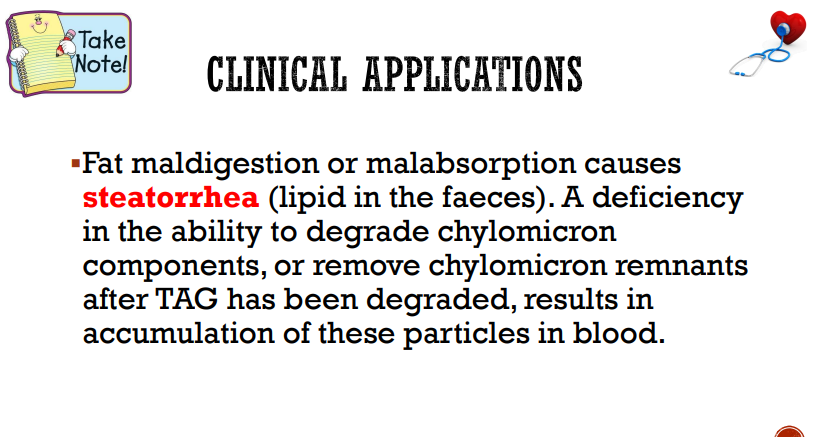
Summary of Lipoprotein metabolism.
How do fats meet the energy needs of the body?
What are the advantages of fats over polysaccharides?
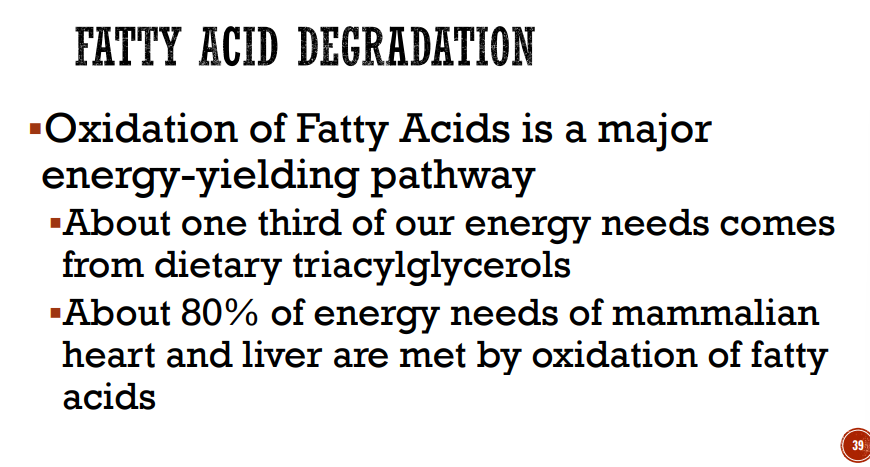
• Fatty acids carry more energy per carbon (9kcal/g) than carbonhydrates (4kcal/g) as they are more reduced/more energy dense. (contain a higher proportion of carbon-hydrogen (C-H) bonds and far less oxygen, allowing them to transfer more electrons during oxidation). • Fatty acids carry less water along because they are non-polar. • Glucose and glycogen are for short-term energy needs, quick delivery. • Fats are for long term (months) energy needs, good storage, slow delivery.
How is the mobilisation of stored triacylglycerols triggered.
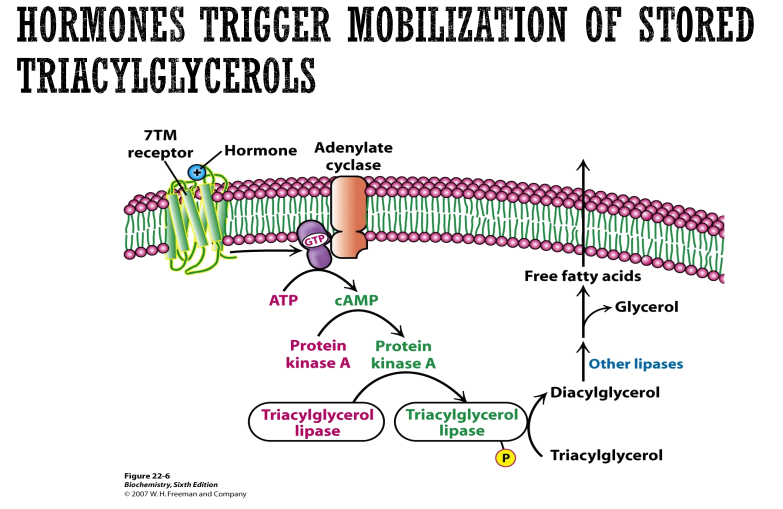
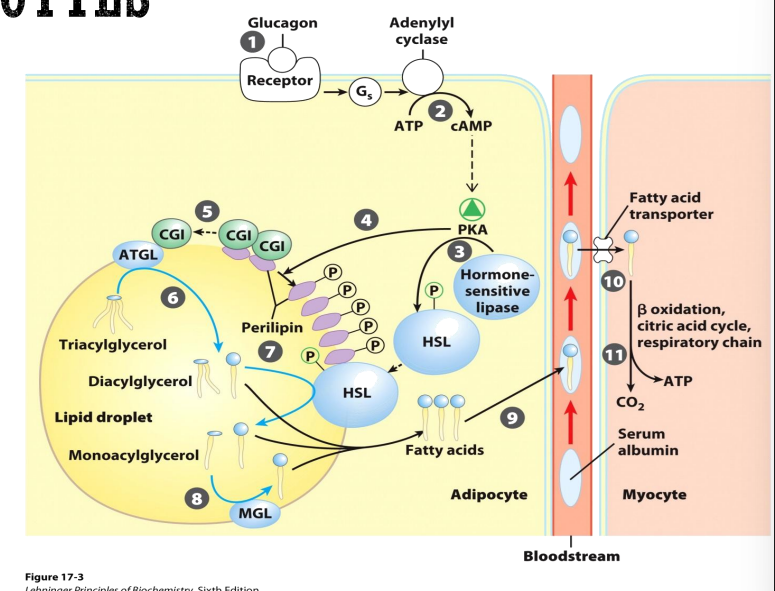
Triacylglycerol mobilisation (from the adipocyte) is activated by the hormone sensitive lipase (HSL). Epinephrine or glucagon binds to a receptor on the adipocyte cell membrane. • This allows adenylate cyclase to convert ATP into cAMP. • cAMP binds PKA and activates it. • Activated PKA binds to and activates HSL. For fat to be mobilised, there must be the hydrolytic release of fatty acids and glycerol from their TAG form using several lipases. • This process is initiated by adipose triglyceride lipase (ATGL) which converts TAG to DAG and releases one free free fatty acid molecule. • HSL catalyses the conversion of DAG to monoacylglycerol (MAG) and releases a second free fatty acid molecule. • MAG lipase acts on MAG to form the final free fatty acid and glycerol which are released from the adipocyte.
How are the released fatty acids transported to myocytes?
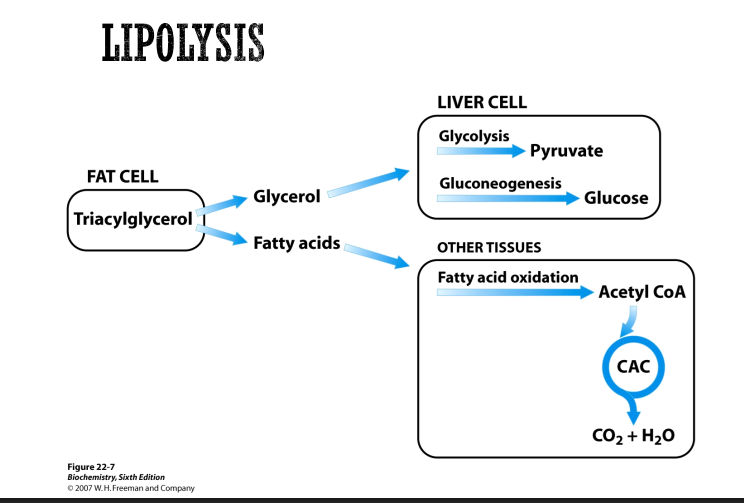
• Fatty acid from adipocytes are picked up by the protein serum albumin in the bloodstream • Serum albumin interacts with a fatty acid transporter which allows the fatty acid into the myocyte. • Fatty acids undergo degradation (β-oxidation). The AcetylCoA from the fatty acid enters the Citric Acid (Kreb’s) Cycle. Glycerol enters the glycolytic pathway in the liver (gluconeogenesis then glycolysis)
What is the fate of glycerol after being released from the adipocyte?
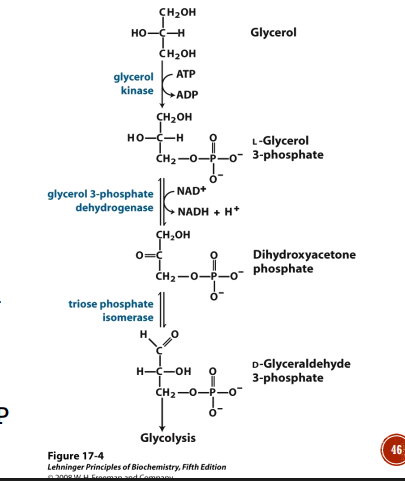
Glycerol cannot be metabolised by adipocytes as they lack glycerol kinase. Glycerol is transported througth the blood to the liver (produces glycerol kinase) where it can be phosphorylated. The glycerol phosphate produced can be used to form TAGs in the liver or be converted to Dihydroxyacetone phosphate (DHAP) which is then converted to G3P and enters the glycolysis pathway.
What are the stages of Fatty Acid Oxidation?
Stage 1: Fatty Acid activation in cytosol. Stage 2: trasnport of fatty acids into mitochondria (carnitine shuttle). Stage 3: involves β-oxidation reactions in the mitochondrial matrix.