Amino Acid Structure and Function
No description yet. This curated deck is ready for daily study.
Card preview (24)
Amino Acids
Proteins are linear polymers made up of monomer units (amino acids) which are linked end to end. Although more than 300 amino acids exist in nature, proteins of humans are synthesized almost exclusively from combinations of 20 amino acids.
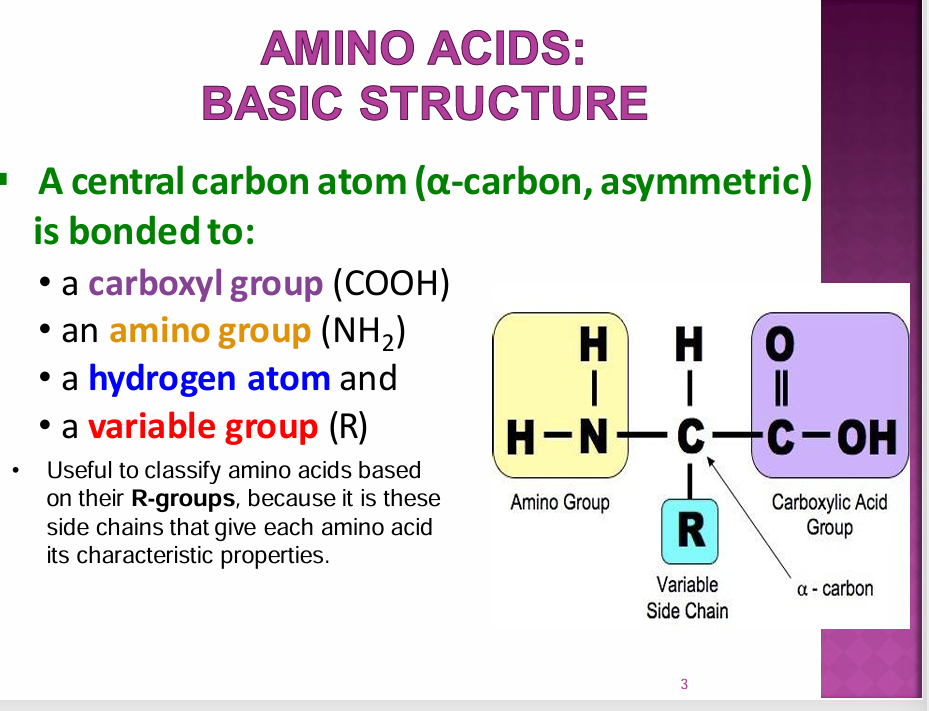
Amino Acid Basic Structure
Amino Acids Stereoisomerism
α-amino acids-are chiral molecules ie. Optically active because 4 different groups are connected to the central carbon. All a-amino acids are chiral molecules. Except for Glycine which is achiral (R = H).
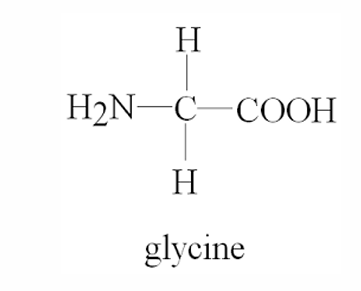
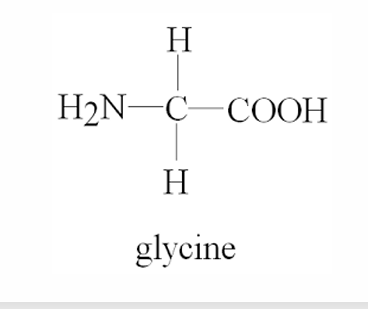
Glycine
Glycine is the simplest amino acid and is the only amino acid that is not optically active (it has no stereoisomers). Glycine has no enantiomers because it has two hydrogen atoms attached to the central carbon atom. It does not have a carbon chiral centre.
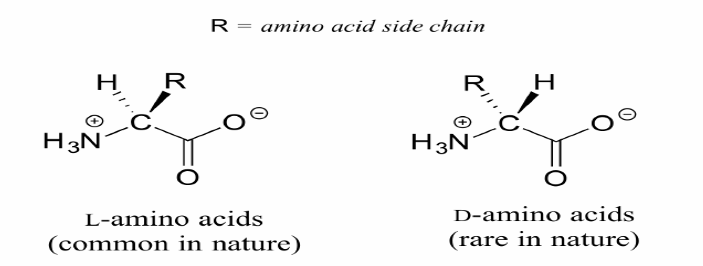
D and L configuration of amino acids
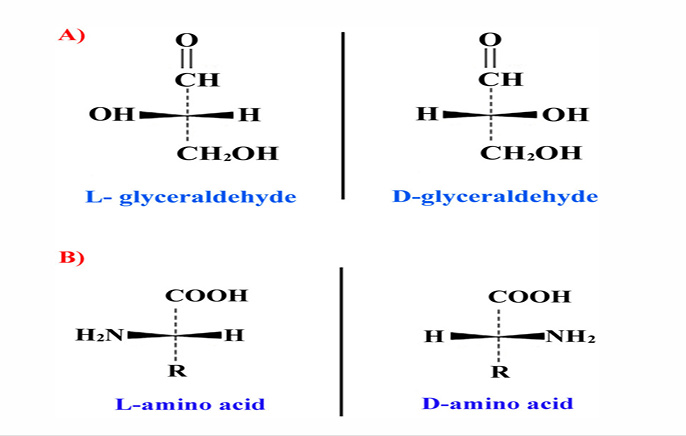
As with carbohydrates, it is traditional to use the D- and L- nomenclature with amino acids – based on the configuration of glyceraldehyde. Amino acids generally have the same configuration as L-glyceraldehyde. NOTE: Only L-amino acids have been found as constituents of proteins. D-isomers have been found only in small peptides of bacteria cell walls or in some peptide antibiotics.
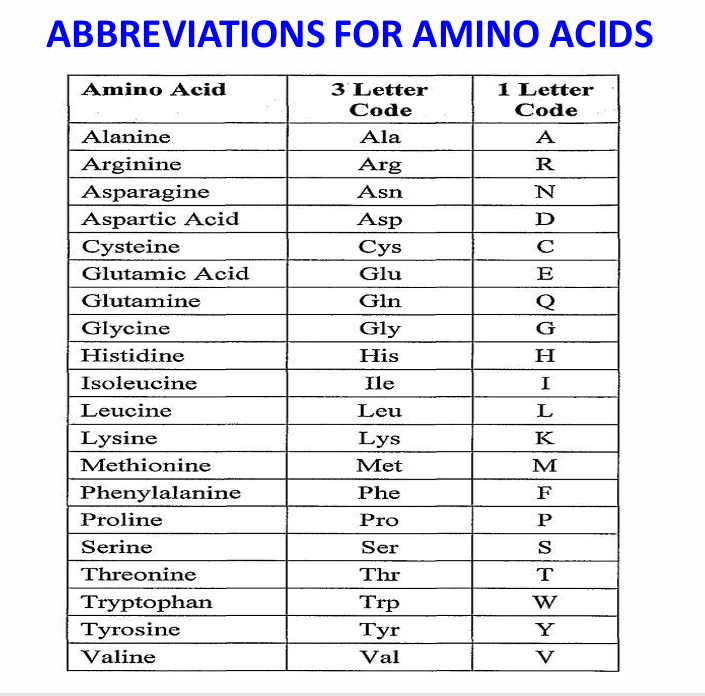
Abbreviations for Amino Acids
How are amino acids classified?
According to the nutritional requirements. According to the metabolic fate. According to the structure of the side chain. According to the polarity of the side chain (R group).
What are essential and non-essential amino acids?
Essential a.a’s-These amino acids cannot be synthesized in the body and have to be obtained from the diet. 9 essential amino acids. (Hold it loosely, let me please take the van). Non-essential a.a’s-These amino acids can be synthesized in the body from other amino acids, thus their absence in the diet does not adversely affect growth. 11 non-essential amino acids. Selenocysteine* (21st amino acid which plays a vital role in cellular processes and in metabolism).
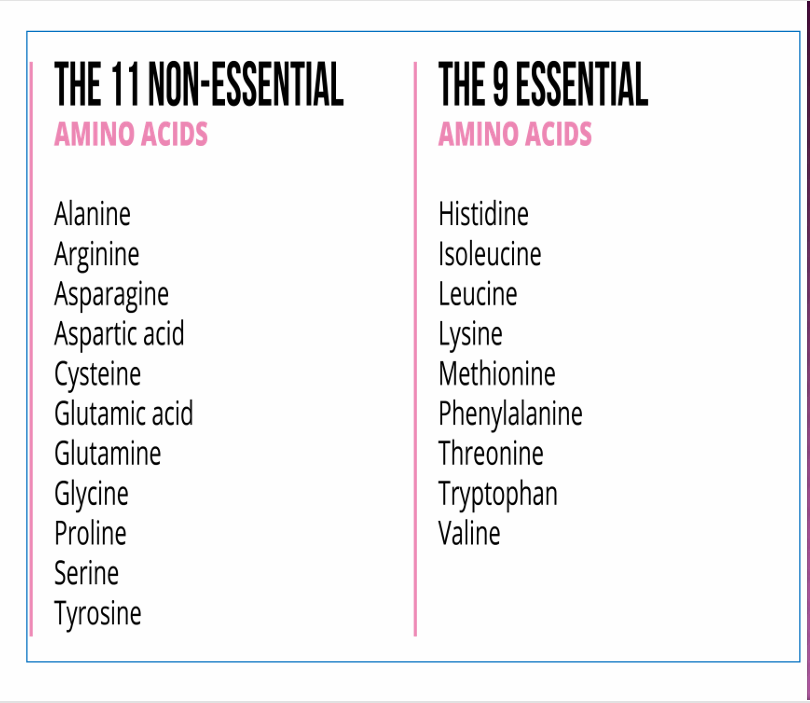
Conditionally Essential Amino Acids
Some amino acids that are normally non-essential, may need to be obtained from the diet in certain cases. Individuals who do not synthesize sufficient amounts of arginine, cysteine, glutamine, proline, selenocysteine, serine, and tyrosine, due to a certain condition/illness, for example, may need dietary supplements containing these amino acids. Phenylalanine (Phe/F) is a non-polar, essential amino acid. It is a metabolic precursor of tyrosine. phenylalanine —-→ tyrosine Inability to metabolize phenylalanine arises from the genetic disorder known as Phenylketonuria (PKU). If the diet fails to supply enough Phe, or if the body cannot make the conversion (as in the case of PKU). Therefore, tyrosine becomes a conditionally essential amino acid. Arginine and Histidine are growth promoting factors. They are not synthesized in sufficient amounts during growth, and so are semi-essential in growing children, pregnancy and lactation.
Metabolic classification
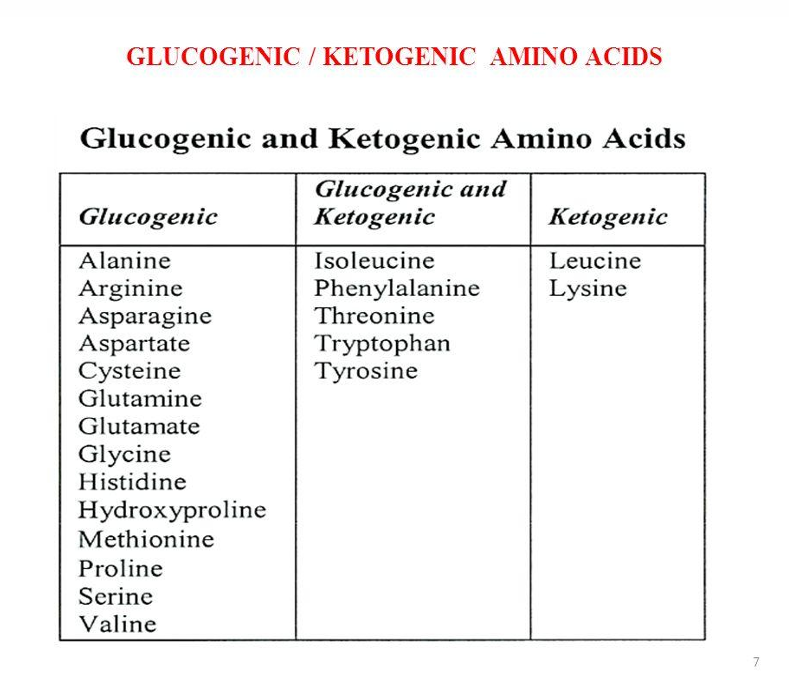
Both gluco & ketogenic: I Put Tim and Tom There Ketogenic: Let Live
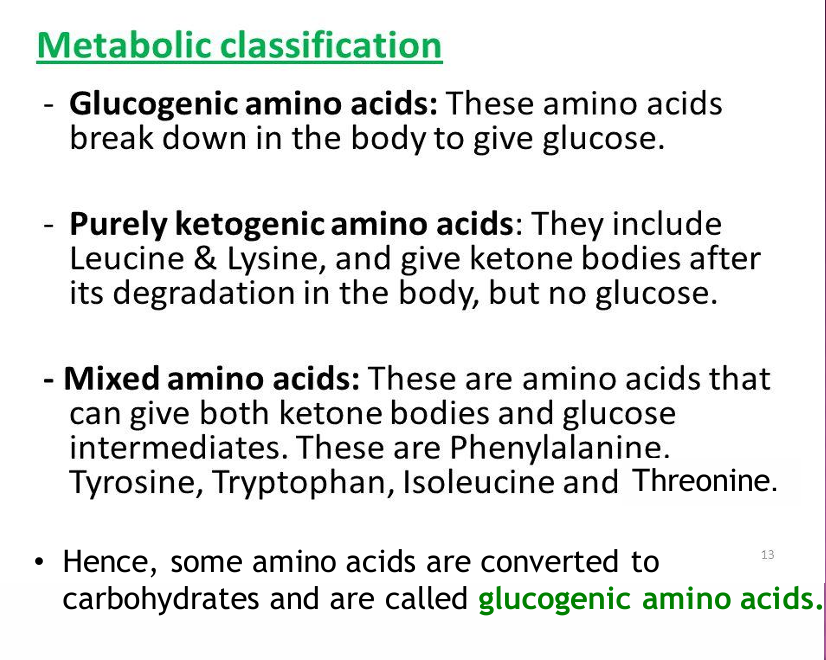
Side chain structure of amino acids.
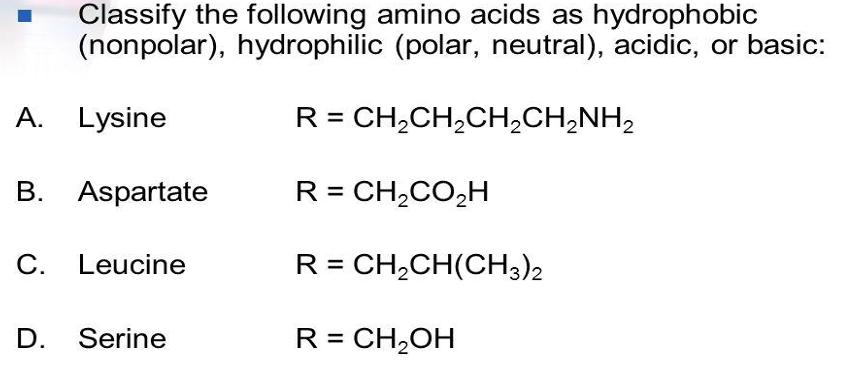
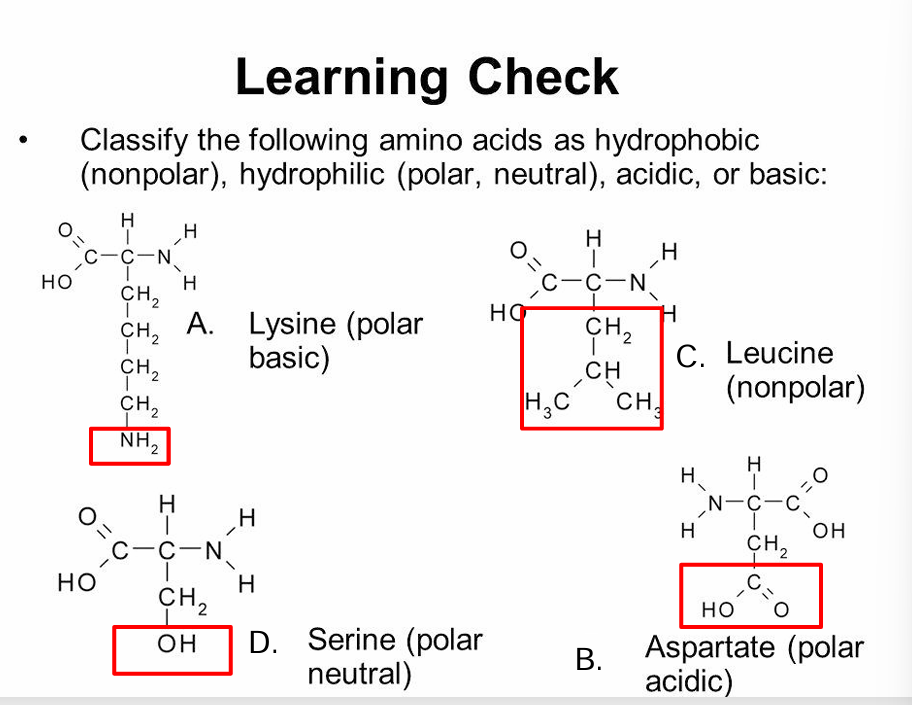
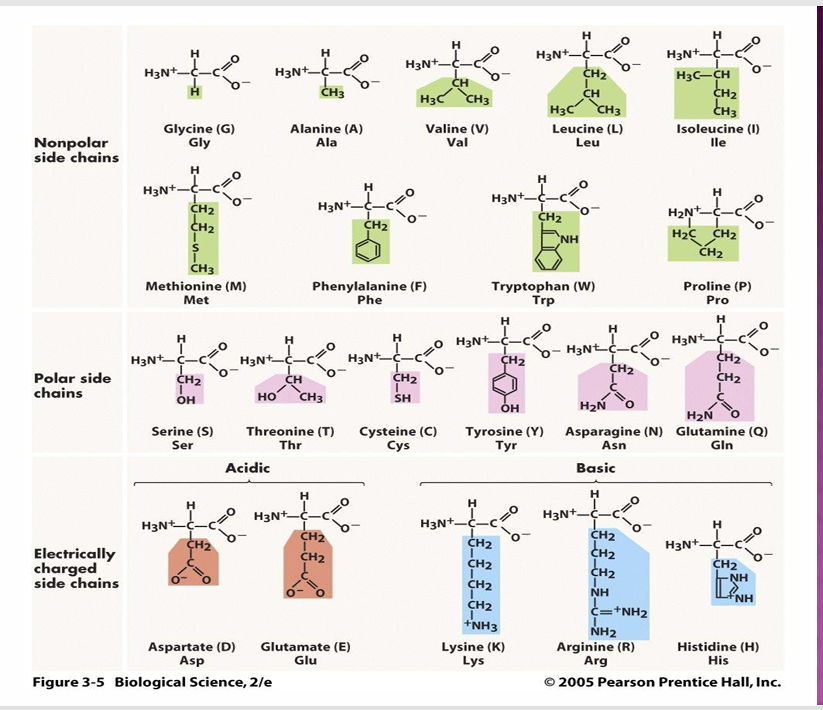
• Polar amino acids • Non-polar amino acids • Acidic amino acids (carboxyl groups) • Basic amino acids (amino groups) Other side chain structural classifications:-Aromatic, cyclic, hydroxyl and thiol groups.
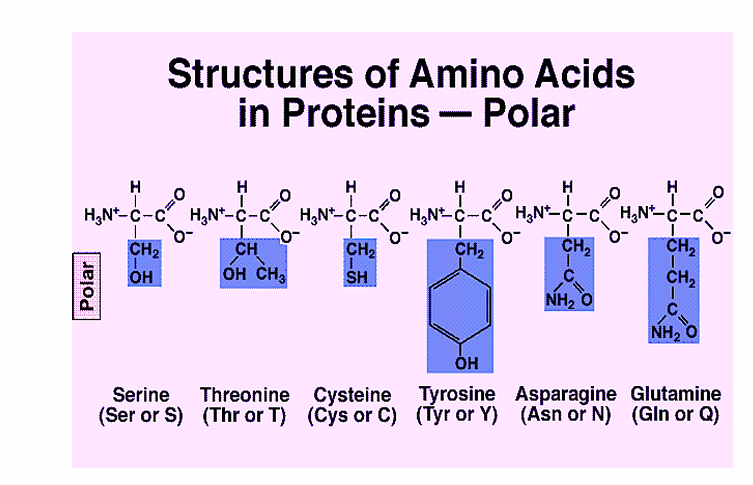
Polar Amino Acids
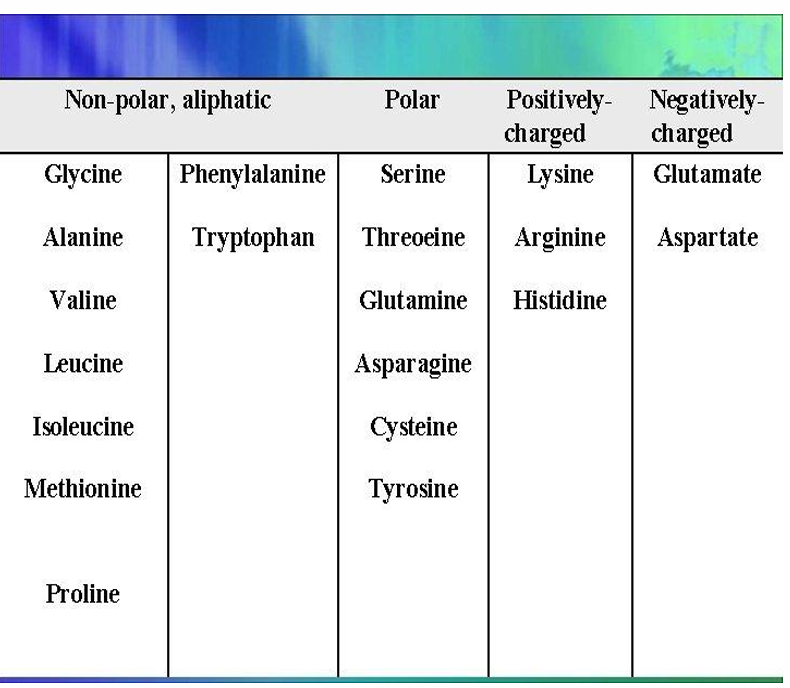
Amino acids are classified as polar when the R groups are alcohols, thiols, amides, or NH2 and COOH. Stay There, Come Take All Goodness
Non-polar amino acids
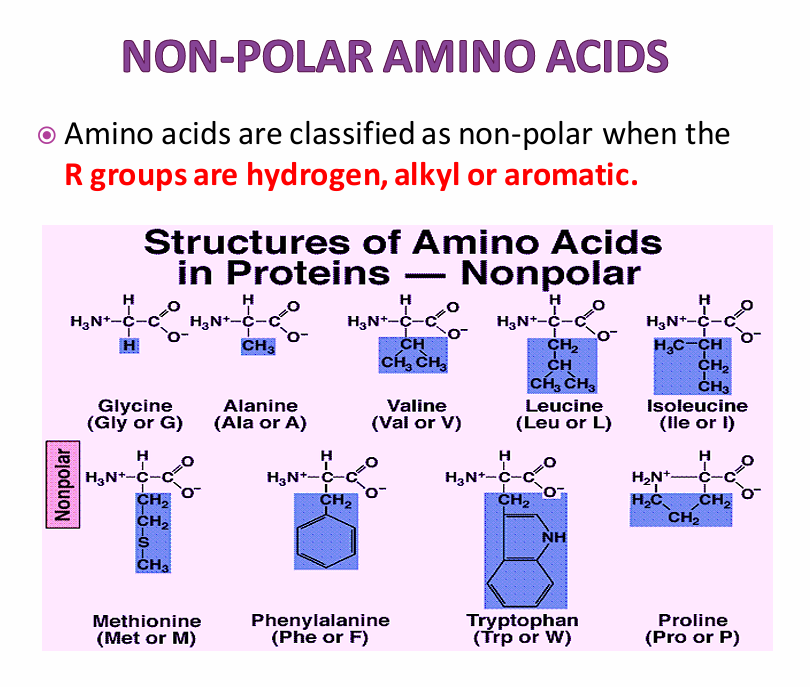
Amino acids are classified as non-polar when the R groups are hydrogen, alkyl or aromatic. Greet All Viruses Like It’s Me Phoning the Police
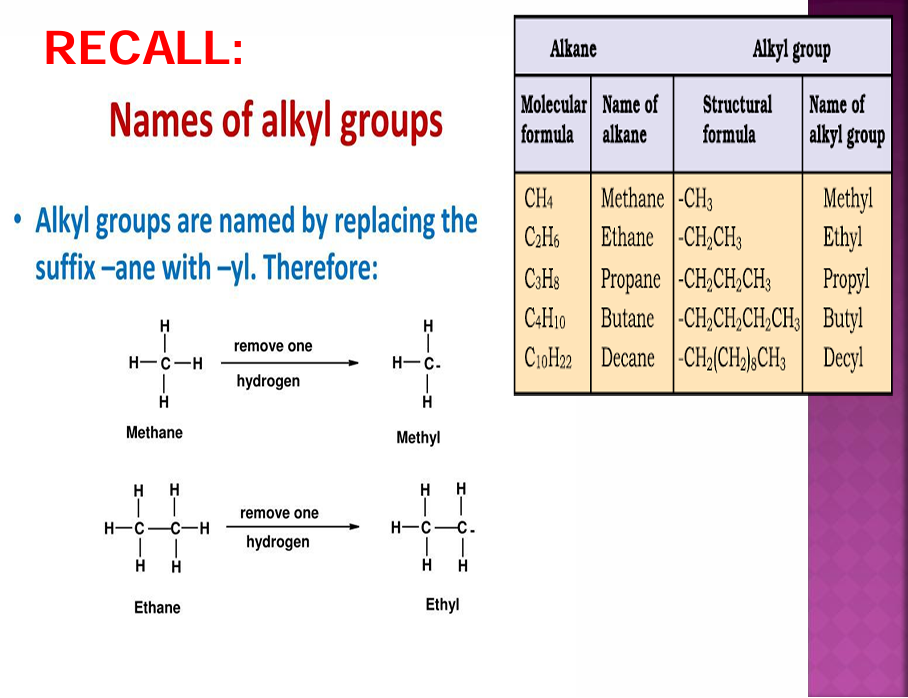
Naming of Alkyl Groups
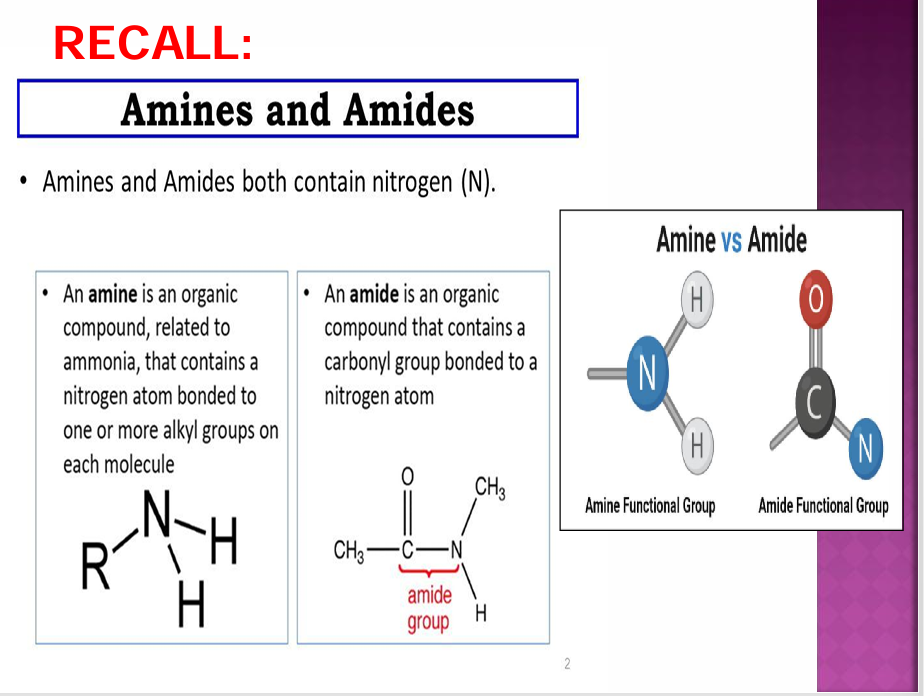
Amines and Amides
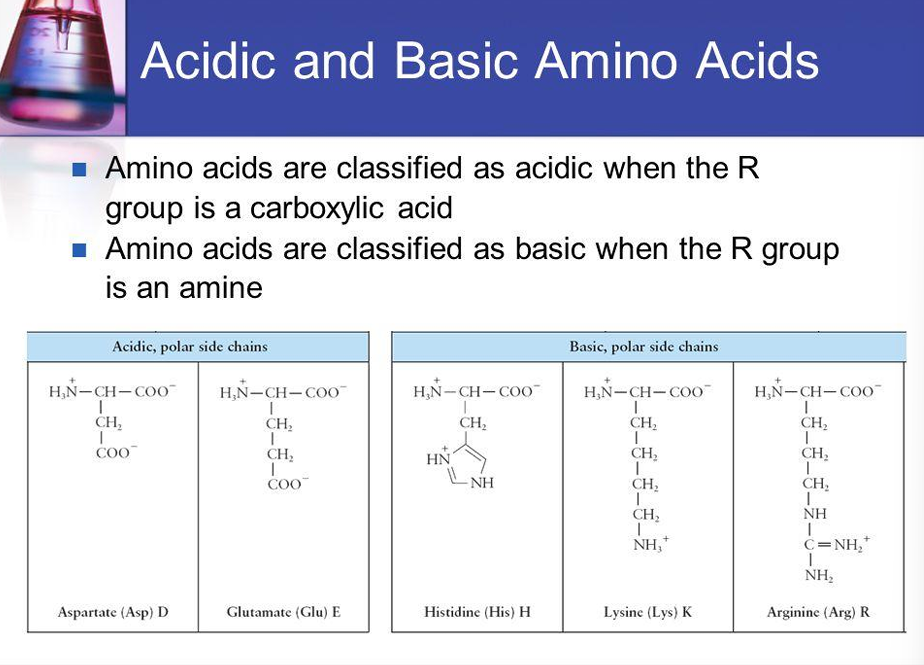
Acidic and Basic amino acids
Acidic: All Good Basic: He Loves All
List of Polar and Non-polar amino acids
Why do proteins act as buffers in the blood?
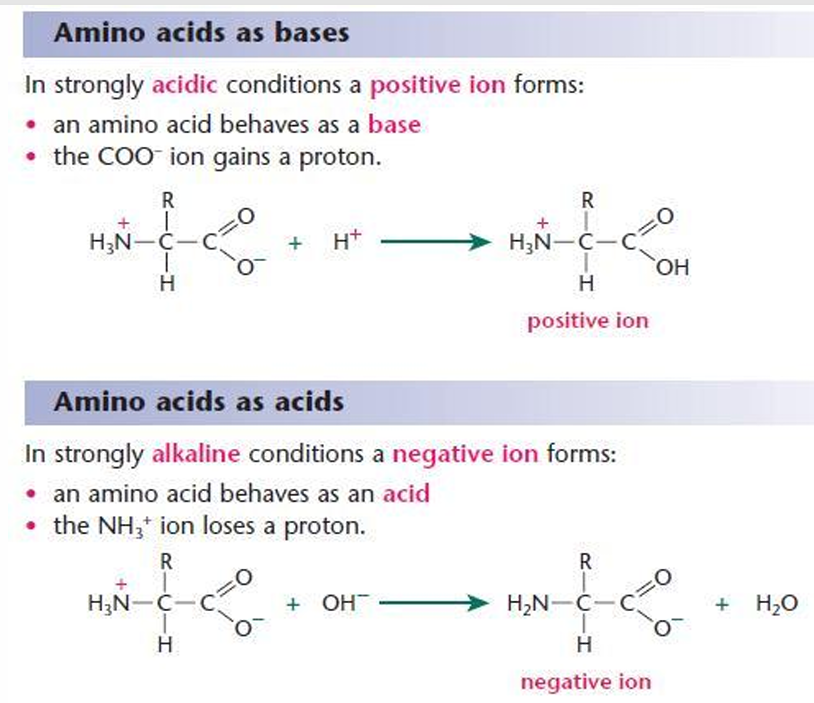
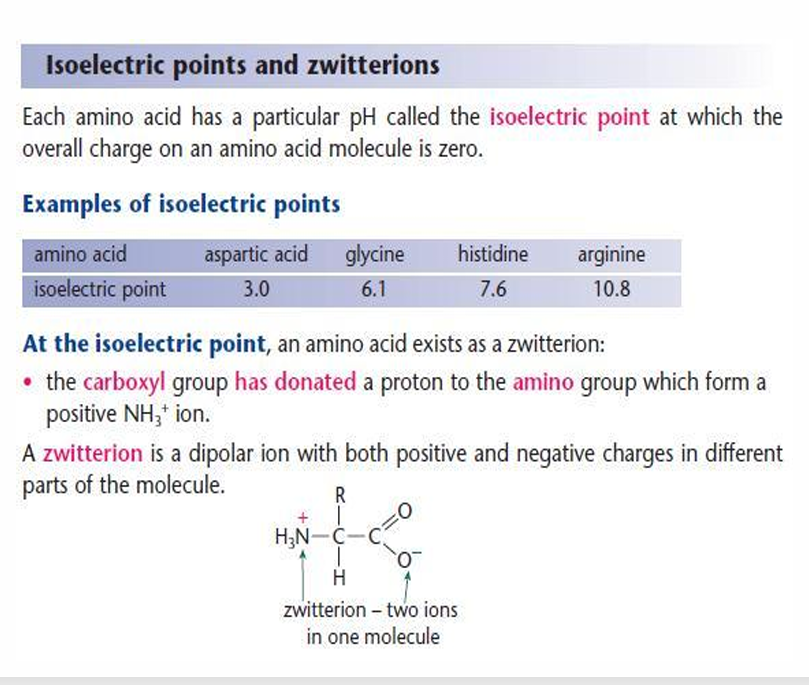
Proteins can act as buffering agents in the blood and tissues due to their amino acid composition, which contains ionizable groups. These acidic and basic side chains can either donate or accept H+ ions, helping to stabilize pH levels. Amino acids can undergo acid-base reactions. Transfer of the H from the carboxylic (COOH) group to the amino (NH2) group forms a neutral dipolar ion. This is an ion that has one (+) charge and one (-) charge and are known as Zwitterions. Amino acids can act as either an acid or a base and are known as ampholytes.
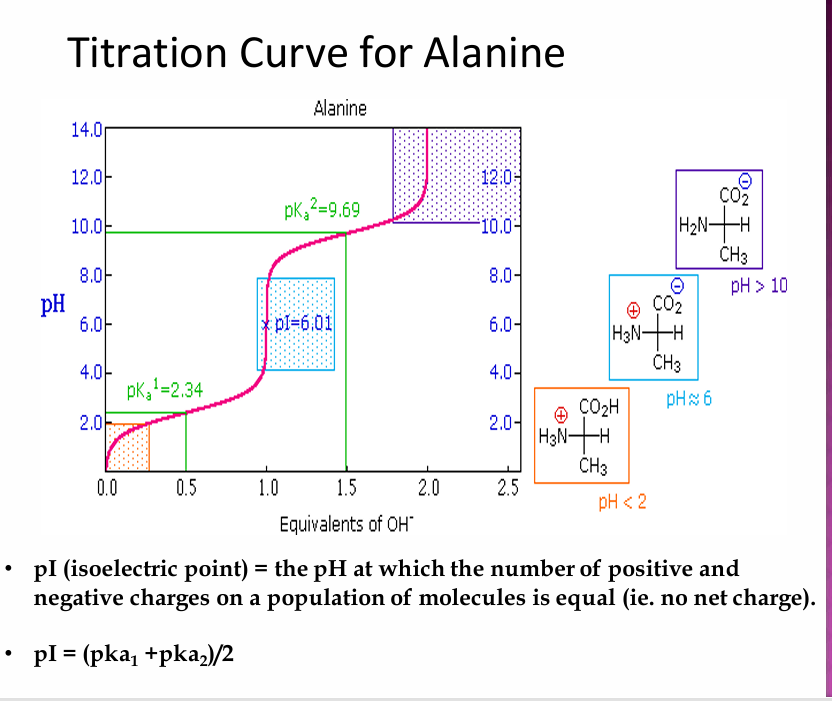
What is the isoelectric point
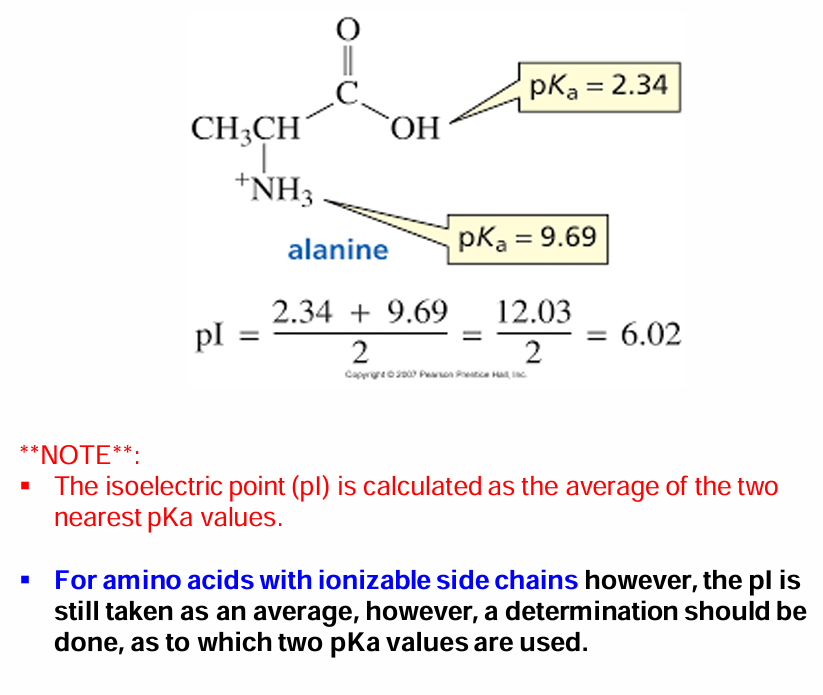
How to calculate the isolectric point
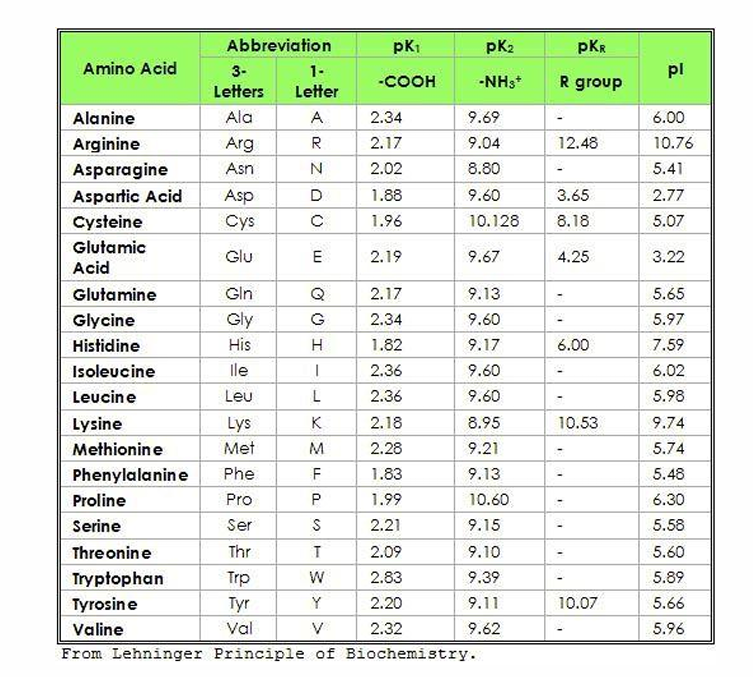
The Isolectric Point for different amino acids
Functions of Amino Acids
Metabolic source of energy or fuel. Central role in cellular metabolism as intermediates and all biochemical reactions are catalyzed by enzymes which are composed of amino acids. Amino acids are essential for carbohydrate and lipid metabolism. Act as Buffers: Since they are amphoteric molecules because of weak positively charged amino group & weak negatively charged carboxylic group. Precursors for protein synthesis: To more than 10,000 protein molecules such as enzymes, hormones, serum, albumin, immunoglobulins and clotting factors. Precursors for some biologically active oligopeptides: e.g. oxytocin (labour & delivery), vasopressin (antidiuretic hormone) & reduced glutathione (GSH), antioxidant) Precursors for other essential biological molecules like: Arginine → nitric oxide (vasodilator) Histidine → histamine (allergies) Tyrosine → melanin (skin & hair pigment) NAD+, adrenalin, thyroxin, haemoglobin, pyrimidines, purines, folic acid and vitamins.
Functions of Amino Acids 2
In Detoxification of drugs & metabolic by-products: e.g. Benzoic acid (toxic) + glycine → Hippuric acid water soluble (non-toxic) → excreted in urine. In Neurotransmitters: Some amino acid derivatives are used as direct neurotransmitters: e.g. Tyrosine → Dopamine, Epinephrine, Norepinephrine (NE) Tryptophan → Serotonin, Melatonin Glutamic acid → GABA (gamma-aminobutyric acid) *Amino acid-derived hormones can be identified by their “in” and “ine” endings.