DAT Booster Biology Practice Exam 3
No description yet. This curated deck is ready for daily study.
Card preview (24)
Which of the following would be present in both a virus and E. Coli bacteria?
nucleic acids
viruses contain:
nucleic acids (RNA or DNA) single or double stranded capsid composed of proteins enclosing nucleic acid spike proteins made of glycoproteins and viral envelope lack metabolisms
bacteria contain:
single circular double stranded DNA ribosomes flagella cell wall
Which of the following organisms were the first to produce oxygen on Earth?
cyanobacteria
protozoa
single celled eukaryotic membrane bound organelles heterotrophic and parasitic
fungi
eukaryotic heterotrophs feed on dead matter diploid or haploid ( dominates ) sexual and asexual reproduction filamentous or non filamentous unable to produce oxygen
Slime molds are
fungus-like protists. feed on dead matter and form filaments like fungi do. capable of locomotion. heterotrophic do not perform photosynthesis which produces oxygen.
dermis
deep to the epidermis and is the second layer that comprises the skin. composed of connective tissue, collagen, and elastic fibers. contains hair follicles, glands, nerves, and blood vessels. two layers that comprise the dermis: the papillary dermis and the reticular dermis.
The papillary dermis makes up the
20% of the dermis and is a highly vascularized layer with upward projecting papillae that supply nutrients to the avascular epidermis layer above. The papillary dermis also contains Meisner’s corpuscles which are sensory touch receptors.
The reticular dermis
the region composed of dense irregular connective tissue, collagen, and elastic fibers. The reticular dermis contains glands, fat, sweat gland ducts, and hair follicles. The reticular dermis is the layer that gives the dermis its strength and elasticity
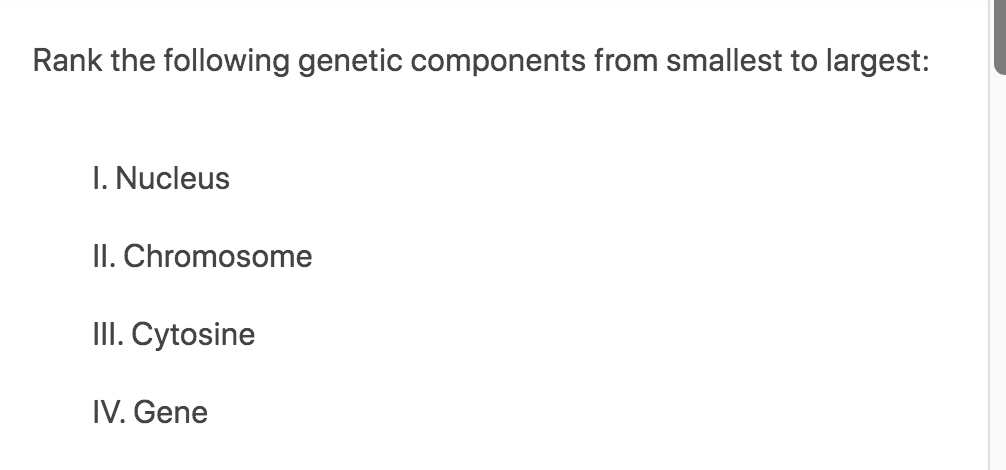
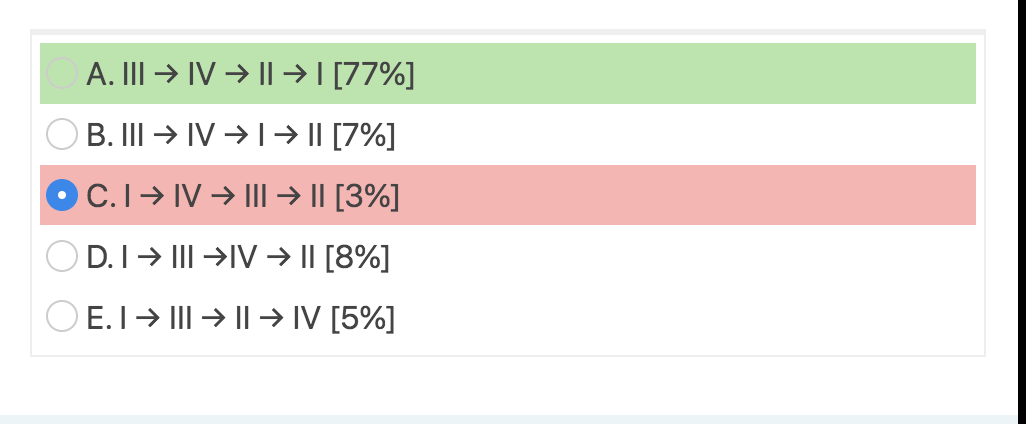
In the absence of oxygen, E. coli will undergo
fermentation and glycolysis in order to continue to make ATP
The cell spends the vast majority of its time in
interphase
Interphase is the stage of the cell cycle where the cell is not dividing but
preparing for cellular division
During the cell cycle, there are important checkpoints that ensure the cell cycle is operating as planned. Two of these important checkpoints occur during
interphase
Interphase can be further broken down into
Gap Phase 1 (G1), Synthesis Phase (S), and Gap Phase 2 (G2).
During Gap Phase 1 (G1), the cell
Increases in size and many proteins and organelles are synthesized. The first important cell cycle checkpoint occurs at the end of G1. This checkpoint ensures that everything is ready for DNA synthesis, which occurs in S phase. If the G1 checkpoint decides that conditions are unfavorable for DNA synthesis, the cell will enter G0.
Synthesis Phase (S phase).
During the S phase, the cell will replicate its genome in preparation for a cellular division event. After S phase is complete, cells will move on to gap phase 2 (G2)
Gap Phase 2 (G2)
rapid cellular growth occurs, organelles are replicated, and genetic material prepares for cell division. The second cell cycle checkpoint occurs during G2 as well. During this checkpoint, the cell will check for adequate levels of Mitosis Promoting Factor (MPF). The cell also checks for the accuracy of DNA replication. S o long as the cell passes the G2 checkpoint, the cell will continue to M Phase.
M phase
M Phase stands for mitosis or meiosis, which are both important cellular division processes that you should understand in detail for your test. If you do not fully understand all stages of mitosis and meiosis, it is highly suggested that you return to the bio notes and study these processes in full.
examples of eukaryotes
protista plantae fungi animalia
examples of prokaryotes
archaea eubacteria
Which of the following ions are regulated by the sarcoplasmic reticulum of striated muscle cells?
calcium ions
The sarcoplasmic reticulum
unique endoplasmic reticulum found in muscle fibers.