LO 1.0 - Discuss the Structure and Function of Typical Plant External and Internal Anatomy
No description yet. This curated deck is ready for daily study.
Card preview (24)
Question What is the BIOSPHERE? Biological Organisation
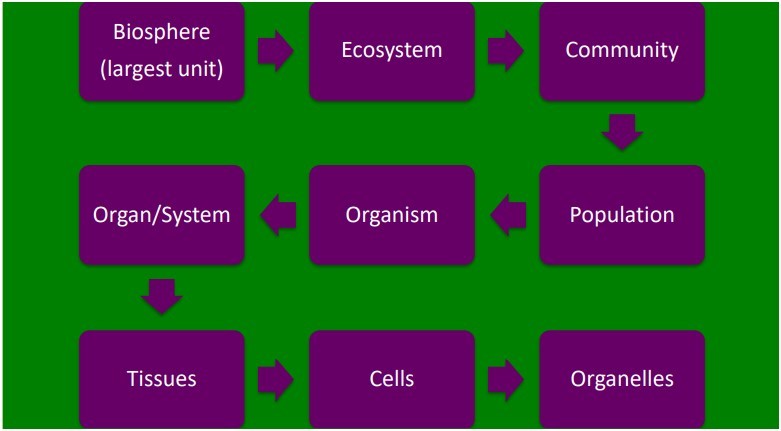
The BIOSPHERE includes all life on earth and the places where life exists. Biological Organisation
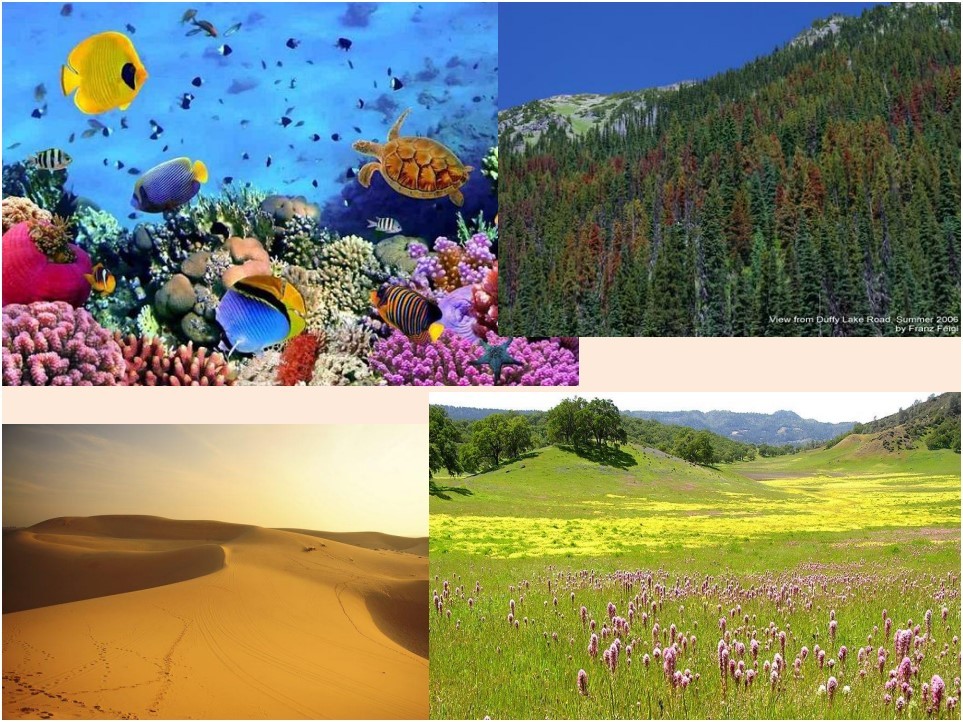
Question What are some ECOSYSTEMS? Biological Organisation
Oceans, Forests, Grasslands, Lakes, Deserts Biological Organisation
Question What are BIOLOGICAL COMMUNITIES? Biological Organisation
BIOLOGICAL COMMUNITIES All organisms sharing the same ecosystem. i.e In a forest ecosystem all the different trees, plants species. It also includes all the animals and other visible and non-visible life.
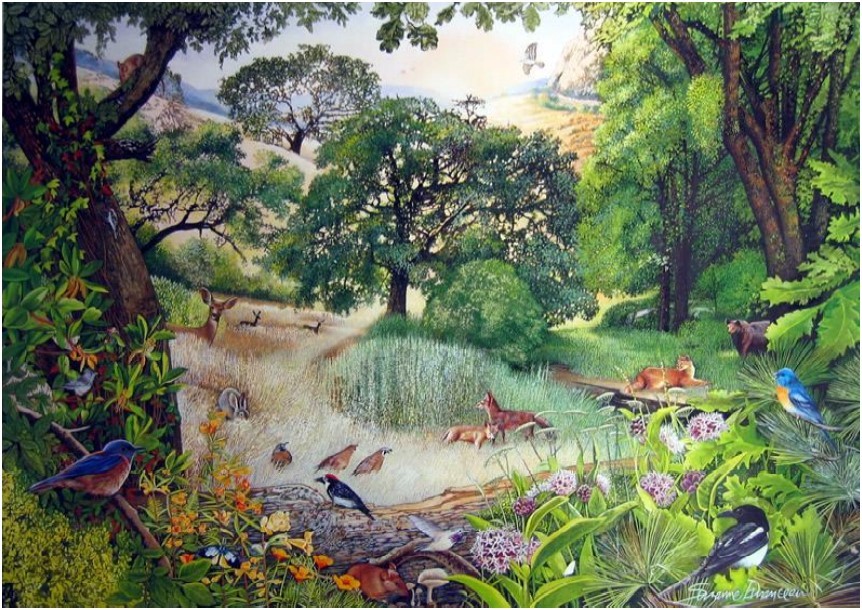
Fill the blank. Within a community a group of the same species is called a __________. Fill the blank. Biological Organisation

POPULATION Biological Organisation

Fill the blank. Individual living things are called _________. Fill the blank. Biological Organisation

ORGANISMS i.e. A tree is an ORGANISM Biological Organisation

Question What are ORGANS or SYSTEMS? Biological Organisation
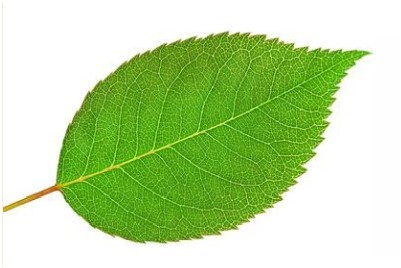
In an individual organism have ORGANS or SYSTEMS. i.e. a leaf is an organ of a tree or plant Biological Organisation
Fill the blank. Inside organs and systems, you will find various _______ that may have different functions Biological Organisation
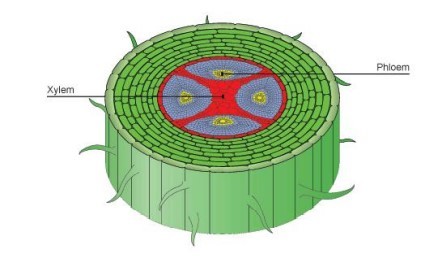
TISSUES Example tissues are the Xylem and Phloem that carry food and water. Biological Organisation
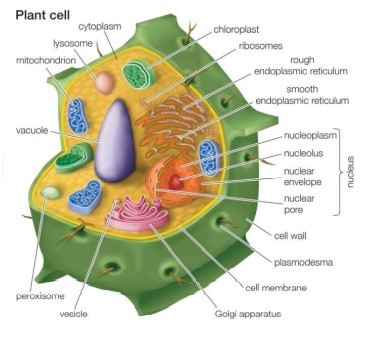
Question What are some shared characteristics of plant CELLS? The most basic and smallest unit that is needed for life. Biological Organisation
Some shared characteristics of cells • All cells have a membrane that controls passage of materials. • All cells have some kind of DNA or genetic material. • They can reproduce. Inside of cells there are ORGANELLES Biological Organisation
Review Biological Organisation Biological Organisation
Take 3 minutes to watch the video on Biological Organisation. https://www.youtube.com/watch?v=mQ26klraKvU Biological Organisation
Question Why do we need CLASSIFICATION - TAXONOMY? CLASSIFICATION - TAXONOMY
There are ~2 million species that have been described by science but many more are unknown. In 1735, Carl Linnaeus created the TAXONOMY system. CLASSIFICATION - TAXONOMY
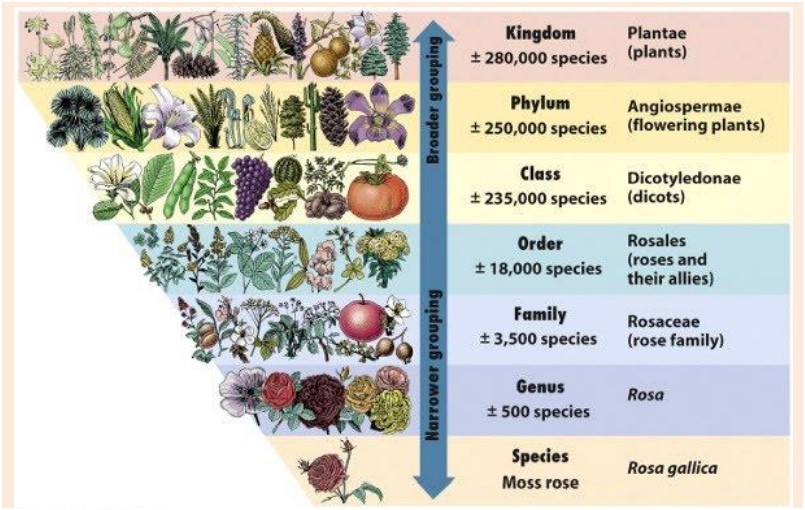
Explainer Within TAXONOMY, As you go down the list, one classification is a subdivision of the previous one. CLASSIFICATION - TAXONOMY
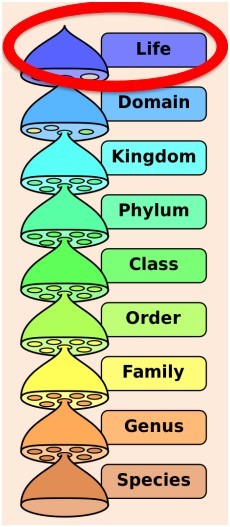
• So, DOMAIN is a sub division of LIFE • KINGDOM is a subdivision of DOMAIN • and etc… CLASSIFICATION - TAXONOMY
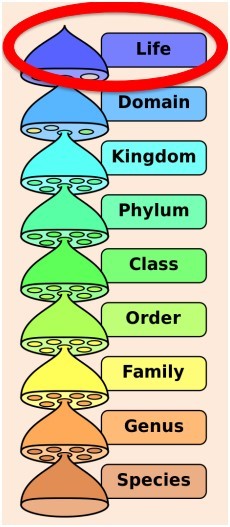
Question How are ORGANISMS classified? CLASSIFICATION - TAXONOMY
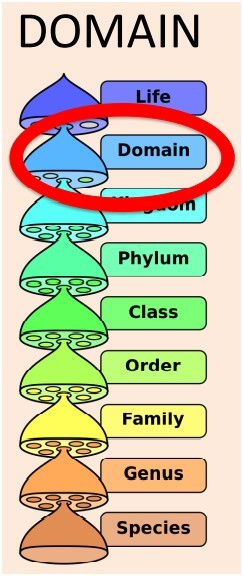
• Organisms are classified and grouped by characteristics and traits • Often based on a common ancestry • The first large division in the system is called the DOMAIN CLASSIFICATION - TAXONOMY
Question What is Phylogenetics? CLASSIFICATION - TAXONOMY
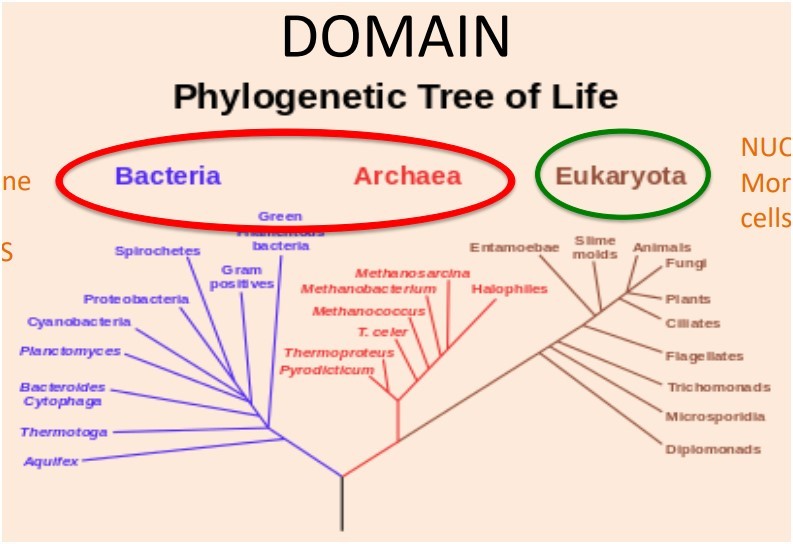
Phylogenetics is the study of evolutionary relationships between living things. The Tree of Life CLASSIFICATION - TAXONOMY
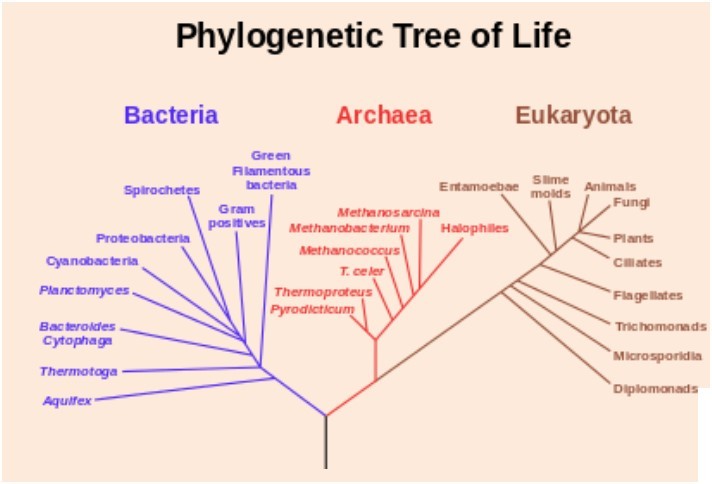
Info Originally thought to be 3 Domains. Recent studies have shown there to be only 2. Eukaryotes grouped with Archaea. CLASSIFICATION - TAXONOMY
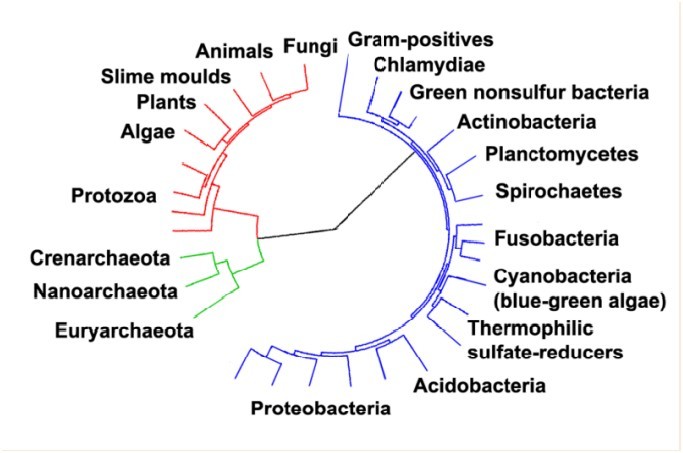
Eukaryota has NUCLEUS, is more complex than Bacteria and Archaea. CLASSIFICATION - TAXONOMY
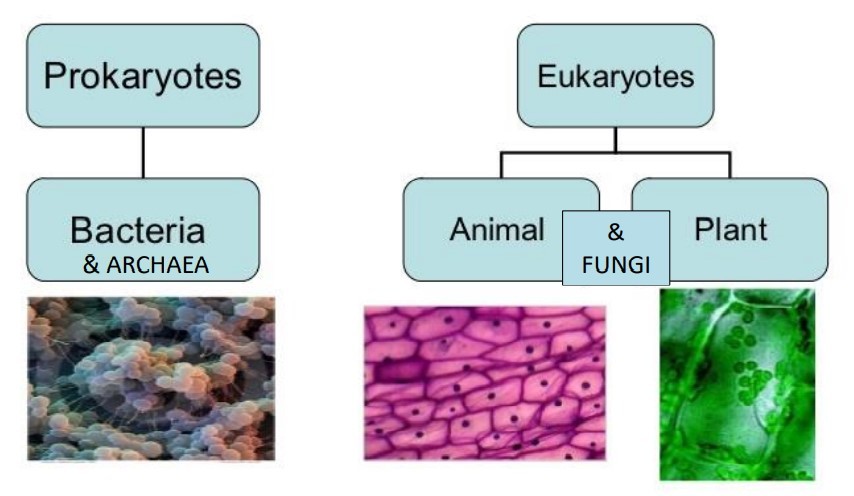
Question What are the two types of cells? That define Bacteria & Archaea and Animal, Plant & Fungi. CLASSIFICATION - TAXONOMY
Prokaryotes and Eukaryotes CLASSIFICATION - TAXONOMY
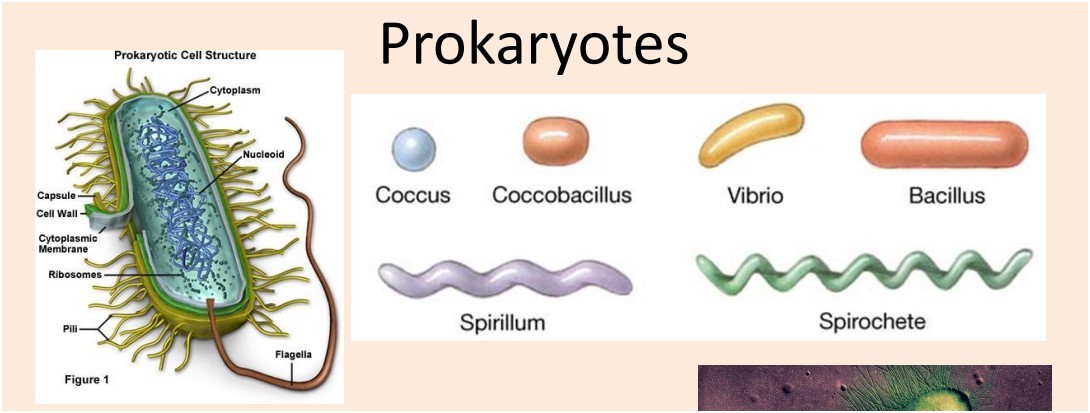
Question What are PROKARYOTES? The cells. CLASSIFICATION - TAXONOMY
PROKARYOTES • No membrane bound organelles • No nucleus • Singular celled • Bacteria and archaea • Bacteria are tiny and simpler operating CLASSIFICATION - TAXONOMY
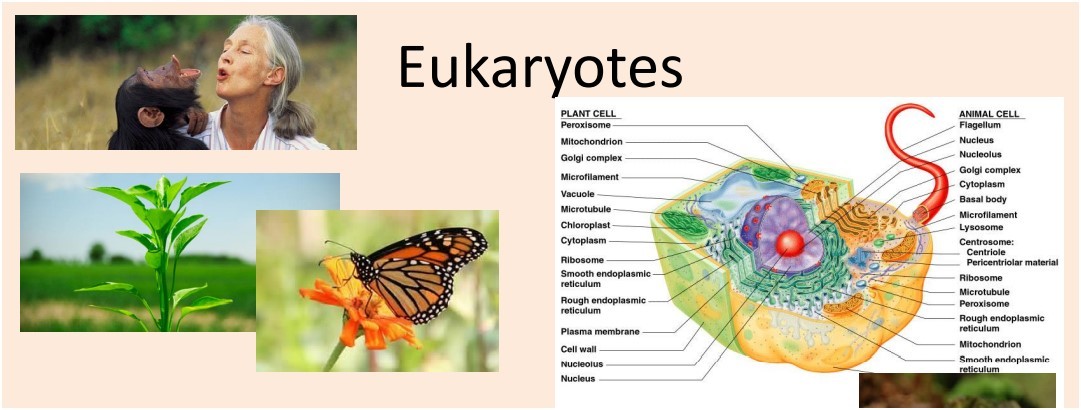
Question What are EUKARYOTES? The cells. CLASSIFICATION - TAXONOMY
EUKARYOTES * Humans, insects, fungi, plants * Single celled or multi-cellular (usually) * Membrane bound organelles * Organelle bound cells including having a nucleus * Bigger cells – more power/organised CLASSIFICATION - TAXONOMY
Question What are the Five/Six Kingdoms? CLASSIFICATION - TAXONOMY
The Five/Six Kingdoms. 1. Plantae (Plants, eukaryotic) 2. Animals (All multicellular animals, eukaryotic) 3. Fungi (moulds, Mushrooms, yeasts, eukaryotic) 4. Protista (Amoeba, plasmodium, unicellular organisms, some algae, eukaryotic single celled organisms) 5. Bacteria, (blue-green algae) & Archaea (prokaryotes) CLASSIFICATION - TAXONOMY
Explainer Phyllum CLASSIFICATION - TAXONOMY
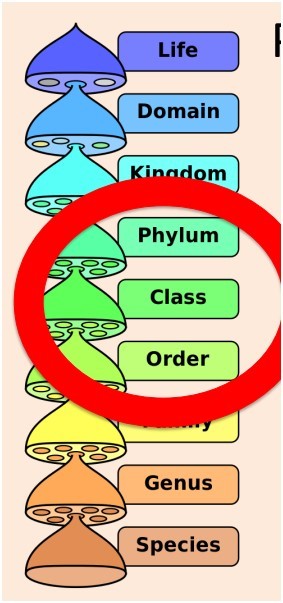
Phyllum is more complex – flowering angiosperms and non-flowering gymnosperms plants (also vascular and non vascular) Gymnosperms are the naked seed plants such as conifers and cycads – non vascular plants include mosses and liverworts CLASSIFICATION - TAXONOMY
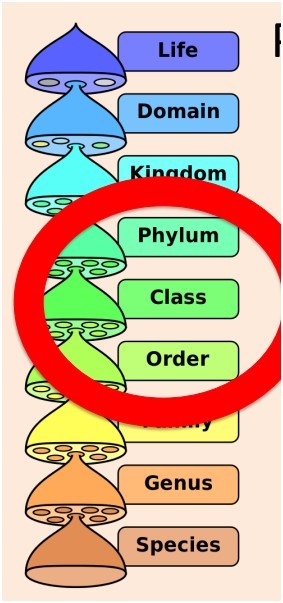
Explainer Class, Order CLASSIFICATION - TAXONOMY
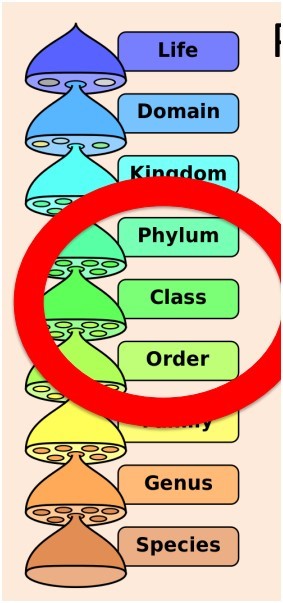
Class is also complex – It is divides between the Monocotyledons and Dicotyledons Order is a grouping of similar families of plants CLASSIFICATION - TAXONOMY
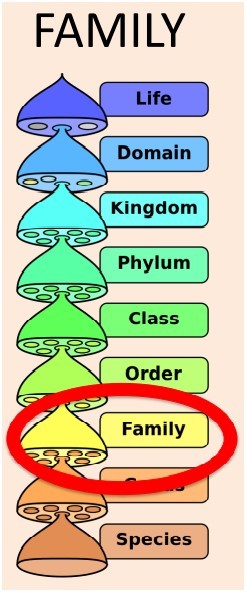
Question What do you know about FAMILY? In the classification system. CLASSIFICATION - TAXONOMY
FAMILY * 452 vascular plant families so far world wide * Plants that share traits/characteristics * Important for Plant Identification * Use a key to identify * Often based on observation of flower characteristics (i.e. numbers of petals etc) * Important for Crop Rotation CLASSIFICATION - TAXONOMY
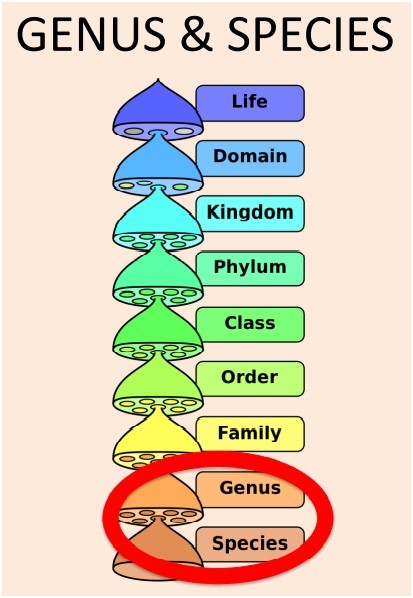
Question Describe what we mean by GENUS & SPECIES. CLASSIFICATION - TAXONOMY
GENUS & SPECIES. * At species level you are identifying individual organisms. * At a species level, you are looking for very specific characteristics, i.e. leaf size between one vetch and another or a slight different shape in a petal or a line of hair up a stem – very specific. * It can be quite difficult!! * Apps - PlantNet, Flora Incognita etc CLASSIFICATION - TAXONOMY
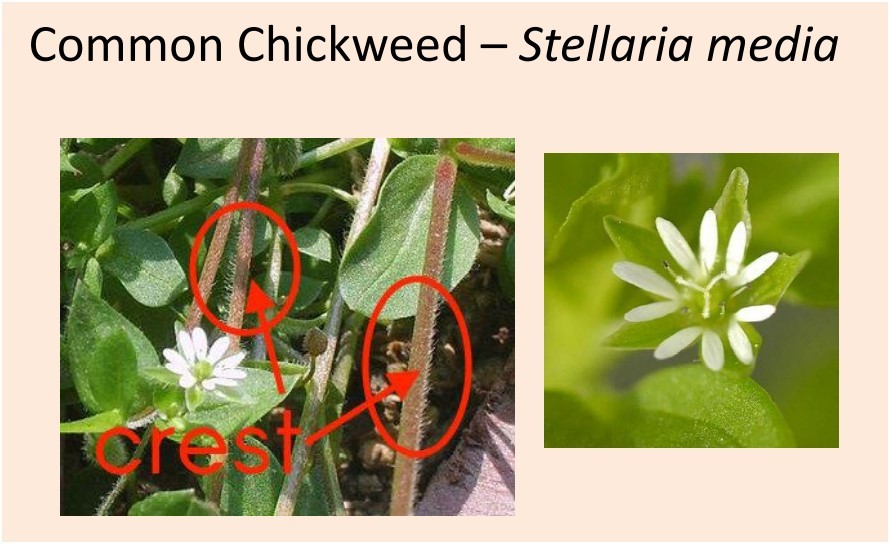
Example An typical example of naming convention using GENUS & SPECIES CLASSIFICATION - TAXONOMY
Common name and Latin name. CLASSIFICATION - TAXONOMY
Question Why LATIN? CLASSIFICATION - TAXONOMY
• Genus and species written in Latin with Capital letter for genus and small letter for species, underlined or in Italics Example: Fraxinus excelsior or Fraxinus excelsior, Common name: Ash Tree • There are many different international and local common names for species Example: Gorse, Whin, Furze – Common names Latin: Ulex europaeus The use of Latin genus and species is globally universal CLASSIFICATION - TAXONOMY