C5 Detective Chemistry
No description yet. This curated deck is ready for daily study.
Card preview (24)
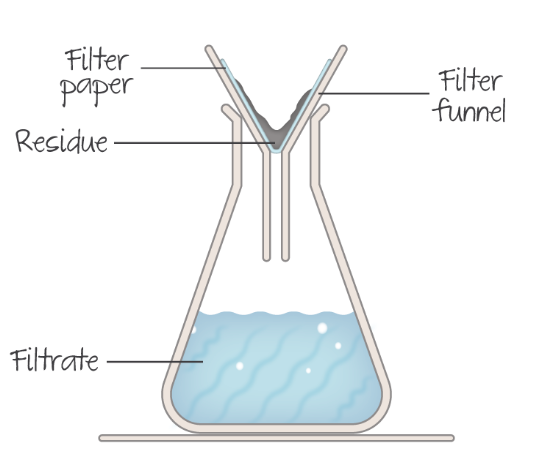
draw and label a diagram of FILTRATION when is this used?
removing insoluble solid from solvent (using filter paper)
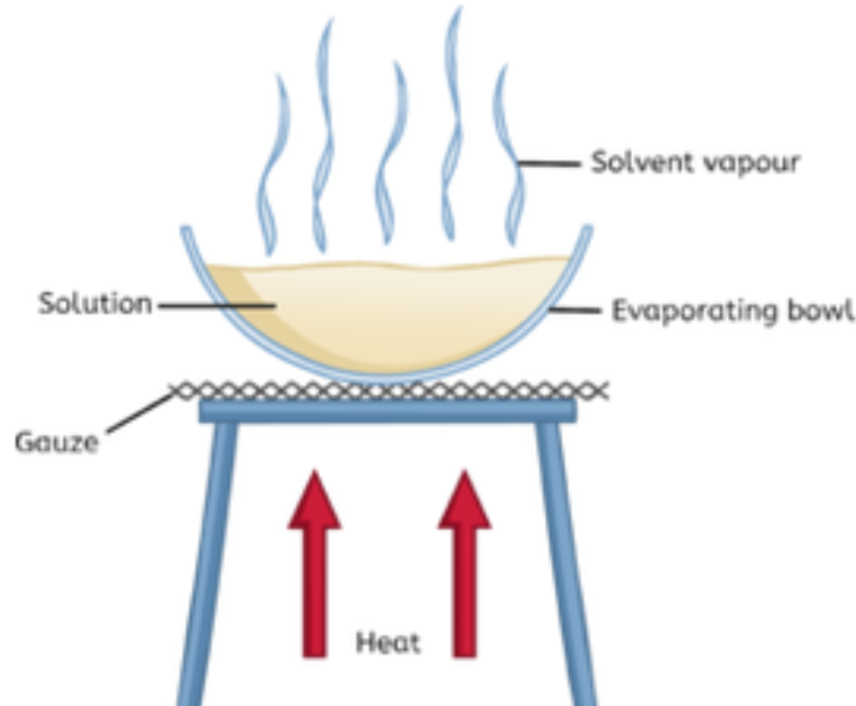
draw and label a diagram of EVAPORATION/CRYSTALLIZATION when is this used?
removing soluble solid from solvent (using heat)
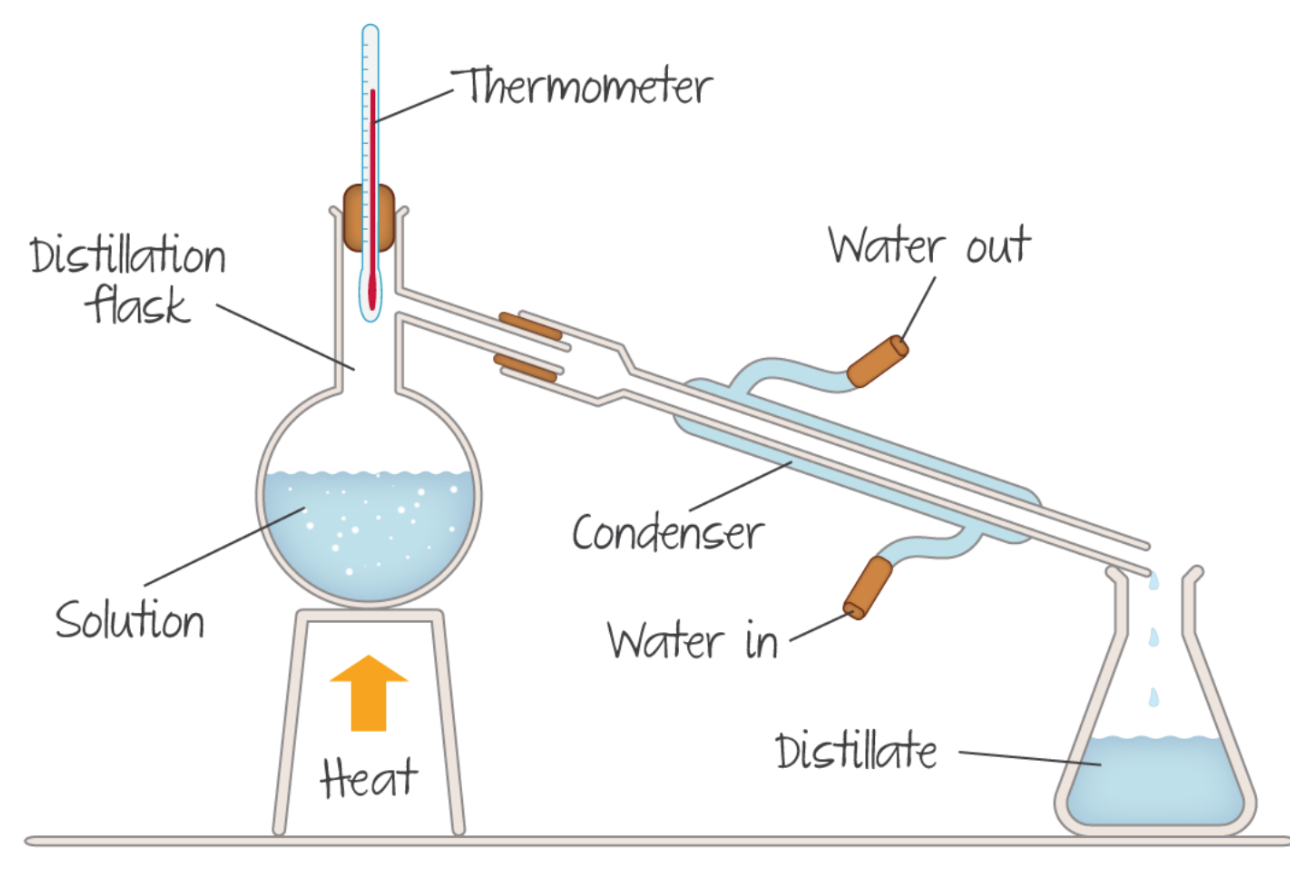
draw and label a diagram of DISTILLATION when is this used?
separating LIQUID with DIFFERENT BP using vaporization+condensation
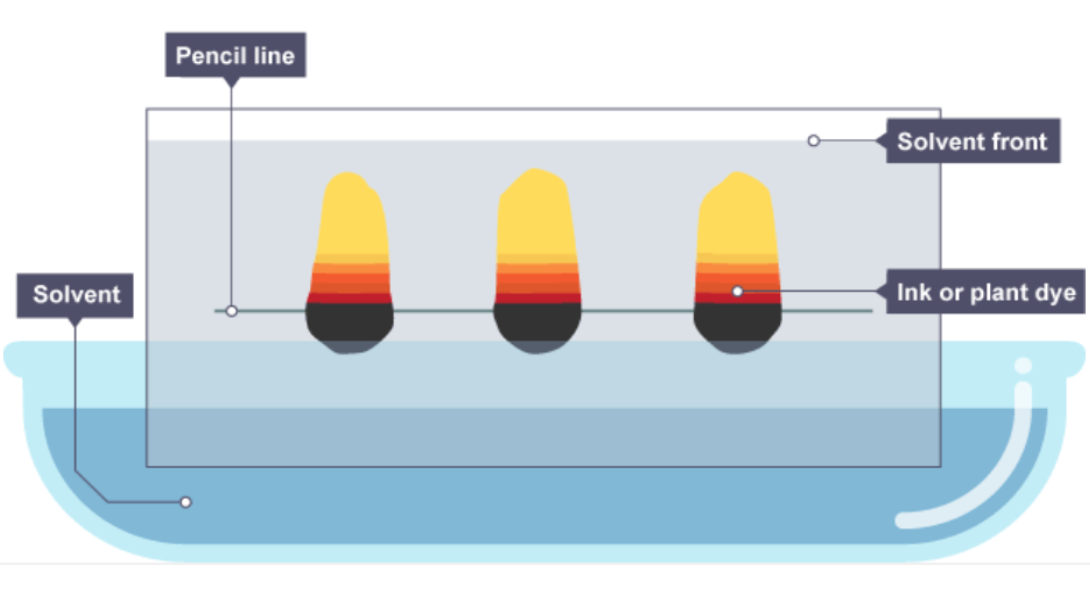
what is the use of paper chromatography?
separate + identify substances in a mixture
why does paper chromatography work?
different pigments are soluble at different points and move at different rates
draw and label a diagram of PAPER CHROMATOGRAPHY
how do you calculate Rf?
distance moved by substance/distance moved by solvent
why do PURE substances have FIXED m/b points?
same molecules → same forces between molecules
what does IMPURITY do to the MP of a solid? why?
decrease disrupts the usual pattern of intermolecular forces → molecules less tightly held → less energy needed to overcome the forces
what does IMPURITY do to the BP of a liquid? why?
increases extra intermolecular forces → more energy needed to overcome the forces
draw and label a diagram of FRACTIONAL DISTILLATION when is this used?
to separate two liquids with CLOSE BP
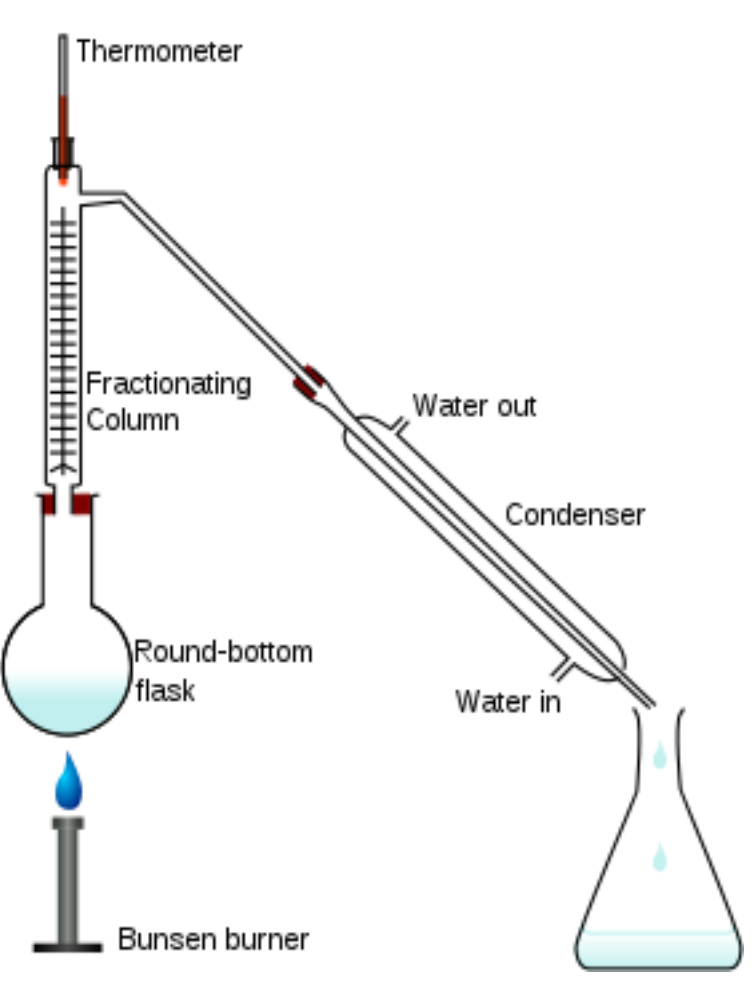
why is fractional distillation more accurate?
FRACTIONATING COLUMN with glass beads • hotter at the base than top • vapor with higher bp condense inside the column and drop back down into the flask • only vapor with lower bp can escape into condenser
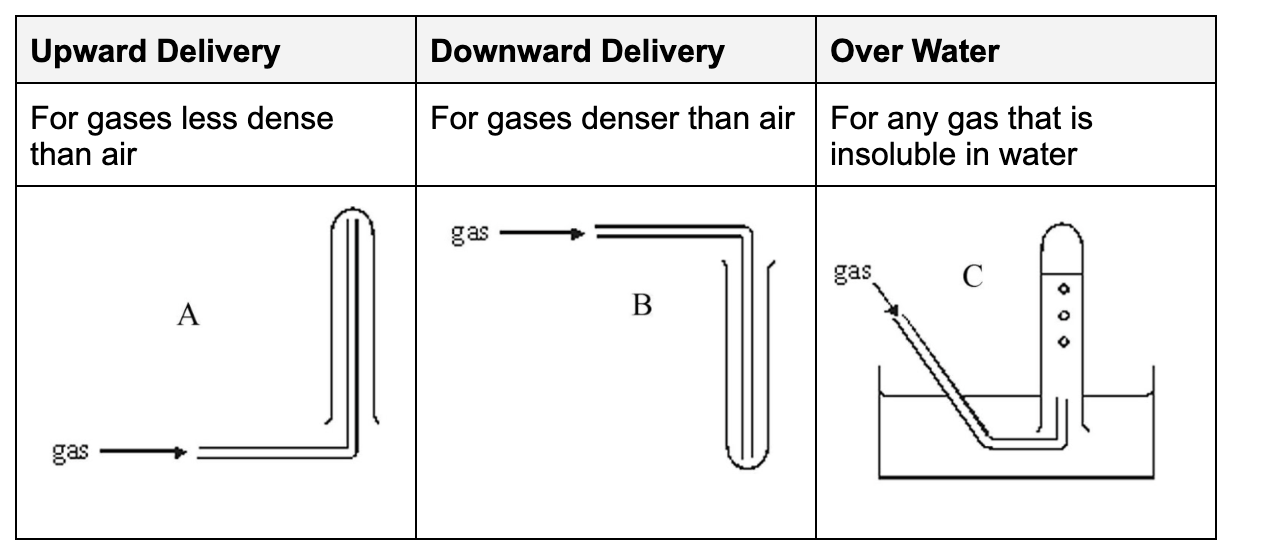
what are the three different methods of GAS COLLECTION?
• upward delivery - gas less dense than air • downward delivery - gas more dense than air • over water - gas insoluble in water
what colors are their FLAMES: • lithium • sodium • potassium • copper
Li - red Na - yellow K - purple/lilac Cu - green-blue

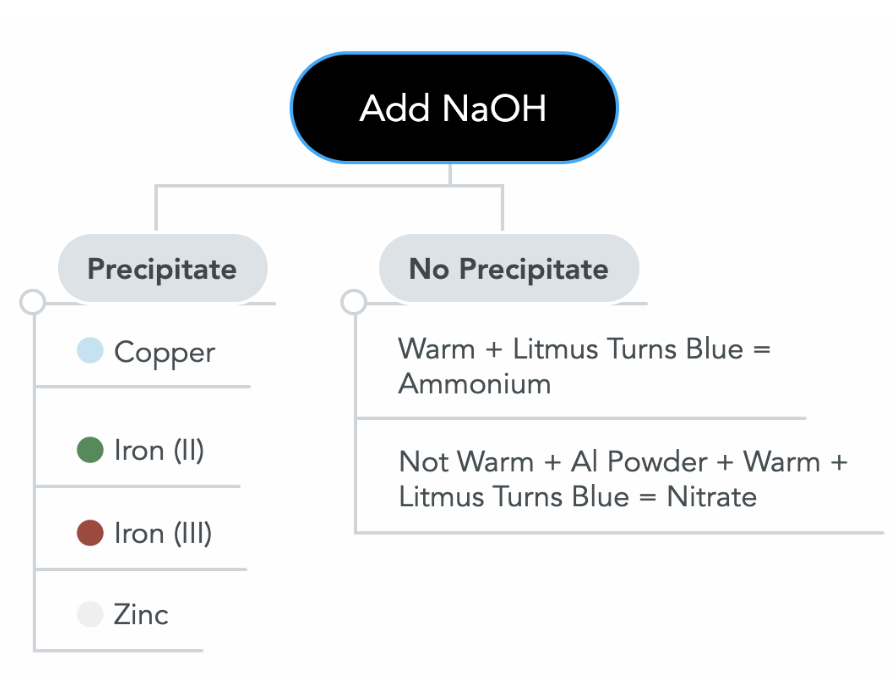
how do you identify the cations: • copper • iron (II) • iron (III) • zinc • ammonium • nitrate
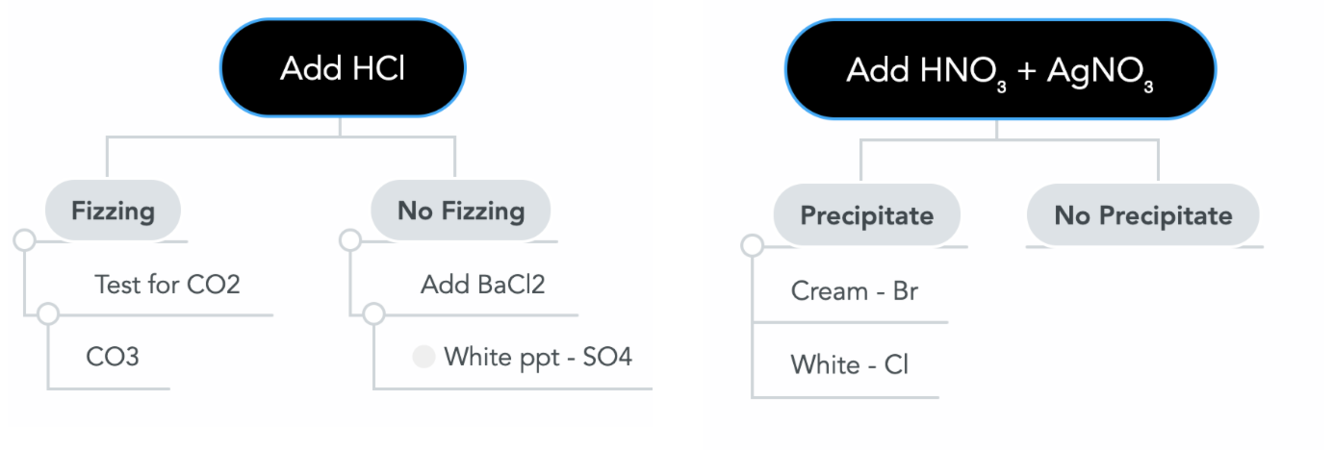
how do you identify the anions: • carbonate • sulphate • chloride • bromide
how does sweating cool your body? explain in terms of evaporation
• sweat molecules take energy/heat from body • molecules with high energy escape • remainder have less energy
what is the formula for ammonia solution?
NH4OH
test for O2?
relights glowing splint
test for H2?
lighted/burning splint → squeaky pop
test for CO2?
clear limewater turns cloudy
test for ammonia gas (NH3)?
damp red litmus paper turns blue
test for chlorine gas?
bleaches damp litmus paper
test for water?
cobalt chloride paper blue → pink