Energy and Matter in an Ecosystem
No description yet. This curated deck is ready for daily study.
Card preview (11)
Movement of energy and nutrients in an ecosystem
in an ecosystem, energy moves in one direction, and nutrients are recycled. the biotic and abiotic componenets of an ecosystem interact with each other to capture and transform and transfer energy
Energy flow in an ecosystem pyramid
Secondary and tertiary consumers, omnivores and carnivores, follow in the subsequent sections of the pyramid. At each trophic level up the food chain, only 10 percent of the energy is passed on to the next level, while approximately 90 percent of the energy is lost as heat, respiration, growth, excretion etc.
Energy transfer and transformation
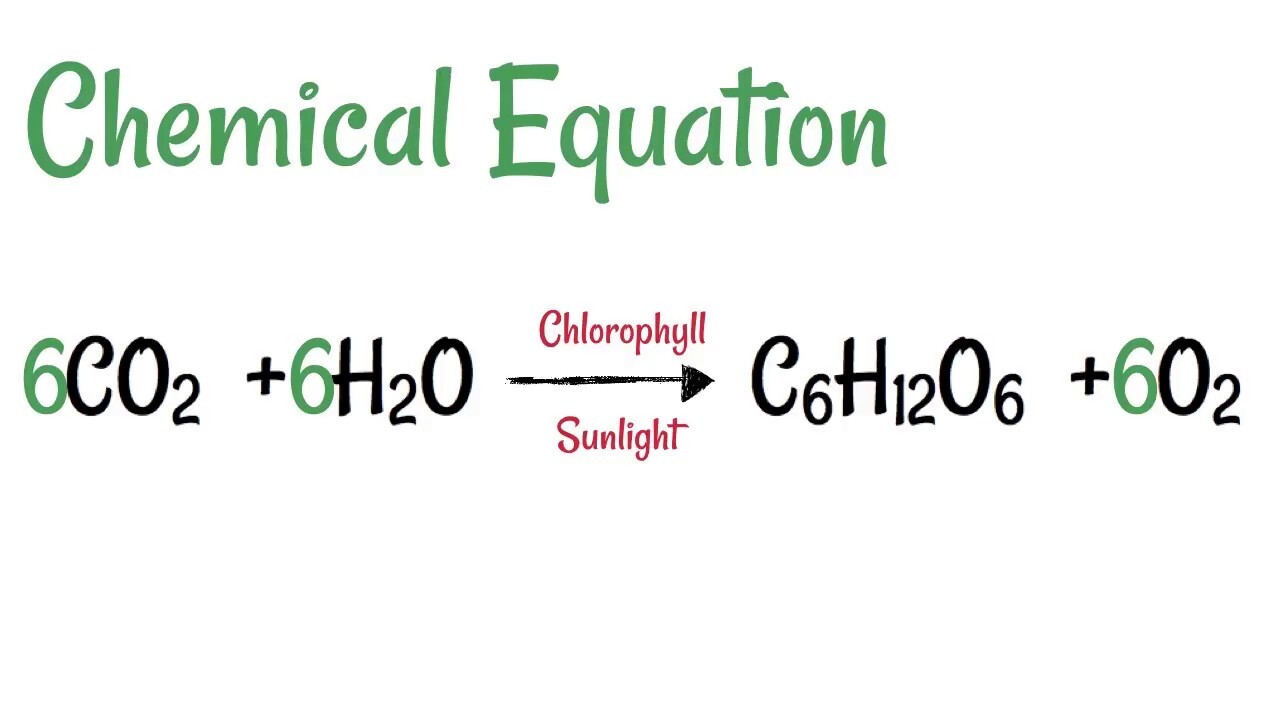
Energy is transferred between organisms in food webs from producers to consumers to carry out complex tasks. Most of the energy in food webs originates from the sun and is converted (transformed) into chemical energy by the process of photosynthesis in plants.
Role of photosynthesis in an ecosystem
Photosynthesis converts energy from the sun into simple sugars that the plant uses as fuel. These primary producers form the base of an ecosystem and fuel the next trophic levels. Without this process, life on Earth as we know it would not be possible.
Role of respiration in an ecosystem
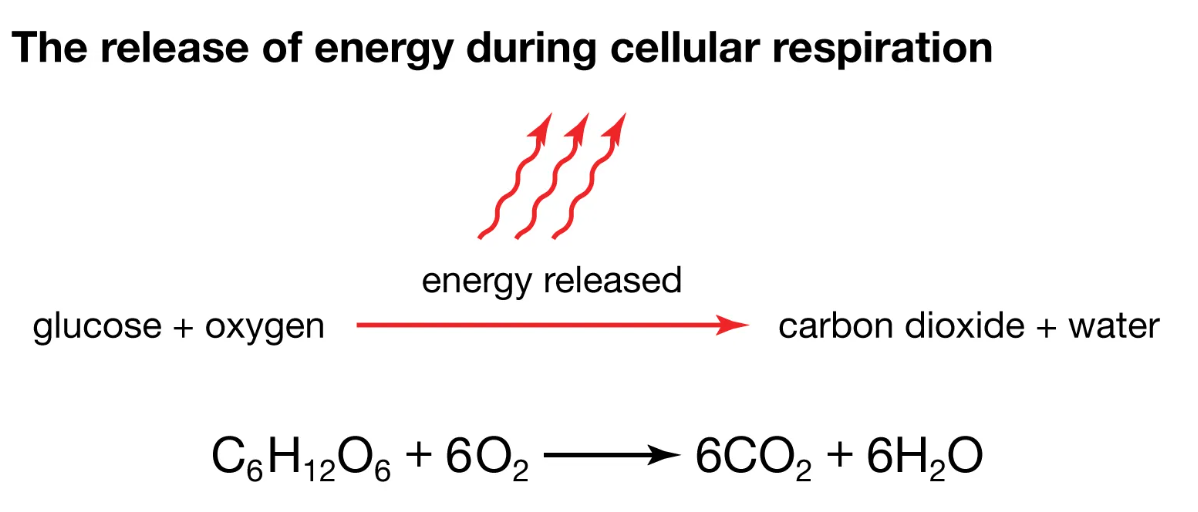
Respiration is essential for growth and maintenance of all plant tissues, and plays an important role in the carbon balance of individual cells, whole-plants and ecosystems, as well as in the global carbon cycle.
Biogeochemical Cycles
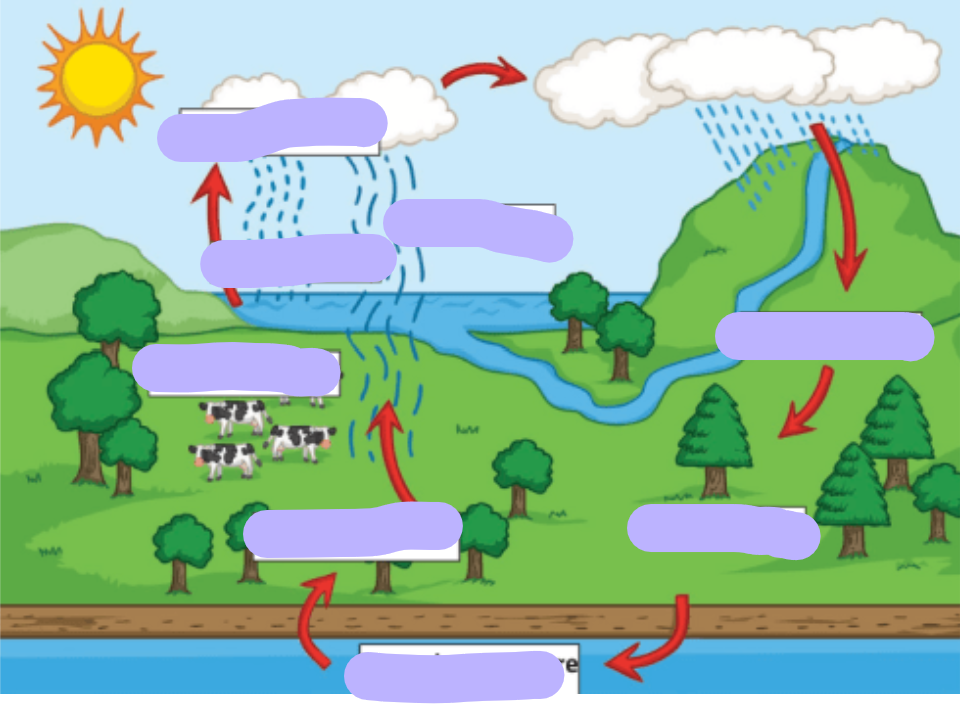
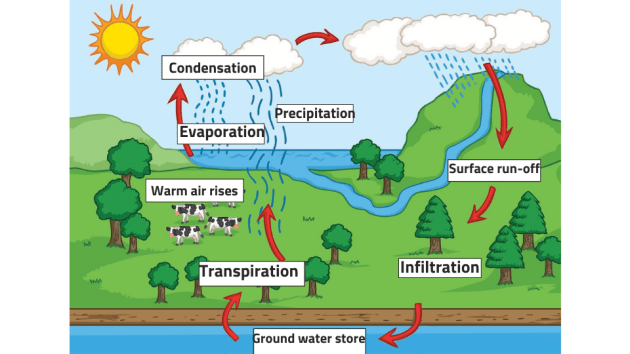
The ways in which an element—or compound such as water—moves between its various living and nonliving forms and locations in the biosphere is called a biogeochemical cycle. Biogeochemical cycles important to living organisms include the water, carbon, nitrogen,
Water Cycle
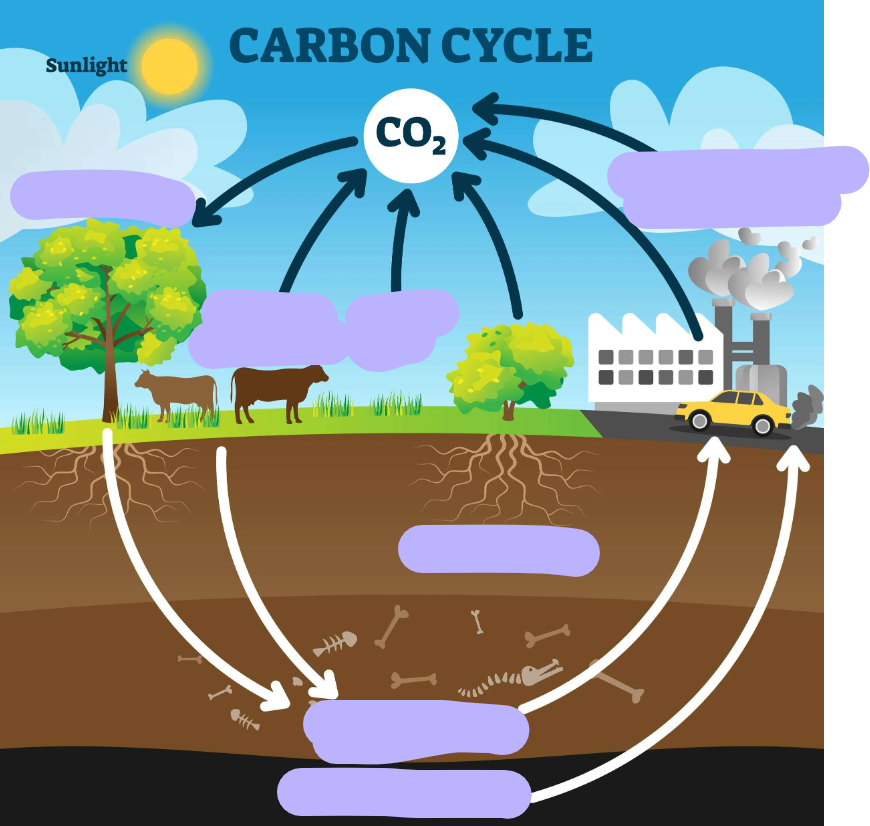
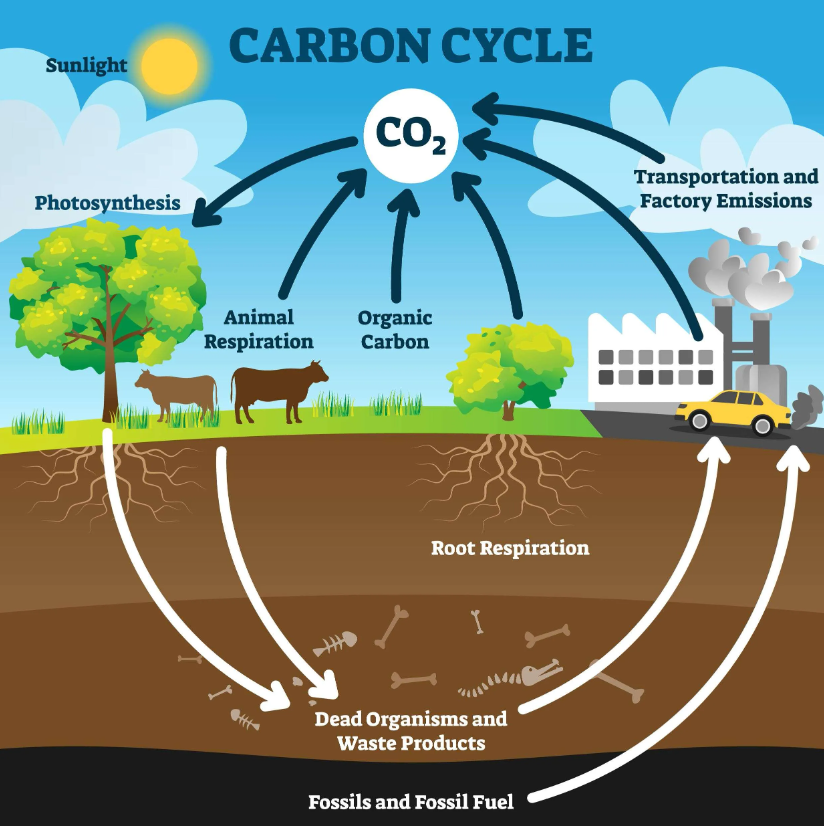
Carbon Cycle
Carbon Sink
The ocean, soil and forests are the world’s largest carbon sinks. A carbon source releases carbon dioxide into the atmosphere.
Nitrogen Cycle
Nitrogen cycle processes
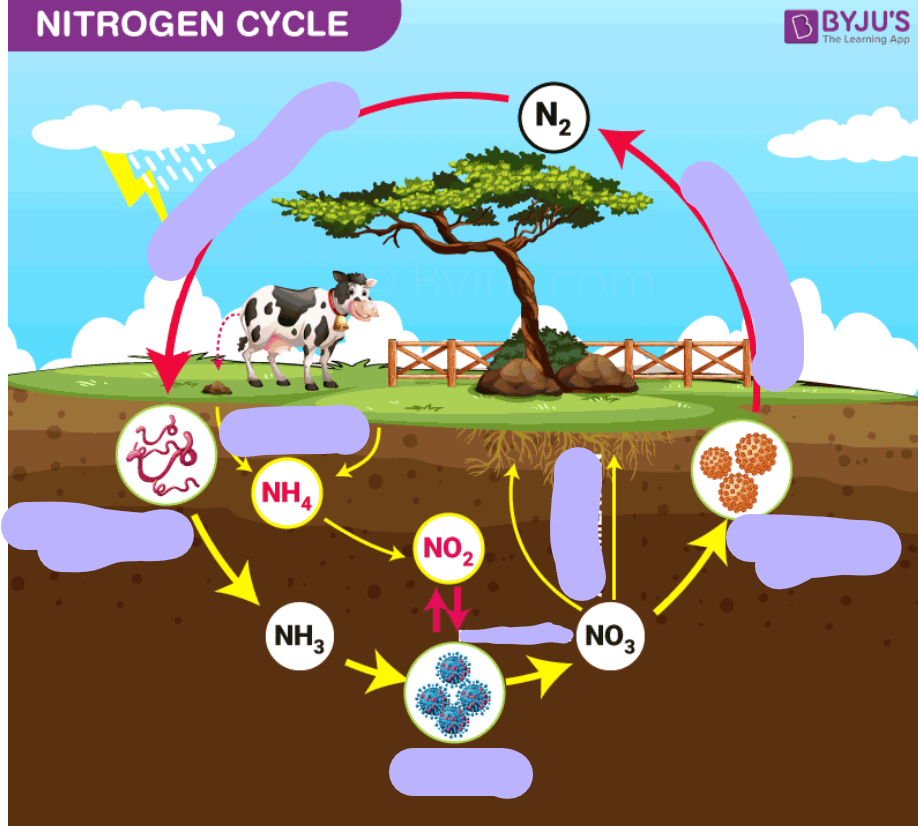
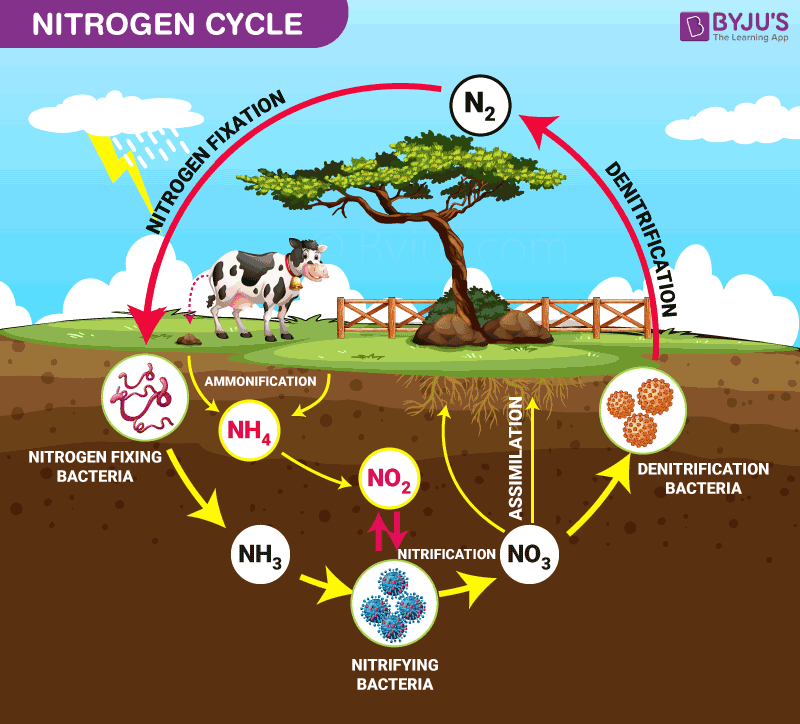
• Nitrification: converts ammonia to nitrite and then to nitrate and is another important step in the global nitrogen cycle. • Nitrogen Fixing: The role of nitrogen-fixing bacteria is to supply plants with the vital nutrient that they cannot obtain from the air themselves. Makes N2 combine to form more reactive nitrogen compounds (ammonia, nitrates or nitrities) • Assimilation: The formation of organic nitrogen compounds like amino acids from inorganic nitrogen compounds present in the environment • Ammonification: When an organism excretes waste or dies, the nitrogen in its tissues is organic nitrogen (e.g. amino acids, DNA). Decomposed to release inorganic nitrogen back into the ecosystem as ammonia • Denitrification: converts nitrate to nitrogen gas, returning it to the atmosphere.