Sheep Breeds (Ovine)🐑
No description yet. This curated deck is ready for daily study.
Card preview (21)
How are sheep classified?
• geographic orgin (British UK, Continenta/European, Middle East, African, Oceanic/Australia/New Zealand • goals/traits (meat, wool, dual purpose, speciality)
What are the Wool Breeds?
• Merino (Spain) • Rambouillet (France)
Merino (Spain) [WOOL BREED]
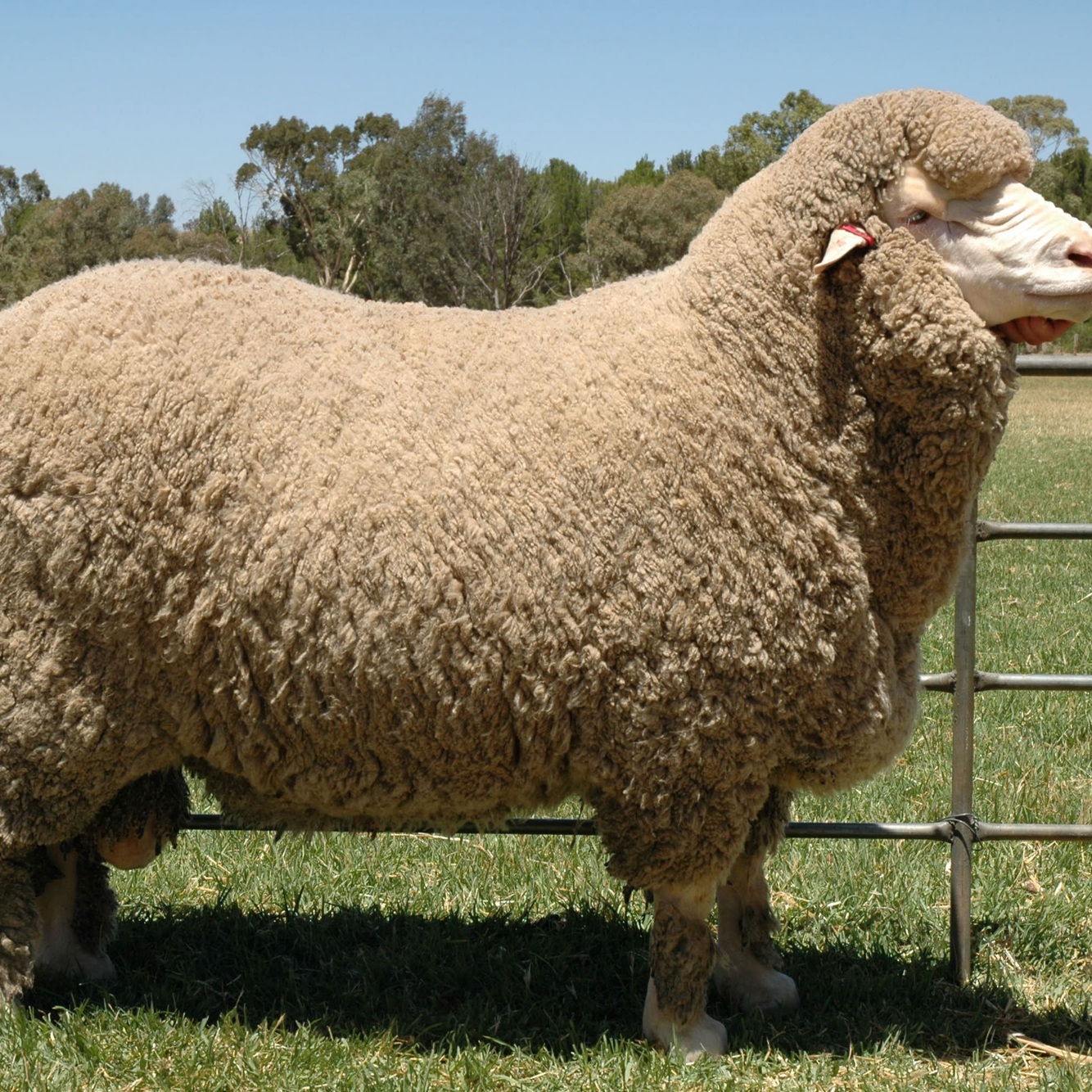
• most dominant breed in worldwide sheep industry • “golden fleece” • smaller than other breeds • hardy, fertile, long lived • generally have fine fleeces • one of oldest breeds • screw worm fly was an issue • more wrinkles=more wool
Rambouillet (France) [WOOL BREED]
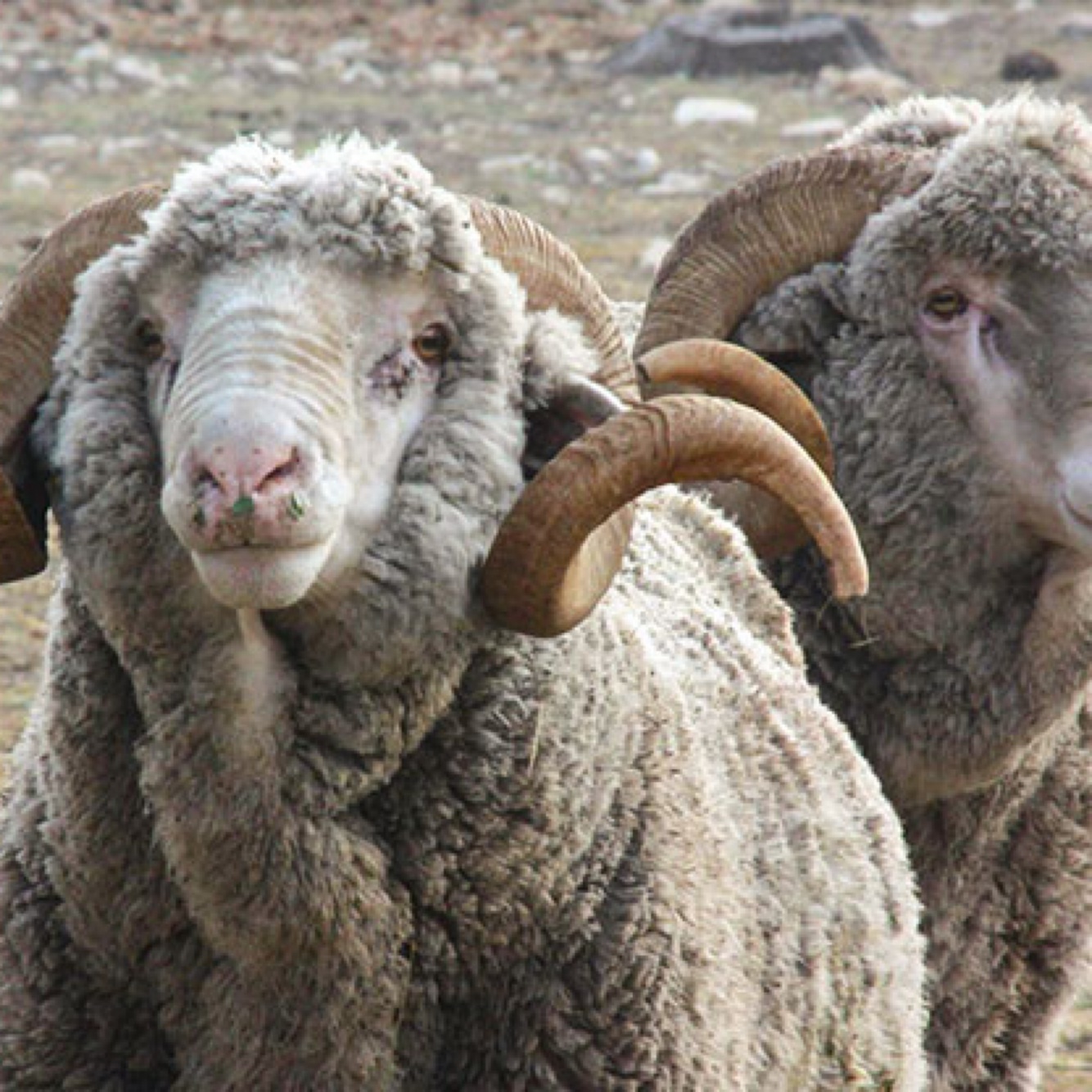
• descended from Spanish merino but faster growing • hardy, white faced breed, not extremely prolific (prominent range in Western U.S. and Texas) • dual purpose sheep in U.S. (produce fine wool yet have acceptable growth) • selected against wrinkles and wool on face
What are the meet breeds?
• Hampshire (England) • Suffolk (England) • Southdown (England) • Dorset (England)
Hampshire (England) [MEAT BREED]
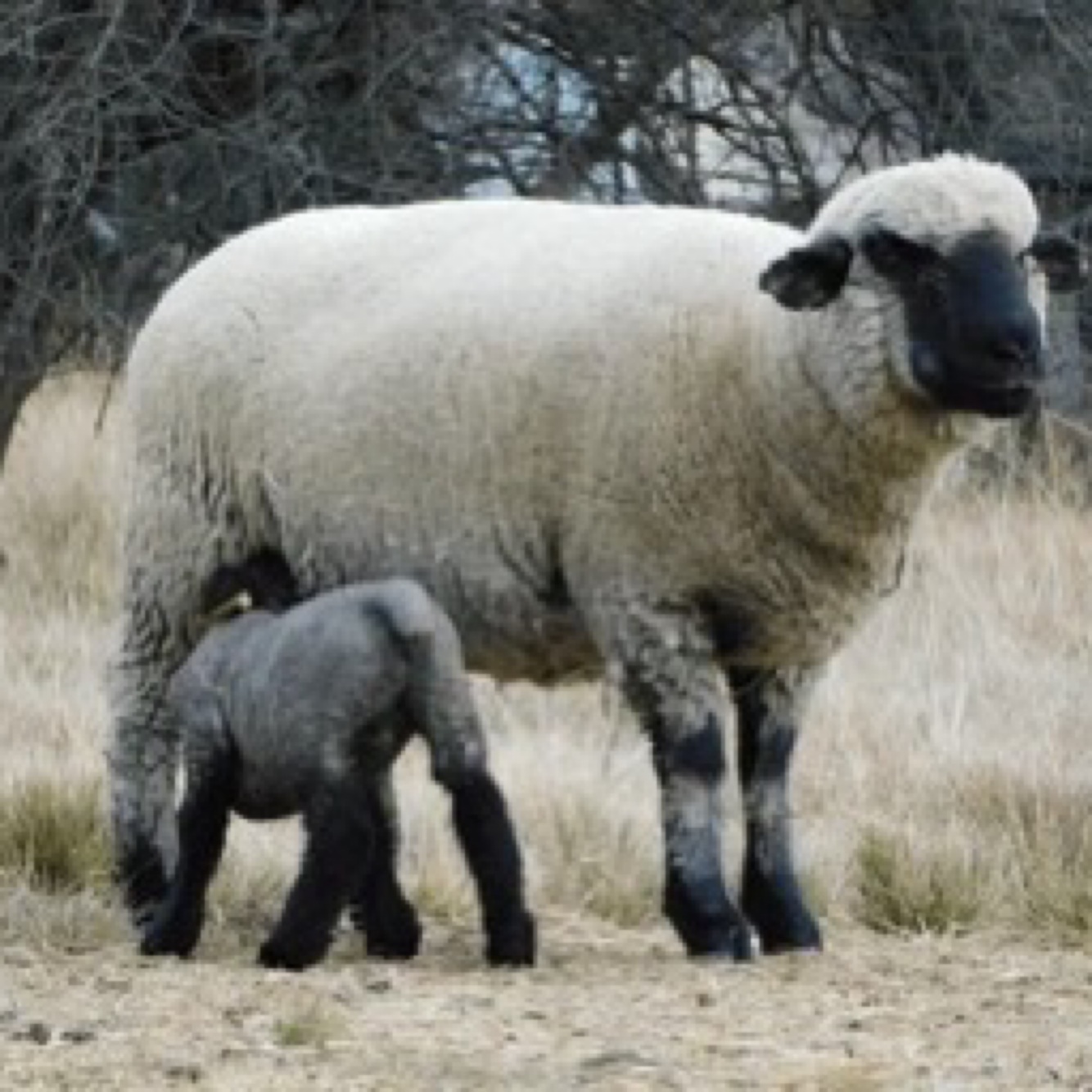
• sire breed, known for rapid growth and muscularity • black/brown face, legs, ears • wool cap on head • most popular sire breed in commercial production • infused with Suffolk genes
Suffolk (England) [MEAT BREED]
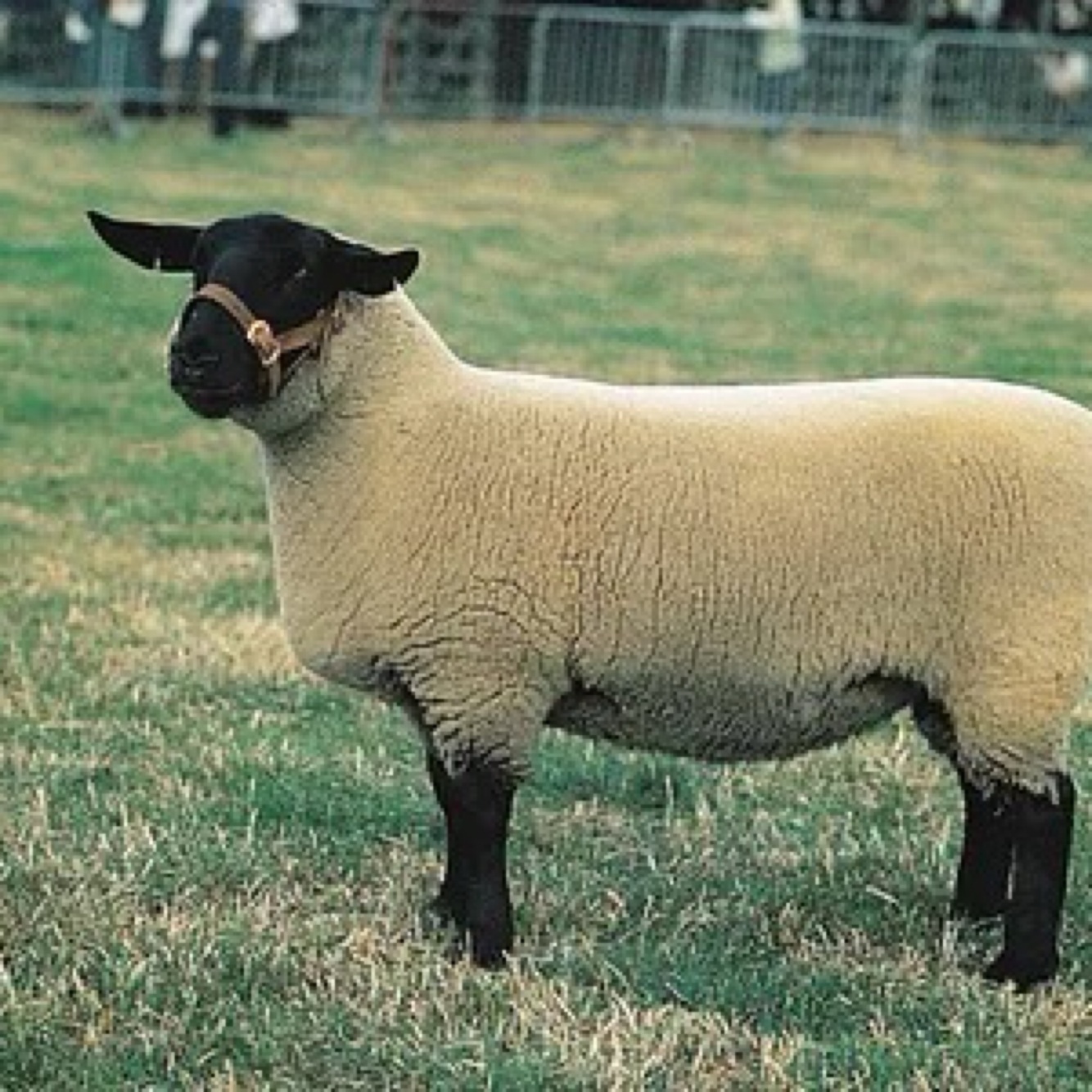
• old sire breed used in production • free of wool on head and legs • alert & active • profile ewes, heavy milking, produce poor fleeces • single trait selection has ruined the breed • spider gene (hereditary chondrodysplasia)
Southdown (England) [MEAT BREED]
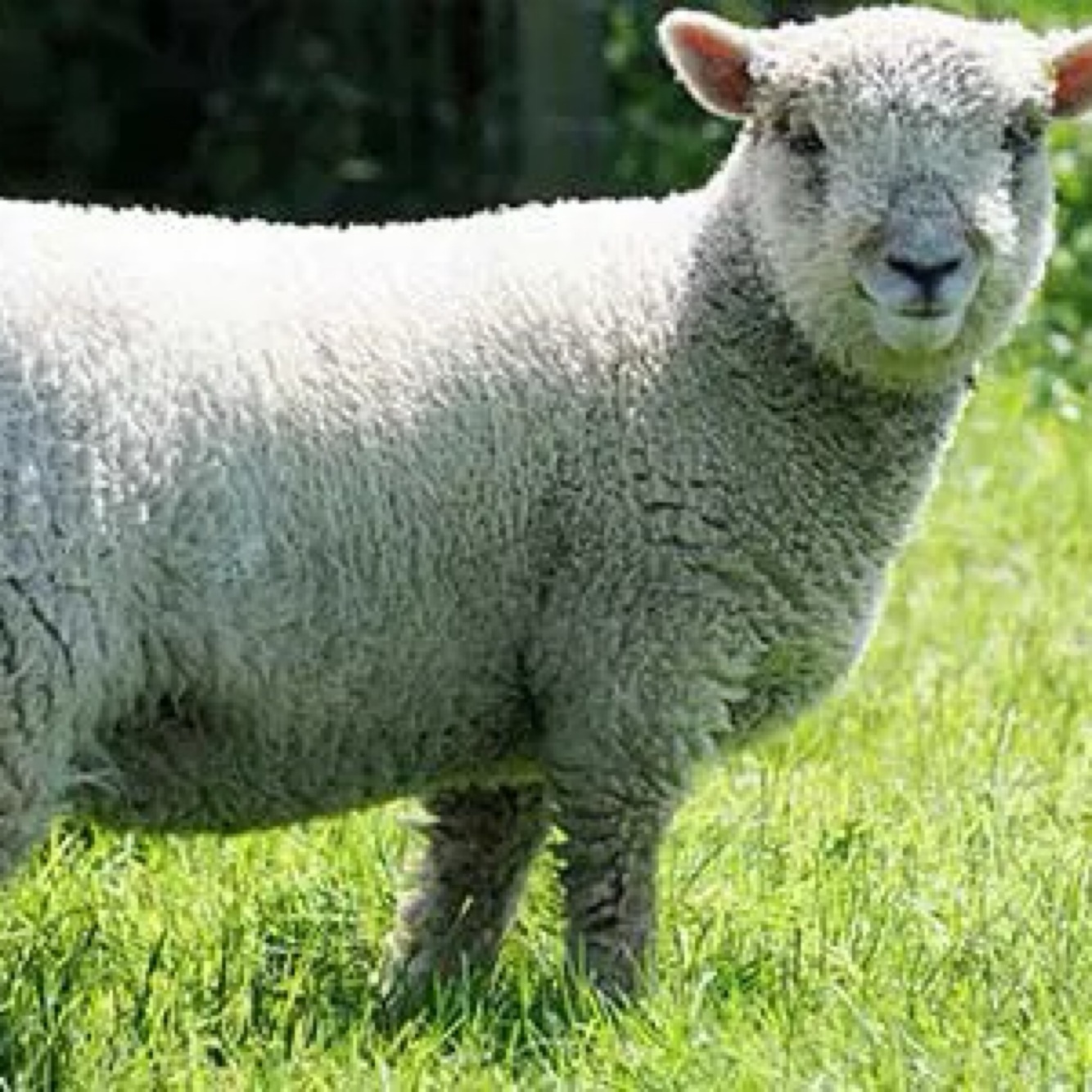
• one of the oldest sheep breeds • imported in 1803 • small to medium size (light brown face and legs) • farm flock produce meaty, light weight carcasses • low maintenance with average prolificacy and milk production
Dorset (England) [MEAT BREED]
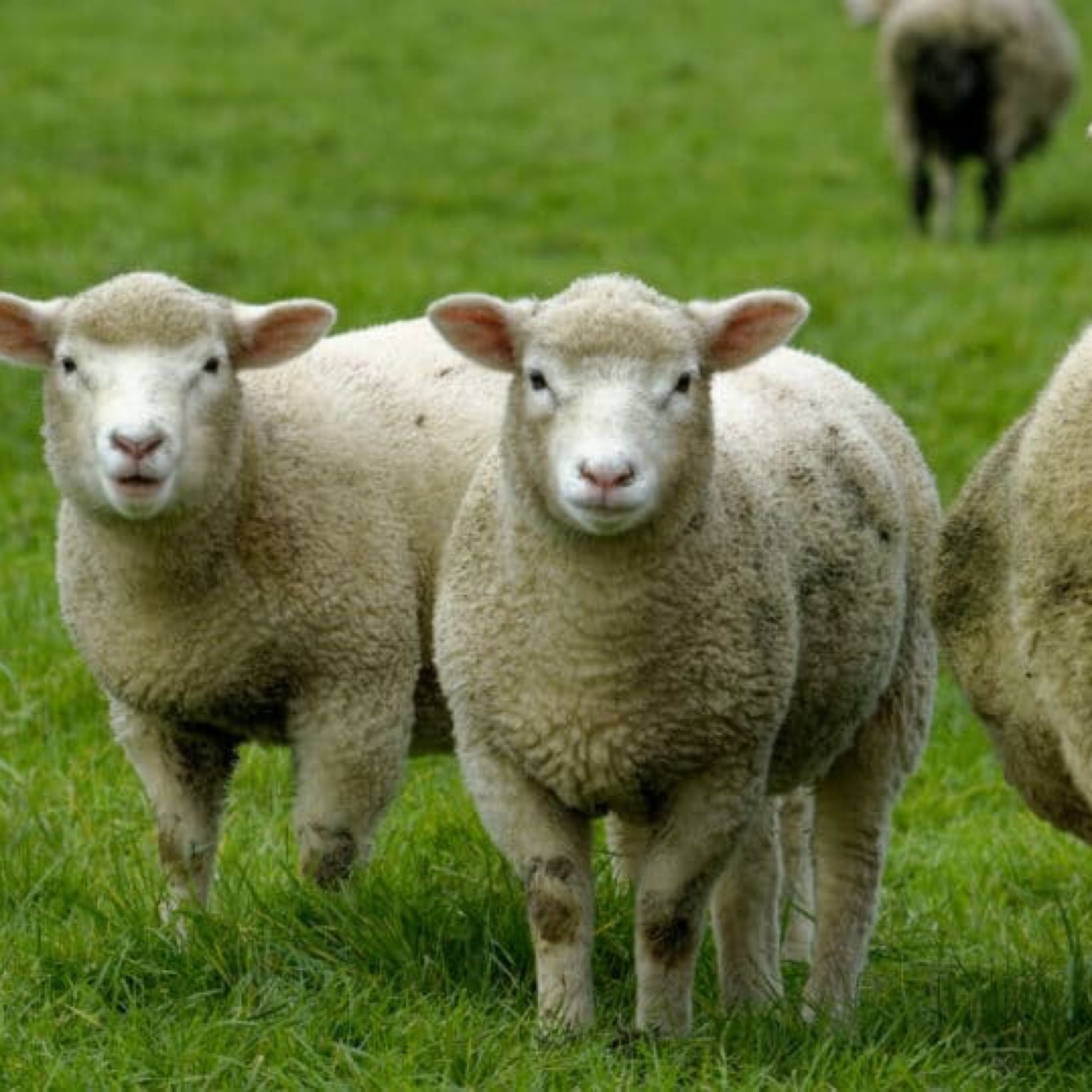
• both horned and polled strains • medium sized breed • known for ability to breed out of season, prolificacy, and milking ability • early sexual and composite maturity • white faced, light shearing, open fleece • hot house lambs
What are the specialty breeds?
• Dorper (South Africa) • Finnsheep
Dorper (South Africa) [SPECIALTY BREED]
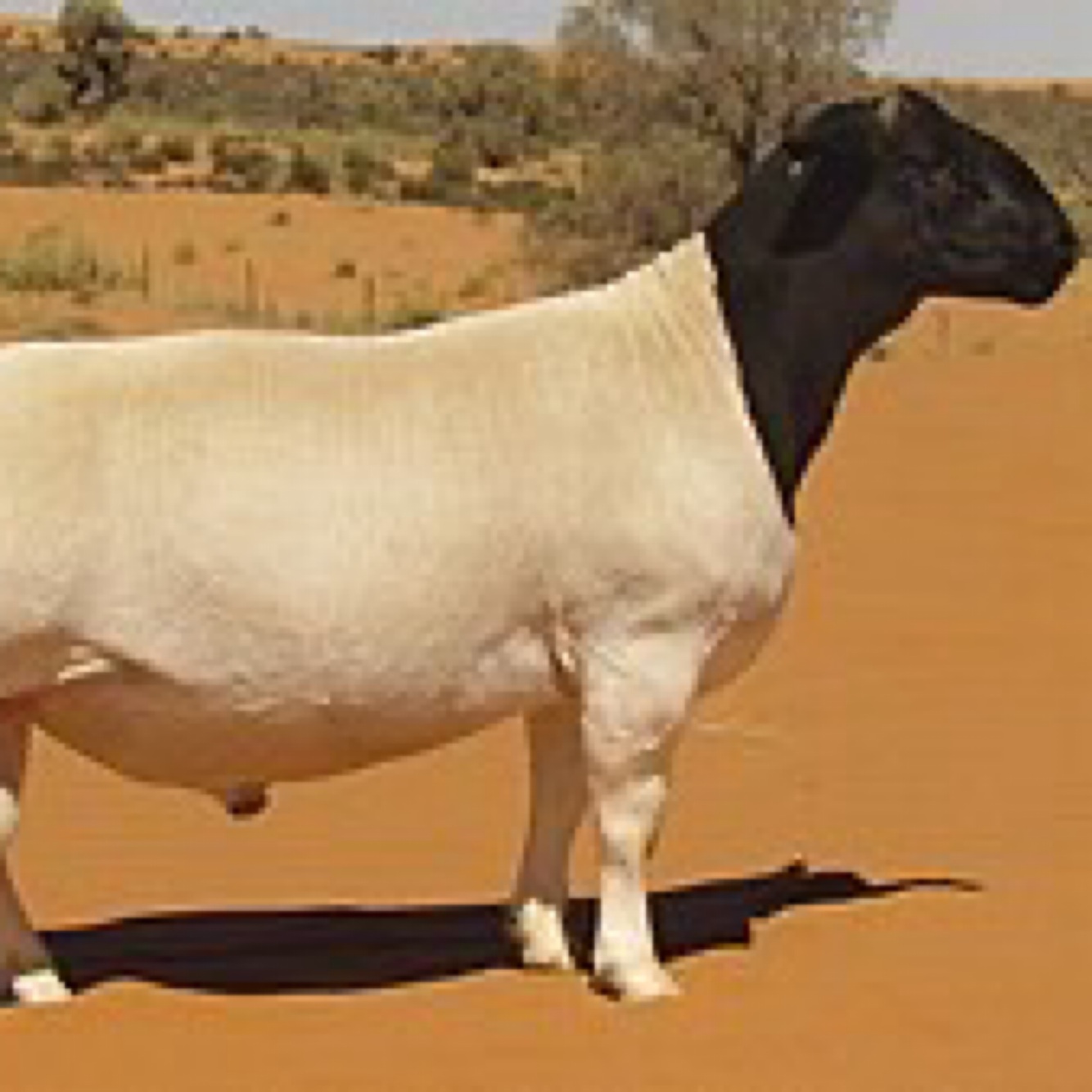
• hair management, does not require intensive management • white body and black head • very fertile, breed out of season • exceptional ability and hardiness • exist in harsh terrain • lambs grow rapidly & have high weaning weights • composite: dorset & black headed Persian
Finnsheep (Finland) [SPECIALTY BREED]
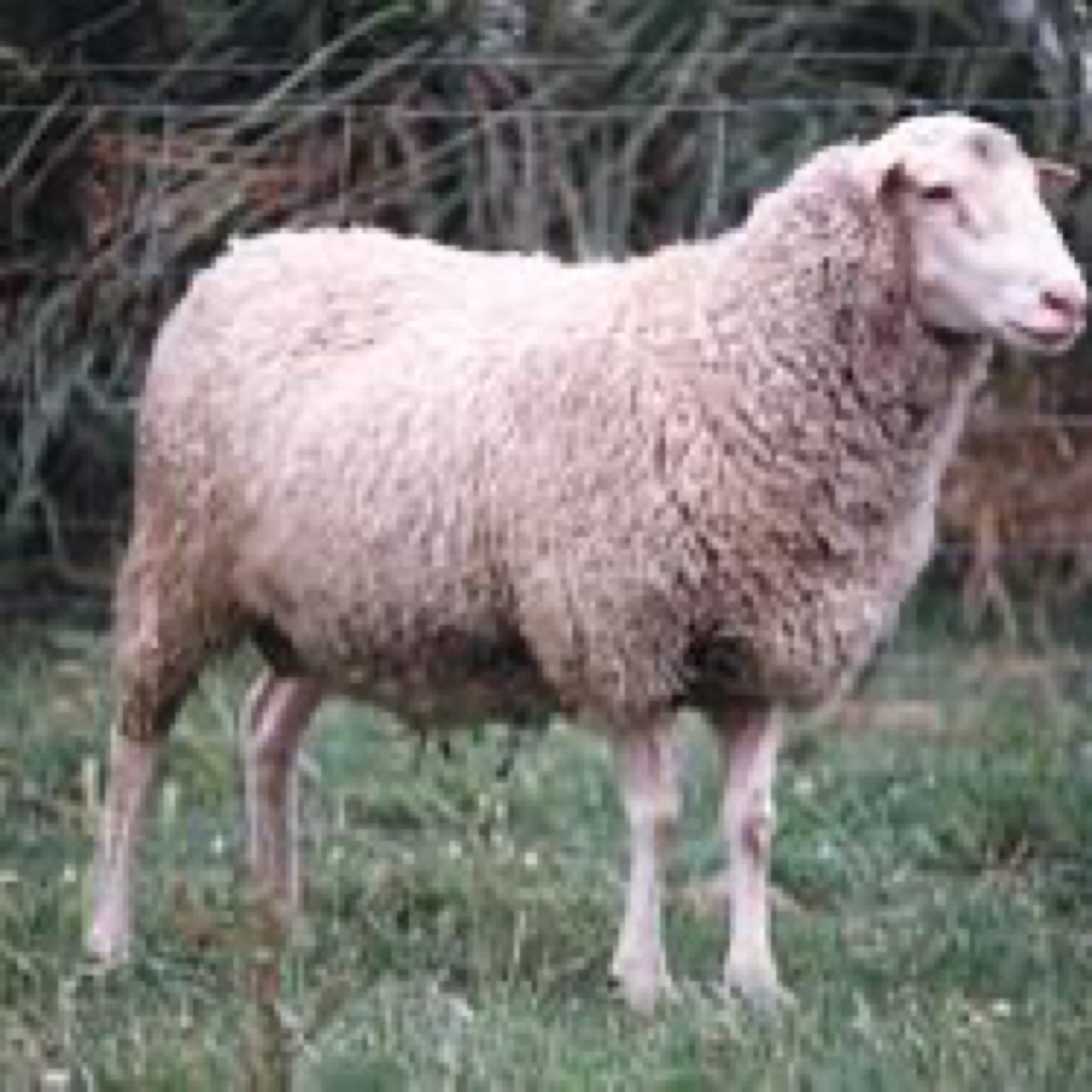
• most noted for incredible proficiency (mature ewes produce 3 + lambs) • noted for milking ability, easy lambing, maternal instincts • POOR fleeces • slow growing/ light muscled • intensive management required
Male of Breeding Age
Ram
Mature Female
Ewe
Young Male
Ram Lamb
Young Female
Ewe Lamb
Unsexed Male
Wether
Groups
Flock
Genus
Ovis
Act of Mating
Tupping
Act of Parturition
Lambing