Molecular Orbitals and Bonding
No description yet. This curated deck is ready for daily study.
Card preview (21)
What molecular property is highlighted in the molecular orbital diagram below?
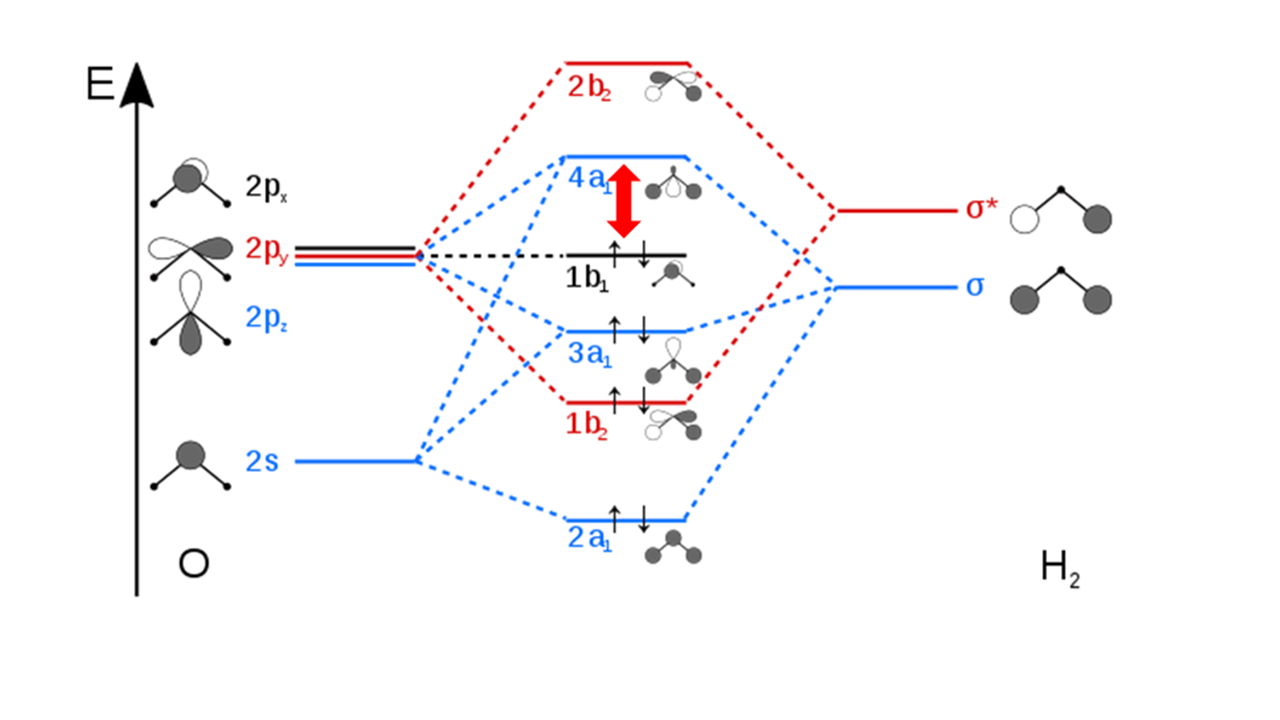
HOMO-LUMO Gap
Classify the highlighted orbital SOMO,HOMO, or LUMO
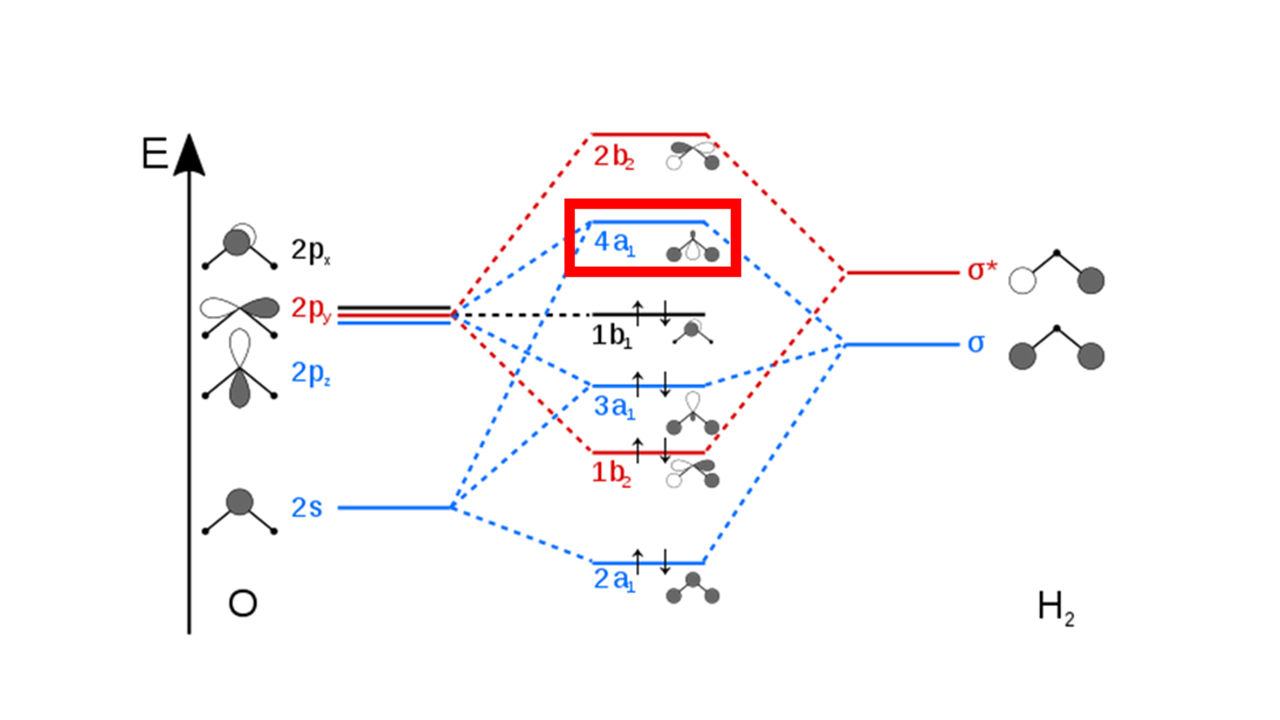
LUMO
Based on the MO diagram below,as the energy of the eg bonding orbital set decreases, the HOMO-LUMO gap ______. Increase or Decreases
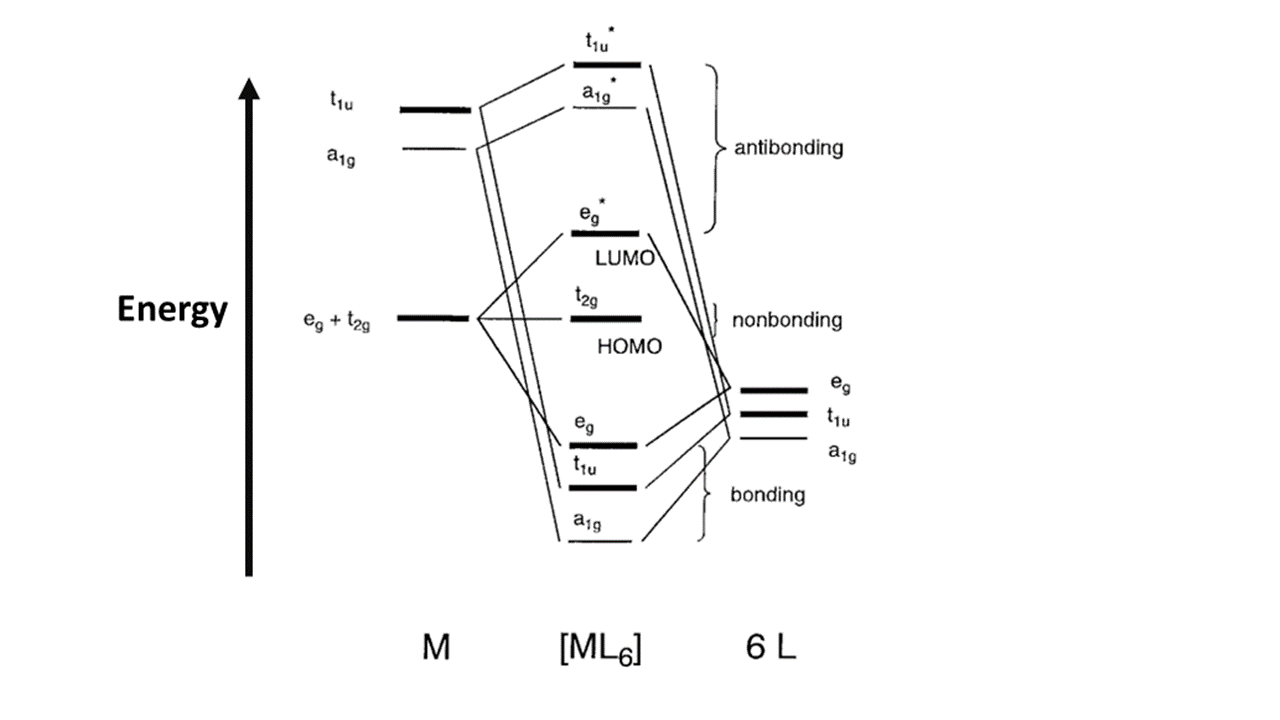
Decreases
Based on the MO diagram below, the non-bonding orbital is mostly composed of ________. Metal or Ligand Character
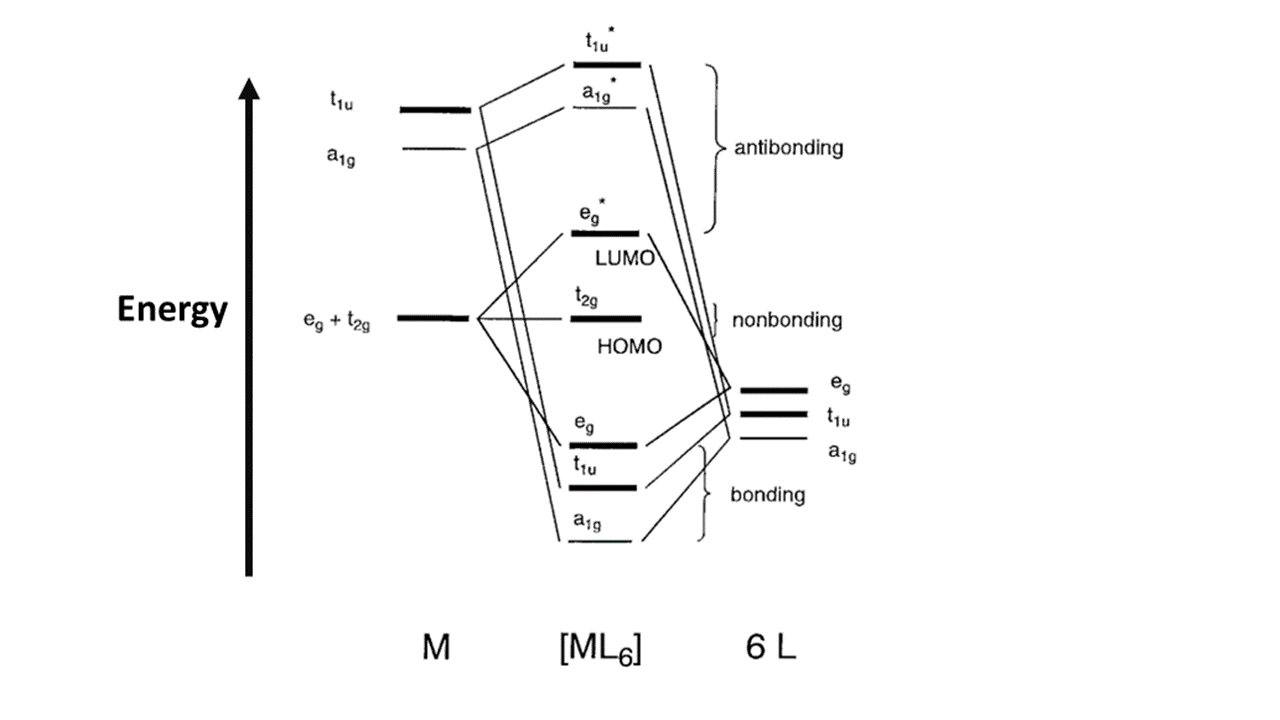
Metal Character
Based on the MO diagram below, the antibonding orbitals are mostly composed of ________. Metal or Ligand Character
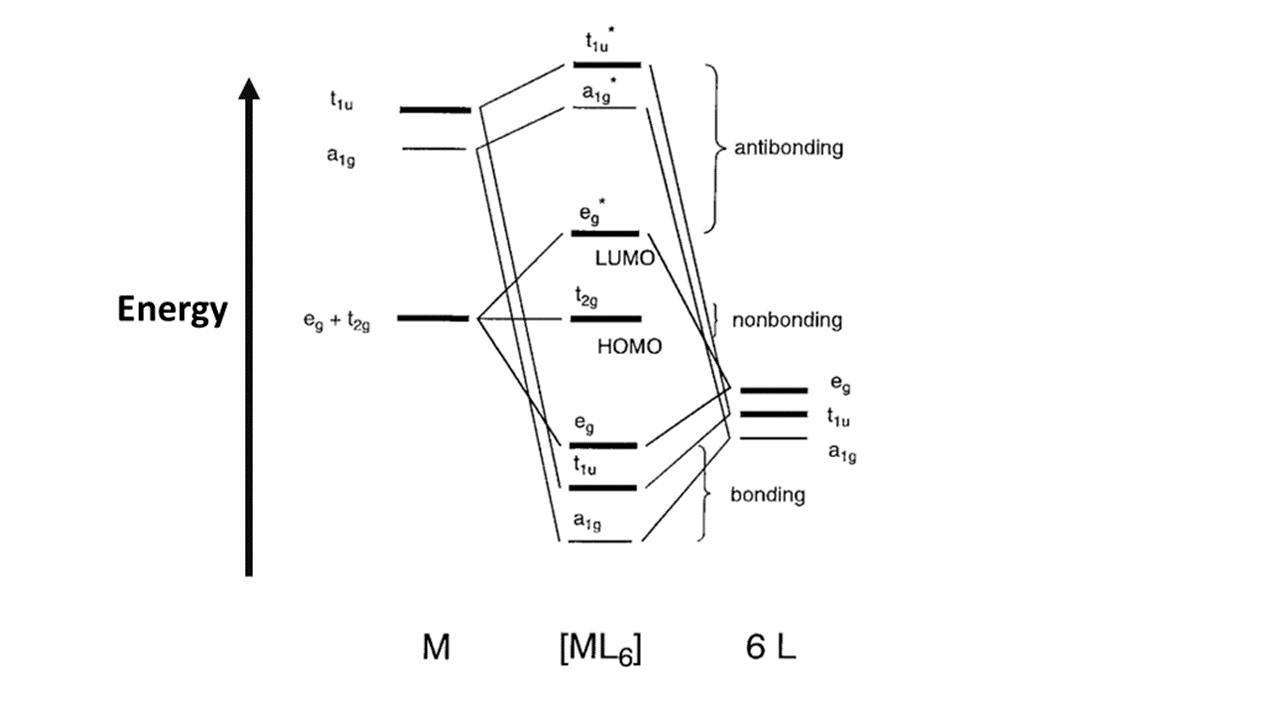
Metal Character
Based on the MO diagram below, the bonding orbitals are mostly composed of ________. Metal or Ligand Character
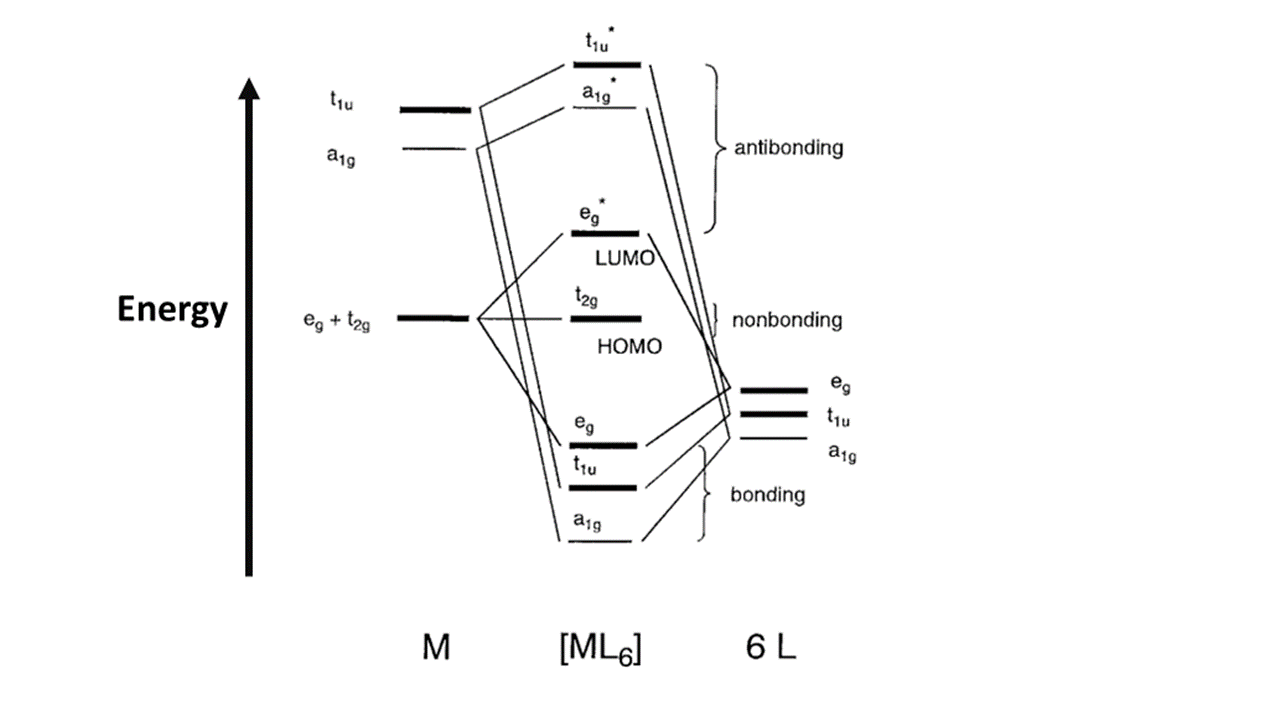
Ligand Character
Classify the highlighted orbital? SOMO,HOMO, or LUMO
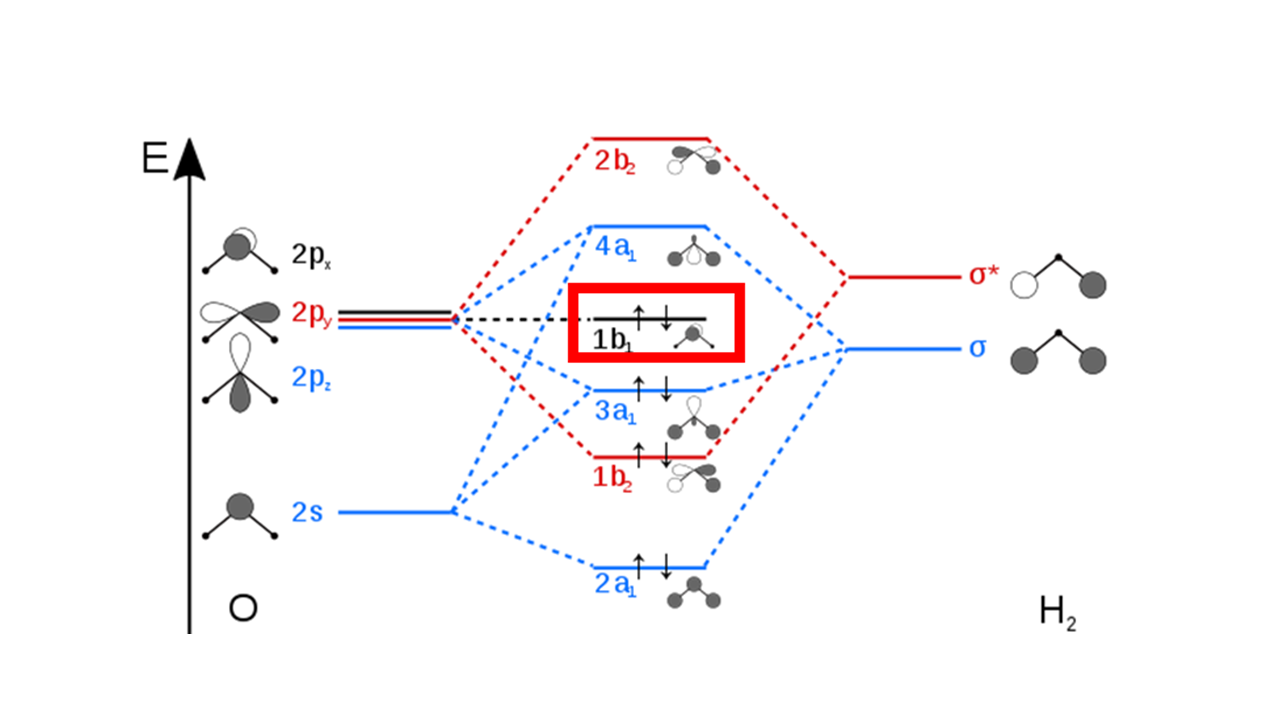
HOMO (Note: specifically a non-bonding orbital)
LUMO
Lowest energy unoccupied molecular orbital
HOMO
Highest energy occupied molecular orbital
What type of moleculer orbitals result from the interactions below?
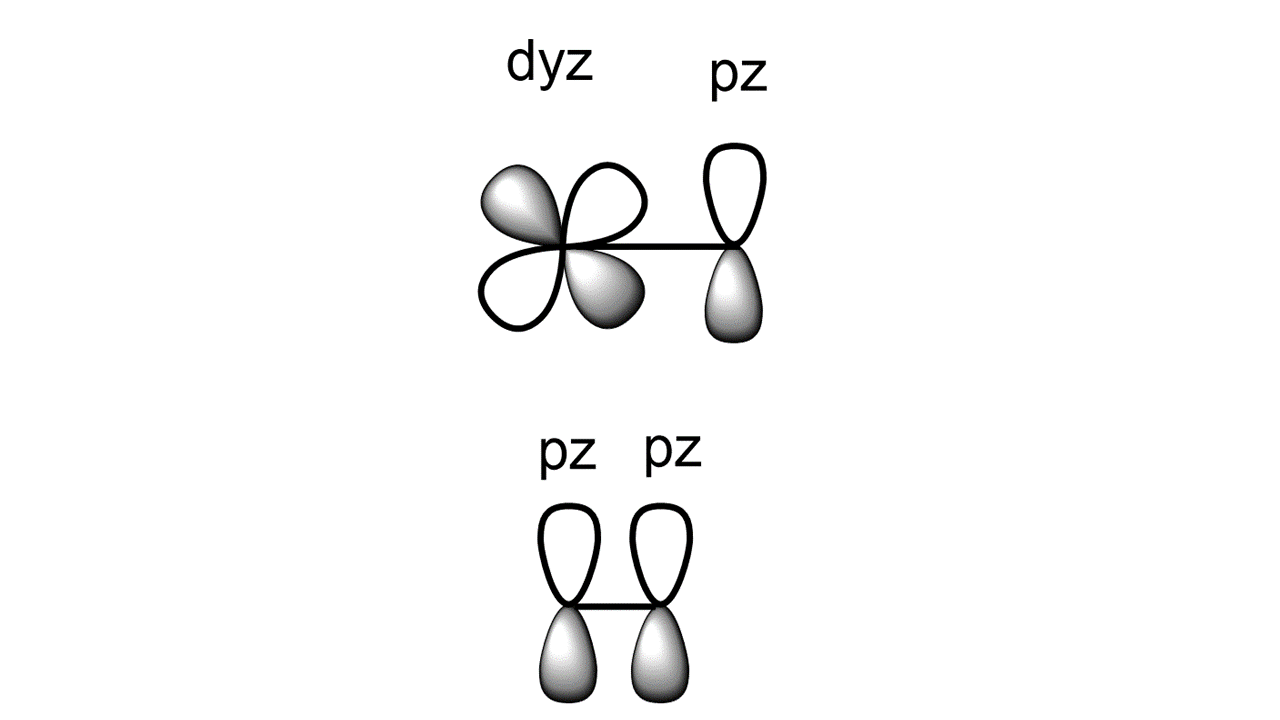
π-orbitals
What is the bond order for the molecule represented below?
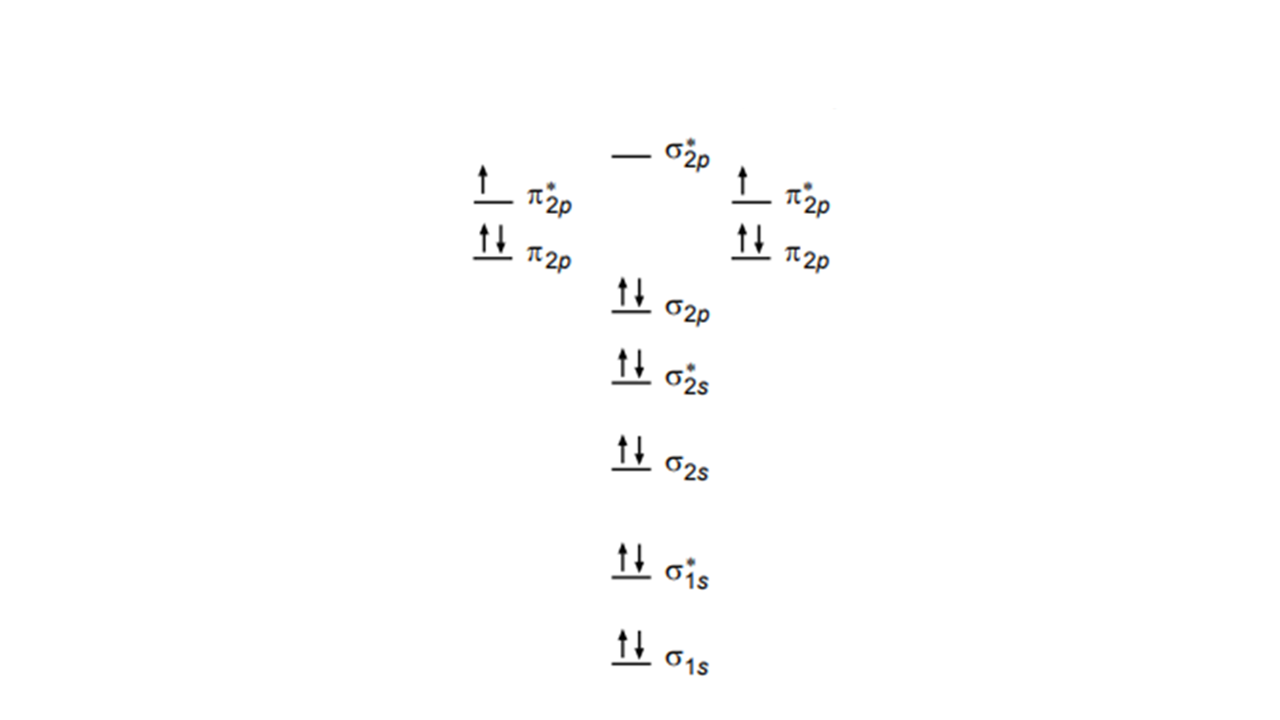
The bond order is 2
1/2*(#Bonding e- - #antibonding e-)
Bond Order
Identify the orbitals below as bonding, non-bonding, or anti-bonding orbitals.
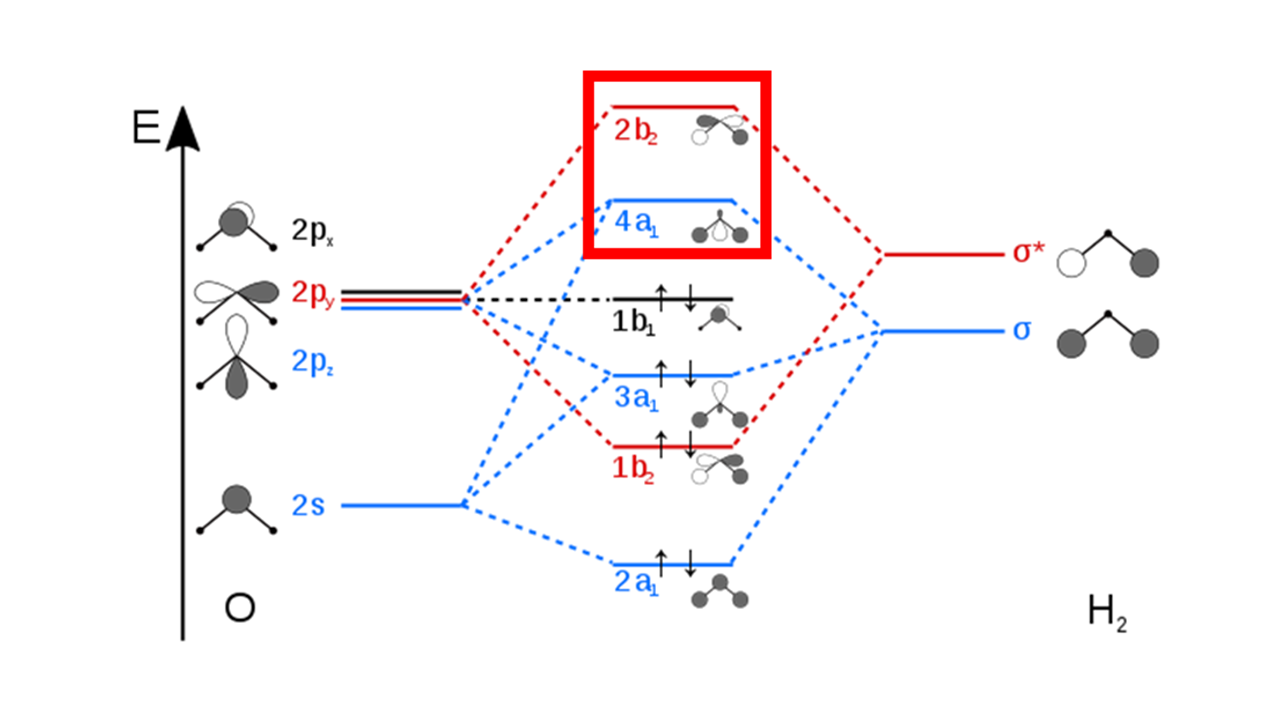
Anti-bonding Orbitals
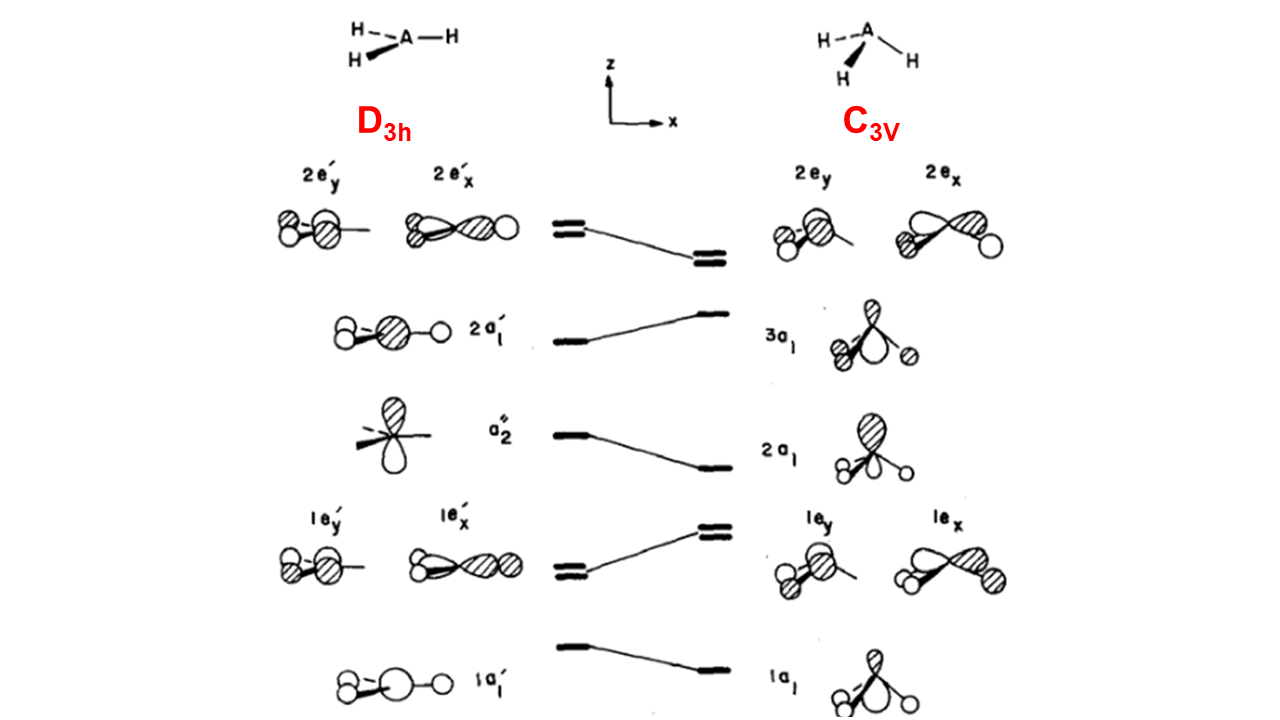
Walsh diagrams
A representations of calculated orbital binding energies of a molecule versus a distortion coordinate
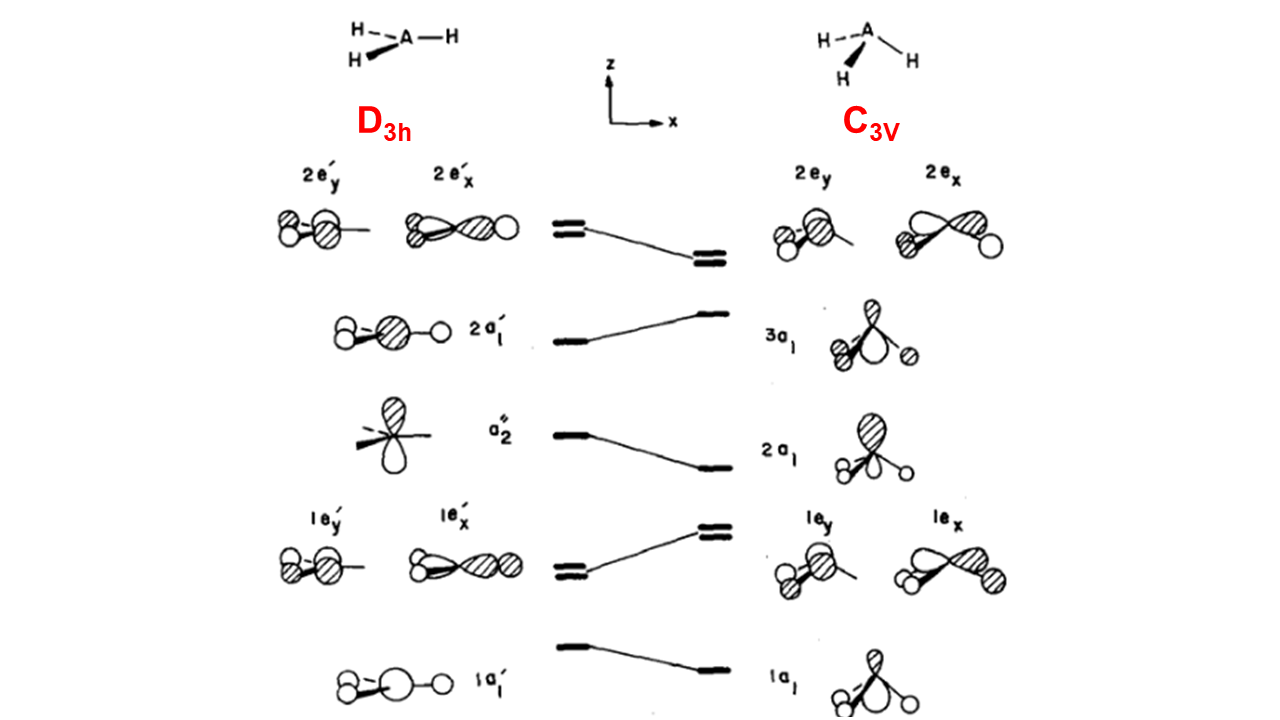
Predict the electron configution of of CH3- based on the correlation digram below.
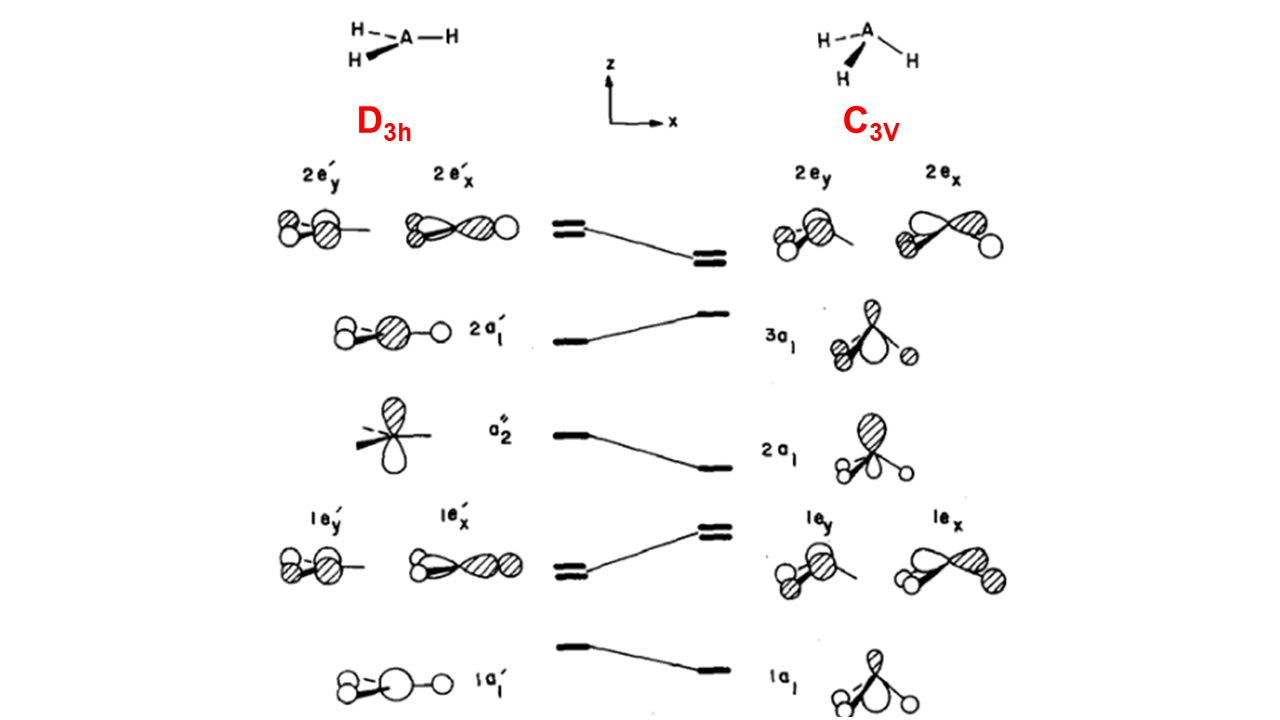
1a12 1e4 2a12 (Counting the valence electrons and then predicting the most stable structure are the first two steps)
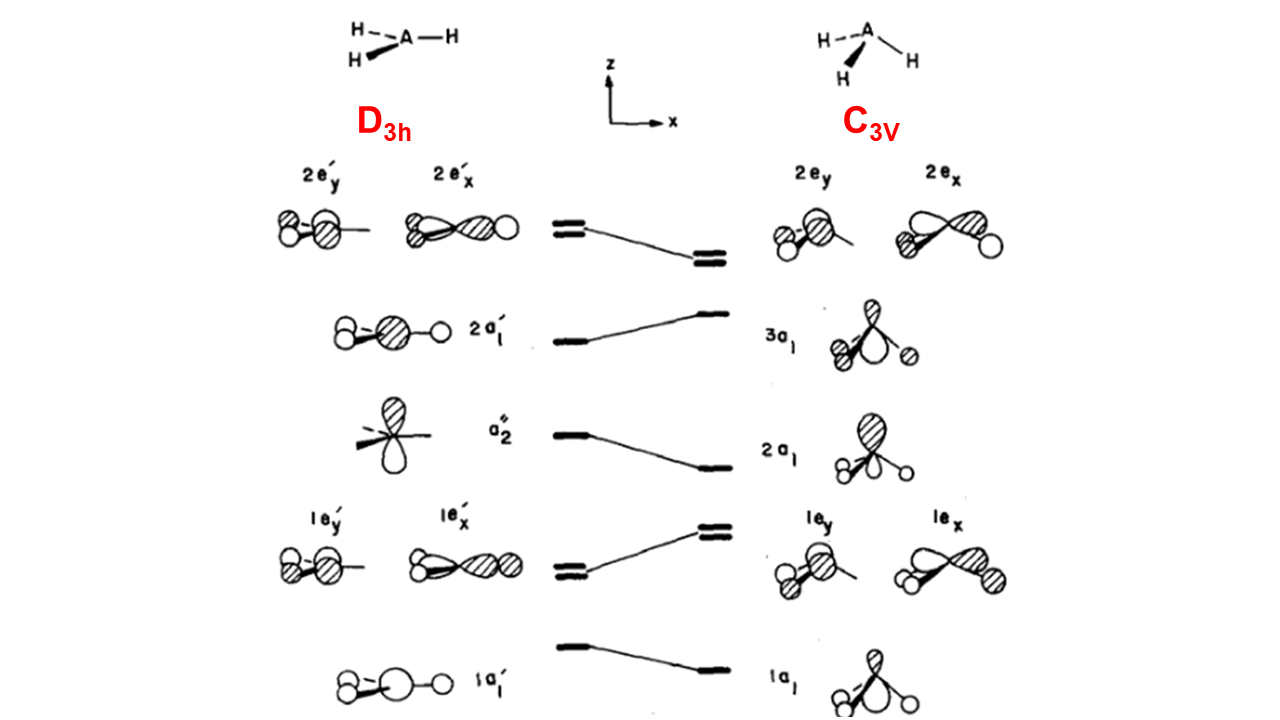
Predict the structure of CH3. based on the correlation digram below.
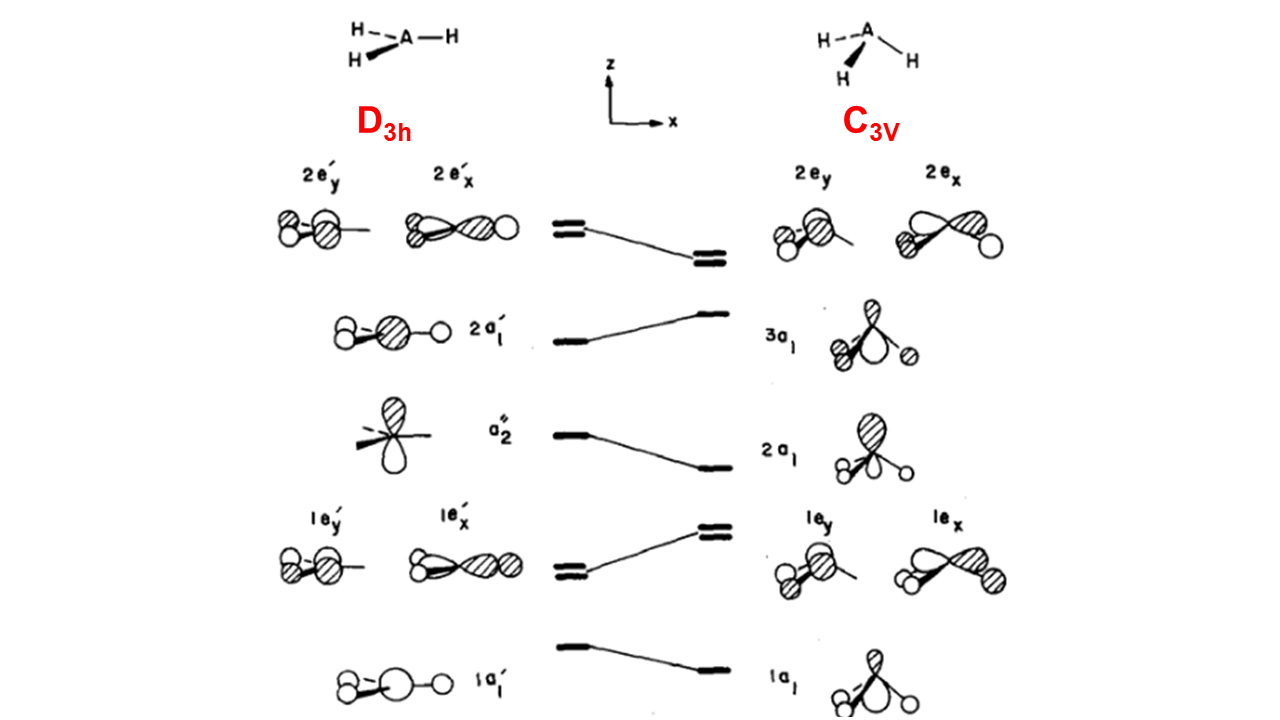
Planar (D3h) The energy gain by lowering of the 1e’ degenerate orbitals is greater than the energy loss by occupancy of a single electron in a2’’ and hence CH3 • is planar.
Which molecule orbital is the highest energy orbital?
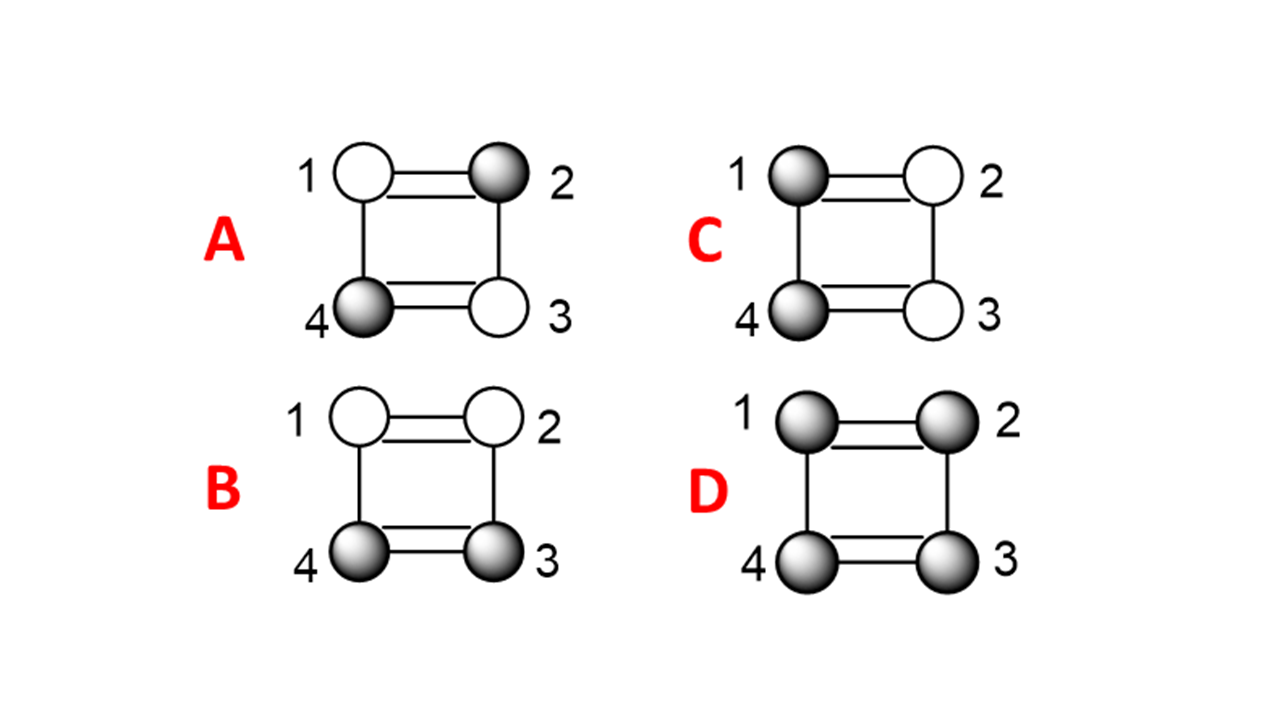
A (Contains the most nodes)
Which molecule orbitals of cyclobutane are degenerate in energy?
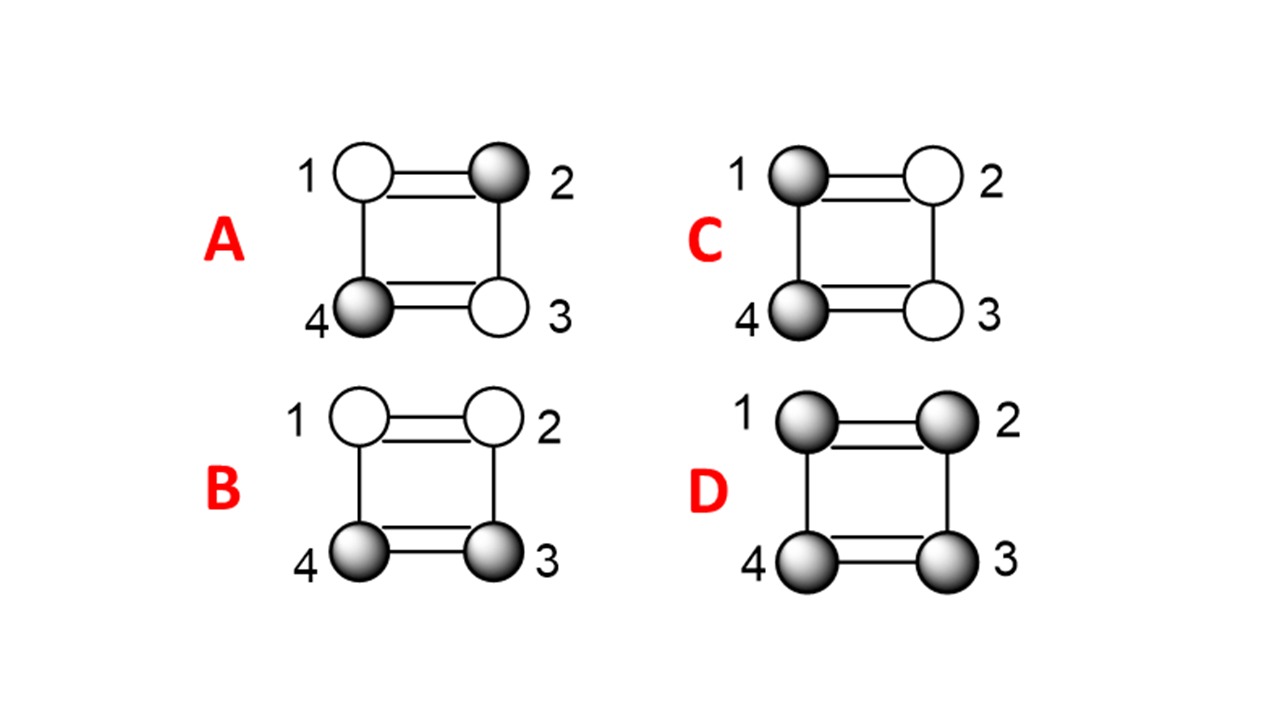
B and C (They contain the same number of nodes)
Identify the orbitals below as bonding, non-bonding, or anti-bonding orbitals.
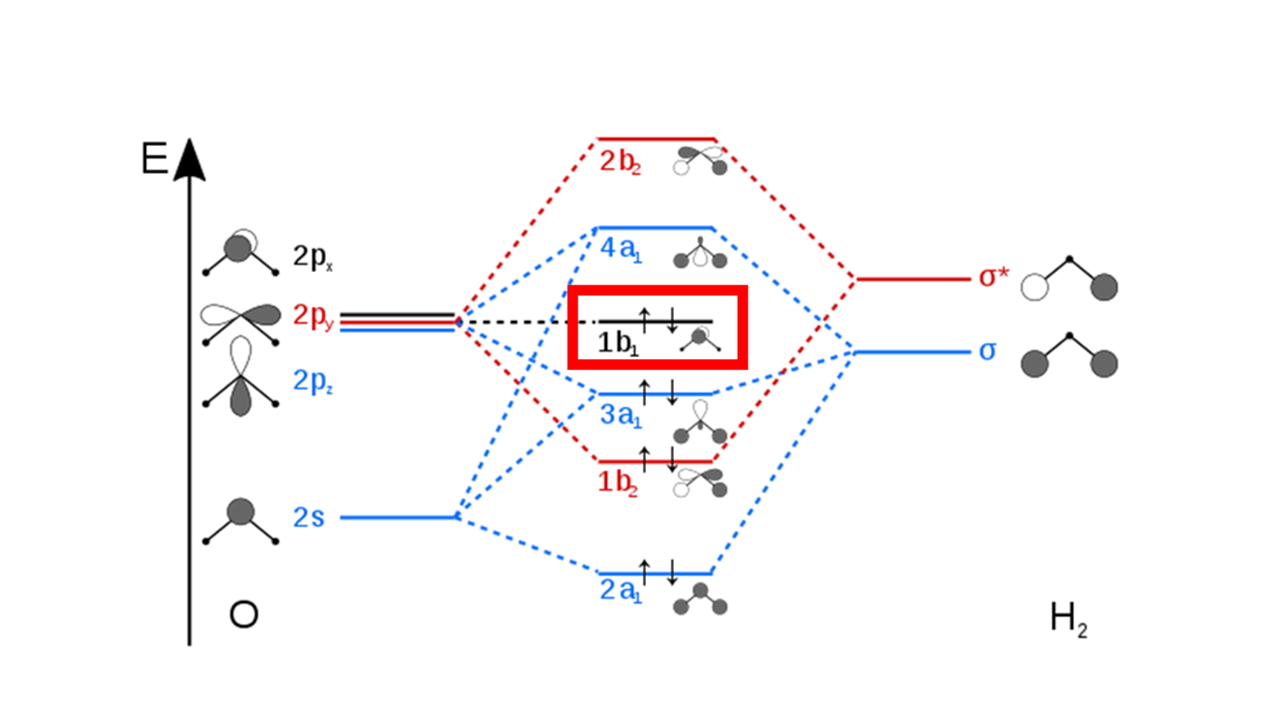
Non-bonding Orbital
Identify the orbitals below as bonding, non-bonding, or anti-bonding orbitals.
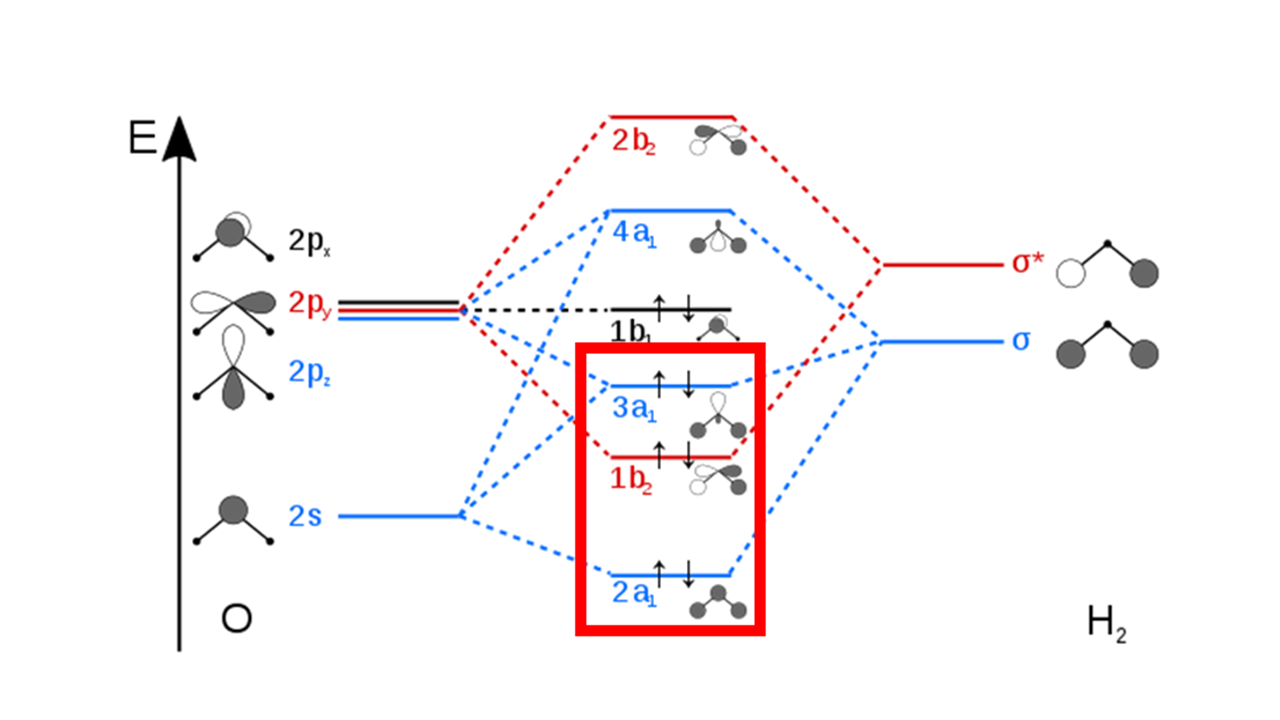
Bonding Orbitals
What type of moleculer orbitals result from the interactions below?
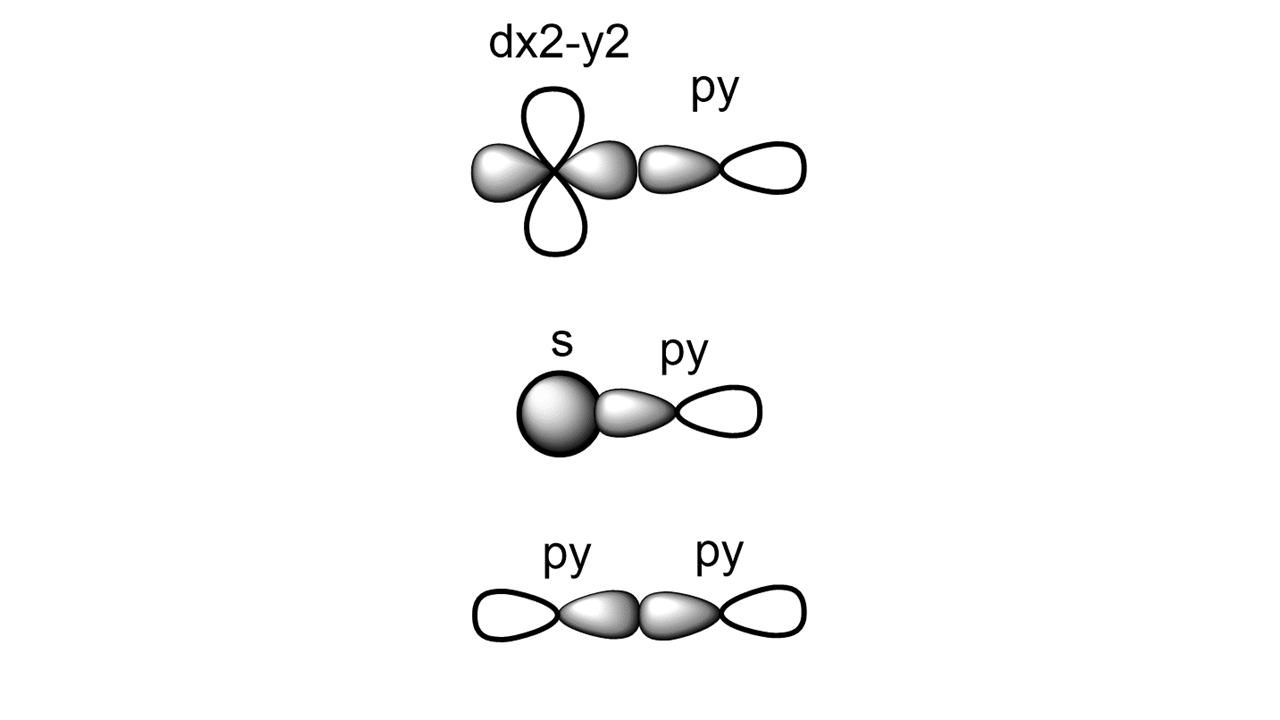
σ-orbitals